

Pul-e Kheshti Mosque Travel Guide
Free Guide: Discover Kabul's largest mosque, a vibrant center of faith and community, showcasing stunning Islamic architecture and Afghan artistry.


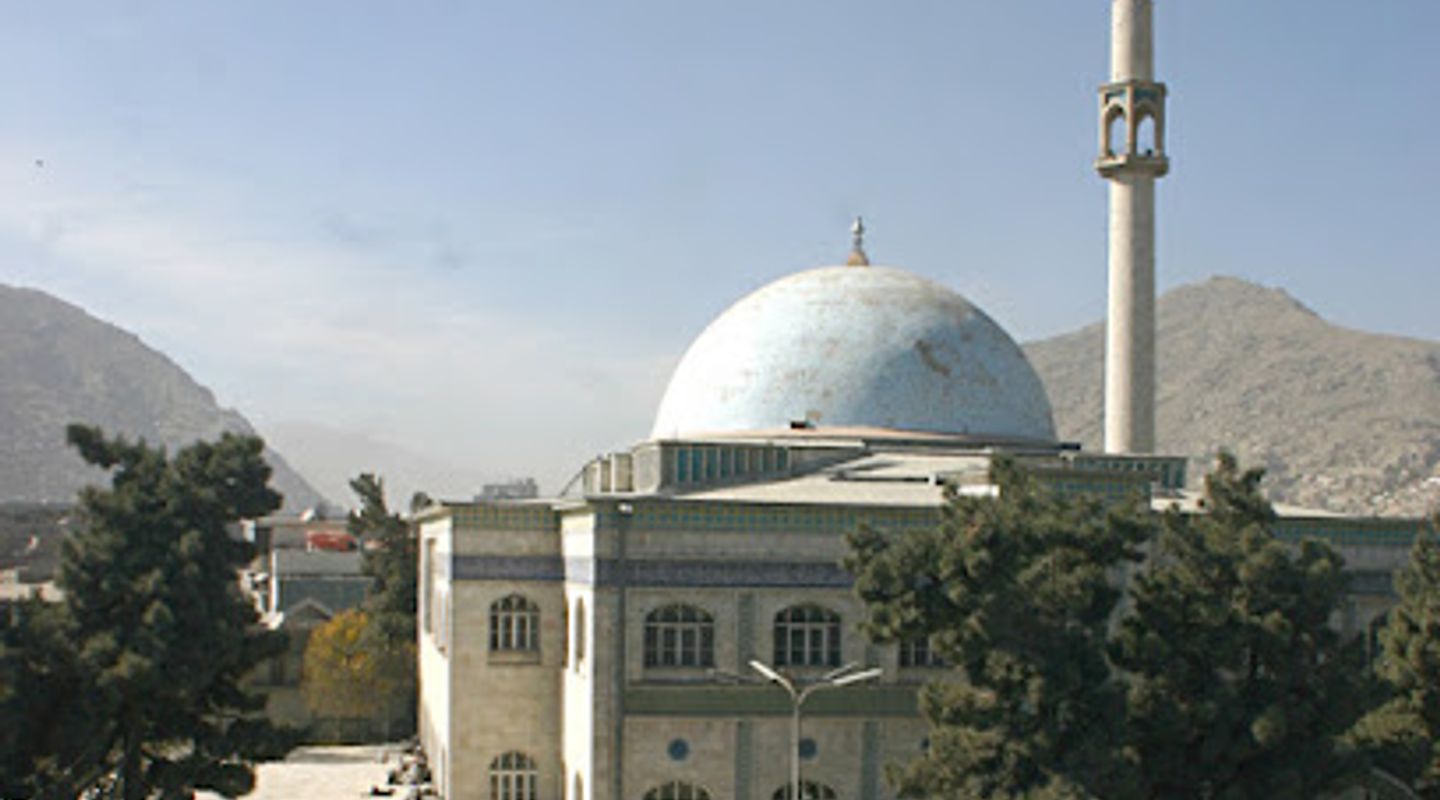
A brief summary of Pul-e Kheshti Mosque
Discover Kabul's largest mosque, a vibrant center of faith and community, showcasing stunning Islamic architecture and Afghan artistry.
Pul-e Kheshti Mosque, meaning "Brick Bridge Mosque," is Kabul's largest mosque and a significant community center [2, 12]. Its vibrant blue dome dominates the city's skyline [2, 3, 8]. Originally built in the late 18th century, it was largely reconstructed in the 1960s and has been restored after damage from conflict [2, 12].
Opening hours
- Every day3:30 am–9:30 pm
Opening hours as listed on the venue’s Google Business Profile. Hours can change for services and special events, so check with the venue before you go.
- Address
- Kabul, Afghanistan
- Phone
Getting there
Walking
Public Transport
Taxi
Discover more about Pul-e Kheshti Mosque
Overview
Nestled in the heart of Kabul, the Pul-e Kheshti Mosque stands as a testament to Afghan resilience and architectural beauty [2, 12]. The mosque's history stretches back to the late 18th century, but it underwent significant reconstruction in the late 1960s under King Zahir Shah, blending modern and traditional Islamic styles [2]. The most striking feature is its enormous, vibrant blue dome, an azure beacon visible from afar [2, 3, 8].Inside, the mosque is a kaleidoscope of intricate designs and colorful mosaics, showcasing the exquisite craftsmanship of Afghan artisans [2, 12]. Calligraphy adorns the walls, adding to the sense of reverence and artistic beauty. The expansive prayer hall accommodates thousands of worshippers, creating a powerful atmosphere [2]. The mosque has four iwans (vaulted spaces) and a large central courtyard [2].Pul-e Kheshti has witnessed centuries of Kabul's history [2]. It was damaged during conflicts in the 1990s and has since been restored, symbolizing the city's ability to overcome adversity [2, 12]. Today, it is not only a place of prayer but also a vibrant community center, hosting religious gatherings, cultural events, and social activities [2]. Visiting Pul-e Kheshti offers a unique opportunity to witness the daily life and spirituality of the Afghan people [2]. Modest dress is essential, and women are required to cover their heads [2, 13].
Evendo Review Centre
 Google
Guest reviews
Explore Pul-e Kheshti Mosque on the map
A handpicked selection of must-see spots near Pul-e Kheshti Mosque, mapped for you.
Get your free copy of our complete guide to Pul-e Kheshti Mosque, delivered straight to you.
Everything on this page, from opening hours and how to get there to Eve’s tips and the best time to go, in one PDF you can read offline, print or share.
Already have an account? Sign in
Your Pul-e Kheshti Mosque guide is ready.
We'll send it to · Not you? Sign out

Getting your guide ready…
We are putting together a fresh copy of the Pul-e Kheshti Mosque guide. This can take up to a minute.
This can take a few moments. If your browser asks, choose Allow so the download can start. You'll find the guide in your Downloads folder.
Nothing happened? Download it again
Sorry, the guide is taking longer than usual. Please try again in a minute, or get it by email instead.
Other nearby places you may find interesting
The closest places of the same kind, if this one is not quite what you had in mind.
-
-
-
-
-


Swipe for more places
More to explore near Pul-e Kheshti Mosque

 Best experiences near Pul-e Kheshti Mosque
 Best hotels near Pul-e Kheshti Mosque
 Best landmarks near Pul-e Kheshti Mosque
 Best attractions near Pul-e Kheshti Mosque
 Best shops near Pul-e Kheshti Mosque
 Best restaurants near Pul-e Kheshti Mosque
 Best bars near Pul-e Kheshti Mosque
Do you manage this location?
Take control to get all the benefits, like improved information, better appearance, and stronger visibility across AI-powered discovery.
Explore more

Explore more of Paktia
Discover Paktia: A hidden gem in Afghanistan, known for its breathtaking landscapes, rich culture, and historical treasures.
Explore Paktia
Explore more of Afghanistan
Discover Afghanistan's rich history, stunning landscapes, and diverse cultures. From ancient cities to breathtaking nature, this Central Asian gem offers a unique travel experience.
Explore Afghanistan
