

Free Paktia Travel Guide & Mobile App
Explore Paktia with free travel guides. Discover regional history, expert tips, proposed trips, and audio guides on web or mobile app.


Paktia offers rugged Afghan mountain landscapes, Gardez's frontier history and living Pashtun culture, but travel requires stringent security planning.
Read more about Paktia
When is the best time to visit Paktia?
Best: April–May, October · 23–30°C| Month | High (°C) | Rainfall (mm) |
|---|---|---|
| January | 9 | 40 |
| February | 11 | 45 |
| March | 18 | 55 |
| April (best) | 23 | 60 |
| May (best) | 30 | 45 |
| June | 36 | 20 |
| July | 38 | 15 |
| August | 37 | 15 |
| September | 32 | 20 |
| October (best) | 24 | 25 |
| November | 16 | 30 |
| December | 9 | 35 |
Getting to and around Paktia
How to get there
Transportation
Best attractions in Paktia
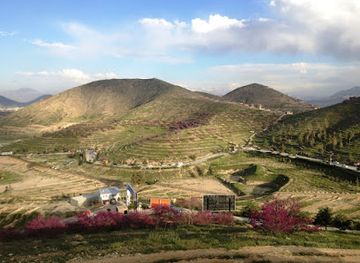
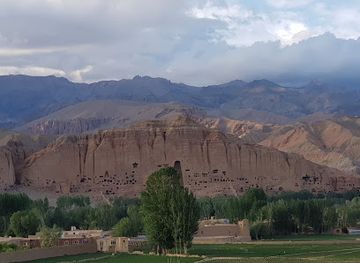
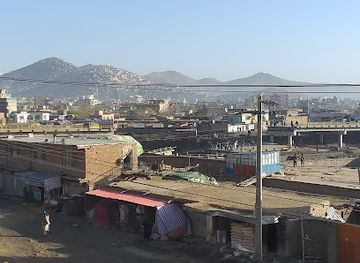
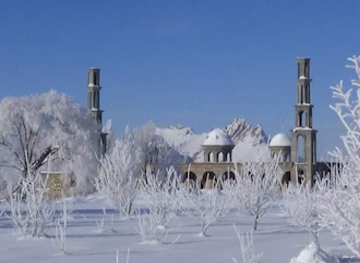
Paktia has no developed tourism circuit and should not be approached as a conventional sightseeing destination. The principal points of interest are its mountain landscapes, historic routes and the urban life of Gardez, where the provincial bazaar provides insight into everyday commerce and regional connections. The valleys around Gardez and Zurmat contain cultivated fields, orchards and rural settlements, while the higher districts towards Jaji and Zadran offer rugged ridges, forested slopes and remote passes. These landscapes are visually significant but difficult to access safely, with limited signage, accommodation, medical support and public transport. Historic defensive remains, religious sites and local shrines may exist in and around settled areas, although access, condition and permission requirements vary. Paktia's attraction lies chiefly in its geography and history rather than in formal museums or visitor facilities. Any visit for research, humanitarian work or family reasons should be arranged with local authorities and trusted hosts, and former conflict sites, abandoned compounds and unmarked mountain tracks should be avoided because of security risks and possible unexploded ordnance.
-
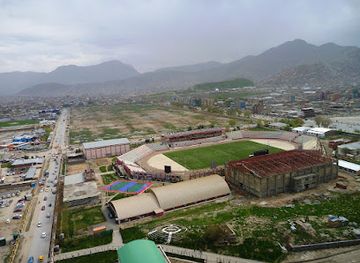
Ghazi Stadium
Experience Afghan sports and history at Ghazi Stadium in Kabul, a symbol of resilience and national pride, where echoes of the past meet the hopes for the future.
-
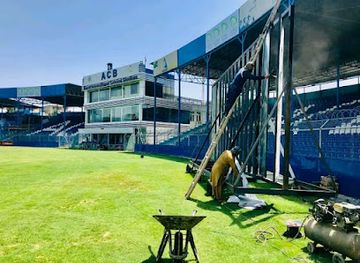
Kabul International Cricket Stadium
Experience the heart of Afghan cricket at this vibrant Kabul stadium, a symbol of national pride and sporting passion.
-
Khost Central Mosque
Discover the spiritual heart of Khost at the Central Mosque, a symbol of resilience and unity in southeastern Afghanistan.
-
Kabul Golf club-Qargha
Experience golf like never before at Kabul Golf Club, a symbol of resilience and hope in Afghanistan, near Qargha Lake.

Best landmarks in Paktia
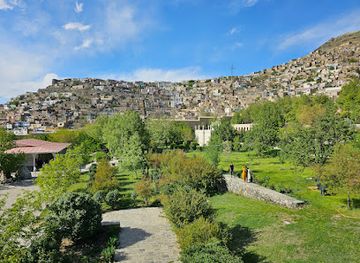
Gardez is Paktia's principal urban landmark, occupying a strategic position among the surrounding mountains and serving as the province's administrative and commercial centre. The city's historic defensive associations are reflected in the elevated remains and fortified sites traditionally linked with Gardez's old settlement, although their condition and accessibility should be confirmed locally before any visit. The wider province is marked less by monumental architecture than by mountain passes, valley settlements, mosque compounds, shrines and roads that have carried armies, traders and local communities between central Afghanistan and the frontier. The ridges and valleys around the Jaji and Zadran areas form important natural landmarks, but they are remote and security-sensitive rather than developed viewpoints. Military-era structures and damaged infrastructure also form part of the contemporary landscape, yet they should never be approached or photographed without clear permission. Paktia's most meaningful landmarks therefore combine geography, local memory and strategic history, and their significance is often best explained by a knowledgeable resident rather than by formal visitor interpretation.
-
Park
Babur Garden
Explore Kabul's historic Bagh-e Babur, the final resting place of the Mughal emperor Babur, offering serene gardens and stunning city views.
-
National park
Band-e-Amir National Park
Discover Afghanistan's hidden gem: turquoise lakes, dramatic canyons, and a unique blend of natural beauty in Band-e-Amir National Park.
-
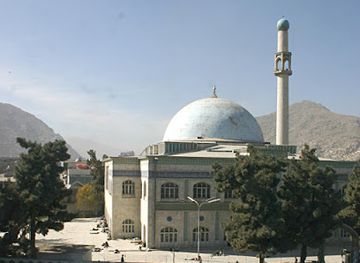
Mosque
Pul-e Kheshti Mosque
Discover Kabul's largest mosque, a vibrant center of faith and community, showcasing stunning Islamic architecture and Afghan artistry.
-
 Hotel
HotelSafi Landmark Hotel
Experience comfort and convenience in the heart of Kabul at Safi Landmark Hotel, offering modern amenities and Afghan hospitality.
Explore Paktia on the map
Plan your trip on one map. See where the top cities, national parks and sights are, and book hotels and experiences in a few clicks.
Best hotels in Paktia
Best restaurants in Paktia
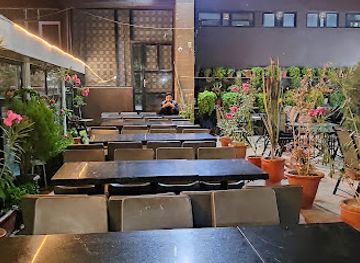
Dining in Paktia is primarily local and informal, centred on family homes, modest eateries, tea houses and market food rather than a developed restaurant industry. Meals commonly draw on wider Afghan and Pashtun traditions, including rice dishes, flatbreads, grilled meat, beans, yoghurt, vegetables and seasonal fruit. Green or black tea is an important part of hospitality, and shared meals are often organised around a communal dish. Gardez offers the greatest choice of basic food outlets, but opening arrangements, hygiene standards and supplies can change quickly. Visitors should use trusted local advice about water, raw produce and food preparation, particularly outside the provincial capital. Dietary requirements need to be explained clearly through an interpreter, and alcohol is prohibited under Afghanistan's current legal and religious environment. Hosts may offer food generously, so polite acceptance of at least a small portion is generally appreciated, while practices differ between families and communities.
-
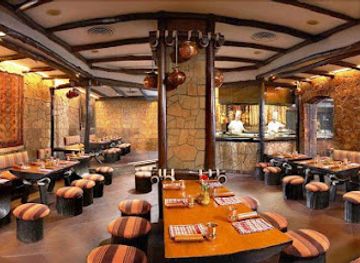
Restaurant
Bukhara Restaurant
Experience authentic Afghan flavors at Bukhara Restaurant in Kabul - where tradition meets taste in a captivating setting.
-
Restaurant
The Cafeteria
Discover authentic Afghan cuisine at The Cafeteria in Kabul – where every meal tells a story of rich tradition and flavor.
-
Restaurant
Yummy Fast Food
Experience delicious fast food in Kabul at Yummy Fast Food – where taste meets convenience!
-
Turkish
Istanbul Family Restaurant & Cafe
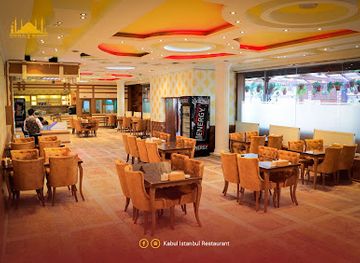
Experience authentic Turkish and Afghan cuisine at Istanbul Family Restaurant & Cafe in Kabul - where tradition meets taste.

Best bars in Paktia
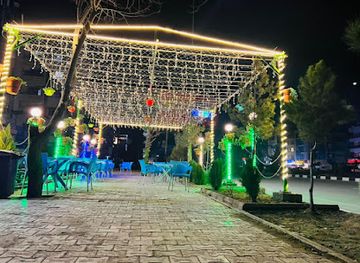
Paktia has no conventional bar or nightclub scene. Alcohol is prohibited, and evening social life generally takes place in family compounds, tea houses, restaurants, mosques and community settings rather than commercial entertainment venues. Gardez may have simple tea houses and eateries where men gather, but these are not nightlife districts in the international sense, and access for women and visitors can be subject to local rules and prevailing security conditions. In rural districts, activity often winds down after dark because of limited lighting, transport, communications and security. Visitors should not seek informal alcohol supplies or arrange private parties, and should follow their host organisation's curfew and movement procedures. Quiet evening hospitality, conversation and shared meals are more representative of local social life than clubs, live music venues or late-night entertainment.
-
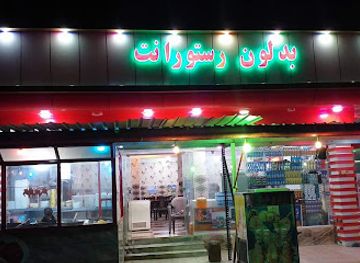
Badloon Restuarant
Experience the rich flavors of Afghan cuisine at Badloon Restaurant, a culinary haven for travelers in 'Aliwat.
-
be quiet
Discover authentic Afghan cuisine at Be Quiet Restaurant in Ghawcqol, where traditional flavors meet a serene dining atmosphere.
-
اندخوی ترکمن دریا رستورانت نمبر 3
Experience authentic Afghan flavors at اندخوی ترکمن دریا رستورانت نمبر 3 in Gardez, a local favorite for delicious traditional dishes.
-
Bar
خوندور رسټورانټ
Experience the authentic flavors of Afghan cuisine at خوندور رسټورانټ in Gardez, where tradition meets delightful dining.
Best nightclubs in Paktia
Paktia has no conventional bar or nightclub scene. Alcohol is prohibited, and evening social life generally takes place in family compounds, tea houses, restaurants, mosques and community settings rather than commercial entertainment venues. Gardez may have simple tea houses and eateries where men gather, but these are not nightlife districts in the international sense, and access for women and visitors can be subject to local rules and prevailing security conditions. In rural districts, activity often winds down after dark because of limited lighting, transport, communications and security. Visitors should not seek informal alcohol supplies or arrange private parties, and should follow their host organisation's curfew and movement procedures. Quiet evening hospitality, conversation and shared meals are more representative of local social life than clubs, live music venues or late-night entertainment.
-
Night club
حمام حاجي مير احمد
Discover the vibrant ambiance of حمام حاجي مير احمد, a bar in Kabul blending tradition and relaxation in a culturally rich setting.
-
Bar
Refuel Juice Bar
Experience the vibrant flavors of fresh juices and smoothies at Refuel Juice Bar, a rejuvenating spot in Kabul for health-conscious tourists.
-
Bar
Pol E Campany
Experience the vibrant nightlife of Kabul at Pol E Campany, a lively bar offering a diverse drink selection in a welcoming atmosphere.
-
Ziarat
Experience the vibrant nightlife of Ziarat, where culture meets entertainment in the heart of Afghanistan's stunning landscapes.


Best shops in Paktia
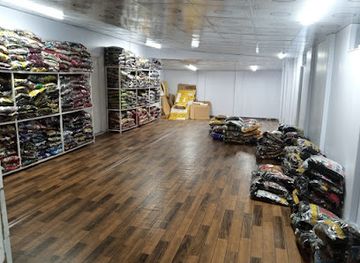
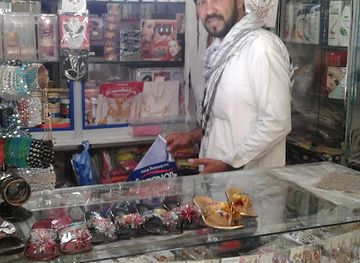
Shopping in Paktia is concentrated in Gardez's bazaar and the smaller markets serving district centres. Visitors will find practical goods, foodstuffs, clothing, household items, mobile-phone services and locally traded agricultural produce rather than a specialised tourist retail sector. Afghan textiles, carpets, embroidered clothing, dried fruit, nuts and handmade household goods may appear through local traders, but provenance and quality vary, so purchases should be made through trusted contacts and transported in accordance with customs and security rules. Bargaining can be part of market commerce, although it should remain courteous and proportionate. Rural markets are primarily places for residents to buy necessities and exchange produce, not attractions designed for visitors. Women may experience different access and purchasing arrangements depending on the locality, and photography in markets requires permission. Because travel and supply routes can be disrupted, essential personal items should be obtained before entering the province rather than relying on a particular shop or market being open.
-
Clothing store
Naaz Boutique Afghani dresses store
Explore the essence of Afghan culture through exquisite dresses at Naaz Boutique in Kabul, a must-visit for fashion lovers and cultural enthusiasts.
-
Shopping mall
Paktia Medical Plaza
Explore the vibrant Paktia Medical Plaza in Gardez, where shopping meets local culture in a delightful setting.
-
Shopping mall
Sayed Karam Bazar سیدکرم بازار
Explore the cultural tapestry and vibrant shopping experience at Sayed Karam Bazar, a true representation of Afghan marketplace spirit.
-
Shopping mall
Etifaaq Market
Discover the rich culture and vibrant atmosphere of Etifaaq Market, a must-visit shopping destination in Kabul, Afghanistan.
Get your free copy of our complete guide to Paktia, delivered straight to you.
Everything on this page, from attractions and restaurants to essentials and local phrases, in one PDF you can read offline, print or share.
Already have an account? Sign in
Your Paktia guide is ready.
We'll send it to · Not you? Sign out

Getting your guide ready…
We are putting together a fresh copy of the Paktia guide. This can take up to a minute.
This can take a few moments. If your browser asks, choose Allow so the download can start. You'll find the guide in your Downloads folder.
Nothing happened? Download it again
Sorry, the guide is taking longer than usual. Please try again in a minute, or get it by email instead.
Paktia essentials
Currency and Payment
Safety
Emergency Situations
Do's and Don'ts
Local Tips
From Eve
Local phrases worth knowing
You don't need to get them perfect. A few words go a long way, and locals appreciate the effort.
Basics
| English | Local | Say it |
|---|---|---|
| Hello | سلام | [Salam] |
| Goodbye | خدا حافظ | [Khuda Hafiz] |
| Yes | بلی | [Bale] |
| No | نه | [Na] |
| Please/You're welcome | لطفاً/خوش آمدید | [Lotfan/Khosh Amadi] |
| Thank you | تشکر | [Tashakur] |
| Excuse me/Sorry | ببخشید | [Bebakhshid] |
| How are you? | چطور هستید؟ | [Chetor Hastid?] |
| Fine. And you? | خوبم. شما چطورید؟ | [Khubam. Shoma Chetorid?] |
| Do you speak English? | آیا انگلیسی صحبت می کنید؟ | [Aya Engilisi Sohbat Mikonid?] |
| I don't understand | من نمی فهمم | [Man Nemi Fahmam] |
Eating & Drinking
| English | Local | Say it |
|---|---|---|
| I'd like to see the menu, please | لطفاً منوی غذا را ببینم | [Lotfan Menu-e Ghaza Ra Bbinam] |
| I don't eat meat | من گوشت نمی خورم | [Man Gusht Nemi Khuram] |
| Cheers! | به سلامتی! | [Be Salamati!] |
| I would like to pay, please | لطفاً می خواهم پرداخت کنم | [Lotfan Mi Khaham Pardakht Konam] |
Emergencies
| English | Local | Say it |
|---|---|---|
| Help! | کمک! | [Komak!] |
| Go away! | برو برو! | [Boro Boro!] |
| Call the Police! | پلیس را صدا کنید! | [Polis Ra Seda Konid!] |
| Call a doctor! | یک دکتر را صدا کنید! | [Yak Doctor Ra Seda Konid!] |
| I'm lost | من گم شده ام | [Man Gom Shode Am] |
| I'm ill | من بیمار هستم | [Man Bimar Hastam] |
Shopping
| English | Local | Say it |
|---|---|---|
| I'd like to buy... | می خواهم بخرم... | [Mi Khaham Bekharam...] |
| I'm just looking | فقط دارم نگاه می کنم | [Faghat Daram Negah Mikonam] |
| How much is it? | این چقدر است؟ | [In Chande Ast?] |
| That's too expensive | این خیلی گران است | [In Kheili Garan Ast] |
| Can you lower the price? | آیا می توانید قیمت را پایین بیاورید؟ | [Aya Mi Tavanid Gheymat Ra Pain Biavarid?] |
Time & Numbers
| English | Local | Say it |
|---|---|---|
| What time is it? | ساعت چنده؟ | [Saat Chande?] |
| It's one o'clock | ساعت یک است | [Saat Yek Ast] |
| Half past (10) | نیم ساعت (۱۰) | [Nim Saat (10)] |
| Morning | صبح | [Sobh] |
| Afternoon | بعد از ظهر | [Bad Az Zahr] |
| Evening | عصر | [Asr] |
| Yesterday | دیروز | [Diruz] |
| Today | امروز | [Emruz] |
| Tomorrow | فردا | [Farda] |
| 1 | یک | [Yek] |
| 2 | دو | [Do] |
| 3 | سه | [Se] |
| 4 | چهار | [Chahar] |
| 5 | پنج | [Panj] |
| 6 | شش | [Shesh] |
| 7 | هفت | [Haft] |
| 8 | هشت | [Hasht] |
| 9 | نه | [Noh] |
| 10 | ده | [Dah] |
Transport & Directions
| English | Local | Say it |
|---|---|---|
| Where's a/the...? | کجا است ...؟ | [Koja Ast ...?] |
| What's the address? | آدرس چیست؟ | [Adres Chist?] |
| Can you show me (on the map)? | می توانید به من نشان دهید (بر روی نقشه)؟ | [Mi Tavanid Be Man Neshan Dahid (Bar Roy-e Naqshe)?] |
| When's the next (bus)? | کی (اتوبوس) بعدی می آید؟ | [Ki (Otobus) Ba'di Mi Ayad?] |
| A ticket (to ....) | یک بلیط (به ...) | [Yak Belit (Be ...)] |
History of Paktia
The Ancient Pactyica and Eastern Mountain Routes
Classical sources refer to peoples called the Pactyans in the eastern mountains, although the exact extent of ancient Pactyica cannot be mapped precisely onto modern Paktia. The wider region has long occupied a strategic position between the Afghan highlands, the Kabul basin and the passes leading towards the Indian subcontinent. Mountain communities, pastoral routes and valley settlements shaped movement across the area well before modern provincial boundaries existed. Archaeological evidence in south-eastern Afghanistan is unevenly recorded, partly because difficult terrain and prolonged conflict have restricted systematic research.
Islamic Rule and the Medieval Frontier
Islam spread gradually through eastern Afghanistan through military expansion, trade, scholarship and the work of religious institutions. From the medieval period onwards, the region was influenced by successive Afghan, Persianate and Central Asian powers, including dynasties that controlled the main routes through the country without exercising uniform authority over every mountain community. Gardez and the surrounding valleys developed within this wider Islamic political world, while local leadership, customary law and kinship remained important in organising rural society.
The Durrani State and Afghan Consolidation
The formation of the Durrani Empire in the eighteenth century created the foundation of the modern Afghan state, although authority in the south-eastern mountains was negotiated rather than simply imposed. Paktia's communities retained substantial local autonomy, and rulers in Kabul depended on alliances, taxation agreements and military expeditions to maintain influence. The province's position near the frontier made it significant in relations with British India, particularly as Afghanistan became a buffer state in the nineteenth-century rivalry between Britain and Russia.
Nineteenth-Century Anglo-Afghan Campaigns
Paktia and the adjoining south-eastern districts were affected by the Anglo-Afghan wars, when British and Indian forces attempted to secure routes and influence in Afghanistan. Mountain passes, local alliances and resistance made the area difficult to control. The campaigns contributed to the continuing political importance of the frontier and reinforced a pattern in which outside powers could occupy roads and towns without establishing lasting authority across the surrounding valleys. Fortifications, military roads and memories of resistance remain part of the region's historical landscape.
The Mangal Revolt and State Relations in the 1940s
In the mid-1940s, resistance in Paktia, especially among Mangal communities, challenged the taxation and administrative policies of the government of King Zahir Shah. The revolt demonstrated the limits of Kabul's reach and the importance of local consultation in the province. Although the government eventually reasserted control, the episode became an important example of the tension between centralising state institutions and established local authority. It also showed that Paktia's political history cannot be understood solely through events in the capital.
The Soviet War and Civil Conflict
Paktia was heavily drawn into the conflict that followed the Soviet intervention in Afghanistan in 1979. Mujahideen groups operated through its mountains and valleys, while government and Soviet forces conducted military operations against resistance strongholds and supply routes. Villages, roads and agricultural systems suffered extensive damage, and many residents were displaced. After the Soviet withdrawal, continuing civil war and factional competition prolonged insecurity. The physical and demographic effects of these conflicts still influence travel, development and local political relationships.
The Post-2001 War and Continuing Insecurity
After 2001, Paktia became an important theatre in the international intervention and the conflict involving the Taliban and other armed groups. Roads, schools, health facilities and government buildings were constructed or rebuilt, but attacks, military operations and political instability continued in several districts. The change of national government in 2021 altered the security and administrative landscape without removing the risks associated with unexploded ordnance, weak services, border tensions and limited access to reliable information. Paktia's recent history remains central to any responsible visit.
Paktia in Photos
Browse through our photo collection highlighting the charm and character of the destination.
Neighbouring regions of Paktia
The closest regions to Paktia, if you have time for more than one.
-

-

-

-

-


Swipe for more regions
Explore more

Explore more of Afghanistan
Discover Afghanistan's rich history, stunning landscapes, and diverse cultures. From ancient cities to breathtaking nature, this Central Asian gem offers a unique travel experience.
Explore Afghanistan