
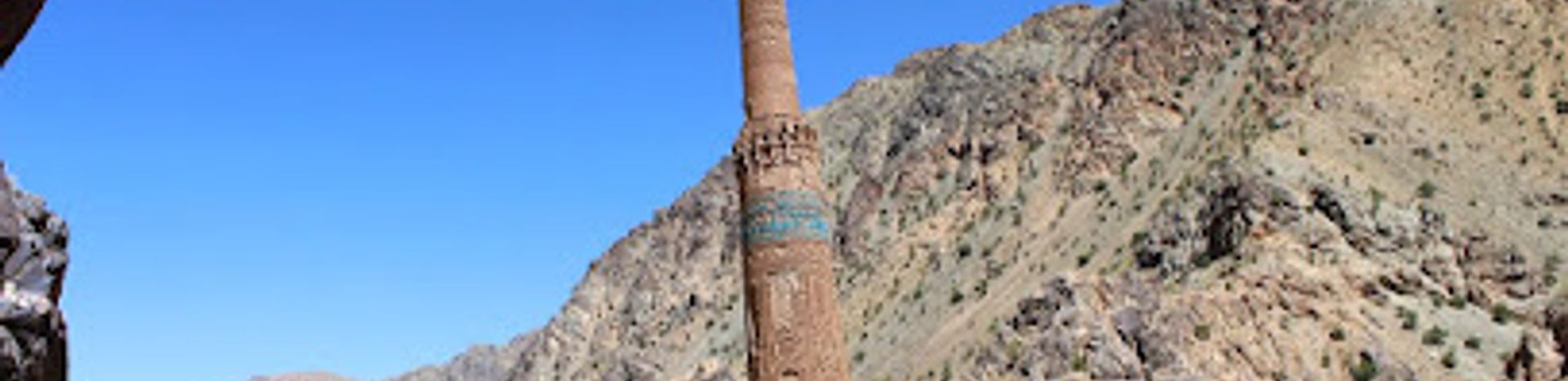
Minaret of Jam: A Ghurid Dynasty Masterpiece
Discover the Minaret of Jam, a UNESCO World Heritage Site and a masterpiece of Ghurid architecture, hidden in the remote mountains of Afghanistan.
The Minaret of Jam, a UNESCO World Heritage Site in a remote region of Afghanistan, is a towering 65-meter structure dating back to the 12th century [3, 6]. Adorned with intricate brickwork, Kufic and Naskhi calligraphy, and geometric patterns, it stands as a testament to the Ghurid dynasty's architectural and artistic prowess [6].
A brief summary to Minaret of Jam
- 9GW8+H69, Dżam, AF
- +989036822392
- Monday 12 am-12 am
- Tuesday 12 am-12 am
- Wednesday 12 am-12 am
- Thursday 12 am-12 am
- Friday 12 am-12 am
- Saturday 12 am-12 am
- Sunday 12 am-12 am
Local tips
- The journey to the Minaret of Jam is challenging, requiring a 4x4 vehicle and an experienced driver.
- Bring sufficient fuel and supplies, as there are limited services available along the route.
- Check the weather conditions and road accessibility before planning your trip, as the area can be impassable during winter and spring.
- Obtain the necessary permits from Kabul before traveling to the Ghor province [5].
- Respect local customs and traditions, and dress modestly.

Getting There
-
Road Travel
The final approach to the Minaret of Jam typically involves a challenging journey from Chagcharan, the capital of Ghor province [16]. A 4x4 vehicle is essential due to the poor road conditions [4, 16]. From Chagcharan, head towards the Minaret, a journey of approximately 120km that can take 5-7 hours [16]. Ensure you have sufficient fuel, as there are no established petrol stations along the way [16]. The route follows the Hari River valley for a significant portion [16]. As you approach the Minaret, you'll pass through small villages [16]. Hiring a 4x4 with a driver will cost approximately $100-$150 USD per day [16]. There isn't any direct transportation to the minaret but there are daily minibuses going to Herat (20 hours), so you'll have to pay for the whole ride to Herat and get off at the Jam intersection [5]. Very rough road and extremely tiny minibus with no space four heads and legs – we had the back seats. The Minaret of Jam is a 10-minute walk from the intersection [5].
-
Motorbike Taxi
For a more adventurous final leg, consider hiring a motorbike taxi from a village closer to the Minaret, such as Garmao [16]. This option is only suitable for those comfortable with off-road travel [16]. From Garmao, negotiate a fare with a local motorbike driver (approximately 400-600 Afghanis) [16]. Note: This option requires good negotiation skills and a sense of adventure.
Discover more about Minaret of Jam
Iconic landmarks you can’t miss

Archah Yak
57.3 km
Experience the breathtaking beauty of Archah Yak Mountain Peak, a hidden gem in Afghanistan known for stunning landscapes and adventure opportunities.

Darah-ye Gulchin
96.8 km
Discover the serene beauty and cultural richness of Darah-ye Gulchin, a hidden ravine in Afghanistan perfect for nature and adventure enthusiasts.
Unmissable attractions to see

Band-e Sabz
54.7 km
Discover the breathtaking beauty of Band-e Sabz, a majestic mountain peak in Afghanistan, perfect for nature lovers and adventurers seeking tranquility.
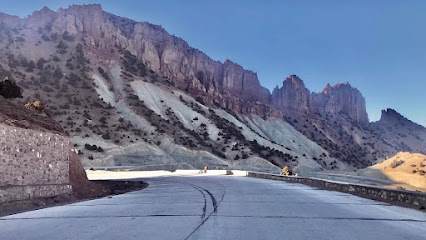
Silsilah-ye Safēd Kōh
69.6 km
Discover the majestic Silsilah-ye Safēd Kōh in Afghanistan: a stunning mountain range offering breathtaking landscapes and rich cultural experiences.
Asprah
97.0 km
Discover Asprah, Afghanistan: Awe-inspiring mountain views, cultural immersion, and unforgettable adventures await in the heart of the Afghan wilderness.
Markets, malls and hidden boutiques

Asia Tailor
67.6 km
Discover the art of Afghan tailoring at Asia Tailor in Chagcharan, where tradition meets contemporary style for a unique shopping experience.

فروشگاه جان محمد حیدری Haidari shopping mall
69.2 km
Explore Haidari Shopping Mall in Chagcharan for an authentic shopping experience showcasing local culture and diverse products.
Multi store
80.9 km
Explore a treasure trove of home goods near Masjid Shareef in Nowshera, embracing local craftsmanship and cultural heritage.
Essential bars & hidden hideouts

هتل و مسافر خانه دره تخت
42.5 km
Savor the rich flavors of Afghan cuisine at هتل و مسافر خانه دره تخت, a cozy restaurant in Derreh-Ye Takht, perfect for an authentic dining experience.
رستورانت دارچینDarchin restaurant
69.1 km
Experience the authentic taste of Afghanistan at Darchin Restaurant, where fast food meets local flavors in Chagcharan.
Ghor Chaqhcharan Barg Restaurant
69.9 km
Discover the rich flavors of traditional Afghan cuisine at Ghor Chaqhcharan Barg Restaurant in Chagcharan, a must-visit culinary destination.
Pushtah-ye Lākh Bār
84.9 km
Discover the awe-inspiring beauty of Pushtah-ye Lākh Bār, a breathtaking mountain peak in Afghanistan that offers thrilling adventures and stunning views.
Ristorante Dagli Sbusbiani
99.1 km
Experience authentic Afghan cuisine at Ristorante Dagli Sbusbiani, where local flavors and warm hospitality unite in Dehe Qadzi.


