

Free Wardak Travel Guide & Mobile App
Explore Wardak with free travel guides. Discover regional history, expert tips, proposed trips, and audio guides on web or mobile app.


Wardak, Afghanistan, links Kabul with rugged valleys, orchard country and central highlands, though serious security risks make tourism unsuitable.
Read more about Wardak
When is the best time to visit Wardak?
Best: June, August–September · 23–28°C| Month | High (°C) | Rainfall (mm) |
|---|---|---|
| January | 3 | 51 |
| February | 5 | 44 |
| March | 10 | 56 |
| April | 16 | 41 |
| May | 21 | 21 |
| June (best) | 26 | 6 |
| July | 29 | 3 |
| August (best) | 28 | 1 |
| September (best) | 23 | 3 |
| October | 16 | 11 |
| November | 9 | 20 |
| December | 4 | 36 |
Getting to and around Wardak
How to get there
Transportation
Top city travel guides in Wardak
The cities of Wardak, and the easiest places to base yourself.

Swipe for more cities
Best attractions in Wardak
Wardak does not currently offer a conventional attraction circuit, and serious security risks make recreational touring inappropriate for most international visitors. Its principal points of interest are geographical and cultural: the transition from Kabul's wider basin into mountain valleys, the cultivated corridors around settlements, orchard country, high uplands and the historic passageways leading towards central Afghanistan. Maidan Shar provides the province's main administrative focus, while rural districts reveal dispersed compounds, irrigation channels, village mosques and patterns of farming shaped by altitude and water availability. Parts of Behsud are known for more elevated landscapes and Hazara cultural associations, though access is difficult and conditions vary sharply by season. Visitors interested in Afghanistan's environment may find the contrast between cultivated valleys and dry, rugged slopes informative, but there is little developed interpretation, signage or formal tourism infrastructure. Wildlife viewing, hiking and photography should not be assumed to be safe or officially supported, particularly away from established roads. Any essential visit would require current local security intelligence, permission where appropriate and professional arrangements rather than an independent sightseeing itinerary.
-
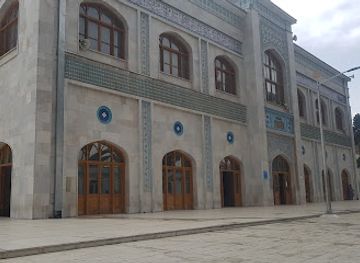
Pul-e Kheshti Mosque
Kabul's largest mosque, featuring a stunning blue dome and intricate Afghan craftsmanship, serving as a vital center for worship and community.
-
The National Museum of Afghanistan
Discover millennia of Afghan history and cultural heritage at the National Museum of Afghanistan, a symbol of resilience and a treasure trove of ancient artifacts.
-
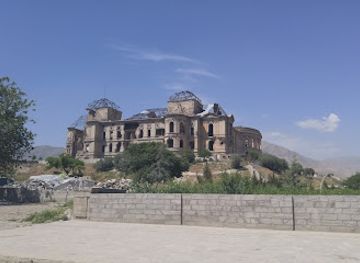
عمارت باغ بالا Baghe Bala Building and pool
Explore Kabul's historic Baghe Bala: a royal palace turned public park with stunning views and tranquil gardens.
-
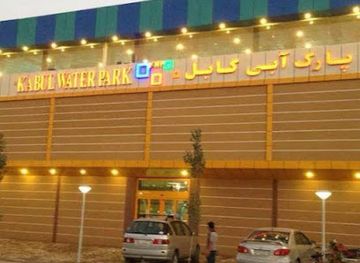
Kabul Water Park
Experience thrilling water slides and refreshing pools at Kabul Water Park, a family-friendly oasis in the heart of Kabul.
Best landmarks in Wardak
Wardak's most meaningful landmarks are its mountain corridors, cultivated valleys and settlements rather than a well-preserved group of monumental buildings. The approaches west of Kabul illustrate the province's strategic role as a route into central Afghanistan, while the valleys around Maidan Shar show how irrigation and orchards support communities in a relatively dry environment. Higher landscapes in the Behsud area provide a marked geographical contrast, with broad uplands and mountain routes shaped by harsh winters and limited infrastructure. Village mosques, fortified compounds, old road alignments and agricultural terraces may carry local historical significance, but many are not formally conserved or interpreted for visitors. Because conflict, limited documentation and changing access affect the condition and identification of historic sites, travellers should not treat unverified online locations as established landmarks. Photography and access require permission, and reaching remote places may involve serious security and unexploded-ordnance risks.
-
Historical place
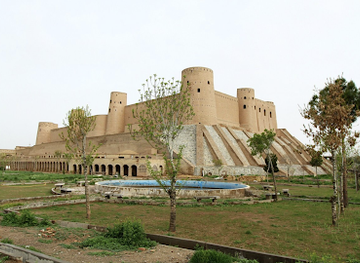
Herat Citadel
Explore the ancient Herat Citadel, a majestic fortress with roots in Alexander the Great's era, offering a glimpse into Afghanistan's rich history.
-
Park
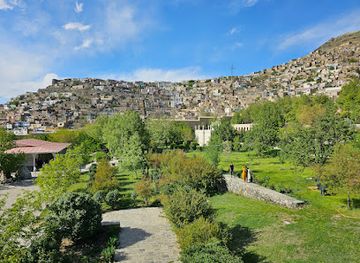
Babur Garden
Explore Kabul's Mughal heritage at Babur Garden, a serene terraced oasis and the final resting place of Emperor Babur.
-
National park
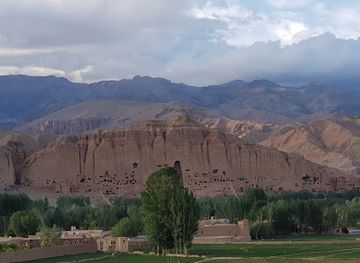
Band-e-Amir National Park
Discover Afghanistan's first national park, a breathtaking landscape of turquoise lakes and dramatic canyons, offering a unique blend of natural beauty, cultural significance, and serene escape.
-
Mosque
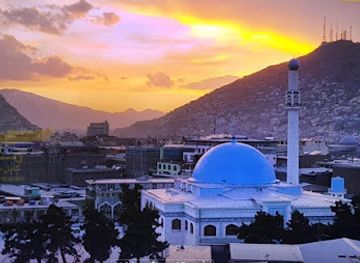
Pul-e Kheshti Mosque
Kabul's largest mosque, Pul-e Kheshti, a vibrant center of worship and community, showcases stunning Afghan artistry and resilience.
Explore Wardak on the map
Plan your trip on one map. See where the top cities, national parks and sights are, and book hotels and experiences in a few clicks.
Best hotels in Wardak
Best restaurants in Wardak
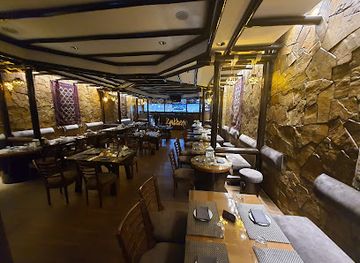
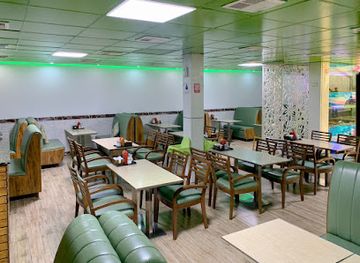
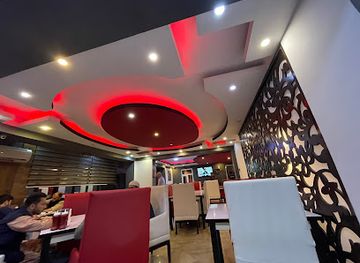
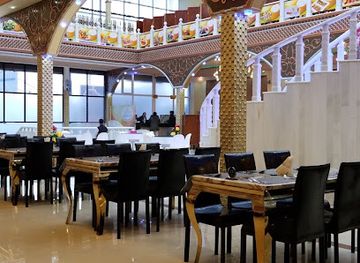
Wardak has no developed international visitor dining scene. Food is generally encountered in private homes, local eateries, roadside tea settings and simple establishments in larger settlements, with menus shaped by Afghan staples rather than regional restaurant branding. Rice dishes, naan, soups, dumplings, grilled meats, legumes, yoghurt and seasonal vegetables are common across Afghanistan, while local agriculture contributes orchard fruits such as apples, grapes and apricots where conditions permit. Green or black tea is an important part of hospitality, and meals may be shared communally. Availability, hygiene standards and supply can vary considerably outside Maidan Shar, so visitors undertaking essential travel should make reliable food and water arrangements rather than depending on finding restaurants en route. Alcohol is prohibited under Afghanistan's legal and religious framework, and public behaviour should respect local expectations. Claims about particular dishes being exclusive to Wardak are best avoided, since many foods belong to wider Afghan culinary traditions.
-
Bukhara Restaurant
Discover the authentic taste of Afghanistan at Bukhara Restaurant in Kabul – where every dish tells a story.
-
Restaurant
Yummy Fast Food
Experience the fusion of Afghan flavors and classic fast food at Yummy Fast Food in Kabul - where every bite is a delight!
-
Mr.cook fast food
Experience delicious fast food and warm Afghan hospitality at Mr. Cook Fast Food in Kabul – perfect for every traveler.
-
Restaurant
Qasr Suliman Restaurant
Experience authentic Afghan cuisine at Qasr Suliman Restaurant in Kabul – a culinary haven with rich flavors and warm hospitality.
Best bars in Wardak
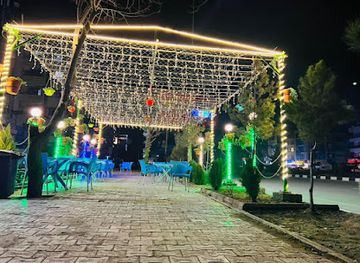
Wardak has no conventional bar or nightclub culture for visitors. Alcohol is prohibited under Afghanistan's legal and religious framework, and evening social life is more likely to centre on family gatherings, tea, local restaurants, community settings and religious or cultural occasions than commercial nightlife. In larger settlements, men may gather in tea houses or simple eateries, but these are local social spaces rather than tourist venues, and women and men may experience public spaces differently according to local custom. There is little reliable information about entertainment venues, opening arrangements or live events, while security restrictions can limit movement after dark. International visitors should not seek nightlife as an activity in Wardak and should avoid behaviour, photography or gatherings that could attract unwanted attention.
-
Steak
حمام حاجي مير احمد
Discover the serene beauty of حمام حاجي مير احمد, a traditional bathhouse in Kabul that offers a unique glimpse into Afghan culture and relaxation.
-
Maidan Wardak Restaurant
Discover the authentic taste of Afghanistan at Maidan Wardak Restaurant, a culinary haven in Maidan Shahr, serving traditional dishes with warm hospitality.
-
Pol E Campany
Discover the vibrant local nightlife at Pol E Campany, a cozy bar in Kabul's Dasht-e-Barchi, perfect for relaxation and mingling.
-
Steak
دهانه سیاه سنگ
Discover the authentic flavors of Afghanistan at دهانه سیاه سنگ, a delightful restaurant in Zarkharid offering traditional dishes in a warm setting.
Best nightclubs in Wardak
Wardak has no conventional bar or nightclub culture for visitors. Alcohol is prohibited under Afghanistan's legal and religious framework, and evening social life is more likely to centre on family gatherings, tea, local restaurants, community settings and religious or cultural occasions than commercial nightlife. In larger settlements, men may gather in tea houses or simple eateries, but these are local social spaces rather than tourist venues, and women and men may experience public spaces differently according to local custom. There is little reliable information about entertainment venues, opening arrangements or live events, while security restrictions can limit movement after dark. International visitors should not seek nightlife as an activity in Wardak and should avoid behaviour, photography or gatherings that could attract unwanted attention.
-
حمام حاجي مير احمد
Discover the unique charm of حمام حاجي مير احمد, a cultural bar in Kabul, offering traditional flavors and a cozy atmosphere.
-
Rokhan Sport House and Tikwando Club
Experience the vibrant sports culture at Rokhan Sport House and Taekwondo Club in Jalalabad, where martial arts meet socializing.
-
Refuel Juice Bar
Discover the refreshing flavors of Kabul at Refuel Juice Bar, where health meets taste in a vibrant setting.
-
Pol E Campany
Discover the lively ambiance and diverse drink selection at Pol E Campany, a must-visit bar in Kabul for tourists seeking relaxation and social fun.


Best shops in Wardak
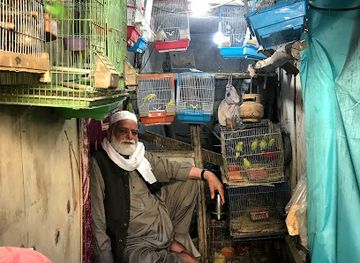
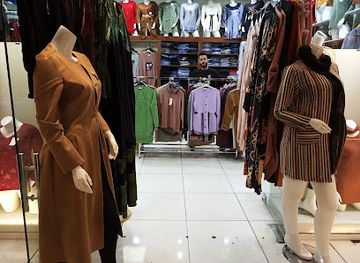
Shopping in Wardak is primarily practical and local rather than tourism-oriented. Small bazaars and shops in larger settlements supply food, clothing, household goods, tools and farm equipment, while rural trading points reflect the needs of agricultural communities. Orchard produce, dried fruit, nuts and locally made foods may be available seasonally, although supply and quality vary and travellers should not assume that a formal craft market exists. Traditional Afghan textiles, embroidery, carpets and handicrafts can be encountered through wider Afghan trading networks, but their origin should be confirmed rather than automatically attributed to Wardak. Cash in Afghan afghanis is essential, as card payments and reliable electronic transactions should not be expected. Visitors should avoid photographing bazaars or vendors without permission, bargain discreetly if appropriate and remember that commercial activity may be affected by security restrictions, border closures and changes in local regulation.
-
Kabul City Center
Explore the vibrant Kabul City Center, a premier shopping destination blending local culture with a modern retail experience in the heart of Afghanistan.
-
Park Mall
Discover Kabul's vibrant shopping scene at Park Mall, featuring local and international stores, diverse dining, and family-friendly entertainment.
-
Rishad Shopping Mall
Explore Rishad Shopping Mall in Kabul for an authentic taste of local culture and a diverse selection of products, perfect for every traveler.
-
Dunya Boutique
Discover the essence of Afghan fashion at Dunya Boutique, where tradition meets modernity in the heart of Kabul.

Get your free copy of our complete guide to Wardak, delivered straight to you.
Everything on this page, from attractions and restaurants to essentials and local phrases, in one PDF you can read offline, print or share.
Already have an account? Sign in
Your Wardak guide is ready.
We'll send it to · Not you? Sign out

Getting your guide ready…
We are putting together a fresh copy of the Wardak guide. This can take up to a minute.
This can take a few moments. If your browser asks, choose Allow so the download can start. You'll find the guide in your Downloads folder.
Nothing happened? Download it again
Sorry, the guide is taking longer than usual. Please try again in a minute, or get it by email instead.
Wardak essentials
Currency and Payment
Safety
Emergency Situations
Do's and Don'ts
Local Tips
From Eve
Local phrases worth knowing
You don't need to get them perfect. A few words go a long way, and locals appreciate the effort.
Basics
| English | Local | Say it |
|---|---|---|
| Hello | سلام | [Salam] |
| Goodbye | خداحافظ | [Khodahafez] |
| Yes | بله | [Bale] |
| No | نه | [Na] |
| Please/You're welcome | لطفا | [Lotfan] |
| Thank you | تشکر | [Tashakor] |
| Excuse me/Sorry | ببخشید | [Bebakhshid] |
| How are you? | چطور هستید؟ | [Chetor hastid?] |
| Fine. And you? | خوب هستم. شما چطورید؟ | [Khob hastam. Shoma chetorid?] |
| Do you speak English? | آیا انگلیسی صحبت میکنید؟ | [Aya Engilisi sohbat mikonid?] |
| I don't understand | متوجه نمیشوم | [Motavajeh nemishavam] |
Eating & Drinking
| English | Local | Say it |
|---|---|---|
| I'd like to see the menu, please | لطفا منو را نشان بدهید | [Lotfan menu ra neshan bedahid] |
| I don't eat meat | من گوشت نمیخورم | [Man gusht nemikhoram] |
| Cheers! | به سلامتی! | [Be salamati!] |
| I would like to pay, please | لطفا میخواهم پرداخت کنم | [Lotfan mikhaaham pardakht konam] |
Emergencies
| English | Local | Say it |
|---|---|---|
| Help! | کمک! | [Komak!] |
| Go away! | برگردید! | [Bargardid!] |
| Call the Police! | پلیس را تماس بگیرید! | [Polis ra tamas begirid!] |
| Call a doctor! | یک دکتر را تماس بگیرید! | [Yek doktor ra tamas begirid!] |
| I'm lost | گم شدهام | [Gom shode-am] |
| I'm ill | بیمار هستم | [Bimar hastam] |
Shopping
| English | Local | Say it |
|---|---|---|
| I'd like to buy... | میخواهم بخرم... | [Mikhaaham bekharam...] |
| I'm just looking | فقط دارم نگاه میکنم | [Faghat daram negah mikonam] |
| How much is it? | قیمتش چقدر است؟ | [Gheymatash chande ast?] |
| That's too expensive | این خیلی گران است | [In khyli geran ast] |
| Can you lower the price? | میتوانید قیمت را کاهش دهید؟ | [Mitavanid gheymat ra kahesh dahid?] |
Time & Numbers
| English | Local | Say it |
|---|---|---|
| What time is it? | ساعت چند است؟ | [Saat chand ast?] |
| It's one o'clock | ساعت یک است | [Saat yek ast] |
| Half past (10) | نیم ساعت (۱۰) | [Nim saat (10)] |
| Morning | صبح | [Sobh] |
| Afternoon | بعد از ظهر | [Bad az zohr] |
| Evening | عصر | [Asr] |
| Yesterday | دیروز | [Dirooz] |
| Today | امروز | [Emrooz] |
| Tomorrow | فردا | [Farda] |
| 1 | ۱ | [Yek] |
| 2 | ۲ | [Do] |
| 3 | ۳ | [Se] |
| 4 | ۴ | [Char] |
| 5 | ۵ | [Panj] |
| 6 | ۶ | [Shesh] |
| 7 | ۷ | [Haft] |
| 8 | ۸ | [Hasht] |
| 9 | ۹ | [Noh] |
| 10 | ۱۰ | [Dah] |
Transport & Directions
| English | Local | Say it |
|---|---|---|
| Where's a/the...? | کجا یک ... است؟ | [Koja yek ... ast?] |
| What's the address? | آدرس چیست؟ | [Adres chist?] |
| Can you show me (on the map)? | میتوانید به من نشان دهید (در نقشه)؟ | [Mitavanid be man neshan dahid (dar naqsha)?] |
| When's the next (bus)? | کی بعدی (اتوبوس) است؟ | [Ki ba'di (otobus) ast?] |
| A ticket (to ....) | یک بلیط (به ....) | [Yek belit (be ....)] |
History of Wardak
Ancient Crossroads of Central Afghanistan
Wardak occupies a corridor between Kabul and the central highlands, a geography that has given it strategic importance since antiquity. Movement through its valleys and passes linked the Kabul basin with routes towards Bamyan, Ghazni and wider regions of the Iranian plateau and Central Asia. Archaeological knowledge of the province is more limited in international tourism than that of nearby Bamyan, but settlement patterns, burial grounds, old routes and agricultural valleys point to long continuity of human occupation. Much of the historical record has also been affected by difficult access, conflict and limited archaeological documentation.
Islamisation and Medieval Route Networks
From the early Islamic centuries, political authority in the wider Kabul and central Afghan region shifted between local rulers and larger dynasties based in eastern Iran, Central Asia and northern India. Wardak's importance lay chiefly in its passageways and defensible valleys rather than in a single dominant medieval capital. Administrative control was often uneven, while local communities retained considerable influence over land, water and movement. The spread of Islam gradually reshaped religious institutions, burial practices and social organisation, leaving a legacy visible in village mosques, shrines and customary patterns of community life.
Mughal and Afghan Imperial Rivalries
The central Afghan corridor was affected by competition among the Mughals, Safavids and Afghan powers during the early modern period. Kabul and Ghazni were important regional centres, and the routes through Wardak could become strategically significant whenever rulers sought to move troops between them. Later Afghan state-building brought more sustained attempts to administer the province from Kabul, though authority remained mediated by tribal, village and religious leaders. The province's modern identity therefore reflects both incorporation into Afghanistan's central state and the persistence of strong local structures.
The First Anglo-Afghan War and the Kabul Road
During the First Anglo-Afghan War of 1839–1842, British Indian forces and their allies operated through the Kabul region amid fierce resistance and unstable political alliances. The approaches west and south-west of Kabul, including routes associated with present-day Wardak, formed part of the wider military geography of the conflict. The disastrous retreat from Kabul in 1842 demonstrated how vulnerable an army could become in Afghanistan's mountain corridors. Although not every engagement occurred within modern Wardak's boundaries, the province lay within the contested landscape that shaped British strategic thinking about Afghanistan.
War, State Expansion and the Twentieth Century
In the twentieth century, Wardak was increasingly connected to Kabul through roads, government administration and national development programmes, while agriculture remained central to everyday life. The 1978 communist coup, the Soviet intervention beginning in 1979 and the subsequent resistance transformed the province. Fighting, displacement, damaged infrastructure and disrupted farming affected communities across the central Afghan belt. The civil war that followed the Soviet withdrawal, and the rise of the Taliban in the 1990s, further militarised roads and local politics.
Post-2001 Conflict and Continuing Insecurity
After the fall of the first Taliban government in 2001, Wardak became an important security zone because of its proximity to Kabul and its roads towards central Afghanistan. Insurgency, counter-insurgency operations, air strikes, checkpoints and contested local governance affected civilian life and movement. The international military withdrawal and the Taliban's return to national power in 2021 changed the pattern of authority but did not remove the wider security, economic and humanitarian pressures. For visitors, this recent history explains why ordinary tourism infrastructure is limited and why travel conditions remain highly unpredictable.
Wardak in Photos
Browse through our photo collection highlighting the charm and character of the destination.
Neighbouring regions of Wardak
The closest regions to Wardak, if you have time for more than one.
-

-

-

-

-


Swipe for more regions
Explore more

Explore more of Afghanistan
Discover Afghanistan's rich history, stunning landscapes, and diverse cultures. From ancient cities to breathtaking nature, this Central Asian gem offers a unique travel experience.
Explore Afghanistan