
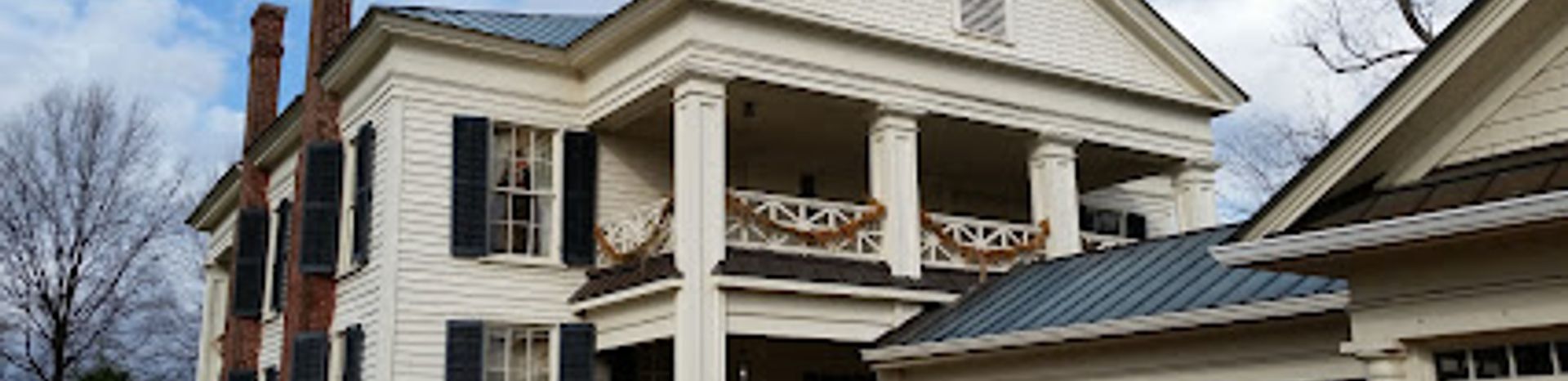
Arlington Antebellum Home & Gardens: A Glimpse into Birmingham's Past
Discover Birmingham's only antebellum mansion, a beautifully preserved house museum and gardens offering a glimpse into 19th-century life and Southern history.
Arlington Antebellum Home & Gardens, nestled in the Arlington-West End neighborhood of Birmingham, Alabama, stands as a remarkable testament to the city's rich and complex history. This stately Greek Revival mansion, the only antebellum home remaining in Birmingham, offers visitors a captivating journey back to the 19th century. More than just a beautiful house, Arlington is a living museum, a place where stories of the past come alive through its architecture, furnishings, and the very air that surrounds it. The story of Arlington begins in 1822 when Stephen Hall, a trustee of the Jefferson Academy, acquired 475 acres of land and built a modest log house. In 1842, Judge William S. Mudd, one of the founders of Birmingham, purchased the property and transformed it into a grand eight-room mansion, which he named "The Grove." Mudd, his wife Florence Earle, and their nine children lived here, surrounded by lush gardens and the trappings of a prosperous Southern life. During the Civil War, the house served briefly as headquarters for General James H. Wilson, who planned his raid to destroy Confederate factories in Selma. Over the years, Arlington passed through several hands, each leaving their mark on the property. In 1902, Robert S. Munger, a wealthy cotton gin manufacturer, purchased the home and made extensive renovations, adding modern amenities such as indoor plumbing, electricity, and central heat. It was Munger who renamed the house "Arlington," reportedly in honor of Arlington House in Virginia, the home of Robert E. Lee. Munger's daughter, Ruby, and her husband, Alex Montgomery, lived in the house for nearly three decades before it was eventually sold to the City of Birmingham in 1953. Today, Arlington Antebellum Home & Gardens is owned by the City of Birmingham and managed by the Arlington Historical Association. The house has been meticulously restored and furnished with a collection of 19th-century decorative arts, including furniture, textiles, silver, and paintings. Visitors can explore the elegant rooms, each telling a story of the families who lived here and the events that shaped their lives. Knowledgeable guides lead tours, sharing fascinating anecdotes and historical insights. The six acres of landscaped gardens surrounding the house provide a tranquil oasis in the heart of the city. Visitors can stroll through the grounds, admiring the fragrant blooms, lush greenery, and the restored garden room, which is used for special events. The gardens offer a peaceful respite, a place to reflect on the beauty and serenity of nature. Arlington is more than just a historic house museum; it is a center for historical, cultural, and civic activities. The site hosts a variety of events throughout the year, including weddings, lectures, and seasonal festivals. These events provide opportunities for the community to come together and celebrate the rich heritage of Birmingham. Visiting Arlington is an immersive experience that engages all the senses. The grandeur of the architecture, the beauty of the gardens, and the stories of the past combine to create a truly unforgettable experience. It is a place to learn, to reflect, and to connect with the history of Birmingham and the South. Arlington stands as a reminder of the complexities of Southern history, including the legacy of slavery and its impact on the lives of countless individuals. The site strives to present a balanced and nuanced interpretation of the past, acknowledging the injustices of slavery while also celebrating the resilience and contributions of African Americans. By engaging with this history, visitors can gain a deeper understanding of the challenges and triumphs of the past and work towards a more just and equitable future. Whether you are a history enthusiast, a garden lover, or simply seeking a peaceful escape, Arlington Antebellum Home & Gardens offers a unique and enriching experience. It is a place where the past comes alive, where beauty and history intertwine, and where visitors can connect with the stories that have shaped Birmingham and the South. A visit to Arlington is an opportunity to step back in time, to reflect on the past, and to appreciate the enduring legacy of this remarkable place. Arlington Antebellum Home & Gardens is a treasure trove of history, architecture, and natural beauty. It is a place where visitors can connect with the past, appreciate the present, and look forward to a future where the lessons of history inform a more just and equitable world. Don't miss the opportunity to explore this remarkable site and discover the stories that make Arlington a truly special place.
Local tips
- Check the Arlington Antebellum Home & Gardens website for special events, seasonal festivals, and holiday closures before planning your visit.
- Allow at least 2-3 hours to fully explore the house, gardens, and exhibits.
- Personal photography is allowed, but flash photography is prohibited inside the house to protect the delicate artifacts.

A brief summary to Arlington Antebellum Home & Gardens
- 331 Cotton Ave SW, Birmingham, Arlington - West End, Alabama, 35211, US
- +1205-780-5656
Getting There
-
Driving
If driving from downtown Birmingham, head west on I-20/I-59. Take exit 123 for Arkadelphia Road. Turn right onto Arkadelphia Road, then turn right onto Cotton Avenue SW. Arlington will be on your left. Limited free parking is available on-site.
-
Public Transport
From the Birmingham-Jefferson County Transit Authority (BJCTA) Central Station, take the MAX bus Route 3 towards Jefferson/Wenonah. Get off at the corner of Cotton Ave SW and 31st Street N. Walk west on Cotton Ave SW for about 0.2 miles. Arlington Antebellum Home & Gardens will be on your right. A one-way bus fare is $1.50.
-
Taxi/Ride-Share
A taxi or ride-share from downtown Birmingham to Arlington Antebellum Home & Gardens will typically cost between $10 and $15, depending on traffic and surge pricing.


