

Free Cumberland Plateau Travel Guide & Mobile App
Explore Cumberland Plateau with free travel guides. Discover regional history, expert tips, proposed trips, and audio guides on web or mobile app.


Explore Alabama’s Cumberland Plateau for sandstone gorges, waterfalls, caves, Cherokee heritage, mountain towns and scenic outdoor adventures.
Read more about Cumberland Plateau
Getting to and around Cumberland Plateau
How to get there
Transportation
Top city travel guides in Cumberland Plateau
The cities of Cumberland Plateau, and the easiest places to base yourself.
-

-

-

-


Swipe for more cities
Destinations in Cumberland Plateau
Resorts, valleys and scenic spots worth a trip of their own.
-

-

-

-

-

-


Swipe for more destinations
Best attractions in Cumberland Plateau
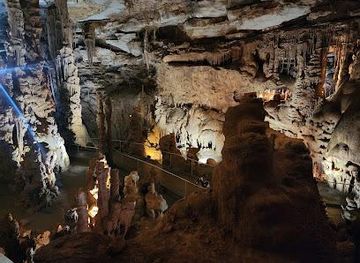
The Cumberland Plateau’s attractions are led by geology and the outdoor landscape. Little River Canyon National Preserve offers rim viewpoints, wooded walks and access to one of Alabama’s most dramatic gorges, while DeSoto State Park combines waterfalls, streams, forest trails and recreational facilities on Lookout Mountain. Cathedral Caverns State Park presents a contrasting underground environment, with a large cave system interpreted through guided access and park trails. Buck’s Pocket State Park provides quieter ridge scenery above the Tennessee River valley. Around Fort Payne and Scottsboro, museums, historic buildings and local cultural institutions add human context to the landscape. The region also supports hiking, birdwatching, climbing, paddling and photography, although conditions vary by season and rainfall. Rather than a concentrated chain of attractions, it is a collection of protected natural areas, small-town heritage sites and scenic roads that reward a carefully planned route.
-
State park
Cathedral Caverns State Park
Explore the depths of Cathedral Caverns State Park in Alabama, home to colossal stalagmites and stunning geological formations.
-
Park
Madison County Nature Trail
Discover a peaceful escape at Madison County Nature Trail: Hike around Sky Lake, explore a covered bridge and historic cabin, and immerse yourself in Green Mountain's beauty.
-
Tourist attraction
J.D. & Annie S. Hays Nature Preserve
Explore Alabama's natural beauty: hiking, wildlife, and educational programs await at Hays Nature Preserve in Owens Cross Roads.
-
Horseshoe Bend National Military Park
Explore the site of the pivotal Battle of Horseshoe Bend, where the Creek War ended and American expansion changed the landscape of Alabama.
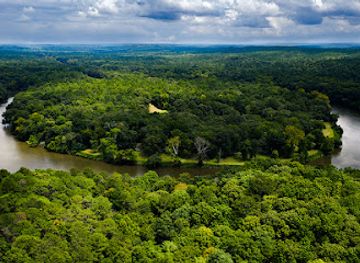
Best landmarks in Cumberland Plateau
Little River Canyon is the Cumberland Plateau’s most recognisable natural landmark, its deep sandstone gorge and cliff-lined river channel revealing the long erosion of the upland. The canyon overlooks near Fort Payne provide changing views across forested ridges, while the preserve’s protected status reflects both its geological value and ecological importance. DeSoto Falls, within DeSoto State Park, is another prominent feature, where water drops over the plateau’s rock layers amid a wooded setting. The sandstone escarpments and high ridges around Mentone and Lookout Mountain define the region’s visual character, even where no single structure dominates the view. Cathedral Caverns is a landmark of a different kind: its spacious underground chambers demonstrate the limestone geology beneath the plateau margins. Historic Fort Payne buildings and the town’s civic streetscape provide a human landmark, linking the present-day regional centre with its nineteenth-century development.
-
Tourist attraction
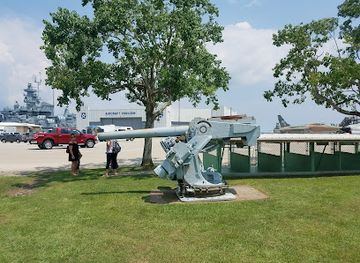
USS ALABAMA Battleship Memorial Park
Explore the USS Alabama & USS Drum, National Historic Landmarks, and honor the US Armed Forces at this Mobile Bay memorial park.
-
Historical landmark
Fort Morgan State Historic Site
Explore a historic military fort on the Alabama Gulf Coast, offering a glimpse into the past and stunning views of Mobile Bay.
-
National reserve
Cumberland Gap National Historical Park
Hike through history where Kentucky, Tennessee, and Virginia converge, exploring the natural gateway that shaped America's westward expansion.
-
State park
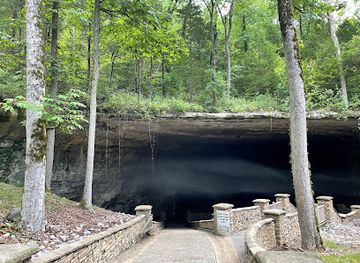
Cathedral Caverns State Park
Discover Alabama's 'Coolest' Underground Adventure: Explore massive caverns, stunning formations, and scenic hiking trails at Cathedral Caverns State Park.

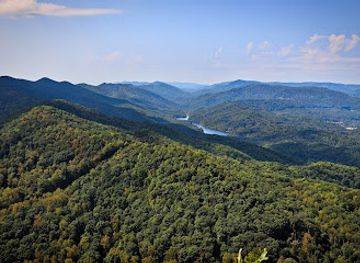
Explore Cumberland Plateau on the map
Plan your trip on one map. See where the top cities, national parks and sights are, and book hotels and experiences in a few clicks.
Best hotels in Cumberland Plateau
Best restaurants in Cumberland Plateau
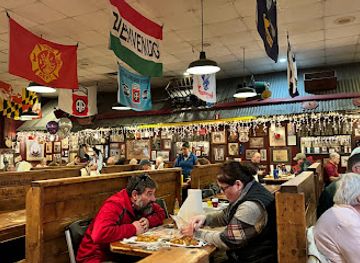
Dining across the plateau is rooted in the broader Southern food tradition, with barbecue, fried chicken, catfish, burgers, biscuits, beans and seasonal vegetables common in family restaurants, cafés and informal local establishments. Fort Payne and Scottsboro offer the widest choice, while smaller communities tend towards country cooking, diners and roadside stops. The region’s farms and forests influence the seasonal character of menus, although particular dishes are generally part of Alabama or the wider American South rather than exclusive inventions of the plateau. Visitors can expect sweet tea, pecan-based desserts and baked goods alongside contemporary interpretations of Southern ingredients. Farmers’ markets and local produce stands may provide fruit, vegetables, jams and other provisions when operating seasonally. Rural inns and independent restaurants can be useful places to sample local hospitality without expecting a formal regional cuisine in the European sense.
-
Southern
Lambert's Cafe
Experience authentic Southern hospitality at Lambert's Cafe in Foley, AL - home of the famous throwed rolls and hearty comfort food.
-
Seafood
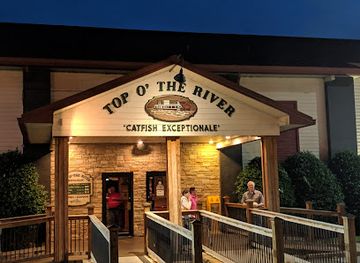
Top O' The River
Experience delectable seafood dishes with stunning lake views at Top O' The River in Guntersville, Alabama.
-
Seafood
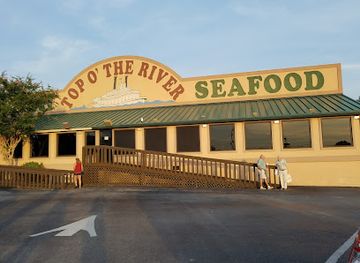
Top O' the River
Experience exquisite seafood dining at Top O' the River in Gadsden, Alabama – where flavor meets stunning riverside views.
-
Restaurant
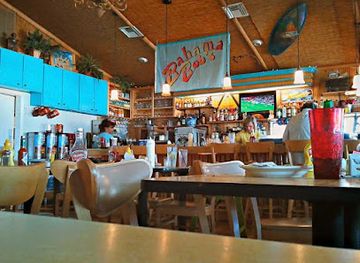
Bahama Bob's Beach Side Cafe
Discover Bahama Bob's Beach Side Cafe – where fresh seafood meets stunning coastal views in Gulf Shores.
Best bars in Cumberland Plateau
Evenings on the Cumberland Plateau are generally low-key, with traditional pubs, casual bars, restaurants and small-town gathering places more prominent than large nightclub districts. Fort Payne and Scottsboro have the broadest selection of places for an evening meal or drink, while smaller communities often wind down early. Live music and community events may appear in local venues, but schedules are changeable and should be checked locally. Breweries and craft-drink culture are present within the wider Alabama scene, though the plateau is not primarily a brewery destination. Many visitors structure evenings around sunset viewpoints, a restaurant or a relaxed local bar rather than late-night entertainment. Responsible drinking and a pre-arranged drive are particularly important because rural roads can be dark, winding and sparsely served by taxis or public transport.
-
Cocktail bar
Bootleggers lounge LLC
Experience the vibrant nightlife at Bootleggers Lounge in Riverside, Alabama, where craft cocktails meet live music for an unforgettable evening.
-
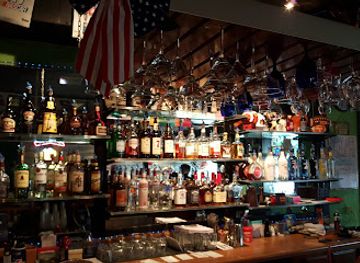
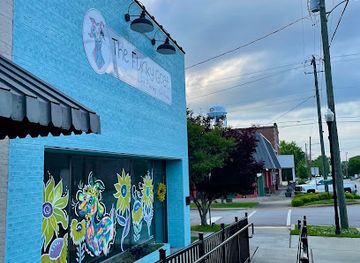
Bar
The Funky Goat
Discover the vibrant nightlife at The Funky Goat, a beloved bar in Dadeville, Alabama, offering craft drinks and live music in a cozy setting.
Best nightclubs in Cumberland Plateau
Evenings on the Cumberland Plateau are generally low-key, with traditional pubs, casual bars, restaurants and small-town gathering places more prominent than large nightclub districts. Fort Payne and Scottsboro have the broadest selection of places for an evening meal or drink, while smaller communities often wind down early. Live music and community events may appear in local venues, but schedules are changeable and should be checked locally. Breweries and craft-drink culture are present within the wider Alabama scene, though the plateau is not primarily a brewery destination. Many visitors structure evenings around sunset viewpoints, a restaurant or a relaxed local bar rather than late-night entertainment. Responsible drinking and a pre-arranged drive are particularly important because rural roads can be dark, winding and sparsely served by taxis or public transport.
-
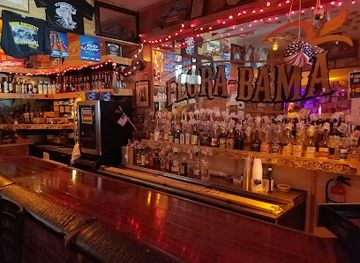
Bar
Flora-Bama
Discover the iconic Flora-Bama: a coastal bar and restaurant offering stunning views, live music, and delicious seafood on the Gulf Coast.
-
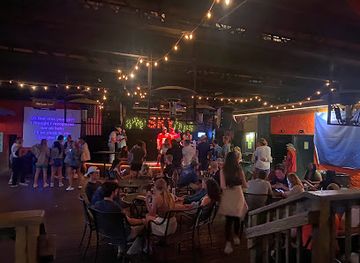
Night club
Skybar Café
Experience the lively nightlife of Auburn at Skybar Café, where great drinks and a vibrant atmosphere await.
-
Night club
Stagger Lee's Lounge
Discover the energetic atmosphere at Stagger Lee's Lounge, a top night club and bar in Tuscumbia, Alabama, perfect for an unforgettable night out.
-
Cocktail bar
Bootleggers lounge LLC
Discover Bootleggers Lounge in Riverside, AL – a cocktail haven offering expertly crafted drinks and a vibrant atmosphere for socializing.


Best shops in Cumberland Plateau
Shopping on the Cumberland Plateau is concentrated in Fort Payne, Scottsboro and smaller market communities rather than in major retail districts. Downtown streets and local shops may offer antiques, books, art, clothing, gifts and Appalachian-influenced crafts, while supermarkets and general retailers provide practical supplies for outdoor trips. Farmers’ markets and seasonal produce stands are useful for fruit, vegetables, baked goods, preserves and other locally made foods, although market days and vendors vary during the year. Visitors seeking regional mementoes should look for pottery, handmade objects, local artwork, geological or nature-themed goods and books about Alabama history and the Cherokee past. The most distinctive purchases are often edible provisions or work by local makers rather than mass-produced souvenirs. Larger shopping requirements are easier to meet in the principal towns or at commercial centres outside the immediate plateau landscape.
-
Souvenir store
Alvin's Island - Gulf Shores #19
Discover a vibrant selection of souvenirs, beachwear, and gifts at Alvin's Island in Gulf Shores, where coastal charm meets shopping fun.
-
Thrift store
Helping Hands Thrift Store
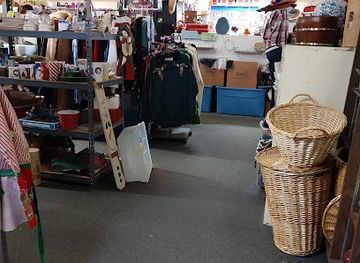
Explore Helping Hands Thrift Store in Montgomery, AL - a treasure trove of unique secondhand finds and budget-friendly bargains.
-
Gift shop
Trinkets And Treasures Unique Gift Shop
Explore Trinkets And Treasures Unique Gift Shop in Mobile, AL for locally made gifts and unforgettable souvenirs that capture the spirit of the South.
-
Gift shop
Cumberland Falls Gift Shop
Explore unique gifts and local crafts at Cumberland Falls Gift Shop, the perfect complement to the breathtaking beauty of Kentucky's Cumberland Falls.


Get your free copy of our complete guide to Cumberland Plateau, delivered straight to you.
Everything on this page, from attractions and restaurants to essentials and local phrases, in one PDF you can read offline, print or share.
Already have an account? Sign in
Your Cumberland Plateau guide is ready.
We'll send it to · Not you? Sign out

Getting your guide ready…
We are putting together a fresh copy of the Cumberland Plateau guide. This can take up to a minute.
This can take a few moments. If your browser asks, choose Allow so the download can start. You'll find the guide in your Downloads folder.
Nothing happened? Download it again
Sorry, the guide is taking longer than usual. Please try again in a minute, or get it by email instead.
Cumberland Plateau essentials
Currency and Payment
Safety
Emergency Situations
Do's and Don'ts
Local Tips
From Eve
Local phrases worth knowing
You don't need to get them perfect. A few words go a long way, and locals appreciate the effort.
Basics
| English | Local | Say it |
|---|---|---|
| Hello | Howdy | [Ha-dee] |
| Goodbye | See ya later | [See ya lay-ter] |
| Yes | Yup | [Yup] |
| No | Nope | [Nope] |
| Please/You're welcome | Please/No trouble at all | [Pleez/No truh-bul at awl] |
| Thank you | Thank ya | [Thangk ya] |
| Excuse me/Sorry | Excuse me/Sorry 'bout that | [Ex-kyoos me/Saw-ree bout that] |
| How are you? | How ya doin'? | [How ya doin'?] |
| Fine. And you? | I’m good. You? | [I’m gud. Yoo?] |
| Do you speak English? | Ya speakin' English? | [Ya speekin' Ing-lish?] |
| I don't understand | I ain't gettin' it | [I ain't gettin' it] |
Eating & Drinking
| English | Local | Say it |
|---|---|---|
| I'd like to see the menu, please | Can I see the menu, please? | [Can I see the men-yoo, pleez?] |
| I don't eat meat | I don’t eat no meat | [I don’t eet no meet] |
| Cheers! | Cheers! | [Cheers!] |
| I would like to pay, please | I’d like to settle up, please | [I’d like to set-l up, pleez] |
Emergencies
| English | Local | Say it |
|---|---|---|
| Help! | Help! | [Help!] |
| Go away! | Get outta here! | [Get outta here!] |
| Call the Police! | Call the cops! | [Call the cops!] |
| Call a doctor! | Get a doctor! | [Get a doctor!] |
| I'm lost | I’m lost | [I’m lost] |
| I'm ill | I ain't feelin' good | [I ain't feelin' gud] |
Shopping
| English | Local | Say it |
|---|---|---|
| I'd like to buy... | I wanna buy... | [I wanna bye...] |
| I'm just looking | Just lookin' | [Just lookin'] |
| How much is it? | What’s it cost? | [What’s it cost?] |
| That's too expensive | That’s too high | [That’s too hi] |
| Can you lower the price? | Can ya knock down the price? | [Can ya nok down the price?] |
Time & Numbers
| English | Local | Say it |
|---|---|---|
| What time is it? | What time is it? | [What time is it?] |
| It's one o'clock | It’s one o’clock | [It’s wun o’clock] |
| Half past (10) | Half past ten | [Half past ten] |
| Morning | Mornin' | [Mornin'] |
| Afternoon | Afternoon | [Afternoon] |
| Evening | Evenin' | [Evenin'] |
| Yesterday | Yesterday | [Yesterday] |
| Today | Today | [Today] |
| Tomorrow | Tomorrow | [Tomorrow] |
| 1 | One | [Wun] |
| 2 | Two | [Too] |
| 3 | Three | [Three] |
| 4 | Four | [For] |
| 5 | Five | [Fiv] |
| 6 | Six | [Six] |
| 7 | Seven | [Sev-en] |
| 8 | Eight | [Ate] |
| 9 | Nine | [Nin] |
| 10 | Ten | [Ten] |
Transport & Directions
| English | Local | Say it |
|---|---|---|
| Where's a/the...? | Where’s the...? | [Where’s the...?] |
| What's the address? | What’s the address? | [What’s the ad-dress?] |
| Can you show me (on the map)? | Can ya show me on the map? | [Can ya show me on the map?] |
| When's the next (bus)? | When’s the next bus? | [When’s the next bus?] |
| A ticket (to ....) | A ticket to... | [A ticket to...] |
History of Cumberland Plateau
Indigenous Landscapes Before European Settlement
The valleys, rivers and uplands of north-east Alabama were inhabited long before the arrival of European-American settlers. Earlier Indigenous societies used the Tennessee River system and surrounding uplands for farming, hunting and trade, leaving archaeological evidence across the wider region. By the eighteenth and early nineteenth centuries, Cherokee communities occupied much of what is now north-east Alabama, alongside other Indigenous peoples and longstanding regional networks. The plateau’s rivers, caves and ridges were not an empty wilderness but part of a lived cultural landscape.
Cherokee Country and Removal in the 1830s
The Cumberland Plateau region lies within an area strongly associated with the Cherokee Nation before Indian Removal. Fort Payne takes its name from a United States military post established during the removal period, and a stockade was operated there in 1838 as Cherokee people were gathered before forced westward migration. The Trail of Tears affected communities across the region through displacement, military control and the loss of ancestral lands. Cherokee history remains essential to understanding the area’s place in Alabama’s past.
Nineteenth-Century Settlement and Town Building
After the removal of the Cherokee, white settlement expanded through the uplands and valleys. Farming communities, roads, churches, schools and courthouse towns developed amid difficult terrain, with Fort Payne, Scottsboro and other centres serving local agricultural and commercial needs. The plateau’s escarpments shaped settlement patterns: towns grew on accessible high ground or in valleys, while steep ridges and gorges remained comparatively lightly developed. Much of the region’s surviving historic architecture reflects this nineteenth-century transition from frontier settlement to established civic communities.
Railways, Coal and Industrial Change
Rail transport and mineral extraction transformed parts of north Alabama during the late nineteenth and early twentieth centuries. The broader Cumberland Plateau and adjoining Appalachian uplands contained coal and other resources, while rail connections linked isolated communities with regional markets. Mining was particularly important in the wider north Alabama economy, even though not every plateau town was a mining centre. The era brought wage labour, industrial investment and population change, leaving traces in rail corridors, company sites, local museums and the economic history of the region.
The Development of Fort Payne and Regional Industry
Fort Payne grew from a strategically placed settlement into the principal commercial centre of the plateau’s Alabama section. Its rail connections and proximity to Lookout Mountain supported trade and manufacturing, while later industry diversified the local economy. The town’s historic buildings and museum collections help explain how a rural upland community became a regional service and manufacturing centre. The story is representative of a broader Alabama pattern in which transport, small-scale industry and agriculture reshaped older mountain settlements.
Conservation of the Plateau Landscape
During the twentieth century, public concern increasingly focused on protecting the plateau’s forests, waterfalls, caves and canyons. DeSoto State Park was established as part of Alabama’s state-park system, while Little River Canyon gained federal protection as a national preserve in 1992. Other protected areas, including Buck’s Pocket State Park and Cathedral Caverns State Park, preserve different geological and ecological settings. Conservation has not removed every pressure from the region, but it has ensured that major elements of the plateau landscape remain accessible for research, recreation and education.
A Contemporary Outdoor and Heritage Region
Today the Cumberland Plateau’s economy and identity combine manufacturing, agriculture, small-town services, heritage interpretation and outdoor tourism. Visitors come for canyon viewpoints, hiking, waterfalls, caving, climbing and scenic drives, while local institutions continue to interpret Cherokee history, settlement and industrial change. The region’s modern character is therefore not simply rural or recreational: it is a working part of Alabama whose forests, farms, towns and protected landscapes exist together. Managing visitor access, conservation and local development remains an important contemporary concern.
Cumberland Plateau in Photos
Browse through our photo collection highlighting the charm and character of the destination.
Neighbouring regions of Cumberland Plateau
The closest regions to Cumberland Plateau, if you have time for more than one.
-

-

-

-

-


Swipe for more regions
Explore more

Explore more of Alabama
Discover Alabama: A Southern state rich in history, culture, and natural beauty, offering unforgettable experiences from vibrant cities to serene beaches and majestic mountains.
Explore Alabama