
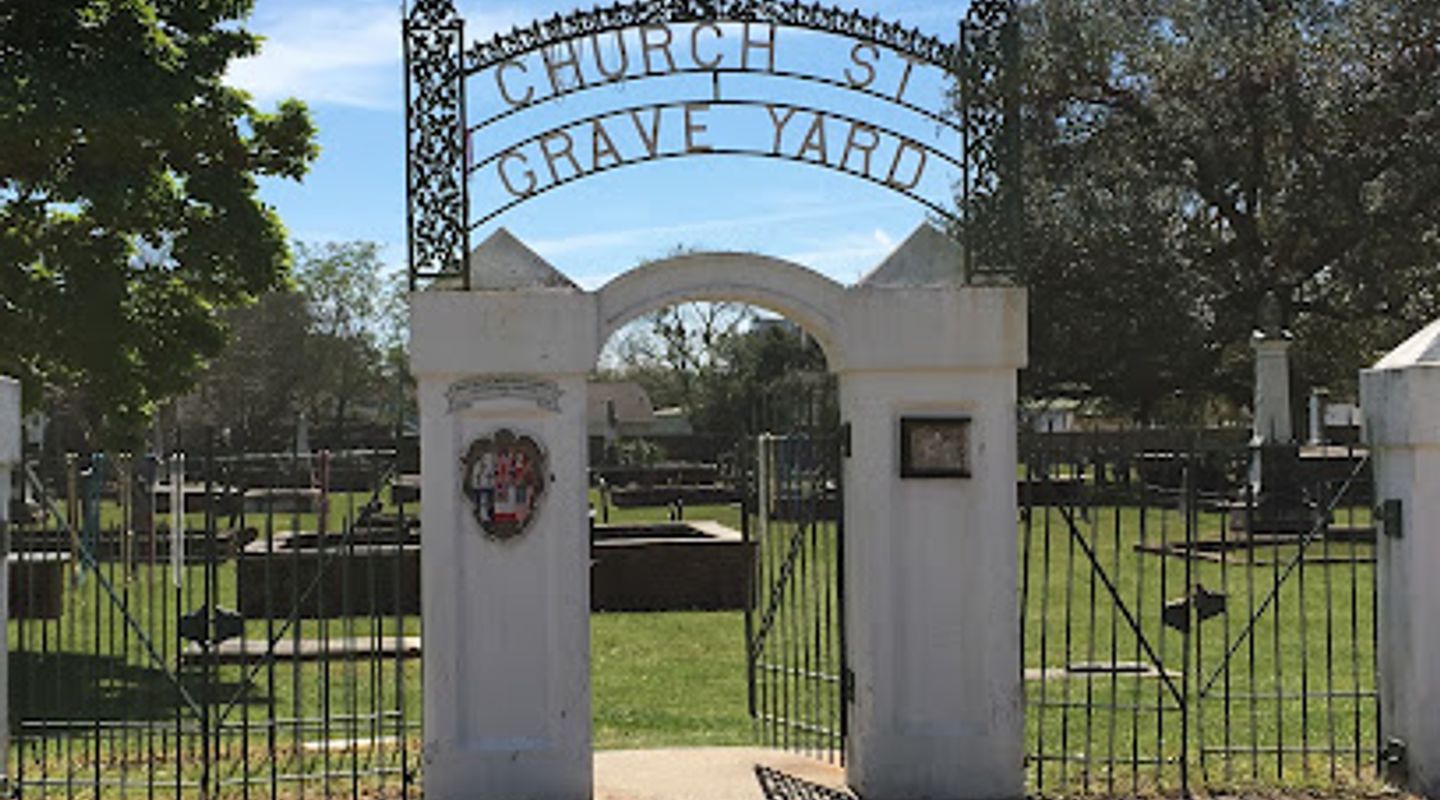
Church Street Graveyard, Mobile Travel Guide
Explore Mobile's history at Church Street Graveyard, a final resting place of notable figures and a showcase of 19th-century artistry.
Step back in time at the Church Street Graveyard, a historic cemetery in downtown Mobile, Alabama, established in 1819. Surrounded by a brick wall dating back to 1830, this four-acre site is the final resting place for many of Mobile's early residents and notable figures, offering a glimpse into the city's rich past.
A brief summary to Church Street Graveyard
- Mobile, Central Business District, Alabama, 36602, US
- Click to display
- Click to display
- Monday 8 am-4 pm
- Tuesday 8 am-4 pm
- Wednesday 8 am-4 pm
- Thursday 8 am-4 pm
- Friday 8 am-4 pm
- Saturday 8 am-4 pm
- Sunday 8 am-4 pm

Know before you go
Hi, I'm Eve. Here are a few practical things to know before exploring Church Street Graveyard.
- Visit during daylight hours, as the graveyard closes at 4 PM.
- Take a guided tour to learn about the notable figures buried here and the history of the cemetery.
- Wear comfortable shoes for walking on uneven ground.
Do you manage this location?
Take control to get all the benefits, like improved information, better appearance, and stronger visibility across AI-powered discovery. Learn more about listing your business on Evendo
Activate your presenceOther nearby places you may find interesting
The closest places of the same kind, if this one is not quite what you had in mind.
Explore Church Street Graveyard on the Map
A handpicked selection of must-see spots near Church Street Graveyard, mapped for you.
Getting There
-
Walking
From Bienville Square in downtown Mobile, head east on Dauphin Street. Turn left onto Jackson Street, then turn right onto Church Street. The Church Street Graveyard will be on your left. The walk is approximately 10 minutes. There is no fee to enter the graveyard.
-
Public Transport
The Mobile Transit Authority (MTA) provides bus service in the downtown area. Check the MTA website or app for the most up-to-date routes and schedules to the Church Street area. From the nearest bus stop, follow the walking directions above. A single ride fare is $1.25.
-
Taxi/Ride-Share
Taxis and ride-sharing services like Uber and Lyft are readily available in Mobile. Request a ride to 805 Church Street, Mobile, AL 36602. The fare from downtown Mobile will typically range from $8 to $12, depending on traffic and demand.
Discover more about Church Street Graveyard
More to explore near Church Street Graveyard













Your all‑in‑one travel companion app
Explore expert travel guides, compare and book tours, experiences, hotels, and more—all from the palm of your hand. Download now for seamless trip planning wherever your wanderlust takes you.


Explore More of Mobile

Looking beyond Church Street Graveyard? Discover Mobile for broader travel guides, local hot-spots, and regional highlights.
Explore Mobile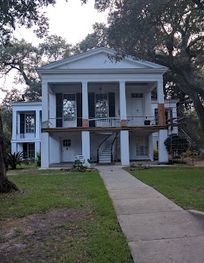
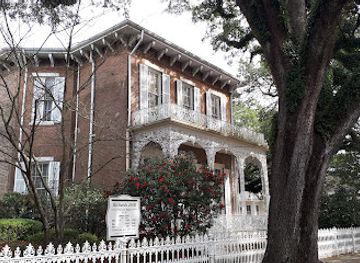
Discover Mobile's captivating history at Oakleigh House Museum, a beautifully preserved 1833 Greek Revival mansion in the Oakleigh Garden Historic District.
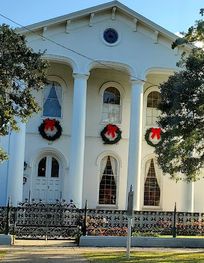
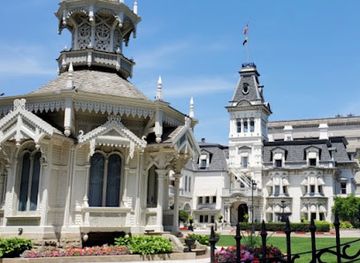
Discover Mobile's golden age at the Kennedy-Cox House, a beautifully preserved 1857 landmark showcasing Greek Revival and Italianate architecture.
