

Free Mobile Travel Guide & Mobile App
Plan your Mobile trip with Evendo. Get free guides to top attractions, restaurants, hotels, and bars. Web access or download the mobile app.


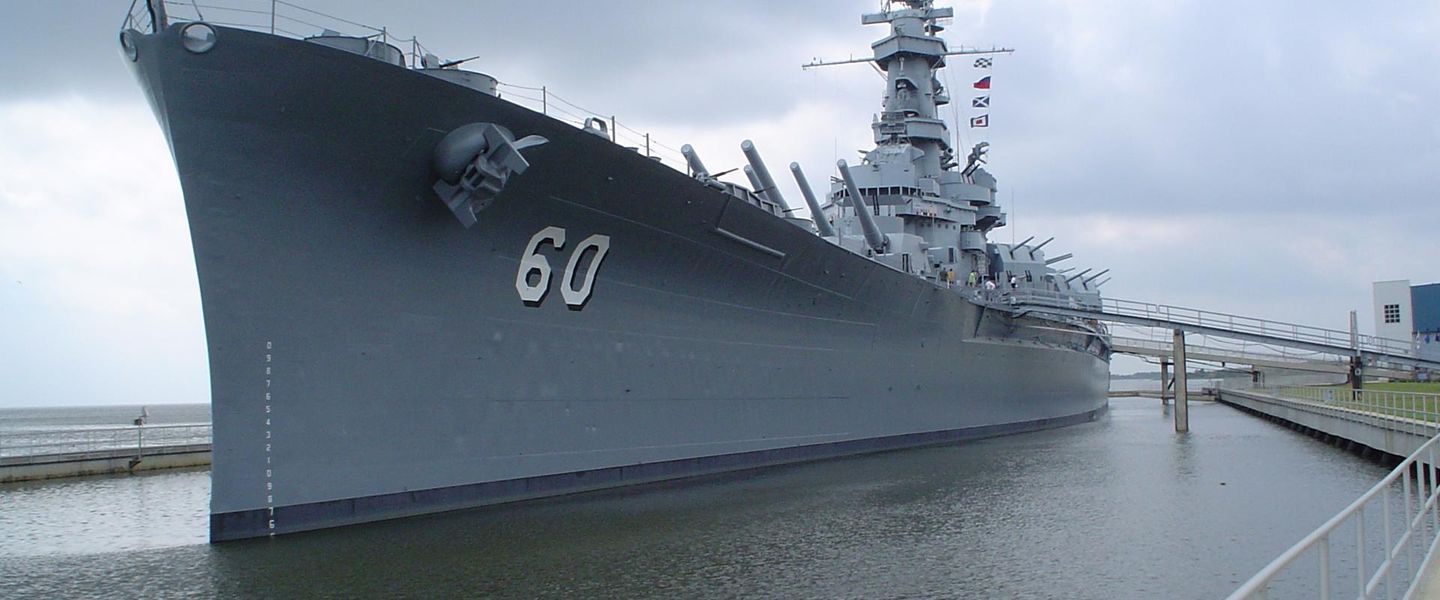


Mobile, Alabama blends Gulf Coast history, Mardi Gras tradition, Creole seafood, historic architecture and museums with easy access to bay and delta.
Port City with Deep Roots
Mobile stands at the head of Mobile Bay on Alabama’s Gulf Coast, where a navigable river, tidal wetlands and richly layered history have shaped the city’s character. Founded by the French in 1702 and relocated to its present site in 1711, Mobile is among the oldest European-founded cities in the United States. Its name recalls the Mobile people, while the surrounding region reflects the enduring presence and influence of several Indigenous communities. French, British, Spanish and American rule each left marks on the streets, waterfront and civic institutions.Read more about Mobile
Historic Streets and Living Traditions
Bay, Delta and Gulf Coast Culture
When is the best time to visit Mobile?
Best: April, October–November · 22–28°C| Month | High (°C) | Rainfall (mm) |
|---|---|---|
| January | 17 | 131 |
| February | 20 | 119 |
| March | 23 | 152 |
| April (best) | 27 | 125 |
| May | 31 | 125 |
| June | 34 | 163 |
| July | 34 | 184 |
| August | 34 | 180 |
| September | 32 | 133 |
| October (best) | 28 | 107 |
| November (best) | 22 | 125 |
| December | 17 | 142 |
Getting to and around Mobile
How to get there
Transportation
Best attractions in Mobile
Mobile’s principal attractions reveal the city through history, water and distinctive local traditions. The History Museum of Mobile traces the region from Indigenous cultures and colonial settlement through the port’s later development, while the nearby Mobile Carnival Museum explains the elaborate societies, costumes and rituals behind the city’s Mardi Gras. GulfQuest National Maritime Museum of the Gulf of Mexico explores the working and environmental life of the region’s waterways through interactive exhibitions. At Battleship Memorial Park, across the bay in Spanish Fort, the USS Alabama is the centrepiece of a large military collection that also includes the submarine USS Drum and aircraft. Downtown walks take in Bienville Square, Dauphin Street and the De Tonti Square Historic District, while the Mobile Botanical Gardens offer cultivated landscapes outside the historic core. The Oakleigh House Museum and Bragg-Mitchell Mansion add domestic perspectives on nineteenth-century Mobile, and the Cathedral-Basilica of the Immaculate Conception provides a notable religious and architectural stop.
-
Tourist attraction
USS ALABAMA Battleship Memorial Park
Explore historic warships and aircraft at this Mobile Bay memorial park, honoring the brave men and women of the U.S. Armed Forces.
25 min drive · 8.4 km from city centre
-
Tourist attraction
USS ALABAMA Battleship Memorial Park
Explore the historic USS Alabama battleship and USS Drum submarine, plus aircraft and memorials, at this Mobile Bay military park and museum.
25 min drive · 8.4 km from city centre
-
Garden
Bellingrath Gardens & Home
Discover Southern charm at Bellingrath Gardens & Home: a historic estate with stunning gardens, year-round blooms, and captivating events.
47 min drive · 27 km from city centre
-
Tourist attraction
Medal of Honor Park
Explore Mobile's Medal of Honor Park: a tribute to bravery with trails, sports, and community events for all ages to enjoy nature.
25 min drive · 8.2 km from city centre


Best landmarks in Mobile
Mobile’s landmarks express its long role as a Gulf port and a centre of religious, civic and military history. The Cathedral-Basilica of the Immaculate Conception, begun in the nineteenth century and shaped by classical design, anchors Cathedral Square and remains one of the city’s most prominent ecclesiastical buildings. Christ Church Cathedral and Government Street’s historic residences add further evidence of the city’s layered colonial and American past. Bienville Square, named for the founder of French Mobile, is a civic green framed by commercial and institutional architecture, while the De Tonti Square Historic District preserves an especially coherent collection of nineteenth-century homes. Across the bay, Battleship Memorial Park’s USS Alabama represents the region’s twentieth-century naval and shipbuilding heritage. The Mobile County Courthouse and the historic Church Street East area complete a civic landscape in which public buildings, churches and residential streets chart the city’s expansion.
-
Museum
USS ALABAMA Battleship Memorial Park
Explore the historic USS Alabama battleship and USS Drum submarine, plus aircraft and memorials at this Mobile, AL landmark.
25 min drive · 8.4 km from city centre
-
Park
Medal of Honor Park
A Mobile, Alabama park honoring military heroes with walking trails, sports, and community events on 133.5 acres.
25 min drive · 8.2 km from city centre
-
 Park
Bienville Square
Experience history and tranquility in the heart of Mobile at Bienville Square, a vibrant park with a rich past and a lively present.
19 min drive · 6.2 km from city centre
-
Hotel
The Admiral
Experience Mobile's history and modern luxury at The Admiral Hotel, a downtown landmark with French-inspired design and upscale amenities.
18 min drive · 6.0 km from city centre


Explore Mobile on the map
Plan your Mobile trip on one map. See where the top attractions, landmarks, restaurants, bars and hotels are, find what's near where you're staying, and book hotels and experiences in a few clicks.
Neighbourhoods in Mobile
-

-
-

-

-


Swipe for more neighbourhoods
Best hotels in Mobile
Best restaurants in Mobile
Mobile’s dining culture is shaped by the northern Gulf, the port and the overlapping French, Spanish, Creole, African American and Southern traditions that developed here. Menus commonly feature oysters, shrimp, blue crab, fish, gumbo, fried seafood, po’boys and hearty rice-based dishes, with seasonal catches influencing what appears in restaurants. Downtown Dauphin Street and the surrounding historic districts contain a concentration of independent restaurants, cafés and bars, while neighbourhoods beyond the centre add family-run seafood houses and contemporary kitchens. Bakery counters and casual eateries are good places to encounter local sweets and savoury Southern staples, including king cake during Carnival season. Mobile’s food culture is less about a single signature dish than about the meeting of Gulf ingredients with Creole and Southern techniques, from carefully spiced stews to simply prepared seafood served in informal surroundings.
-
Seafood
Wintzell's Oyster House
Experience the best of Gulf Coast cuisine at Wintzell's Oyster House in Mobile—where fresh seafood meets Southern charm.
16 min drive · 5.5 km from city centre
-
Seafood
BLUEGILL Restaurant
Experience the best of coastal dining at BLUEGILL Restaurant in Spanish Fort, Alabama - where fresh seafood meets stunning waterfront views.
34 min drive · 14 km from city centre
-
Restaurant
Loda Bier Garten
Discover Loda Bier Garten in Mobile: Where gourmet burgers meet a vibrant pub atmosphere amidst Southern hospitality.
18 min drive · 6.1 km from city centre
-
Seafood
Half Shell Oyster House
Savor the freshest oysters and delightful seafood dishes at Half Shell Oyster House in Mobile, Alabama—a true culinary gem on the Gulf Coast.
9 min drive · 3.0 km from city centre


Best bars in Mobile
Mobile’s evening life is concentrated around downtown, particularly Lower Dauphin Street, known locally as LoDa, and adjoining sections of Dauphin Street. The area includes relaxed pubs, cocktail bars, live-music rooms and venues where the evening moves between conversation, local bands and late-night entertainment rather than one large club district. Historic buildings give many bars a distinctive setting, while theatres and performance spaces provide alternatives to drinking-led nightlife. The Saenger Theatre hosts touring and cultural performances, and seasonal Mardi Gras balls and parading-society events offer a more formal side of Mobile’s after-dark culture, generally connected with organised celebrations rather than casual nightlife. Activity varies by night and season, with weekends and festival periods usually bringing the greatest concentration of events; visitors should check current programmes and venue arrangements locally.
-
Restaurant
Walk-On's Sports Bistreaux - Mobile Restaurant
Discover Walk-On's Sports Bistreaux in Mobile, AL – where sports, great food, and a vibrant atmosphere come together for an unforgettable experience.
10 min drive · 3.2 km from city centre
-
Bar
BJ's Restaurant & Brewhouse
Discover the vibrant atmosphere and delicious flavors of BJ's Restaurant & Brewhouse in Mobile, Alabama, a perfect blend of dining and brewing.
11 min drive · 3.7 km from city centre
-
Irish pub
Callaghan's Irish Social Club
Discover authentic Irish culture at Callaghan's Irish Social Club, a lively pub in Mobile, Alabama, featuring great food, local brews, and live music.
14 min drive · 4.8 km from city centre
-
Bar
Wet Willie's
Experience the vibrant nightlife of Mobile, AL, at Wet Willie's, where frozen daiquiris and Southern hospitality meet in a lively bar atmosphere.
18 min drive · 6.2 km from city centre


Best nightclubs in Mobile
Mobile’s evening life is concentrated around downtown, particularly Lower Dauphin Street, known locally as LoDa, and adjoining sections of Dauphin Street. The area includes relaxed pubs, cocktail bars, live-music rooms and venues where the evening moves between conversation, local bands and late-night entertainment rather than one large club district. Historic buildings give many bars a distinctive setting, while theatres and performance spaces provide alternatives to drinking-led nightlife. The Saenger Theatre hosts touring and cultural performances, and seasonal Mardi Gras balls and parading-society events offer a more formal side of Mobile’s after-dark culture, generally connected with organised celebrations rather than casual nightlife. Activity varies by night and season, with weekends and festival periods usually bringing the greatest concentration of events; visitors should check current programmes and venue arrangements locally.
-
Bar
Kazoola Eatery & Entertainment
Experience vibrant flavors and live music at Kazoola Eatery & Entertainment, the heart of Mobile's nightlife scene.
17 min drive · 5.5 km from city centre
-
Lounge
Cedar Street Social
Discover Cedar Street Social in Mobile, where vibrant nightlife meets local musical talent in a welcoming lounge atmosphere.
17 min drive · 5.6 km from city centre
-
Gay night club
B-Bob's Downtown
Discover the vibrant nightlife and delicious cuisine at B-Bob's Downtown, Mobile's premier gay night club and restaurant, where fun meets flavor!
18 min drive · 6.1 km from city centre
-
Night club
Zebra Club
Discover the electrifying nightlife at Zebra Club, Mobile’s top night club featuring cocktails, dancing, and unforgettable entertainment.
15 min drive · 5.0 km from city centre


Best shops in Mobile
Shopping in Mobile combines independent downtown retail with suburban commercial areas and locally themed goods. Dauphin Street and the streets around Bienville Square contain boutiques, antique shops, galleries and gift stores in historic commercial buildings, making the central area suitable for browsing between museums and cafés. Visitors may find Mobile and Gulf Coast artwork, Mardi Gras masks and decorative pieces, regional books, locally produced foods and craft goods, although stock varies between businesses and seasons. Antique and vintage shopping is also associated with the older neighbourhoods and commercial streets around downtown, while Spring Hill and larger retail corridors provide more conventional shops and services. Seasonal Carnival merchandise is particularly distinctive, ranging from throws and beads to hand-made costumes and memorabilia. Food halls and farmers’ markets may offer Alabama products when operating, but dates and locations should be checked before setting out.
-
Shopping mall
Spring Hill Village Shopping Center
Explore the vibrant Spring Hill Village Shopping Center in Mobile, Alabama, a delightful destination for shopping, dining, and community engagement.
16 min drive · 5.4 km from city centre
-
Shopping mall
Dauphin Square Shopping Center
Discover a vibrant shopping experience at Dauphin Square Shopping Center, where retail, dining, and entertainment come together in Mobile, Alabama.
10 min drive · 3.2 km from city centre
-
Book store
The Haunted Book Shop
Explore the enchanting world of literature and ghostly tales at The Haunted Book Shop in Mobile, Alabama, a unique bookstore with character.
18 min drive · 6.1 km from city centre
-
Shopping mall
Legacy Village at Spring Hill
Discover luxury shopping and delightful dining at Legacy Village at Spring Hill, the ultimate destination for style and elegance in Mobile, Alabama.
11 min drive · 3.8 km from city centre


Get your free copy of our complete guide to Mobile, delivered straight to you.
Everything on this page, from attractions and restaurants to essentials and local phrases, in one PDF you can read offline, print or share.
Already have an account? Sign in
Your Mobile guide is ready.
We'll send it to · Not you? Sign out

Getting your guide ready…
We are putting together a fresh copy of the Mobile guide. This can take up to a minute.
This can take a few moments. If your browser asks, choose Allow so the download can start. You'll find the guide in your Downloads folder.
Nothing happened? Download it again
Sorry, the guide is taking longer than usual. Please try again in a minute, or get it by email instead.
Mobile essentials
Currency and Payment
Safety
Emergency Situations
Do's and Don'ts
Local Tips
From Eve
Local phrases worth knowing
You don't need to get them perfect. A few words go a long way, and locals appreciate the effort.
Basics
| English | Local | Say it |
|---|---|---|
| Hello | Howdy | [haw-dee] |
| Goodbye | See ya | [see yuh] |
| Yes | Yep | [yep] |
| No | Nah | [nah] |
| Please/You're welcome | Please/No problem | [pleez/no prob-lem] |
| Thank you | Thanks | [thanks] |
| Excuse me/Sorry | Pardon me/My bad | [par-dun mee/my bad] |
| How are you? | How y'all doin'? | [how y'all doin'] |
| Fine. And you? | Fine. You? | [fine. yuh?] |
| Do you speak English? | Ya speak English? | [ya speak ing-glish?] |
| I don't understand | I don't git it | [I don't git it] |
Eating & Drinking
| English | Local | Say it |
|---|---|---|
| I'd like to see the menu, please | I wanna see the menu, please | [I wanna see the menu, please] |
| I don't eat meat | I don't eat meat | [I don't eat meat] |
| Cheers! | Cheers! | [Cheers!] |
| I would like to pay, please | I wanna pay, please | [I wanna pay, please] |
Emergencies
| English | Local | Say it |
|---|---|---|
| Help! | Help! | [Help!] |
| Go away! | Go away! | [Go away!] |
| Call the Police! | Call the Po-lice! | [Call the Po-lice!] |
| Call a doctor! | Call a doc! | [Call a doc!] |
| I'm lost | I'm lost | [I'm lost] |
| I'm ill | I'm sick | [I'm sick] |
Shopping
| English | Local | Say it |
|---|---|---|
| I'd like to buy... | I wanna buy... | [I wanna buy...] |
| I'm just looking | I'm just lookin' | [I'm just lookin'] |
| How much is it? | How much is it? | [How much is it?] |
| That's too expensive | That's too pricey | [That's too pricey] |
| Can you lower the price? | Can ya lower the price? | [Can ya lower the price?] |
Time & Numbers
| English | Local | Say it |
|---|---|---|
| What time is it? | What time is it? | [What time is it?] |
| It's one o'clock | It's one o'clock | [It's one o'clock] |
| Half past (10) | Half past (10) | [Half past (10)] |
| Morning | Mornin' | [Mornin'] |
| Afternoon | Afternoon | [Afternoon] |
| Evening | Evenin' | [Evenin'] |
| Yesterday | Yest'day | [Yest'day] |
| Today | Today | [Today] |
| Tomorrow | Tomorra | [Tomorra] |
| 1 | One | [One] |
| 2 | Two | [Two] |
| 3 | Three | [Three] |
| 4 | Four | [Four] |
| 5 | Five | [Five] |
| 6 | Six | [Six] |
| 7 | Seven | [Seven] |
| 8 | Eight | [Eight] |
| 9 | Nine | [Nine] |
| 10 | Ten | [Ten] |
Transport & Directions
| English | Local | Say it |
|---|---|---|
| Where's a/the...? | Where's a/the...? | [Where's a/the...?] |
| What's the address? | What's the address? | [What's the address?] |
| Can you show me (on the map)? | Can you show me (on the map)? | [Can you show me (on the map)?] |
| When's the next (bus)? | When's the next (bus)? | [When's the next (bus)?] |
| A ticket (to ....) | A ticket (to ....) | [A ticket (to ....)] |
History of Mobile
Indigenous Region and French Foundation
The Mobile area has long been home to Indigenous peoples, including the Mobile and related communities whose presence is remembered in the city’s name and regional history. French colonists established Fort Louis de la Louisiane at Twenty-Seven Mile Bluff in 1702, making Mobile one of the earliest European settlements on the Gulf Coast. In 1711, the settlement moved to the better-protected site at the mouth of Mobile River, where the modern city developed. The colony served as an administrative and commercial centre for French Louisiana, linking inland waterways with Gulf shipping. Its strategic position made Mobile valuable well beyond its modest early population and placed it within the competing imperial ambitions of France, Britain and Spain.
British and Spanish Mobile
Britain gained Mobile under the 1763 Treaty of Paris after the Seven Years’ War, and the town became part of British West Florida. Spain captured it in 1780 during the American Revolutionary War, after the Battle of Fort Charlotte, and retained control until the United States took possession in 1813. These changes brought different legal systems, trading relationships and architectural influences to the port. Spanish rule encouraged connections with the wider Gulf world, while the town’s river access continued to make it a useful centre for commerce. Surviving historic buildings and the city’s street plan reflect the long period in which Mobile developed as a multilingual, strategically contested settlement.
American Port and Cotton Economy
After joining the United States, Mobile expanded as a port serving the cotton-producing interior of Alabama and neighbouring states. Steamboats and railways strengthened its links with inland plantations and markets, while warehouses, banks and shipping businesses reshaped the waterfront and downtown streets. Wealth generated through the antebellum cotton economy supported substantial homes and civic buildings, although it depended on enslaved labour and reinforced a deeply unequal social order. The city’s Creole, African American, European and Caribbean influences also contributed to its foodways, music and religious life. Many of Mobile’s historic districts date from this period of commercial growth and urban enlargement.
Civil War, Occupation and Reconstruction
Alabama seceded from the Union in 1861, and Mobile became an important Confederate port and defensive centre during the American Civil War. Union forces captured the city in April 1865, shortly before the conflict ended, following campaigns that reduced Confederate control of the Alabama coast. Reconstruction brought political upheaval, economic disruption and the difficult transition from slavery to freedom. African American communities built institutions, churches and businesses that became enduring parts of Mobile’s civic life, while the port gradually resumed commercial activity. The war and its aftermath remain important to understanding the city’s military sites, memorial culture and social history.
Industrial Expansion and Shipbuilding
During the late nineteenth and twentieth centuries, Mobile developed beyond its cotton-port identity. Timber, seafood, shipbuilding, paper and other industries expanded the city’s economic base, while rail connections and improving harbour facilities encouraged population growth. The waterfront became a centre of naval and commercial construction, a role that intensified during the Second World War and continued into the modern era. Neighbourhoods spread beyond the original downtown, and institutions, churches and schools reflected the city’s growing diversity. This industrial heritage is represented most visibly by the USS Alabama and by the continuing importance of maritime work to Mobile’s regional economy.
Mardi Gras and Modern Cultural Identity
Mobile’s Mardi Gras tradition has roots in the French colonial period and was revived in organised form during the nineteenth century, when local secret societies known as mystic organisations developed parades, tableaux and formal balls. The celebrations survived war, economic change and periods of interruption, becoming a defining expression of local identity. In the modern city, historic preservation has also become central to cultural life, with neighbourhoods such as De Tonti Square, Church Street East and Oakleigh retaining distinct architectural character. Museums, arts organisations, waterfront development and renewed interest in African American and Indigenous histories continue to broaden the understanding of Mobile’s past.
Mobile in Photos
Browse through our photo collection highlighting the charm and character of the destination.
Cities near Mobile
The closest cities to Mobile, if you have time for more than one stop.
-

-

-

-
-


Swipe for more cities
Explore more

Explore more of Alabama
Discover Alabama: A Southern state rich in history, culture, and natural beauty, offering unforgettable experiences from vibrant cities to serene beaches and majestic mountains.
Explore Alabama