Alabama Museum of Natural History: Exploring Alabama's Natural Wonders
Explore Alabama's natural history from dinosaurs to meteorites at the Alabama Museum of Natural History in Tuscaloosa. Open Monday to Saturday.
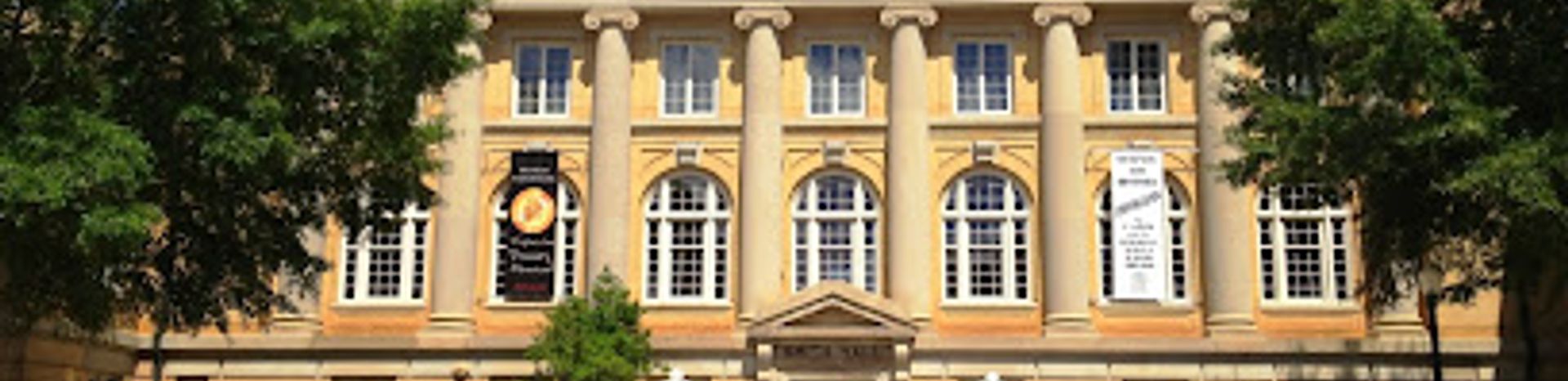
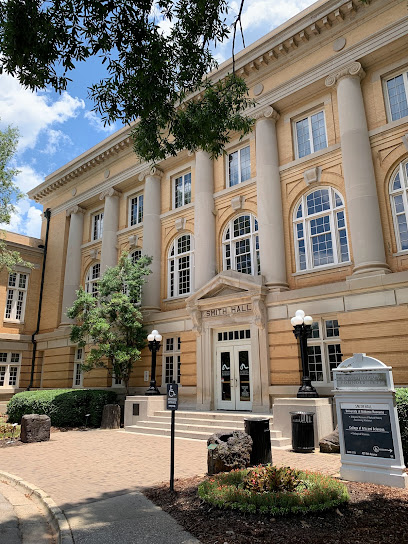
Located in Smith Hall on the University of Alabama campus in Tuscaloosa, the Alabama Museum of Natural History is the state's oldest museum, founded in 1831. It showcases the natural diversity of Alabama through exhibits spanning the Age of Dinosaurs, the Coal Age, and the Ice Age. Visitors can explore collections of geology, zoology, mineralogy, paleontology, ethnology, history, and photography.
A brief summary to Alabama Museum of Natural History
- 427 6th Ave, Tuscaloosa, Alabama, 35487, US
- +1205-348-7550
- Visit website
Local tips
- Check the museum's website for closures due to University of Alabama holidays.
- Take advantage of the free parking available in the lot behind Smith Hall for museum visitors.
- Visit the Sensory Sea room on the mezzanine level for a quiet, sensory-friendly space.

Getting There
-
Walking
From the University of Alabama campus, the Alabama Museum of Natural History is easily accessible on foot. Smith Hall is located at 427 6th Avenue. From the Ferguson Center, walk north along the main quad, passing the Amelia Gayle Gorgas Library. Continue straight; Smith Hall will be on your left. Allow 5-10 minutes for a leisurely walk. No costs involved.
-
Public Transport
The Tuscaloosa Trolley runs from the downtown parking deck to the University of Alabama campus. From the downtown deck, take the Tuscaloosa Trolley's University Shuttle Route. Get off at the stop closest to Smith Hall. Check the Tuscaloosa Transit Authority website for the most up-to-date route information and schedules. A single ride fare is approximately $1.00.
-
Driving
From I-20/59, take exit 73 for McFarland Blvd. Head west towards the University of Alabama. Exit right onto University Blvd. Follow University Blvd to Hackberry Lane. Turn right onto Hackberry Lane and turn into the second parking lot on your left behind Smith Hall. There are five dedicated visitor parking spaces in the lot behind Smith Hall. Upon arrival, after paying admission, you will receive a parking pass receipt that will entitle you to free parking in the museum visitor parking spaces. Alternatively, a parking deck is located at Campus Drive and Hackberry Lane. The cost for visitor parking in the deck is $1 for the first hour and $2 for each additional hour.
Discover more about Alabama Museum of Natural History
Iconic landmarks you can’t miss

Woods Quad
0.2 km
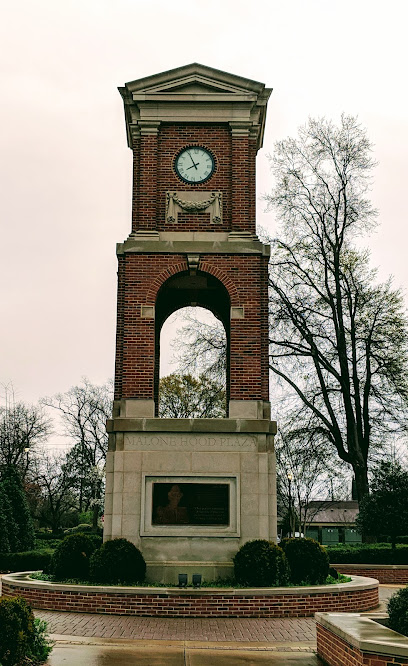
Discover the tranquility of Woods Quad in Tuscaloosa, Alabama, where lush gardens and artful sculptures create a peaceful retreat for all visitors.
The University of Alabama
0.4 km
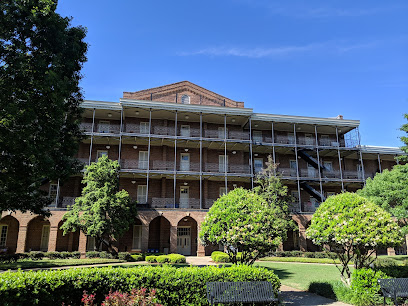
Explore The University of Alabama: A blend of historic charm and vibrant student life in Tuscaloosa, Alabama.
Bryant-Denny Stadium
0.7 km
Visit Bryant-Denny Stadium in Tuscaloosa, Alabama, where college football traditions come alive amidst a sea of passionate fans and thrilling game day experiences.
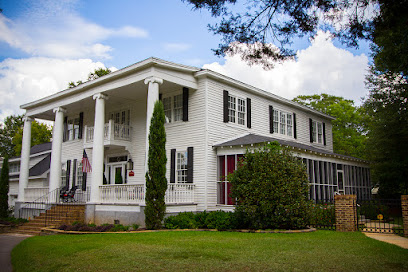
Bama Bed and Breakfast
0.9 km
Experience Southern hospitality at its finest at Bama Bed and Breakfast, your cozy retreat in Tuscaloosa, AL, blending comfort with local culture.
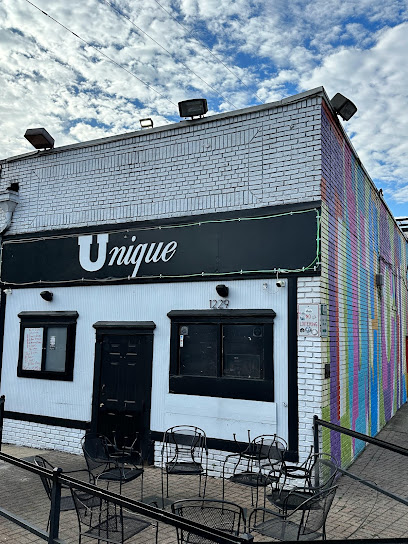
Unique
1.0 km
Discover Unique, a lively bar in Tuscaloosa, Alabama, where vibrant nightlife, delicious drinks, and unforgettable experiences come together.
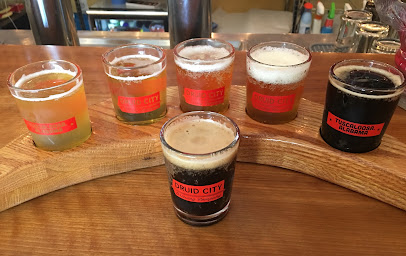
Druid City Brewing Company Taproom & Ell's Kitchen
1.3 km
Discover the vibrant flavors of Tuscaloosa at Druid City Brewing Company, where craft beer meets delicious cuisine in a lively atmosphere.
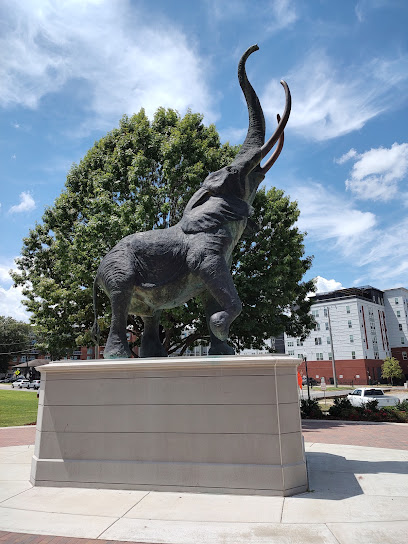
Queen City Park
1.7 km
Explore the beauty of nature at Queen City Park, Tuscaloosa's tranquil urban oasis for relaxation and outdoor fun.
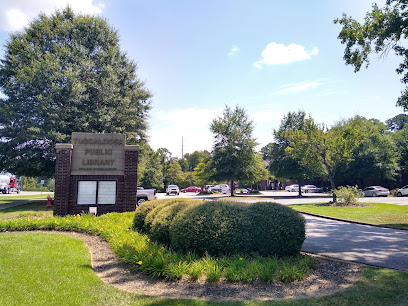
Tuscaloosa Public Library
1.7 km
Explore the Tuscaloosa Public Library: A cultural hub of knowledge, events, and community engagement in Alabama.
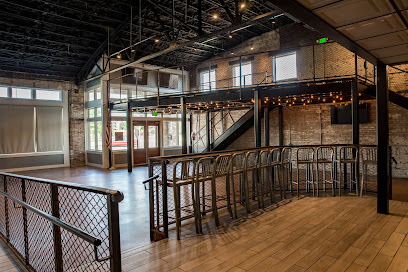
The District Room
1.7 km
Discover The District Room in Tuscaloosa, Alabama - an exquisite event venue perfect for weddings, corporate gatherings, and unforgettable celebrations.
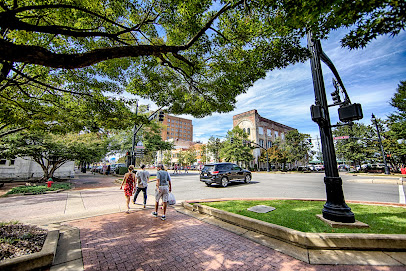
Tuscaloosa Tourism and Sports - Visit Tuscaloosa
1.8 km
Experience Tuscaloosa like a local at the Visitor Center, your hub for information, events, and unique attractions in this vibrant Southern city.
Loosa Brews
1.8 km
Discover the vibrant craft beer scene at Loosa Brews in Tuscaloosa, where a vast selection and lively atmosphere await every beer enthusiast.
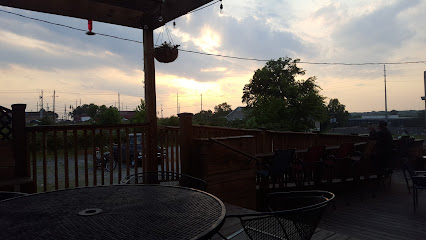
Alcove
2.0 km
Discover the vibrant nightlife and delicious cuisine at Alcove, Tuscaloosa's favorite bar and grill for locals and tourists alike.
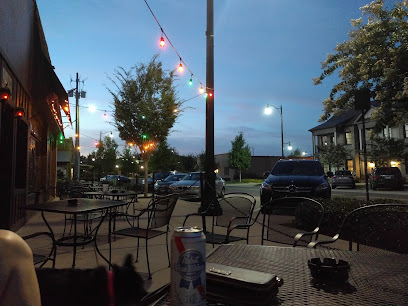
Black Warrior Brewing Company
2.1 km
Discover the local craft beer culture at Black Warrior Brewing Company in Tuscaloosa, where community and quality brews meet.
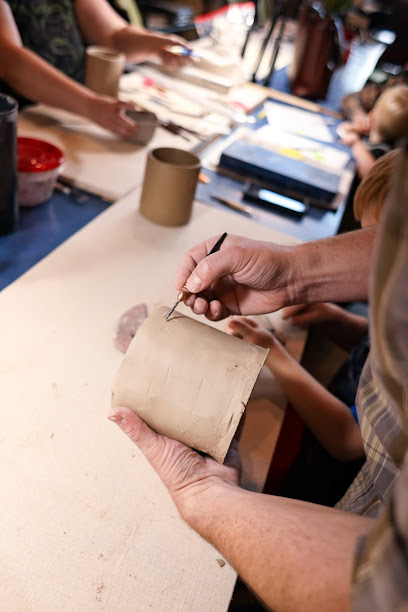
Druid City Makerspace
2.2 km
Discover creativity and innovation at Druid City Makerspace in Tuscaloosa—your gateway to hands-on experiences and local craftsmanship.
The Alamite, Tuscaloosa, a Tribute Portfolio Hotel
2.2 km
Experience Southern elegance at The Alamite in Tuscaloosa, where luxury meets hospitality in a stylish setting perfect for any traveler.

Unmissable attractions to see

Smith Hall
0.0 km
Discover Alabama's ancient past and natural wonders at the Alabama Museum of Natural History, housed in the historic Smith Hall on UA's campus.
Goldie 1971 - The Fallen Robot
0.2 km
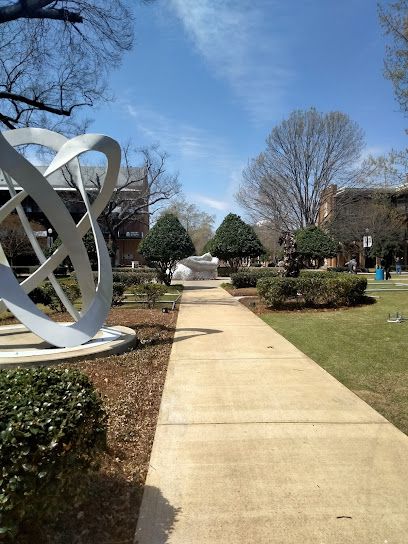
A striking sculpture in Woods Quad at the University of Alabama, commemorating Birmingham's iron industry and offering a unique photo opportunity.
Gorgas House Museum
0.4 km
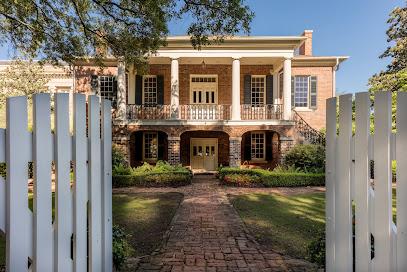
Explore 19th-century life at the University of Alabama's oldest building, the Gorgas House Museum, showcasing the legacy of the Gorgas family.
Paul W. Bryant Museum
0.7 km
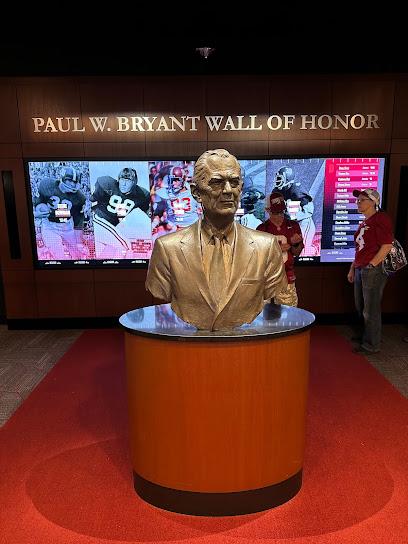
Explore the history of Alabama football at the Paul W. Bryant Museum in Tuscaloosa, celebrating the Crimson Tide's legacy and Coach 'Bear' Bryant.
Park at Manderson Landing
1.1 km
A scenic park on the Black Warrior River, offering walking trails, historical markers, and a connection to Tuscaloosa's vibrant history.
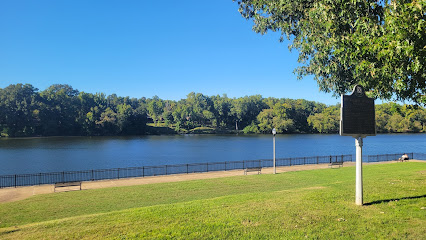
Monnish Park
1.5 km
Escape to nature in Tuscaloosa's Monnish Park: trails, playgrounds, picnic spots, and community events await!
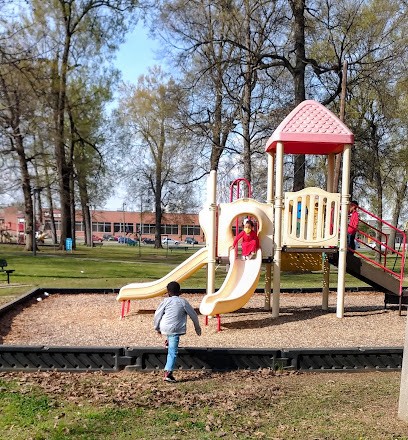
Mildred Westervelt Warner Transportation Museum (part of UA Museums)
1.8 km
Explore Tuscaloosa's past through transportation at the historic Queen City Pool House. A unique museum experience.
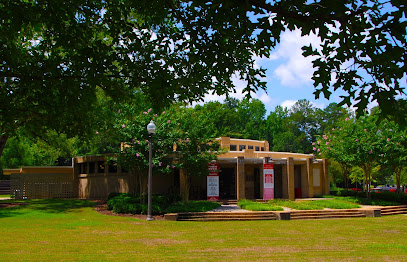
Tuscaloosa River Market
1.8 km
Discover fresh produce, local crafts, and community events at the Tuscaloosa River Market on the Black Warrior River.
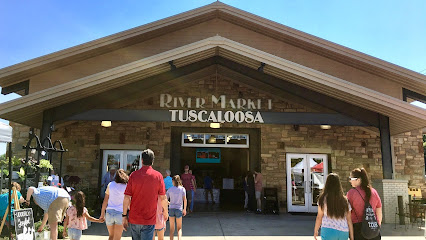
Randall Family Park & Trailhead
2.1 km
Explore Tuscaloosa's scenic Randall Family Park & Trailhead: Riverwalk trails, playgrounds, and outdoor fun by the Black Warrior River.
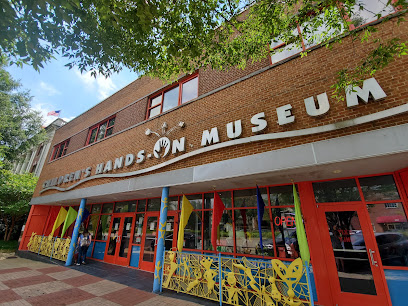
Children's Hands-On Museum
2.1 km
Explore, create, and discover at Tuscaloosa's interactive children's museum, offering hands-on exhibits for kids of all ages!
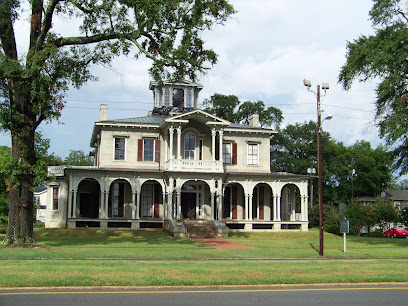
Jemison-Van De Graaff Mansion
2.2 km
Explore Tuscaloosa's rich history and architectural beauty at the Jemison-Van de Graaff Mansion, a landmark of the pre-Civil War South.
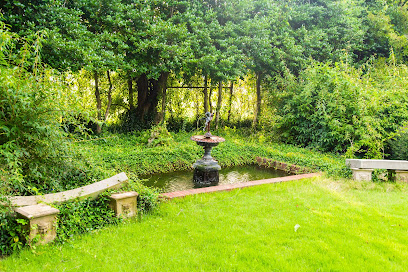
Battle-Friedman House & Gardens
2.3 km
Explore Tuscaloosa's history at the Battle-Friedman House & Gardens, a preserved 19th-century home with period furnishings and antebellum gardens.
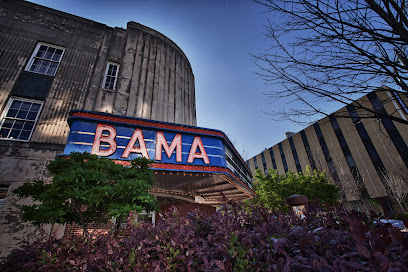
Bama Theatre
2.3 km
Experience the magic of performing arts at the historic Bama Theatre in Tuscaloosa, a landmark since 1938. A cultural hub for films, concerts, and theater.
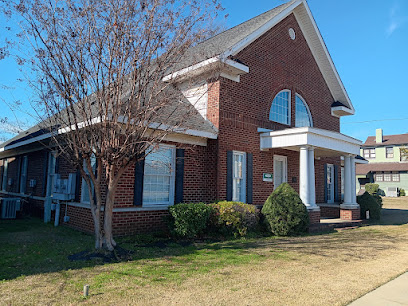
Murphy-Collins House
2.5 km
Explore the legacy of Tuscaloosa's African American community at the historic Murphy-Collins House, now a captivating museum.
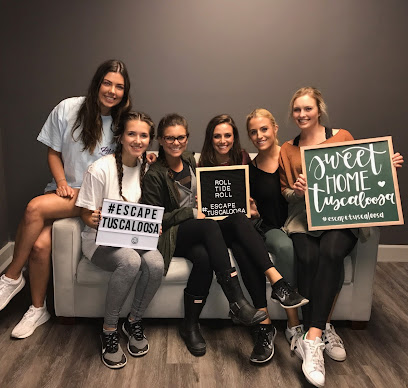
Escape Tuscaloosa
2.5 km
Experience thrilling escape room adventures at Escape Tuscaloosa! Solve mysteries, crack codes, and create unforgettable memories with friends and family.
Essential places to dine

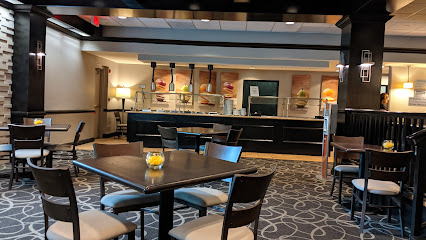
Legends Bistro and Lounge
0.7 km
Discover exquisite dining at Legends Bistro and Lounge in Tuscaloosa – where every meal is a celebration of flavor.
Rama Jama’s
0.9 km
Discover Rama Jama's in Tuscaloosa: A cherished American bar & grill offering hearty meals and local charm near the University of Alabama.
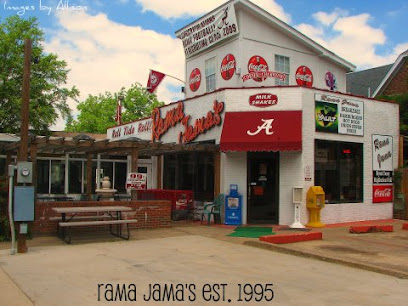
Glory Bound Gyro Co.
1.0 km
Experience authentic Greek cuisine with a Southern twist at Glory Bound Gyro Co., Tuscaloosa's favorite spot for delicious gyros and more.
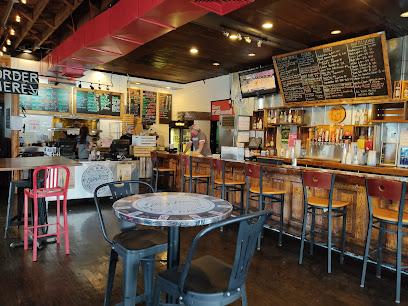
THAI BASIL SUSHI II
1.1 km
Discover the exquisite flavors of Thailand at Thai Basil Sushi II – Tuscaloosa's premier destination for fresh sushi and authentic Asian cuisine.
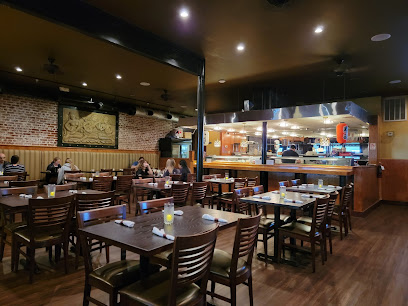
Newk's Eatery
1.1 km
Discover delicious sandwiches and fresh salads at Newk's Eatery - your go-to spot for tasty meals in Tuscaloosa.
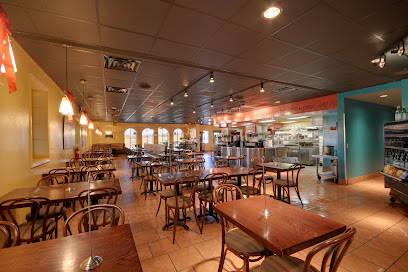
The Rabbit Hole - Tuscaloosa
1.1 km
Discover flavorful grilled dishes at The Rabbit Hole in Tuscaloosa's lively dining district - perfect for food lovers seeking local cuisine.
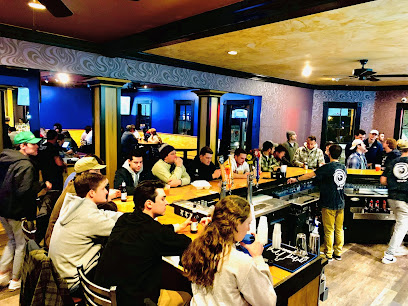
T-town Cafe
1.2 km
Discover the charm of T-town Cafe in Tuscaloosa – where hearty breakfasts and friendly service create unforgettable dining experiences.
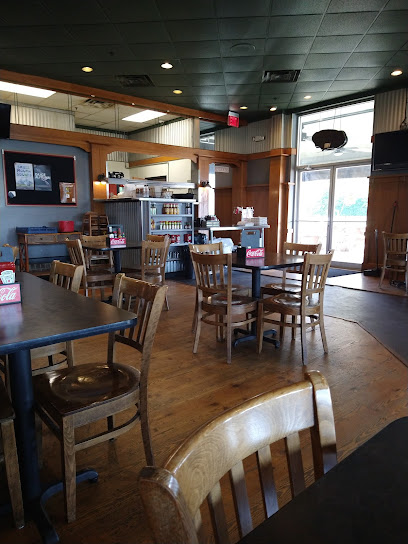
Cypress Inn Pavilion
1.5 km
Discover the charm of Southern cuisine at Cypress Inn Pavilion in Tuscaloosa - where every meal is a celebration of flavor and hospitality.
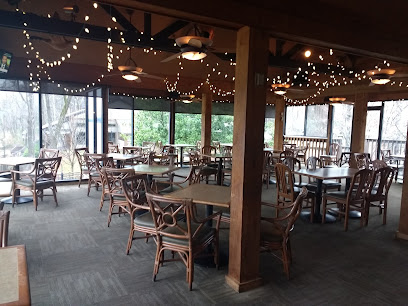
River
1.5 km
Experience fine American dining at River Tuscaloosa—where culinary excellence meets stunning riverside views.
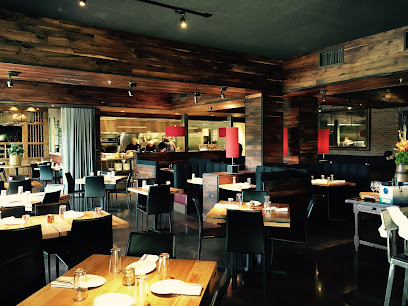
Another Broken Egg Cafe
1.6 km
Discover the heart of Southern brunch at Another Broken Egg Cafe in Tuscaloosa – where every meal is a celebration of flavor and hospitality.
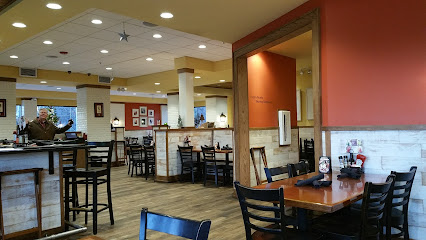
Big Bad Breakfast - Tuscaloosa
1.7 km
Experience authentic Southern breakfasts at Big Bad Breakfast - Tuscaloosa, where every bite tells a story of tradition and flavor.
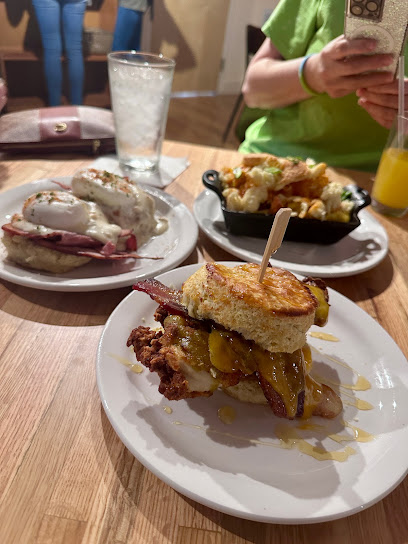
Baumhower's Victory Grille
1.9 km
Discover Baumhower's Victory Grille in Tuscaloosa: where delicious American cuisine meets vibrant sports culture in a family-friendly atmosphere.
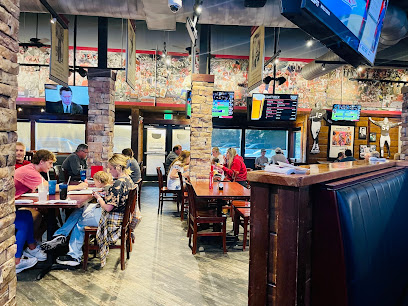
Moe's Original BBQ - Tuscaloosa
1.9 km
Experience authentic Southern barbecue at Moe's Original BBQ in Tuscaloosa - where flavor meets tradition.
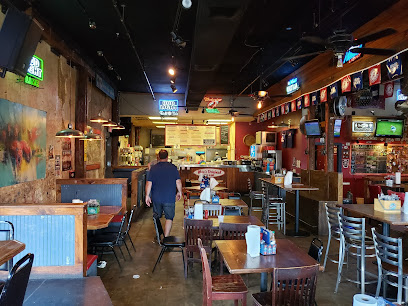
Jim 'N Nick's
1.9 km
Experience authentic Southern barbecue at Jim 'N Nick's in Tuscaloosa – where every bite tells a story!
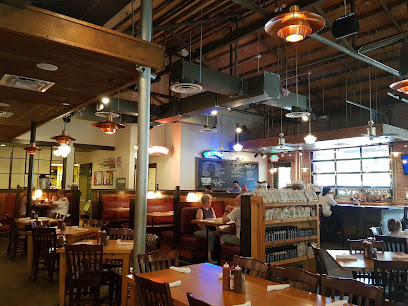
Taco Mama - Tuscaloosa
1.9 km
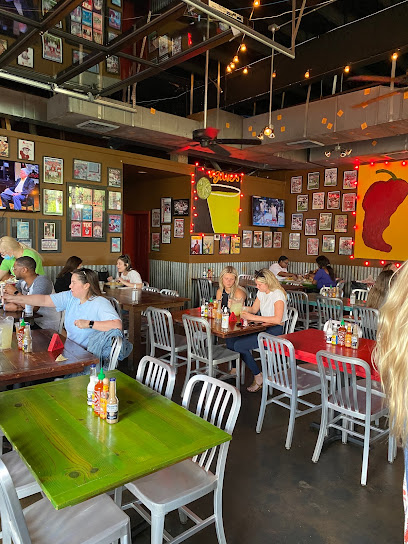
Experience authentic Mexican cuisine at Taco Mama - Tuscaloosa, where every bite is a fiesta of flavors in a lively setting.
Markets, malls and hidden boutiques

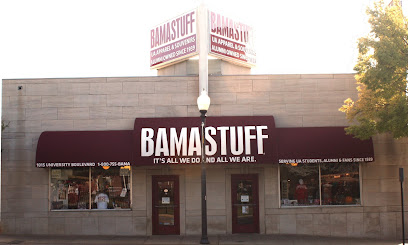
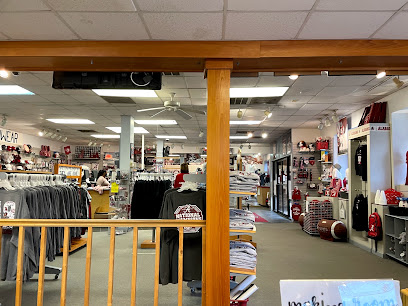
BAMASTUFF
0.8 km
Explore BAMASTUFF: Your ultimate destination for Alabama sports memorabilia and unique gifts in Tuscaloosa.
Alabama Express
0.8 km
Explore Alabama Express in Tuscaloosa for an unforgettable shopping experience filled with unique gifts, sports memorabilia, and local culture.
The Shops At Riverwalk Place
1.5 km
Discover a premier shopping experience at The Shops At Riverwalk Place in Tuscaloosa, featuring diverse stores, dining options, and stunning riverside views.
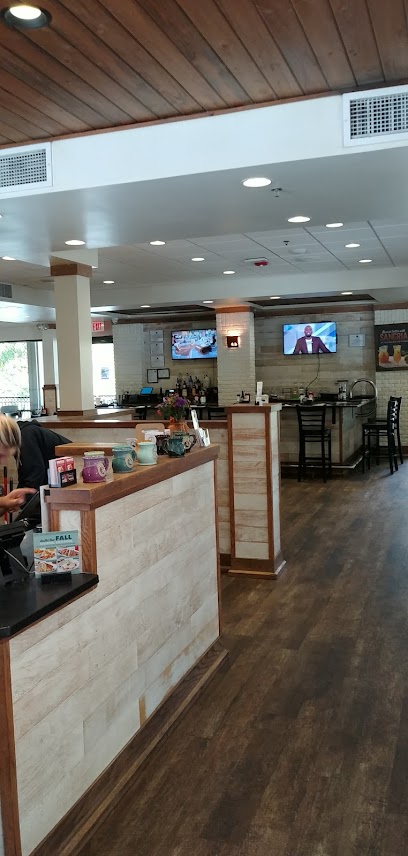
Park Boutique
1.7 km
Experience Tuscaloosa's unique style at Park Boutique, where fashion meets local charm in a delightful shopping atmosphere.
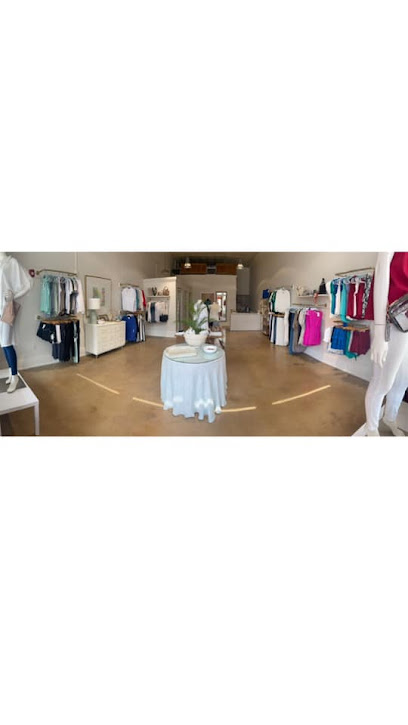
Lou & Company
1.7 km
Explore Lou & Company for an eclectic array of unique gifts and local artisan treasures in Tuscaloosa, Alabama.
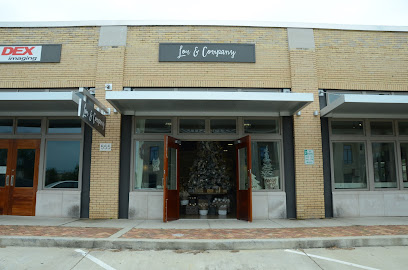
In-Style Tuscaloosa
1.9 km
Discover the latest in men's fashion at In-Style Tuscaloosa, where quality meets style in a vibrant shopping experience.
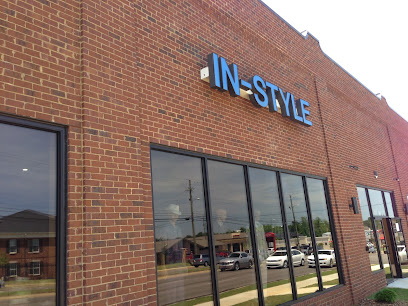
The Locker Room
1.9 km
Explore The Locker Room in Tuscaloosa for stylish men's clothing and accessories, blending modern trends with timeless elegance.
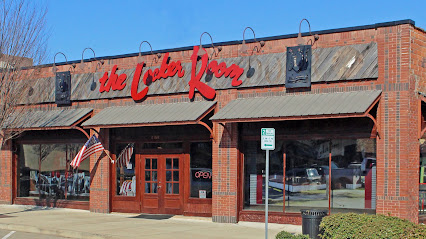
Lucca Boutique
1.9 km
Explore Lucca Boutique in Tuscaloosa for stylish women's clothing that combines comfort and elegance, making every outfit special.
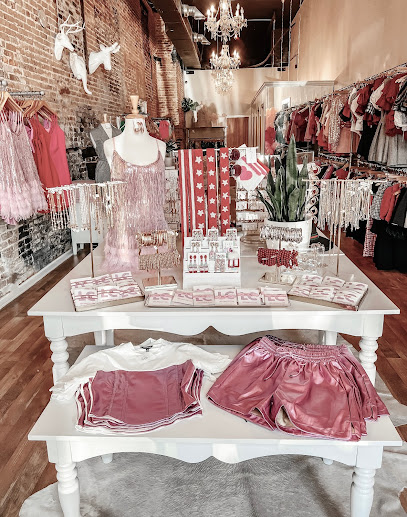
Zaria
2.0 km
Explore Zaria in Tuscaloosa for unique fashion finds and a delightful shopping experience in a charming boutique setting.
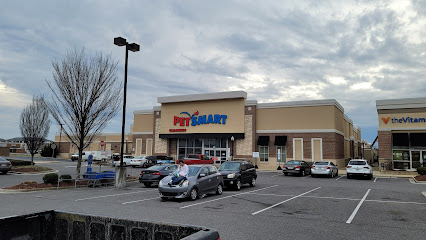
Shoppes at Legacy Park
2.0 km
Discover the vibrant shopping and dining experience at Shoppes at Legacy Park, Tuscaloosa's premier destination for tourists and locals alike.
Alabama Vintage LLC
2.1 km
Explore the charm of Tuscaloosa at Alabama Vintage LLC, your go-to destination for unique vintage clothing and accessories.
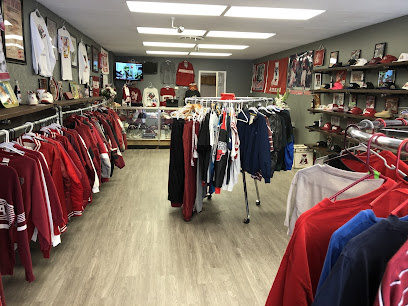
Pants Store Tuscaloosa
2.1 km
Explore the vibrant styles at Pants Store Tuscaloosa, where fashion meets fun for all ages, offering clothing, shoes, and accessories for every taste.
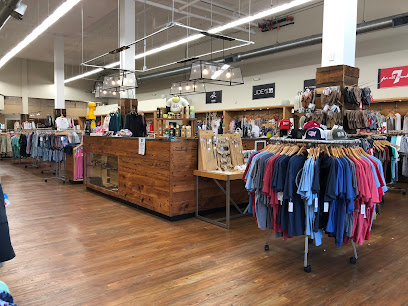
Olive Tree
2.1 km
Explore Tuscaloosa's Olive Tree for a treasure trove of antiques and unique consignment finds that reflect history and creativity.
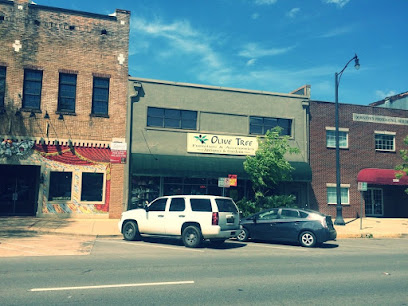
Thrifty Charm Boutique
2.1 km
Explore unique clothing and local handmade accessories at Thrifty Charm Boutique in Tuscaloosa, the perfect stop for every fashion lover.
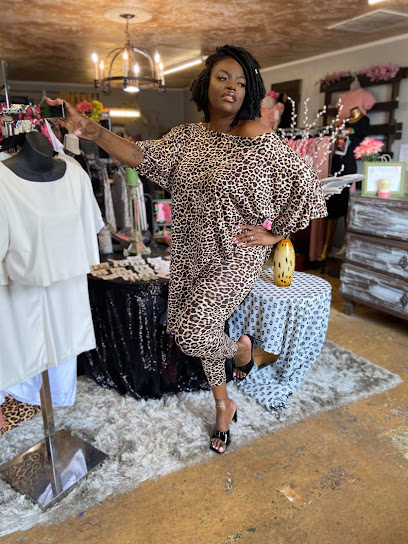
Pause Boutique
2.2 km
Discover a world of stylish fashion and local flair at Pause Boutique in Tuscaloosa, Alabama, where every piece tells a story.
Essential bars & hidden hideouts

The Bear Trap
0.9 km
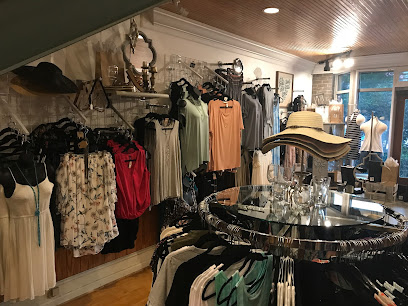
Discover The Bear Trap in Tuscaloosa, a cozy bar offering a relaxed atmosphere, great drinks, and a taste of local nightlife.
The Houndstooth
1.0 km
Experience the heart of Tuscaloosa's sports culture at The Houndstooth, where delicious food and vibrant nightlife meet.
Sideline Bar
1.0 km
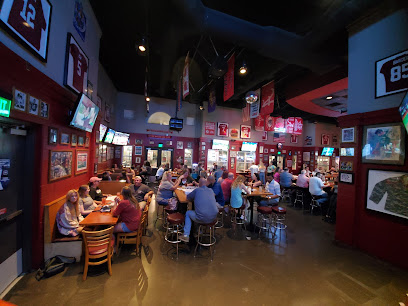
Discover the lively and vibrant atmosphere of Sideline Bar in Tuscaloosa, Alabama, a must-visit nightlife destination for tourists.
Innisfree Irish Pub
1.7 km
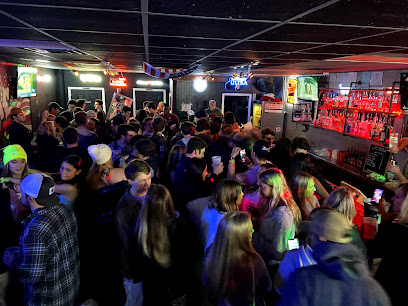
Discover the heart of Irish culture at Innisfree Irish Pub, a Tuscaloosa gem offering delicious food and a vibrant atmosphere.
Jackie's Lounge
1.9 km
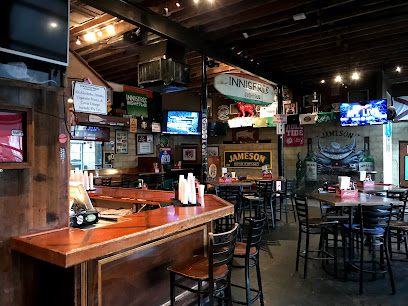
Discover the vibrant atmosphere of Jackie's Lounge, a must-visit sports bar in Tuscaloosa, perfect for food, drinks, and game day excitement.
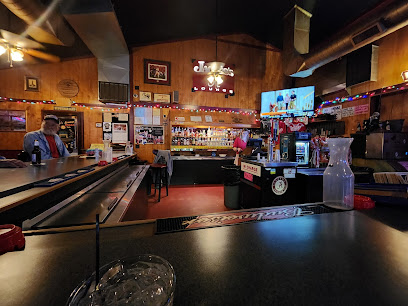
World of Beer
1.9 km
Discover a vibrant gastropub in Tuscaloosa with an extensive craft beer selection and gourmet food, perfect for any beer lover's palate.
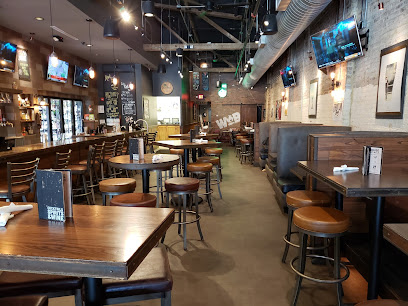
Nocturnal Tavern
2.1 km
Experience the vibrant nightlife of Tuscaloosa at Nocturnal Tavern, where craft cocktails and local brews meet an inviting atmosphere.
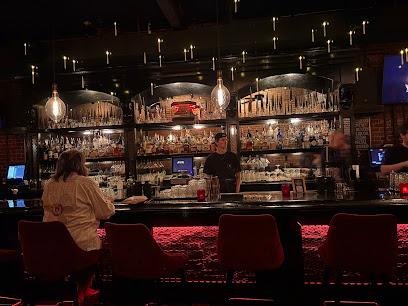
Top Shelf Tavern
2.1 km
Experience the authentic Southern bar scene at Top Shelf Tavern in Tuscaloosa, where great drinks and a friendly atmosphere await every visitor.
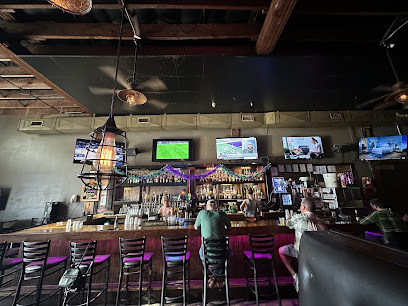
Tavern 1831
2.2 km
Experience the vibrant nightlife of Tuscaloosa at Tavern 1831, a lively bar with an extensive drink selection and entertainment options.
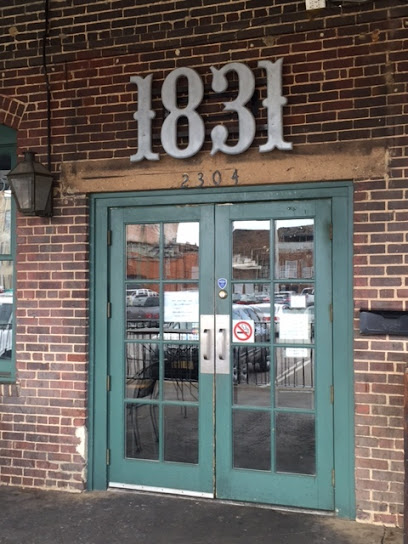
Catch 22
2.2 km
Experience the vibrant atmosphere and innovative cocktails at Catch 22, a must-visit cocktail bar in Tuscaloosa, Alabama.
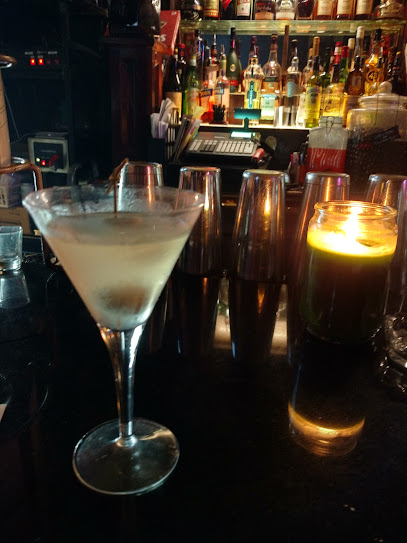
The Gray Lady
2.2 km
Discover The Gray Lady, a vibrant Tuscaloosa bar known for its creative cocktails, craft beers, and lively trivia nights in a welcoming atmosphere.
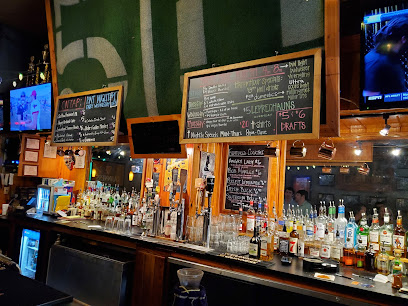
Decades Pub and Grub
2.2 km
Experience the perfect blend of comfort food and vibrant atmosphere at Decades Pub and Grub in Tuscaloosa, Alabama.
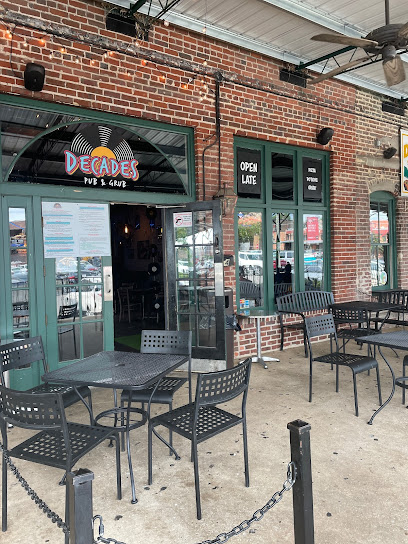
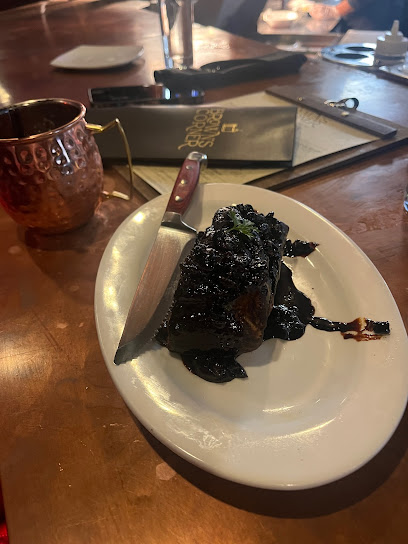
Brown's Corner
2.2 km
Experience the best cocktails and vibrant nightlife at Brown's Corner in Tuscaloosa, where every sip is a celebration.
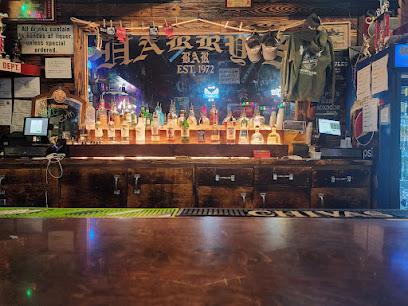
Harry's Bar
2.3 km
Experience the lively atmosphere and delightful drinks at Harry's Bar in Tuscaloosa, Alabama, a must-visit for any traveler seeking local flavor.
Scooter's
4.0 km
Scooter's Bar in Tuscaloosa offers a lively atmosphere and affordable drinks, perfect for unwinding and enjoying local nightlife.