Murphy-Collins House, Tuscaloosa Travel Guide
Explore the legacy of Tuscaloosa's African American community at the historic Murphy-Collins House, now a captivating museum.
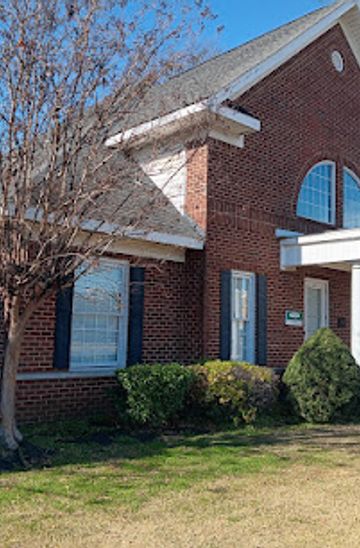
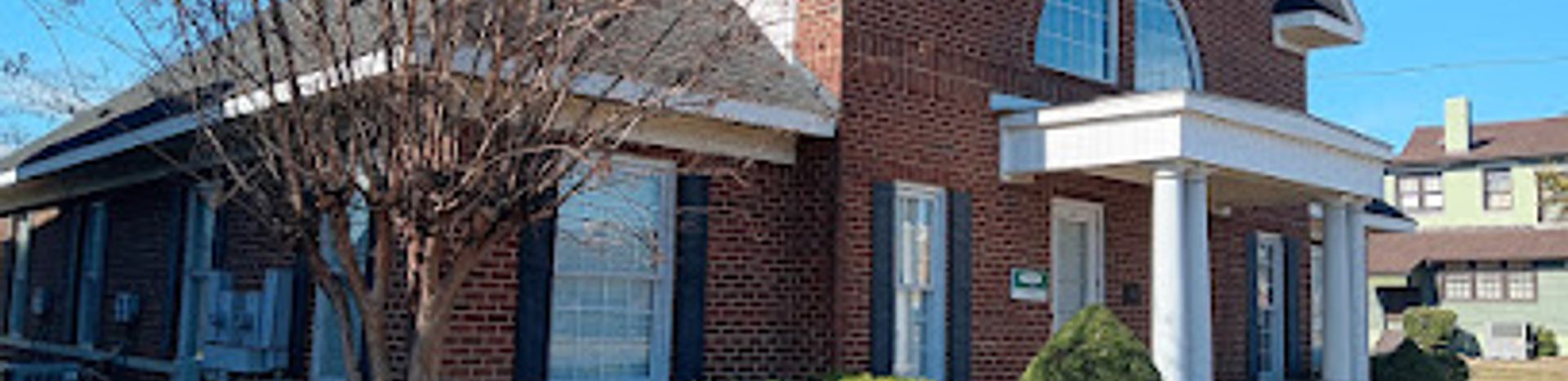
The Murphy-Collins House, now the Murphy African American Museum, offers a window into the lives of affluent African Americans in Tuscaloosa during the early 20th century. Built in the 1920s by Will J. Murphy, a pioneering black mortician, the house showcases salvaged materials from the state's old capitol building.
A brief summary to Murphy-Collins House
- 2601 Paul W Bryant Dr, Tuscaloosa, Alabama, 35401, US
- Click to display
- Click to display
- Tuesday 10 am-3 pm
- Wednesday 10 am-3 pm
- Thursday 10 am-3 pm
- Friday 10 am-3 pm

Know before you go
Hi, I'm Eve. Here are a few practical things to know before exploring Murphy-Collins House.
- Tours are available Tuesday through Friday; booking in advance is recommended to ensure availability.
- Admission is free, but donations are welcome and support the museum's preservation efforts.
- Combine your visit with a trip to nearby attractions like the Battle-Friedman House or the Jemison-Van de Graaff Mansion.
Do you manage this location?
Take control to get all the benefits, like improved information, better appearance, and stronger visibility across AI-powered discovery. Learn more
Activate your presenceOther nearby places you may find interesting
The closest places of the same kind, if this one is not quite what you had in mind.

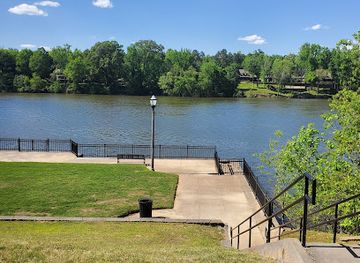
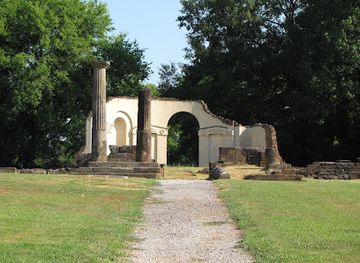
Explore Murphy-Collins House on the Map
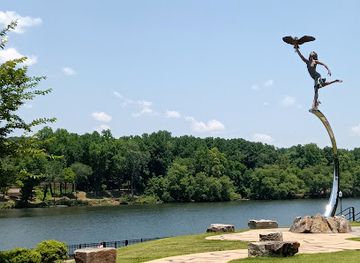
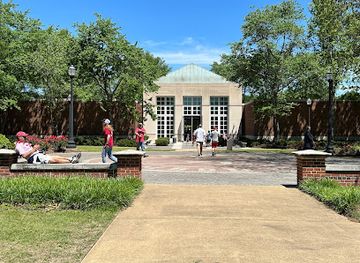
A handpicked selection of must-see spots near Murphy-Collins House, mapped for you.
Getting There
-
Walking
The Murphy-Collins House is located in downtown Tuscaloosa, a short walk from Capitol Park and the Riverwalk. From Capitol Park, walk east along Paul W. Bryant Drive for about 5 minutes. The museum will be on your right.
-
Driving
If driving, the Murphy-Collins House is easily accessible from downtown Tuscaloosa. Free parking is available in the lot directly across the street from the museum. From University Boulevard, turn onto Paul W. Bryant Drive. The museum will be on your left. Parking is free.
-
Public Transport
The Tuscaloosa Trolley stops near the Murphy-Collins House. Check the Tuscaloosa Transit website for the most up-to-date route information and schedules. From the nearest trolley stop, it is a short walk to the museum. A single ride fare is $1.25.
Discover more about Murphy-Collins House













Your all‑in‑one travel companion app
Explore expert travel guides, compare and book tours, experiences, hotels, and more—all from the palm of your hand. Download now for seamless trip planning wherever your wanderlust takes you.


Explore More of Tuscaloosa
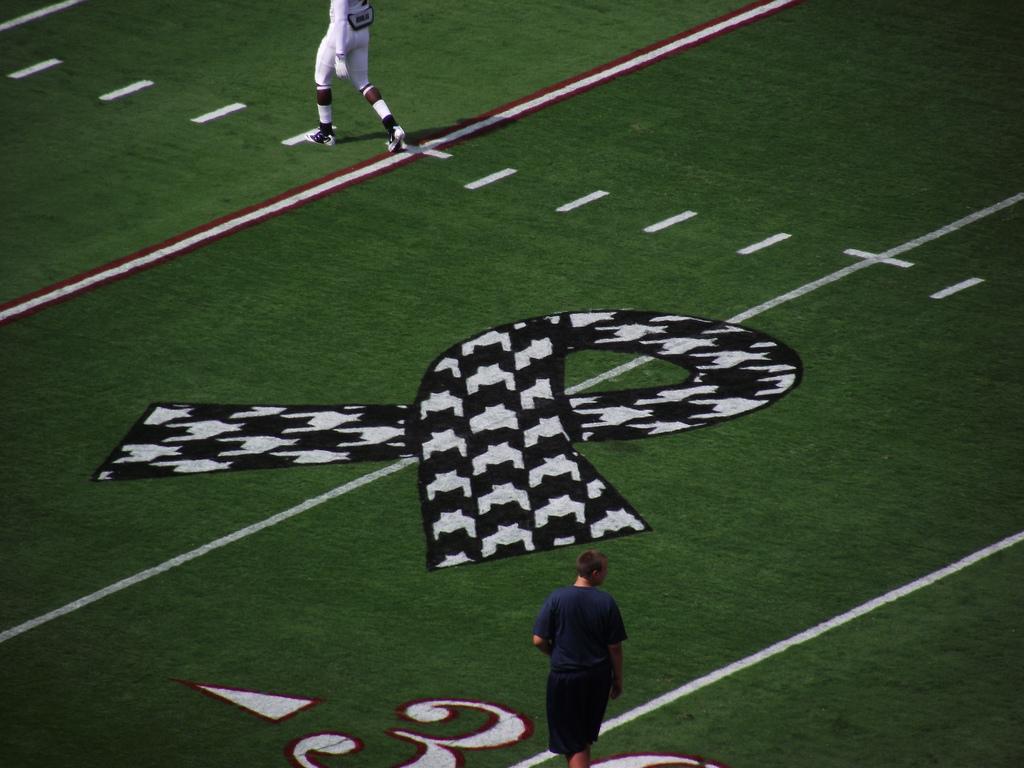
Looking beyond Murphy-Collins House? Discover Tuscaloosa for broader travel guides, local hot-spots, and regional highlights.
Explore Tuscaloosa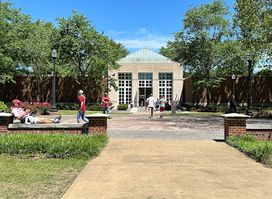
Experience the legacy of Coach Paul "Bear" Bryant and the Alabama Crimson Tide at this Tuscaloosa museum, celebrating football history and traditions.

Explore Tuscaloosa's past through transportation history at the Mildred Westervelt Warner Transportation Museum, formerly housed in the unique Queen City Pool House.