

Kodiak Island, Alaska Travel Guide
Explore Kodiak Island, Alaska's Emerald Isle, where rugged wilderness meets rich cultural heritage, and outdoor adventures await at every turn.
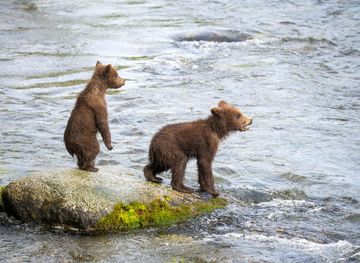
Kodiak Island, nestled in the Gulf of Alaska, offers a unique blend of rugged wilderness and rich cultural heritage. The island is often referred to as Alaska's Emerald Isle due to its lush green landscapes, which stand in stunning contrast to the deep blues of the surrounding ocean. Visitors to Kodiak Island are greeted with breathtaking vistas of soaring mountains, dense forests, and pristine beaches. Outdoor enthusiasts will find a paradise on Kodiak Island, with endless opportunities for hiking, fishing, and wildlife watching. The island is home to the famous Kodiak brown bear, one of the largest bear species in the world. Guided bear-watching tours provide a safe way to observe these magnificent creatures in their natural habitat. Additionally, the waters around Kodiak are teeming with marine life, making it a premier destination for fishing and boat tours. Kodiak Island is also rich in history and culture. The Alutiiq Museum offers insights into the island’s indigenous heritage, while the Baranov Museum provides a glimpse into its Russian colonial past. The island's small towns, such as Kodiak City, offer a charming mix of local shops, restaurants, and cultural sites. Whether you are exploring the island’s natural wonders or delving into its history, Kodiak Island promises an unforgettable experience.

Know before you go
Hi, I'm Eve. Here are a few practical things to know before exploring Kodiak Island.
- Best time to visit is from May to September when the weather is milder and wildlife is more active.
- Book guided bear-watching tours in advance as they can fill up quickly during peak season.
- Bring waterproof clothing and sturdy hiking boots, as the weather can be unpredictable.
- Visit the Alutiiq Museum to learn about the island’s indigenous culture and heritage.
- Local seafood, especially salmon and crab, is a must-try; visit local markets and restaurants to sample the freshest catch.


Best restaurants in Kodiak Island


Explore Kodiak Island on the Map
A handpicked selection of must-see spots in Kodiak Island, mapped for you.
Kodiak Island Essentials
-
Kodiak Island is accessible by air and sea. The main airport is Kodiak Benny Benson State Airport (PADQ), which has regular flights from Anchorage, Alaska, operated by Ravn Alaska and Alaska Airlines. The flight from Anchorage typically takes about an hour. Alternatively, the Alaska Marine Highway System provides ferry services to Kodiak from Homer and other ports. The ferry journey can take around 9-12 hours, depending on the route and weather conditions.
-
Once on Kodiak Island, transportation options include rental cars, taxis, and limited public transportation. Rental cars are available at the airport and in the town of Kodiak. Local taxi services can be called for shorter trips. The Kodiak Area Transit System (KATS) offers public bus services, though routes and schedules are limited. For exploring the more remote parts of the island, a rental car or guided tour is recommended.
-
The official currency is the US Dollar (USD). Credit and debit cards are widely accepted in Kodiak, including at hotels, restaurants, and most shops. ATMs are available in the town of Kodiak for cash withdrawals. It is advisable to carry some cash, especially if you plan to visit more remote areas or smaller establishments that may not accept cards.
-
Kodiak Island is generally considered safe for tourists. However, as with any travel destination, it is important to take standard precautions. Avoid walking alone at night in unfamiliar areas and keep an eye on your belongings. There are no specific high-crime areas targeting tourists, but staying vigilant and aware of your surroundings is always a good practice.
-
In case of emergency, dial 911 for immediate assistance. The Kodiak Police Department and the Kodiak Fire Department are available for emergencies. The Providence Kodiak Island Medical Center provides medical services, including emergency care. It is advisable to have travel insurance that covers medical emergencies. For minor health issues, there are pharmacies in the town of Kodiak where you can purchase over-the-counter medications.
-
Fashion: Do dress in layers and be prepared for changing weather conditions. Avoid wearing cotton as it retains moisture; opt for synthetic or wool clothing. Religion: Do be respectful when visiting local churches or religious sites. Public Transport: Do be patient with the limited public transportation options and plan your routes accordingly. Greetings: Do greet locals with a friendly hello or a nod. Eating & Drinking: Do try local seafood delicacies like salmon and crab. Don’t feed wildlife, as it can be harmful to both the animals and yourself.
-
To experience Kodiak Island like a local, visit the Kodiak Harbor and watch the fishing boats come and go. Try your hand at fishing, a popular activity among residents. Explore Fort Abercrombie State Historical Park for both its natural beauty and its World War II history. Engage with locals at the Kodiak Island Brewing Company, a favorite spot to enjoy locally crafted beers. Attend community events and festivals, such as the Kodiak Crab Festival, to immerse yourself in local culture.
When is the best time to visit Kodiak Island?
Useful Local Phrases for Kodiak Island
You don't need to speak the language perfectly. Even learning a few simple words can make conversations warmer—and locals usually appreciate the effort.
— Eve

Here are the phrases I use most often in Kodiak Island. Try a few—you'll be surprised how far they go! 😊
❤️
-
- HelloSuh'k
[Suh-k] - GoodbyeT'uhk'uh
[T'oo-k-uh] - YesYup
[Yup] - NoNah
[Nah] - Please/You're welcomeT'iyuq
[Tee-yook] - Thank youQuyana
[Koo-yah-nah] - Excuse me/SorryAyuq
[Ah-yook] - How are you?T'uhkik?
[T'oo-kee-k] - Fine. And you?T'uhk'uh. Qan'it?
[T'oo-k-uh. Kah-nit] - Do you speak English?English t'uhk'uh?
[English too-k-uh?] - I don't understandAyuq t'uhk'uh
[Ah-yook too-k-uh]
- HelloSuh'k
-
- I'd like to see the menu, pleaseT'uhk'uh qak'ut, t'iyuq
[T'oo-k-uh kah-koot, tee-yook] - I don't eat meatAyuq t'uhk'uh t'ek'uh
[Ah-yook too-k-uh tah-k-uh] - Cheers!T'iyuq!
[Tee-yook!] - I would like to pay, pleaseT'uhk'uh qak'ut t'iyuq
[T'oo-k-uh kah-koot tee-yook]
- I'd like to see the menu, pleaseT'uhk'uh qak'ut, t'iyuq
-
- Help!T'uhk'uh!
[T'oo-k-uh!] - Go away!T'uhk'uh t'ik'uh!
[T'oo-k-uh tee-k-uh!] - Call the Police!T'uhk'uh t'uhk'uh Police!
[T'oo-k-uh too-k-uh Police!] - Call a doctor!T'uhk'uh t'uhk'uh doctor!
[T'oo-k-uh too-k-uh doctor!] - I'm lostAyuq t'uhk'uh qik'uh
[Ah-yook too-k-uh kee-k-uh] - I'm illAyuq t'uhk'uh qik'uh
[Ah-yook too-k-uh kee-k-uh]
- Help!T'uhk'uh!
-
- I'd like to buy...T'uhk'uh t'ik'uh...
[T'oo-k-uh tee-k-uh...] - I'm just lookingAyuq qak'ut
[Ah-yook kah-koot] - How much is it?T'uhk'uh qik'uh?
[T'oo-k-uh kee-k-uh?] - That's too expensiveT'uhk'uh t'ek'uh qik'uh
[T'oo-k-uh tah-k-uh kee-k-uh] - Can you lower the price?T'uhk'uh t'ik'uh qik'uh?
[T'oo-k-uh tee-k-uh kee-k-uh?]
- I'd like to buy...T'uhk'uh t'ik'uh...
-
- What time is it?T'uhk'uh qik'uh?
[T'oo-k-uh kee-k-uh?] - It's one o'clockT'uhk'uh qik'uh t'ik'uh
[T'oo-k-uh kee-k-uh tee-k-uh] - Half past (10)T'uhk'uh qik'uh (10)
[T'oo-k-uh kee-k-uh (10)] - MorningT'uhg'uh
[T'oo-g-uh] - AfternoonT'uhk'uh t'uhg'uh
[T'oo-k-uh too-g-uh] - EveningT'uhk'uh qak'ut
[T'oo-k-uh kah-koot] - YesterdayT'uhg'uh qik'uh
[T'oo-g-uh kee-k-uh] - TodayT'uhg'uh t'uhg'uh
[T'oo-g-uh too-g-uh] - TomorrowT'uhg'uh t'uhg'uh qik'uh
[T'oo-g-uh too-g-uh kee-k-uh] - 1T'ik'uh
[Tee-k-uh] - 2T'uhk'uh
[T'oo-k-uh] - 3T'ik'uh t'uhg'uh
[Tee-k-uh too-g-uh] - 4T'uhk'uh qik'uh
[T'oo-k-uh kee-k-uh] - 5T'uhg'uh
[T'oo-g-uh] - 6T'uhk'uh qik'uh
[T'oo-k-uh kee-k-uh] - 7T'ik'uh t'uhg'uh
[Tee-k-uh too-g-uh] - 8T'uhk'uh
[T'oo-k-uh] - 9T'ik'uh
[Tee-k-uh] - 10T'uhk'uh
[T'oo-k-uh]
- What time is it?T'uhk'uh qik'uh?
-
- Where's a/the...?T'uhk'uh qik'uh...?
[T'oo-k-uh kee-k-uh...?] - What's the address?T'uhk'uh qik'uh address?
[T'oo-k-uh kee-k-uh address?] - Can you show me (on the map)?T'uhk'uh qik'uh t'ik'uh (map)?
[T'oo-k-uh kee-k-uh tee-k-uh (map)?] - When's the next (bus)?T'uhk'uh qik'uh next (bus)?
[T'oo-k-uh kee-k-uh next (bus)?] - A ticket (to ....)T'uhk'uh qik'uh t'ik'uh (to ....)
[T'oo-k-uh kee-k-uh tee-k-uh (to ....)]
- Where's a/the...?T'uhk'uh qik'uh...?
History of Kodiak Island
-
In 1763, Russian explorers and fur traders, led by Stephan Glotov, were the first Europeans to arrive on Kodiak Island. This marked the beginning of Russian influence in the region, which would last for over a century. The island's indigenous Alutiiq population encountered significant changes during this period, as the Russians established fur trading posts and settlements, most notably the Three Saints Bay settlement in 1784.
-
Founded in 1799, the Russian-American Company played a crucial role in the development of Kodiak Island. Under the leadership of Alexander Baranov, the company established Kodiak as the administrative center of Russian America. Baranov relocated the main settlement from Three Saints Bay to the present-day site of Kodiak City, where he built a fort and other infrastructure to support the fur trade.
-
In 1805, one of the most significant conflicts between the Russian colonists and the indigenous Alutiiq people occurred—the Battle of Sitkalidak Strait. The Alutiiq warriors, led by a chief named Anfeg, resisted Russian encroachment and attempted to reclaim their lands. Despite their efforts, the battle resulted in a Russian victory, further consolidating Russian control over the island.
-
In 1867, the United States purchased Alaska from Russia for $7.2 million. This historic transaction, known as the Alaska Purchase, included Kodiak Island. The transfer of ownership marked the end of Russian rule and the beginning of American influence. The U.S. government established a military presence on the island, and American settlers began to arrive, bringing new economic opportunities and cultural changes.
-
During World War II, Kodiak Island gained strategic military importance due to its location in the North Pacific. In 1941, the U.S. Army established Fort Greely (not to be confused with the Fort Greely in mainland Alaska) on the island to defend against potential Japanese attacks. The military presence brought significant economic activity and development, including the construction of roads, airfields, and other infrastructure that would benefit the island long after the war.
-
On March 27, 1964, Kodiak Island experienced one of the most powerful earthquakes in recorded history—the 9.2 magnitude Good Friday Earthquake. The quake and the resulting tsunamis caused extensive damage to Kodiak City and other settlements on the island. The disaster led to a massive rebuilding effort and brought the community together in recovery and resilience.
-
In the latter half of the 20th century, Kodiak Island emerged as a hub for commercial fishing, particularly for crab, salmon, and halibut. The island's rich marine resources attracted fishermen from across the world, transforming Kodiak City into one of the busiest fishing ports in the United States. The fishing industry remains a cornerstone of the local economy and culture, celebrated annually during events like the Kodiak Crab Festival.
Neighbouring Regions of Kodiak Island
The closest regions to Kodiak Island, if you have time for more than one.




Your all‑in‑one travel companion app
Explore expert travel guides, compare and book tours, experiences, hotels, and more—all from the palm of your hand. Download now for seamless trip planning wherever your wanderlust takes you.


Explore More of Alaska

Looking beyond Kodiak Island? Discover Alaska for broader travel guides, local hot-spots, and regional highlights.
Explore AlaskaKodiak Island in Photos
Browse through our photo collection highlighting the charm and character of the destination.


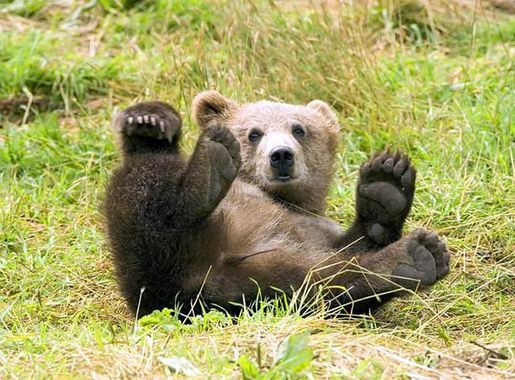


Kodiak Island: Alaska's Untamed Frontier
Kodiak Island, nestled in the Gulf of Alaska, offers a unique blend of rugged wilderness and rich cultural heritage. The island is often referred to as Alaska's Emerald Isle due to its lush green landscapes, which stand in stunning contrast to the deep blues of the surrounding ocean. Visitors to Kodiak Island are greeted with breathtaking vistas of soaring mountains, dense forests, and pristine beaches. Outdoor enthusiasts will find a paradise on Kodiak Island, with endless opportunities for hiking, fishing, and wildlife watching. The island is home to the famous Kodiak brown bear, one of the largest bear species in the world. Guided bear-watching tours provide a safe way to observe these magnificent creatures in their natural habitat. Additionally, the waters around Kodiak are teeming with marine life, making it a premier destination for fishing and boat tours. Kodiak Island is also rich in history and culture. The Alutiiq Museum offers insights into the island’s indigenous heritage, while the Baranov Museum provides a glimpse into its Russian colonial past. The island's small towns, such as Kodiak City, offer a charming mix of local shops, restaurants, and cultural sites. Whether you are exploring the island’s natural wonders or delving into its history, Kodiak Island promises an unforgettable experience.