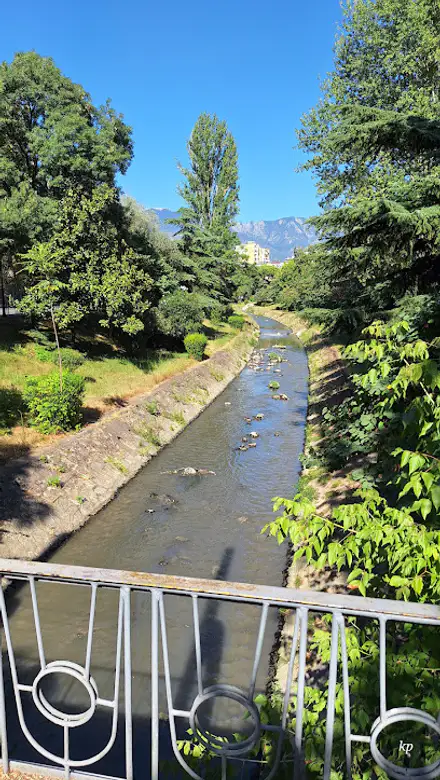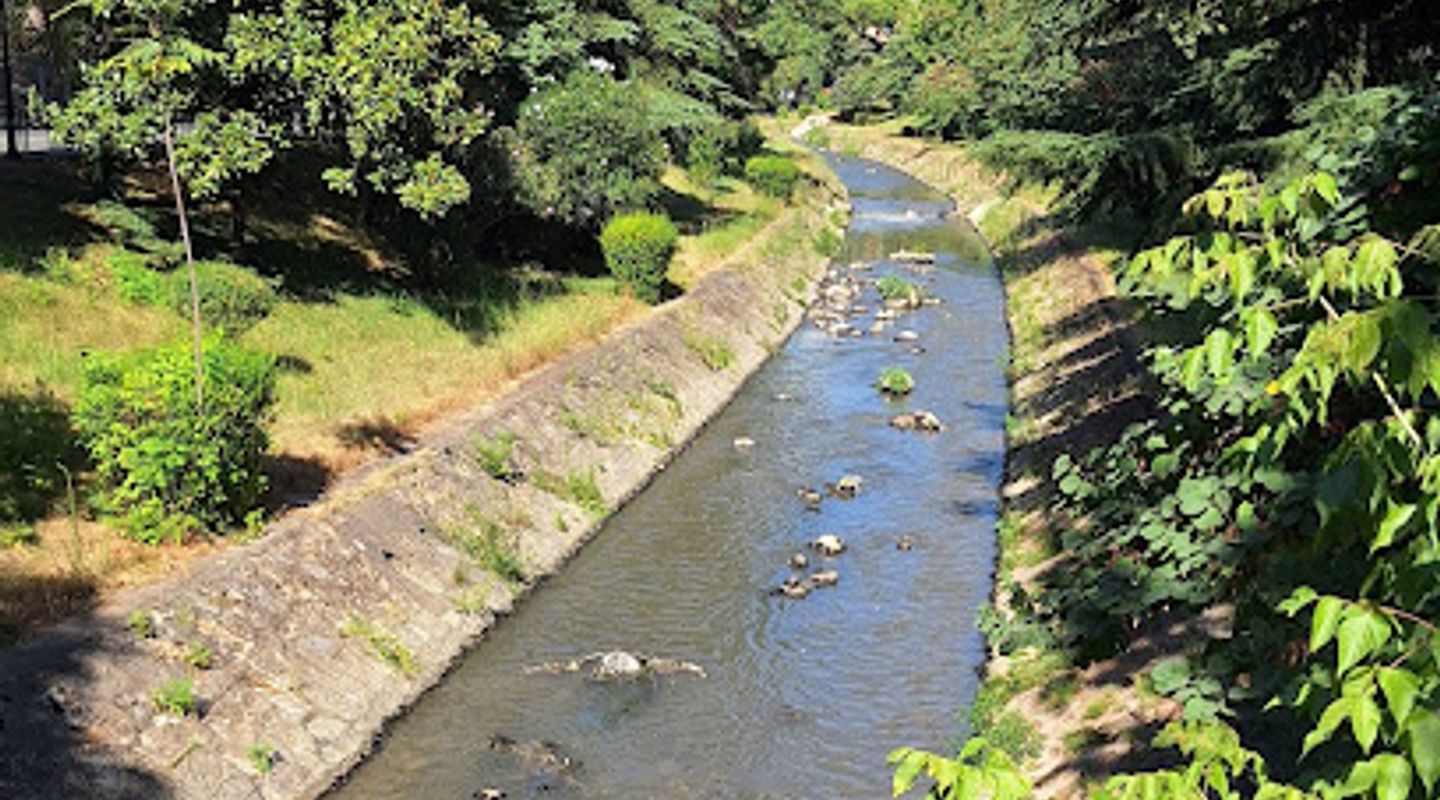
TIRANA, Has Travel Guide
Explore Tirana, Albania's vibrant capital: a blend of Ottoman history, Italian architecture, and modern transformation in the heart of the Balkans.
Tirana, the capital of Albania, is a vibrant city showcasing a blend of historical influences and modern aspirations. Founded in 1614, it gained prominence in the 20th century and has since transformed into a bustling metropolis with a unique architectural landscape, blending Ottoman-era structures, Italian colonial buildings, and contemporary designs.
A brief summary to TIRANA
- 1000, Tirana, 1000, AL
- Click to display

Know before you go
Hi, I'm Eve. Here are a few practical things to know before exploring TIRANA.
- Explore Skanderbeg Square, the heart of Tirana, to see the National Historical Museum, Et'hem Bey Mosque and other landmarks.
- Visit Blloku for nightlife, restaurants and cafes. This area was once restricted to Communist elites.
- Take the Dajti Ekspres cable car for panoramic views of Tirana and the surrounding mountains.
- Try local Albanian cuisine at traditional restaurants in the city center or the New Bazaar (Pazari i Ri).
- Use the Tirana public bus system, which is an inexpensive way to get around the city.
Do you manage this location?
Take control to get all the benefits, like improved information, better appearance, and stronger visibility across AI-powered discovery. Learn more about listing your business on Evendo
Activate your presenceOther nearby places you may find interesting
The closest places of the same kind, if this one is not quite what you had in mind.
Explore TIRANA on the Map
A handpicked selection of must-see spots near TIRANA, mapped for you.
Getting There
-
Public Transport
Tirana's city center is accessible via the public bus system. Many bus lines stop near Skanderbeg Square. A single bus fare costs 40 Lek. Purchase tickets from the conductor on the bus. Buses operate between approximately 6:00 AM and 11:00 PM. Check online for the Tirana bus map.
-
Taxi
Taxis are readily available in Tirana. An average taxi ride within the city center should cost between 300-500 Lek. It's advisable to agree on the fare with the driver before starting your journey. Taxi apps like Patoko are also available.
-
Walking
The city center of Tirana, including Skanderbeg Square and nearby attractions, is easily walkable. From most central locations, you can reach Skanderbeg Square within a 10-15 minute walk. Landmarks such as the Et'hem Bey Mosque and the National Historical Museum are located on Skanderbeg Square.
-
Parking
If driving, parking is available in the city center, but can be limited. Street parking is divided into zones with varying hourly rates: Zone A (most central) is 100 Lek/hour, Zone B is 40 Lek/hour, and Zone C is 20 Lek/hour. Parking is free on weekdays between 8:00 PM and 7:30 AM. You can pay for parking via SMS. There are also several parking garages available with rates between 100-300 Lek/hour.
Discover more about TIRANA













Your all‑in‑one travel companion app
Explore expert travel guides, compare and book tours, experiences, hotels, and more—all from the palm of your hand. Download now for seamless trip planning wherever your wanderlust takes you.


Explore More of Has
Looking beyond TIRANA? Discover Has for broader travel guides, local hot-spots, and regional highlights.
Explore Has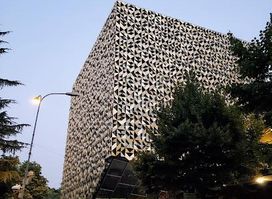
Discover the vibrant energy of Blloku in Tirana, where history, culture, and modernity collide in a lively social scene.
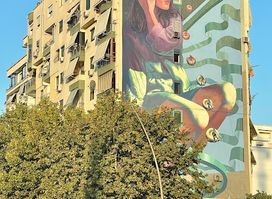
Experience Tirana's vibrant street art scene at the GAIA - Wild Drawing mural, a colorful symbol of artistic evolution and environmental awareness.