

Free Has Travel Guide & Mobile App
Explore Has with free travel guides. Discover regional history, expert tips, proposed trips, and audio guides on web or mobile app.


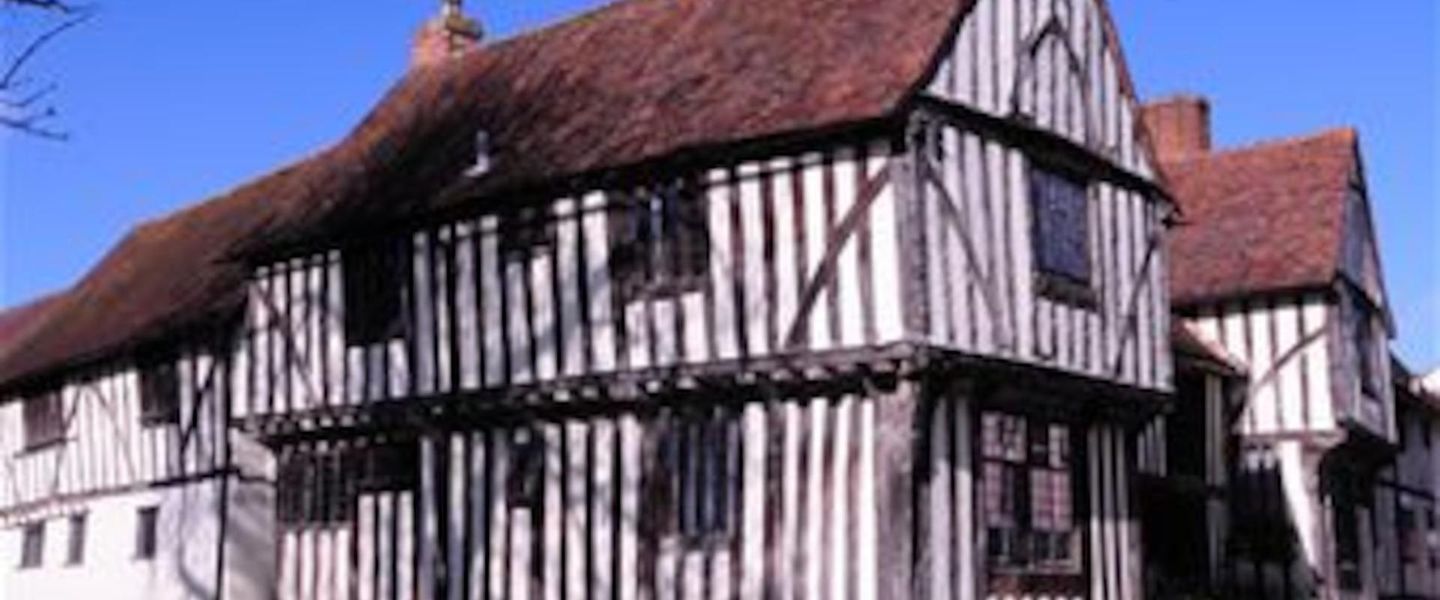


Explore Has in northeastern Albania for mountain villages, borderland culture, rural food and quiet landscapes near Kukës and Kosovo.
Read more about Has
When is the best time to visit Has?
Best: May–June, September · 23–28°C| Month | High (°C) | Rainfall (mm) |
|---|---|---|
| January | 6 | 85 |
| February | 7 | 74 |
| March | 13 | 73 |
| April | 18 | 63 |
| May (best) | 23 | 58 |
| June (best) | 28 | 46 |
| July | 31 | 37 |
| August | 31 | 35 |
| September (best) | 26 | 47 |
| October | 19 | 70 |
| November | 12 | 85 |
| December | 7 | 101 |
Getting to and around Has
How to get there
Transportation
Best attractions in Has
Has offers a predominantly rural form of sightseeing, centred on mountain scenery, village life and the cultural texture of Albania’s northeastern borderlands. Krumë is the natural starting point for exploring the municipality, with its everyday streets, cafés and local services providing context before journeys into the surrounding settlements. Golaj, Fajza and Gjinaj introduce visitors to agricultural landscapes, stone houses, pasture and small valleys where traditional rural practices remain visible. The region’s hills and upland areas are suitable for walking, landscape photography and birdwatching, although many routes are informal rather than marked tourist trails. Views towards the Kosovo frontier and the wooded, reservoir-influenced landscapes near the municipality’s southern and western edges add a changing geographical backdrop. The border road towards Qafë Prush is of interest for travellers following historic and contemporary connections between Albania and Kosovo, but it should be treated as a controlled transport corridor rather than a casual walking area. Visitors seeking museums, major archaeological collections or large organised family attractions will find fewer options than in Tirana, Shkodër or Gjirokastër. Has is better suited to slow travel, local food, village conversations arranged through hosts and outdoor exploration undertaken with sensible preparation.
-
Tourist attraction
Butrint National Archaeological Park
Explore the stunning Butrint National Archaeological Park, where ancient ruins meet breathtaking landscapes in Albania's historical heart.
-
Tourist attraction
The Blue Eye
Discover the enchanting Blue Eye of Albania, a natural spring with mesmerizing beauty and captivating legends. A must-see destination!
-
Tourist attraction
Skanderbeg Square
Discover Skanderbeg Square in Tirana: a vibrant hub of Albanian history, culture, and national pride, surrounded by iconic landmarks and modern attractions.
-
Tourist attraction
Tirana Park
Escape the city bustle in Tirana's Grand Park, a green oasis with a lake, gardens, historical monuments, and recreational activities for everyone.



Best landmarks in Has
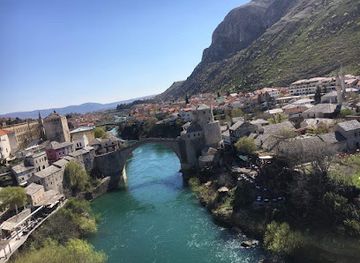
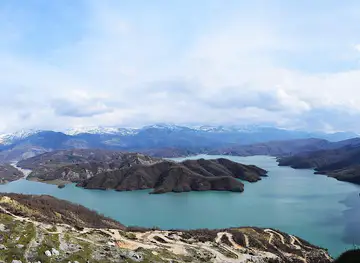
The most recognisable landmarks of Has are geographical and communal rather than monumental. Krumë, the municipality’s administrative centre, anchors the region’s road network and provides a visible point of reference in a landscape of wooded hills and open pasture. The northern Albanian mountain ridges and the border-facing slopes towards Kosovo form the region’s principal natural landmarks, changing in character with weather, season and altitude. The Qafë Prush crossing is a significant modern border point, reflecting Has’s long-standing relationship with Kosovo, although it is a functional frontier facility rather than a sightseeing monument. Rural stone houses, farm compounds and older tower-like dwellings in the villages are important vernacular landmarks because they express the region’s highland building traditions and dispersed settlement history. In suitable viewpoints, the reservoir landscapes linked to Fierza add a broad expanse of water to the otherwise mountainous setting. The wider silhouette of Pashtrik, a cross-border mountain associated with both Albania and Kosovo, may be seen from parts of the borderland, but it should not be represented as lying wholly within Has. Together these places convey the region’s identity through terrain, settlement and frontier geography.
-
National park
Butrint National Archaeological Park
Explore Butrint National Archaeological Park, a UNESCO World Heritage site filled with ancient ruins and breathtaking natural beauty in Albania.
-
Nature preserve
The Blue Eye
Discover the mesmerizing Blue Eye of Albania: a natural spring with stunning turquoise waters and lush forest surroundings, a must-see destination near Sarandë.
-
Tourist attraction
Skanderbeg Square
Discover Albania's heart in Skanderbeg Square, Tirana: where history, culture, and vibrant city life converge in a dynamic, pedestrian-friendly space.
-
Castle
Castle of Gjirokastra
Explore Gjirokastra Castle, a Balkan fortress with centuries of Albanian history, from Byzantine origins to Cold War relics, and panoramic views.


Explore Has on the map
Plan your trip on one map. See where the top cities, national parks and sights are, and book hotels and experiences in a few clicks.
Best hotels in Has
Best restaurants in Has
Dining in Has is modest, seasonal and closely connected with household cooking rather than a large restaurant industry. In Krumë, small cafés and family-run eateries may serve grilled meat, soups, beans, salads, bread and simple pastries, while rural visits can provide access to home-style dishes when arranged in advance. Northern Albanian and Kosovo-linked food traditions are evident in layered flija, savoury pite, dairy products, maize-based dishes, potatoes, preserved vegetables and meat cooked over an open fire or slowly in a pot. Local produce varies with the season, and mountain households may offer yoghurt, cheese, honey or fruit preserves when available. Menus can be limited, so visitors with allergies or dietary restrictions should explain them clearly before ordering. The region is not known for a formal fine-dining circuit; its culinary interest lies in generous portions, practical highland recipes and the social setting in which food is shared. Kukës, outside Has, provides a broader choice of restaurants for travellers needing more variety.
-
Traditional restaurant
Oda - Traditional Albanian Restaurant
Experience authentic Albanian flavors at Oda - where tradition meets taste in every dish.
-
Restaurant
Restorant Tymi
Experience authentic Greek and Mediterranean flavors at Restorant Tymi in Tirana – where every dish tells a story.
-
Restaurant
Rozafa - Fish City
Experience the vibrant atmosphere at Rozafa - Fish City in Labinot-Fushë – where delicious seafood meets exceptional hospitality.
-
Restaurant
Salt Tirana
Experience the exquisite flavors of Albania at Salt Restaurant in Tirana – where culinary artistry meets vibrant nightlife.


Best bars in Has
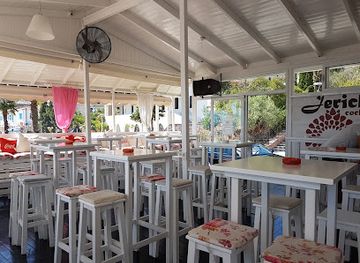
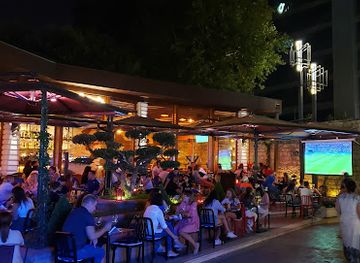
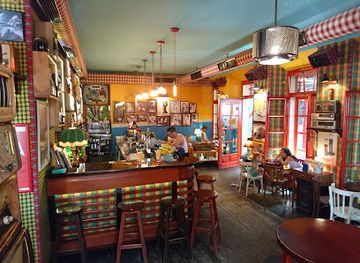
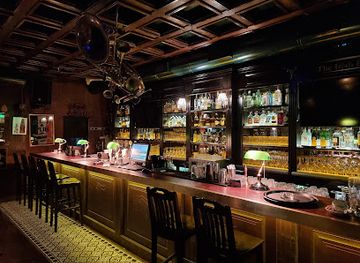
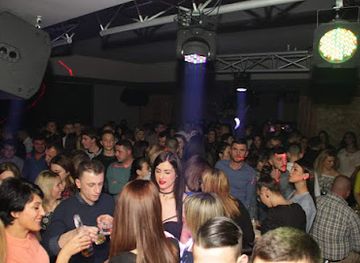
Nightlife in Has is quiet and mainly social rather than club-oriented. Krumë’s cafés are the principal places for an evening drink, conversation and coffee, with activity shaped by local routines rather than a concentrated entertainment district. Traditional restaurants and family venues may stay open into the evening, especially when accommodating groups, but opening arrangements vary and should not be assumed. In villages, evenings are generally centred on homes, guest accommodation or community gatherings rather than bars and nightclubs. Travellers looking for live music, a larger selection of bars or late-night venues will find more choice in Kukës, outside Has, though it remains a small regional centre rather than a major nightlife destination. Albanian coffee culture is important, while raki may be offered as a customary welcome; accepting a small serving is courteous, but drinking alcohol is not necessary to participate in local social life.
-
Cocktail bar
Jericho Cocktail Bar
Experience the vibrant nightlife and exquisite cocktails at Jericho Cocktail Bar, Saranda's premier destination for relaxation and fun by the sea.
-
Bar
Oping's Cocktails & Beer
Discover the vibrant atmosphere and delectable drinks at Oping's Cocktails & Beer, a prime spot for nightlife in Tirana, Albania.
-
Cocktail bar
Radio bar Tirana
Experience the lively ambiance and expertly crafted cocktails at Radio Bar Tirana, a must-visit destination for nightlife enthusiasts.
-
Irish pub
New Irish Pub
Discover the charm of Irish culture at New Irish Pub in Tirana, where lively music, delicious food, and friendly vibes await.
Best nightclubs in Has
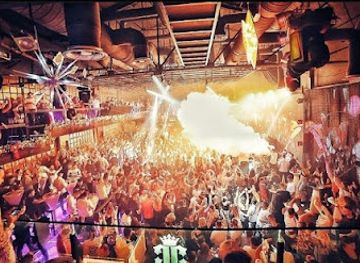
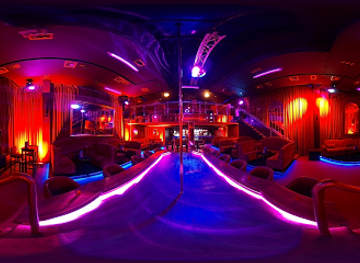
Nightlife in Has is quiet and mainly social rather than club-oriented. Krumë’s cafés are the principal places for an evening drink, conversation and coffee, with activity shaped by local routines rather than a concentrated entertainment district. Traditional restaurants and family venues may stay open into the evening, especially when accommodating groups, but opening arrangements vary and should not be assumed. In villages, evenings are generally centred on homes, guest accommodation or community gatherings rather than bars and nightclubs. Travellers looking for live music, a larger selection of bars or late-night venues will find more choice in Kukës, outside Has, though it remains a small regional centre rather than a major nightlife destination. Albanian coffee culture is important, while raki may be offered as a customary welcome; accepting a small serving is courteous, but drinking alcohol is not necessary to participate in local social life.
-
Night club
Cinco Cavalli Premium Club
Discover the vibrant nightlife at Cinco Cavalli Premium Club in Sauk, Albania, where music, energy, and unforgettable moments await.
-
Adult entertainment club
Lust Night Club ( Strip )
Discover Tirana's vibrant nightlife at Lust Night Club, where electrifying performances and a lively atmosphere await every night.
-
Night club
Urgjenca Club
Discover the vibrant nightlife at Urgjenca Club, Tirana's premier night club for music, dance, and unforgettable experiences.
-
Night club
Havanna club
Discover the excitement of Elbasan's nightlife at Havanna Club, where great music and vibrant energy await every visitor.

Best shops in Has
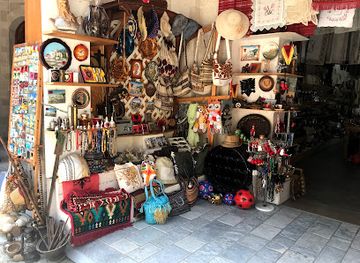
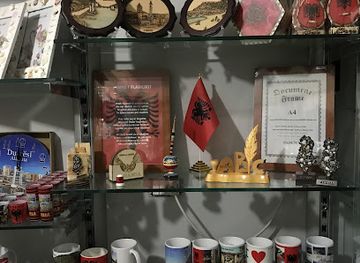
Shopping in Has is practical and local rather than extensive. Krumë has the largest concentration of small shops and everyday services, while village stores cater mainly to residents and may have limited opening arrangements. Travellers can look for Albanian pantry products such as honey, cheese, preserves, dried goods and seasonal produce, although availability and packaging vary by producer. Small markets and roadside sellers may offer fruit, vegetables or dairy items at the appropriate time of year, but they are not necessarily permanent tourist markets. Traditional crafts are more likely to be encountered through local households or personal introductions than in dedicated souvenir shops. Visitors interested in textiles, woven goods or rural food products should ask accommodation hosts for reputable local contacts and check how items may legally be carried across an international border. Kukës, outside Has, offers a broader range of general retail and supplies, while Kosovo’s nearby towns may also be accessible for shopping only through the relevant legal crossing and documentation.
-
Gift shop
Memories Shop at Tirana Airport
Explore the Memories Shop at Tirana Airport for unique Albanian souvenirs and gifts, celebrating the rich culture and heritage of Albania.
-
Souvenir store
Souvenir Albani
Explore Souvenir Albani in Krujë for unique handcrafted gifts and exquisite local jewelry to cherish your Albanian memories.
-
Gift shop
Souvenir Albania RETAIL & WHOLESALE
Explore a unique collection of authentic Albanian souvenirs, handcrafted gifts, and beautiful jewelry in the heart of Shkodër at Souvenir Albania!
-
Gift shop
The Giftery Albania
Discover unique gifts and local treasures at The Giftery Albania in Tirana, the perfect stop for memorable souvenirs and cultural delights.


Get your free copy of our complete guide to Has, delivered straight to you.
Everything on this page, from attractions and restaurants to essentials and local phrases, in one PDF you can read offline, print or share.
Already have an account? Sign in
Your Has guide is ready.
We'll send it to · Not you? Sign out

Getting your guide ready…
We are putting together a fresh copy of the Has guide. This can take up to a minute.
This can take a few moments. If your browser asks, choose Allow so the download can start. You'll find the guide in your Downloads folder.
Nothing happened? Download it again
Sorry, the guide is taking longer than usual. Please try again in a minute, or get it by email instead.
Has essentials
Currency and Payment
Safety
Emergency Situations
Do's and Don'ts
Local Tips
From Eve
Local phrases worth knowing
You don't need to get them perfect. A few words go a long way, and locals appreciate the effort.
Basics
| English | Local | Say it |
|---|---|---|
| Hello | Përshëndetje | [Per-shen-deh-tye] |
| Goodbye | Mirupafshim | [Mee-roo-paf-sheem] |
| Yes | Po | [Poh] |
| No | Jo | [Yoh] |
| Please/You're welcome | Ju lutem/Mirë se vini | [Yoo loo-tem/Meer-seh vee-nee] |
| Thank you | Faleminderit | [Fah-leh-min-deh-reet] |
| Excuse me/Sorry | Më falni/Çfarë ndodhi | [Meh fal-nee/Chfar ndoh-dee] |
| How are you? | Si jeni? | [See yeh-nee?] |
| Fine. And you? | Mirë. Edhe ju? | [Meer. Edh-eh yoo?] |
| Do you speak English? | A flisni anglisht? | [Ah flees-nee an-glisht?] |
| I don't understand | Nuk kuptoj | [Nook koop-toy] |
Eating & Drinking
| English | Local | Say it |
|---|---|---|
| I'd like to see the menu, please | Do doja të shoh menunë, ju lutem | [Doh doh-yah tuh sho men-oo-nuh, yoo loo-tem] |
| I don't eat meat | Nuk ha mish | [Nook hah meesh] |
| Cheers! | Gëzuar! | [Guh-zoo-ar] |
| I would like to pay, please | Do doja të paguaj, ju lutem | [Doh doh-yah tuh pah-goo-eye, yoo loo-tem] |
Emergencies
| English | Local | Say it |
|---|---|---|
| Help! | Ndihmë! | [Ndee-hmuh] |
| Go away! | Shko larg! | [Shko lark] |
| Call the Police! | Thirri policinë! | [Thee-ree poh-lee-chee-neh] |
| Call a doctor! | Thirri një doktor! | [Thee-ree nyeh dok-tor] |
| I'm lost | Jam i humbur | [Yahm ee hoom-bur] |
| I'm ill | Jam i sëmurë | [Yahm ee su-moo-rah] |
Shopping
| English | Local | Say it |
|---|---|---|
| I'd like to buy... | Do doja të blej... | [Doh doh-yah tuh bleh...] |
| I'm just looking | Po shikoj vetëm | [Poh shee-koy veh-tem] |
| How much is it? | Sa kushton? | [Sah koosh-ton?] |
| That's too expensive | Kjo është shumë e shtrenjtë | [Kyo esht shoom eh shtren-jte] |
| Can you lower the price? | A mund të ulni çmimin? | [Ah moond tuh ool-nee chmee-min?] |
Time & Numbers
| English | Local | Say it |
|---|---|---|
| What time is it? | Sa është ora? | [Sah esht or-ah?] |
| It's one o'clock | Është një orë | [Ush-tuh nyeh or-ah] |
| Half past (10) | Pjesë e (10) | [Pye-seh eh (10)] |
| Morning | Mëngjes | [Men-jes] |
| Afternoon | Pasdite | [Pahs-dee-teh] |
| Evening | Mbrëmje | [Mbruhm-yeh] |
| Yesterday | Dje | [Dyeh] |
| Today | Sot | [Sot] |
| Tomorrow | Nesër | [Neh-ser] |
| 1 | 1 | [1] |
| 2 | 2 | [2] |
| 3 | 3 | [3] |
| 4 | 4 | [4] |
| 5 | 5 | [5] |
| 6 | 6 | [6] |
| 7 | 7 | [7] |
| 8 | 8 | [8] |
| 9 | 9 | [9] |
| 10 | 10 | [10] |
Transport & Directions
| English | Local | Say it |
|---|---|---|
| Where's a/the...? | Ku është një...? | [Koo esht nyeh...?] |
| What's the address? | Cila është adresa? | [Chee-lah esht ah-dreh-sah?] |
| Can you show me (on the map)? | A mund të më tregoni (në hartë)? | [Ah moond tuh meh treh-goh-nee (nuh hahr-tay)?] |
| When's the next (bus)? | Kur është autobusi tjetër? | [Koorr esht ow-toh-boo-see tee-eh-ter?] |
| A ticket (to ....) | Një biletë (për ....) | [Nyeh bee-leh-tuh (per ....)] |
History of Has
Early Highland Settlement and Borderland Archaeology
The hills and valleys of Has have supported small-scale settlement, pastoral activity and movement between the interior of northern Albania and the Kosovo basin for many centuries. Surviving archaeological evidence in the wider northeastern Albanian landscape points to long continuity of rural occupation, although the region is less extensively documented for visitors than the country’s major classical sites. Its geography encouraged dispersed communities, seasonal grazing and local exchange rather than the development of a large ancient urban centre. The enduring importance of routes across the mountains helps explain Has’s later role as a cultural and commercial borderland.
Medieval Northern Albania and Regional Lordships
During the medieval period, Has formed part of the wider political landscape of northern Albania, where local lords, fortified settlements and ecclesiastical institutions competed for influence. Authority changed frequently, and the region’s mountainous terrain made direct control difficult. Connections with the areas now identified as Kosovo and the wider Dukagjin zone were significant, with movement taking place through valleys and passes rather than along modern administrative boundaries. Much of the visible medieval heritage has been altered or lost, but village settlement patterns and traditional construction preserve traces of a society shaped by dispersed highland communities.
Ottoman Rule and the Formation of Local Communities
Has became part of the Ottoman Empire during the Ottoman expansion into the western Balkans, beginning a long period in which administration, taxation and religious life were influenced by imperial structures. The region remained predominantly rural, with households combining farming and livestock keeping and maintaining strong kinship networks. Mosques, village cemeteries, customary practices and patterns of seasonal movement reflected the interaction between Ottoman institutions and northern Albanian society. The period also strengthened links across the modern border area, since the communities of northeastern Albania and Kosovo shared trading routes, dialect features and family connections.
National Awakening, Boundary-Making and the Albanian State
The late nineteenth and early twentieth centuries brought growing political pressure to the Albanian-speaking lands. The region’s proximity to Kosovo and its predominantly Albanian population made the question of political borders especially consequential. After Albania declared independence in 1912, the northeastern highlands were incorporated into the new state, but communication with the rest of Albania remained difficult. Has consequently retained a strong borderland identity: local culture is Albanian, while historical and family relationships extend across the frontier. The state’s gradual establishment of schools, administration and roads reshaped, but did not erase, older local networks.
War, State Socialism and Rural Transformation
The Second World War and its aftermath brought political upheaval to northern Albania, followed after 1944 by the centralised communist system. Agriculture was reorganised through collectivisation, private economic activity was restricted and religious institutions were suppressed, as they were elsewhere in Albania. Remote mountainous districts such as Has experienced limited infrastructure and close state supervision, while roads, schools and public services were developed according to socialist priorities. The period left a durable mark on village life and on the built environment, with older forms of religious and private civic activity largely disappearing from public view until after the political transition.
Post-1990 Opening and Cross-Border Connections
After the collapse of communism, Has experienced the economic and social changes that affected much of northern Albania: migration, the decline of collectivised farming, reliance on remittances and renewed movement across the Kosovo border. Improved roads and communications made Kukës and Kosovo more accessible, although the region remains comparatively rural and economically fragile. Families often maintain connections beyond the municipality, while younger residents may study or work elsewhere. Contemporary Has therefore combines inherited highland customs with the effects of mobility, depopulation and a gradual interest in rural tourism.
Has in Photos
Browse through our photo collection highlighting the charm and character of the destination.
Neighbouring regions of Has
The closest regions to Has, if you have time for more than one.
-

-

-

-
-


Swipe for more regions
Explore more

Explore more of Albania
Discover Albania: A land of untamed beauty, rich history, and warm hospitality, offering stunning beaches, rugged mountains, and vibrant cities.
Explore Albania