Statue Constantin, Constantine Travel Guide
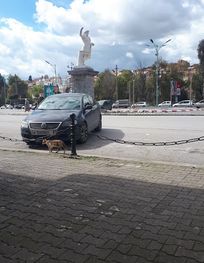
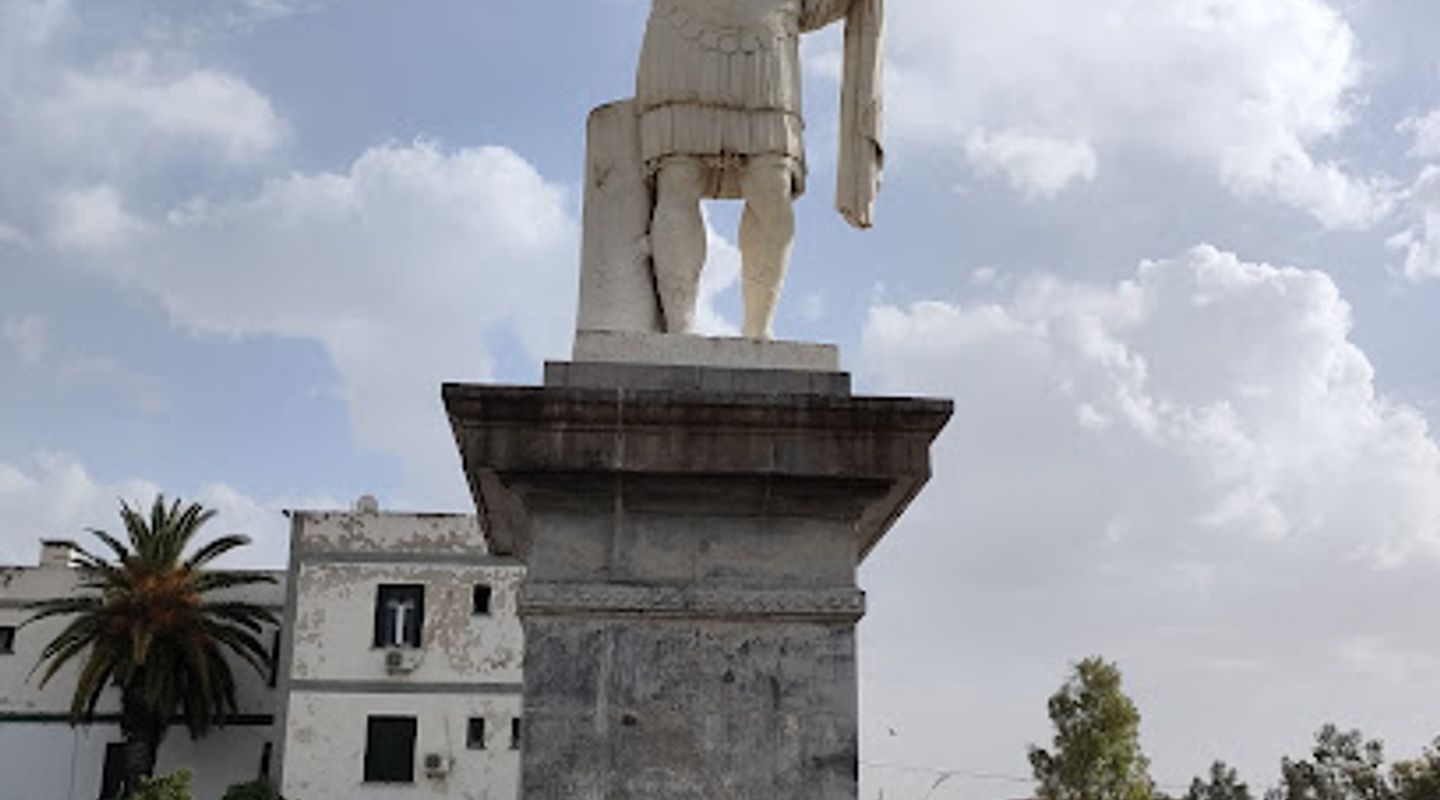
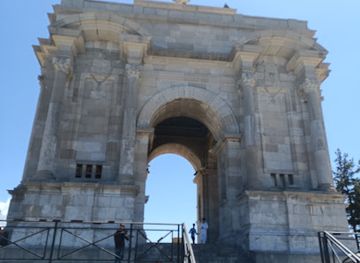
Honoring Emperor Constantine: A historical landmark in Constantine, Algeria, reflecting the city's Roman past and cultural heritage.
The Statue of Constantine in Constantine, Algeria, commemorates the Roman Emperor Constantine the Great, who renamed the city after himself in 313 AD. This historical landmark offers a connection to the city's rich past, showcasing its significance during the Roman era.
A brief summary to Statue Constantin
- 9J89+W9X, Constantine, Constantine, DZ

Know before you go
Hi, I'm Eve. Here are a few practical things to know before exploring Statue Constantin.
- Explore other historical sites in Constantine to deepen your understanding of the city's past.
- Combine your visit to the statue with a walk around the city center to see other Roman and Ottoman-era landmarks.
- Take photos of the statue with the city's unique landscape as a backdrop.
Do you manage this location?
Take control to get all the benefits, like improved information, better appearance, and stronger visibility across AI-powered discovery. Learn more about listing your business on Evendo
Activate your presenceOther nearby places you may find interesting
The closest places of the same kind, if this one is not quite what you had in mind.

Explore Statue Constantin on the Map
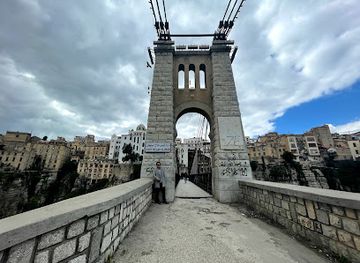
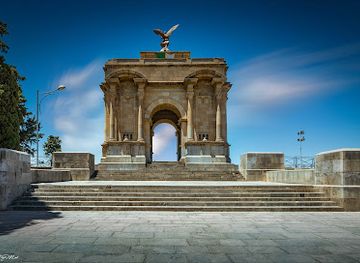
A handpicked selection of must-see spots near Statue Constantin, mapped for you.
Getting There
-
Walking
The Statue of Constantine is located in Constantine. From the city center, walking is a viable option. Orient yourself towards the city center and walk towards the statue. The walk is relatively short and offers a chance to see other landmarks. No costs are associated with walking.
-
Public Transport
Constantine has a tram system that operates in the city. Check local tram routes and schedules to see if there's a stop near the Statue of Constantine. Tram tickets cost approximately 0.27 DZD. Alternatively, buses are available, but tram is more efficient.
-
Taxi
Taxis are readily available in Constantine. A short taxi ride from the city center to the Statue of Constantine will cost approximately 68 DZD as a starting price, plus 0.28 DZD per kilometer. Ensure the taxi has a working meter or negotiate the fare before starting the journey.
Discover more about Statue Constantin













Your all‑in‑one travel companion app
Explore expert travel guides, compare and book tours, experiences, hotels, and more—all from the palm of your hand. Download now for seamless trip planning wherever your wanderlust takes you.


Explore More of Constantine
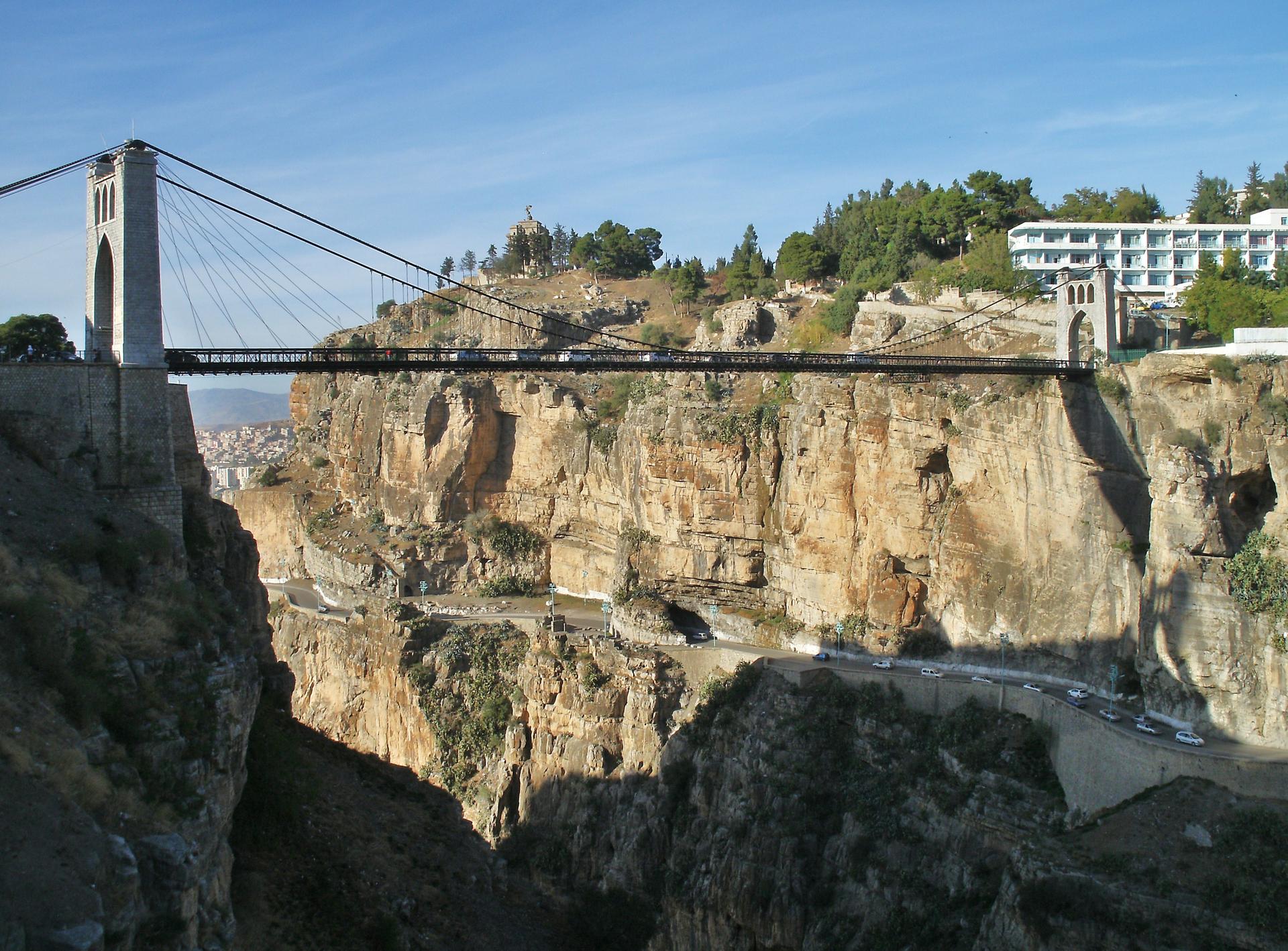
Looking beyond Statue Constantin? Discover Constantine for broader travel guides, local hot-spots, and regional highlights.
Explore Constantine