
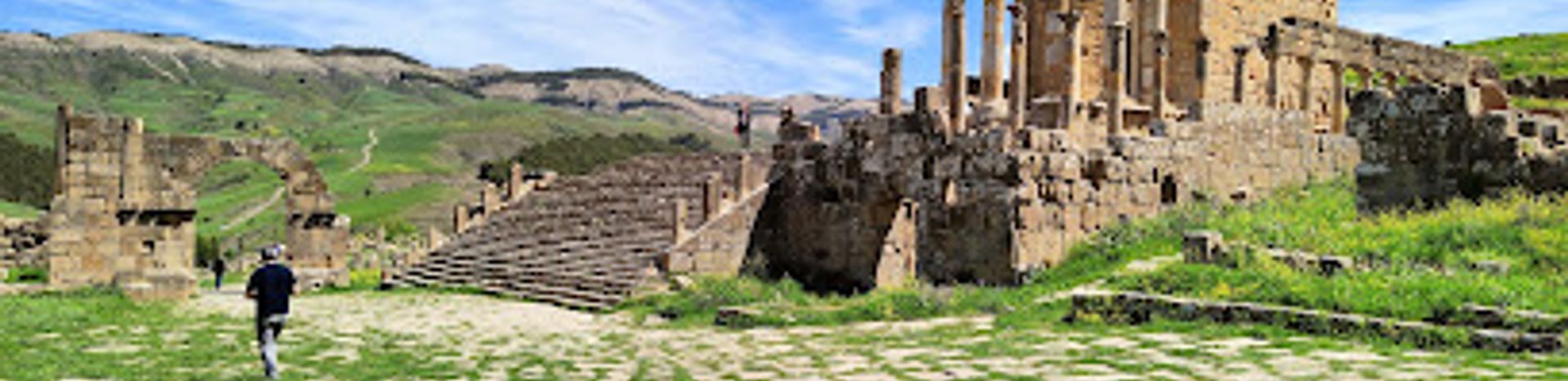
Ruins of Cuicul: A Roman Jewel in the Algerian Mountains
Explore Djémila's stunningly preserved Roman ruins, a UNESCO World Heritage site in the Algerian mountains, offering a glimpse into ancient North Africa.
The Ruins of Cuicul, known today as Djémila, are remarkably preserved Roman ruins in a mountain village in Algeria. Founded in the 1st century AD as a military garrison, the UNESCO World Heritage site showcases Roman architecture adapted to a challenging terrain. Visitors can explore temples, forums, basilicas, and a theater, all set against a stunning mountainous backdrop.
A brief summary to Ruins of Cuicul
- 8P9P+PJP, Djemila, 19025, DZ
- +213773788898
- Visit website
- Monday 8 am-5 pm
- Tuesday 8 am-5 pm
- Wednesday 8 am-5 pm
- Thursday 8 am-5 pm
- Friday 8 am-5 pm
- Saturday 8 am-5 pm
- Sunday 8 am-5 pm
Local tips
- Visit early in the morning to avoid crowds and enjoy cooler temperatures.
- Wear comfortable shoes, as the terrain is uneven.
- Bring water and snacks, as on-site facilities are limited.
- Consider hiring a local guide for a more enriching experience.
- Check the opening hours before visiting, as they may vary.

Getting There
-
Public Transport
From Constantine or Setif, take a bus or shared taxi to El Eulma. From El Eulma bus station, several public buses go to Djemila (60 DZD per person, 30-45 minutes). The bus station in Djemila is directly in front of the site's entrance.
-
Taxi
Taxis are available from Setif or El Eulma to Djémila. A taxi from El Eulma to Djemila will be cheaper as it is only 20km away, compared to Setif which is 50km away. Negotiate the price before you start your journey. A 5km taxi ride in Djemila is approximately 450 DZD.
Discover more about Ruins of Cuicul
Iconic landmarks you can’t miss

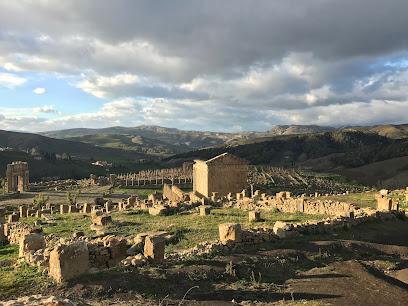
Roman Ruins of Djemila
0.0 km
Explore Djemila, a UNESCO World Heritage site, and discover remarkably preserved Roman ruins nestled in the stunning Algerian mountains.
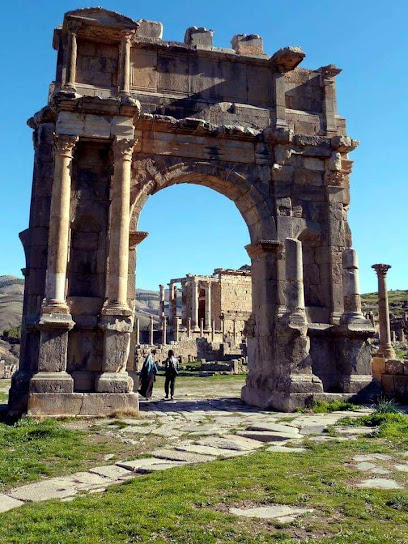
Triumphal Arch
0.2 km
A majestic Roman triumphal arch in Djemila, Algeria, honoring Emperor Caracalla and marking the entrance to the ancient city of Cuicul.
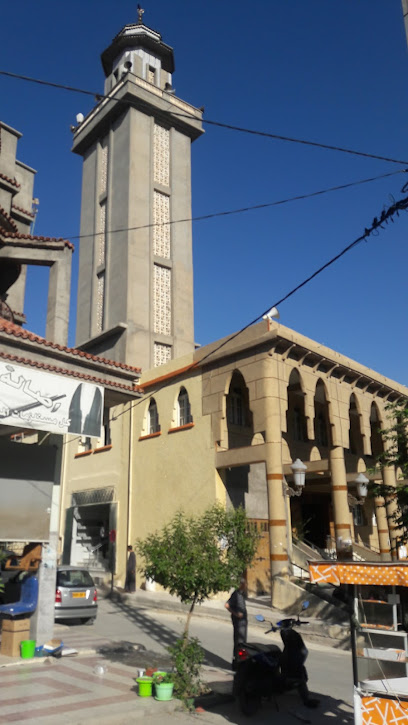
مسجد
30.2 km
مسجد سطيف: تحفة معمارية تجمع بين الأصالة والتاريخ، ورمز ديني بارز في قلب مدينة سطيف الجزائرية.
ميدان الأمير عبد القادر
31.4 km
ميدان الأمير عبد القادر: ساحة تاريخية نابضة بالحياة في قلب مدينة سطيف، الجزائر، تجسد تاريخ المدينة وثقافتها.

Orléans Garden
31.9 km
Discover Orléans Garden in Sétif: A peaceful retreat blending natural beauty with historical landmarks in the heart of the city.
القطار التاريخي
32.7 km
Step back in time and discover Algeria's railway heritage at the Historical Train in Setif, a landmark connecting the past and present.
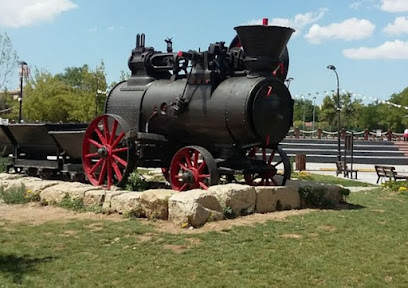
تيداس TIdess
32.9 km
Explore TIdess in Selma Benziada, a captivating historical landmark showcasing Algeria's rich cultural heritage through stunning architecture.
Ain El Fouara
33.1 km
Discover Ain El Fouara, Sétif's iconic fountain: a blend of history, art, and Algerian culture in a vibrant city center.
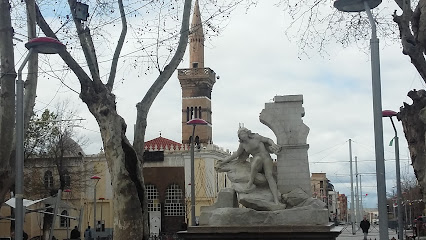
Direction du Tourisme et de l'Artisanat et du Travail Familial de setif
33.2 km
Explore Setif's cultural heart: Your guide to local attractions, artisan crafts, and historical sites in Algeria.
El Amir Abdelkader Garden
33.3 km
Discover tranquility and history at El Amir Abdelkader Garden in Sétif, a peaceful oasis in the city center perfect for a relaxing escape.
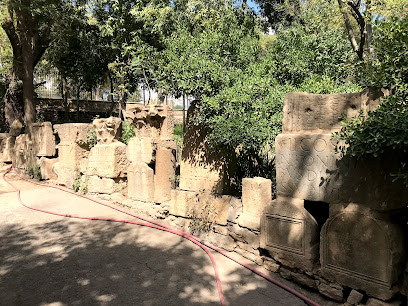
معلم سيبيون الافريقي؛LE MAUSOLEE DE SCIPION LAFRICAN
33.7 km
Explore the Roman enigma of the Mausoleum of Scipion l'Africain in Sétif, a historical site shrouded in mystery and ancient history.
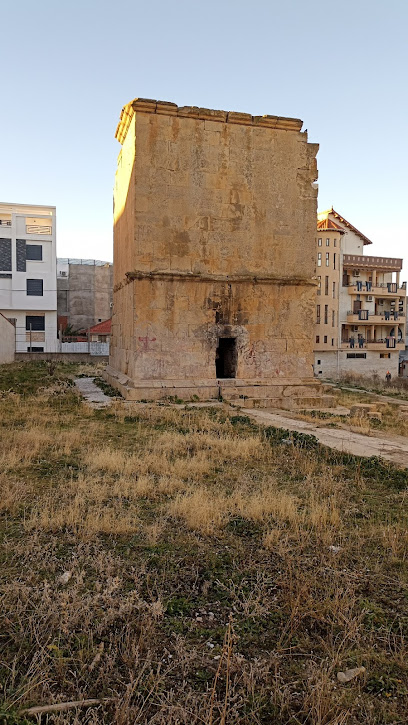
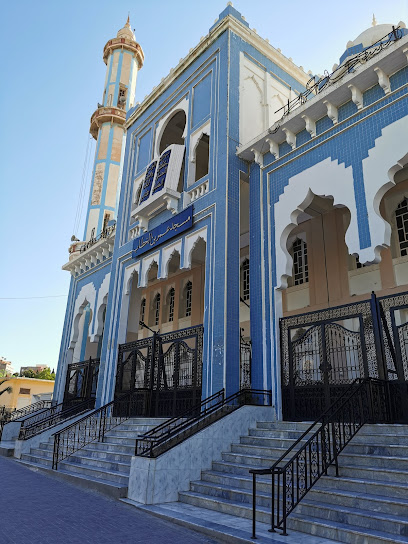
Mosque of Omar ibn al-Khattab
33.8 km
Discover the modern Islamic architecture and serene atmosphere of Setif's prominent Mosque of Omar ibn al-Khattab.
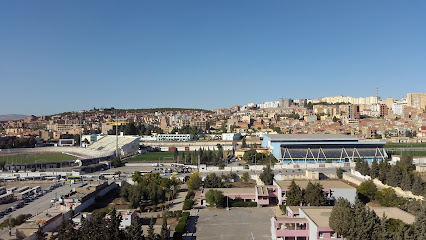
8 May 1945 Stadium
34.1 km
Home to ES Sétif, this 30,000-capacity stadium is a key sports and cultural landmark in Sétif, commemorating a pivotal moment in Algerian history.
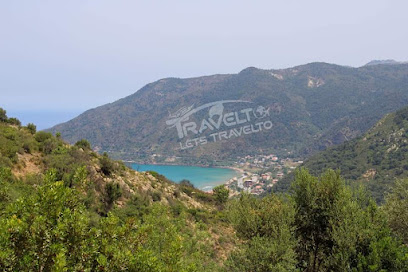
Source d'Azardiz
38.1 km
Discover the serene beauty of Source d'Azardiz in Chahna, Algeria – a hidden gem offering tranquility and stunning natural views.
المسلك الغابي للنزهة لمشتى الشريعة Chréa
45.7 km
Explore المسلك الغابي للنزهة لمشتى الشريعة Chréa: A scenic hiking area near Ziama Mansouriah offering stunning views and diverse landscapes in Algeria's High Plateaus.
Unmissable attractions to see

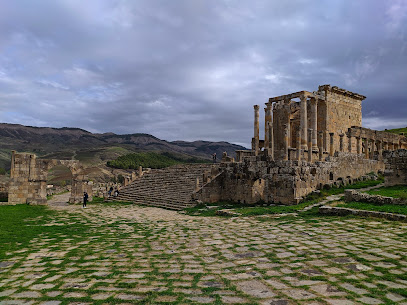
Severan Temple
0.2 km
Explore the Severan Temple in Djemila, a UNESCO World Heritage site, and discover the captivating ruins of this ancient Roman civilization.
Archaeological Museum of Djmila
0.3 km
Discover Roman civilization in North Africa at the Archaeological Museum of Djmila, home to stunning mosaics and ancient artifacts.
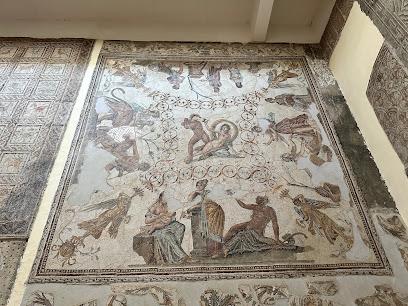
Archaeological Museum of Setif
32.5 km
Explore Algeria's ancient past at the Archaeological Museum of Setif, where artifacts and stories from the Roman, Byzantine, and Islamic eras await.
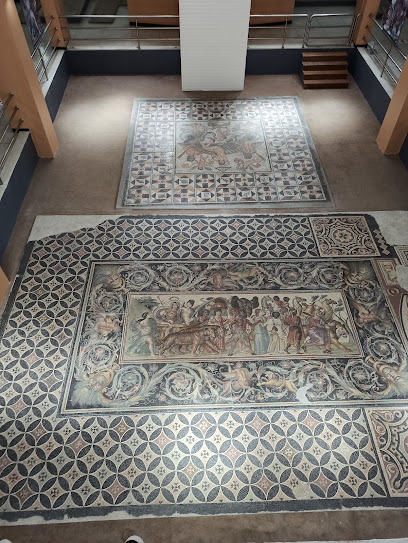
ارجوحة السفينة
32.7 km
Experience thrilling rides and family fun at Arjouha Al-Safina, Setif's premier theme park, offering lasting memories for all ages.
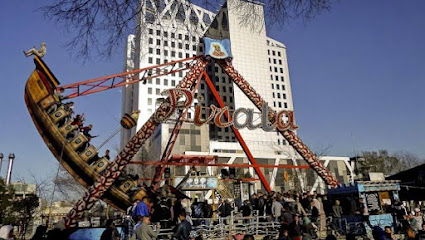
Park Attraction Setifis
32.8 km
Experience fun and nature at Park Attraction Setifis, Setif's favorite amusement park with rides, gardens, and family-friendly activities.
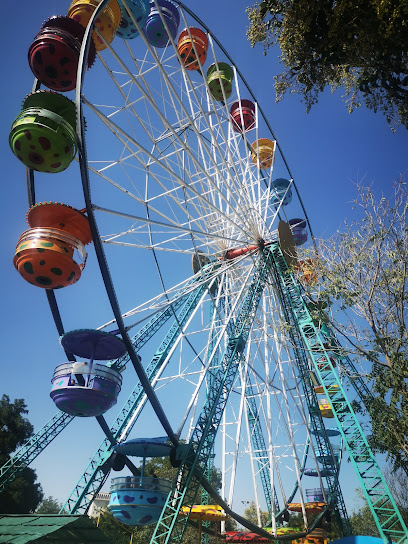
The Wheel of Setif
32.8 km
Experience fun and adventure at The Wheel of Setif, a vibrant theme park offering a variety of rides and entertainment for the whole family in Algeria.
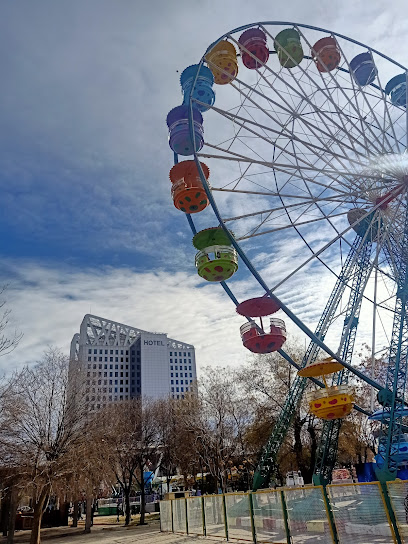
Roman ruins
33.0 km
Uncover the ancient wonders of Setif's Roman past, exploring temples, mosaics, and the echoes of a once-thriving Roman city.
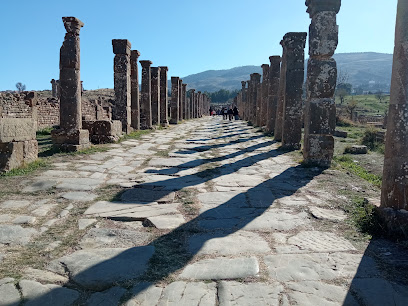
Byzantine Fortress
33.0 km
Explore the historical Byzantine Fortress in Setif, Algeria, offering panoramic views and a glimpse into the city's layered past.
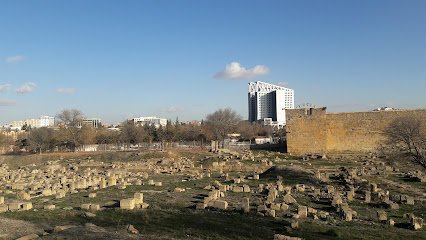
Ain El Fouara Fountain
33.1 km
Discover the iconic Ain El Fouara Fountain in Setif, Algeria, a historic landmark and symbol of the city, attracting visitors with its beauty and cultural significance.
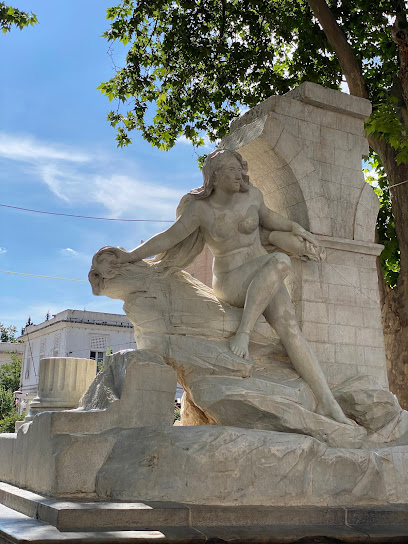
تمثال عين الفوارة
33.1 km
Discover the iconic Ain El Fouara Fountain in Sétif, a symbol of art, history, and controversy in the heart of Algeria.
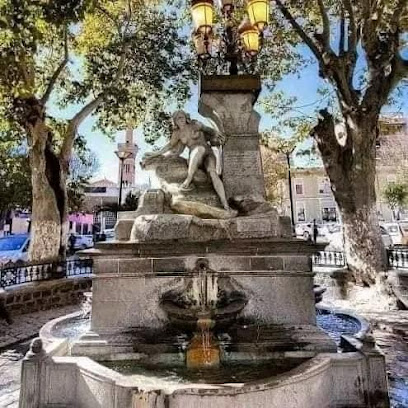
The ancient mosque
33.1 km
Discover Setif's oldest mosque, a unique blend of Ottoman and Byzantine architecture, offering a serene and culturally enriching experience.
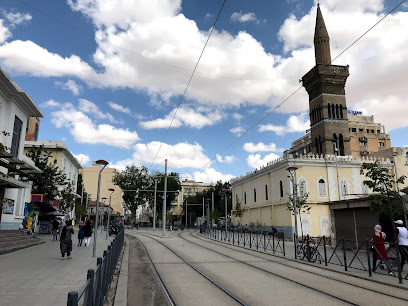
Makam chahid
34.0 km
Explore Makam Chahid in Setif, a historical monument honoring Algeria's independence with stunning architecture and peaceful gardens.
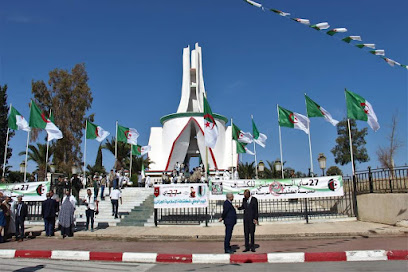
حديقة العرائس
34.5 km
Escape to the tranquility of حديقة العرائس in Setif, a perfect green retreat for relaxation, family outings, and enjoying nature's beauty.
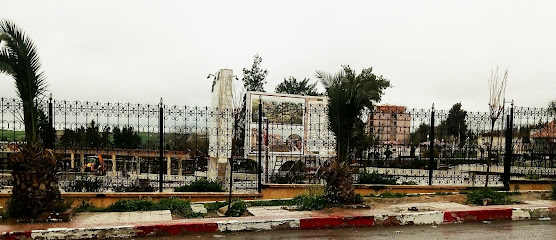
Taza National Park
38.5 km
Discover Algeria's Taza National Park: Where mountains meet the sea, offering diverse landscapes, rich biodiversity, and tranquil escapes.
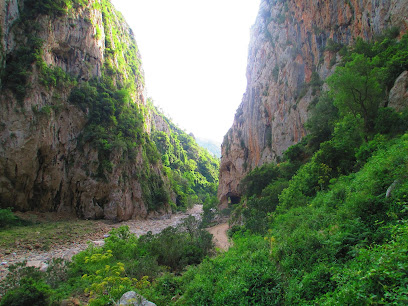
EL jirath (Lğirath) ,ⵍⵊⵉⵔⴰⵜ
40.6 km
Discover EL Jirath in Ziama Mansouriah: Where Algeria's natural beauty meets its rich cultural heritage, offering an unforgettable travel experience.
Essential places to dine

Restaurant de l'Atlas Baborien
25.6 km
Discover delicious fast food delights at Restaurant de l'Atlas Baborien in vibrant Babor - where flavors meet tradition!
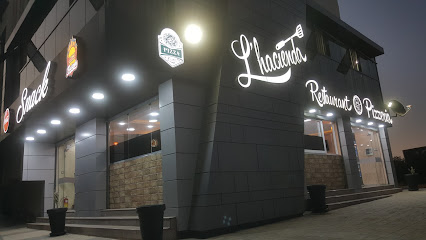
Restaurant Hacienda
28.4 km
Discover authentic Italian flavors at Restaurant Hacienda in Setif, where delicious pizzas meet warm hospitality in a cozy atmosphere.
Le Serail Restaurant & Lounge
29.9 km
Discover the flavors of Algeria at Le Serail Restaurant & Lounge in Sétif—where tradition meets modern cuisine in an inviting atmosphere.
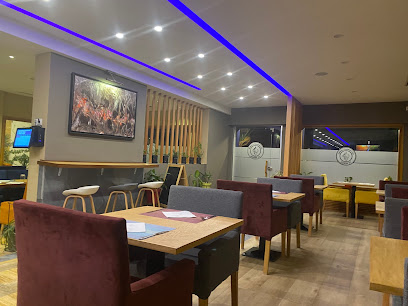
Restaurant el NaDjah
30.3 km
Experience authentic Algerian cuisine at Restaurant el NaDjah in Setif - where every meal tells a story.
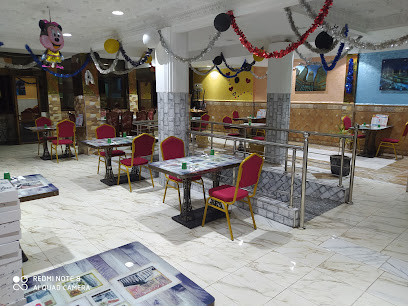
Le restaurant du soleil Espace famille
30.4 km
Discover authentic Algerian flavors at Le Restaurant du Soleil Espace Famille in Setif – where every meal is a celebration of taste.
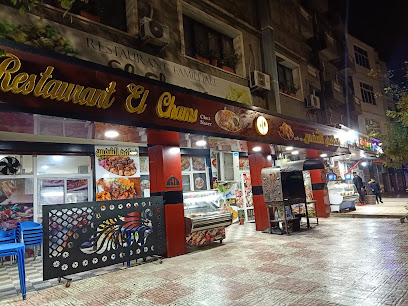
Restaurant La Colombe
30.5 km
Experience the essence of haute French cuisine at Restaurant La Colombe in Setif—where local flavors meet culinary artistry.
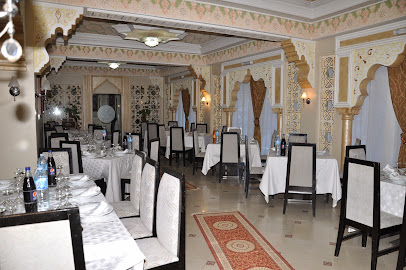
Restaurant Chic
30.8 km
Discover the flavors of Algeria at Restaurant Chic in Sétif – where tradition meets taste in every dish.
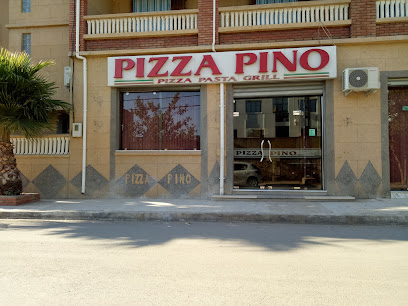
PIZZA PINO SETIF
30.9 km
Discover the rich flavors of Italy at Pizza Pino Setif – where every slice tells a story of tradition and taste.
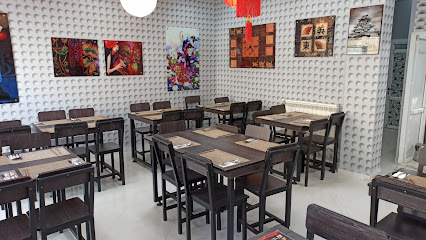
L'Asiatico
31.2 km
Discover the vibrant flavors of Asia at L'Asiatico in Setif - where every dish is a delightful journey for your taste buds.
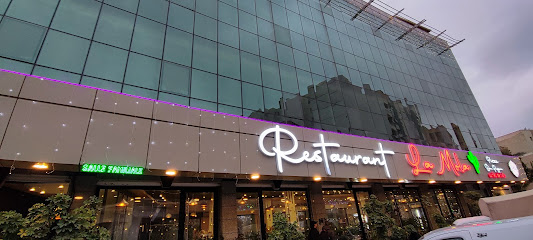
Restaurant BENHAMADA HOCINE
31.3 km
Discover the essence of Algerian cuisine at Restaurant Benhamada Hocine – where every dish tells a story.
Restaurant La Mola
31.3 km
Experience authentic Algerian flavors at Restaurant La Mola in Sétif – where every meal is a journey through taste.
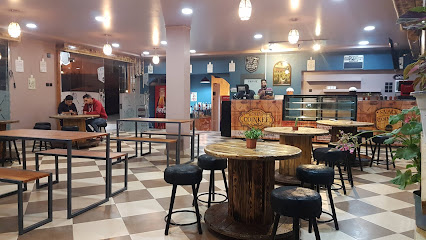
Coinkee
31.6 km
Discover the best pizza in Setif at Coinkee - where authentic flavors meet warm hospitality.
Traditional food
31.6 km
Discover authentic Algerian cuisine at this traditional restaurant in Setif, where every dish celebrates local flavors and culture.
Le Gourmet
31.8 km
Experience exquisite Algerian cuisine at Le Gourmet in Setif – where culinary artistry meets local tradition.
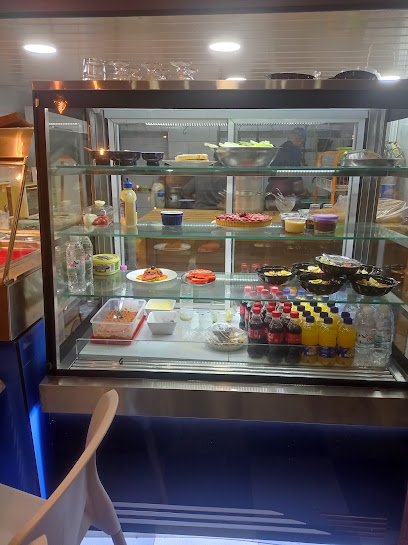
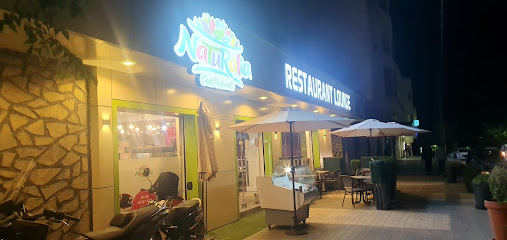
Naturalia Setif
32.1 km
Discover the flavors of Algeria at Naturalia Setif - where culinary tradition meets modern dining.
Markets, malls and hidden boutiques

Kira eleulma
18.7 km
Explore Kira Eleulma in El Eulma for unique gifts and local crafts that embody the spirit of Algeria.
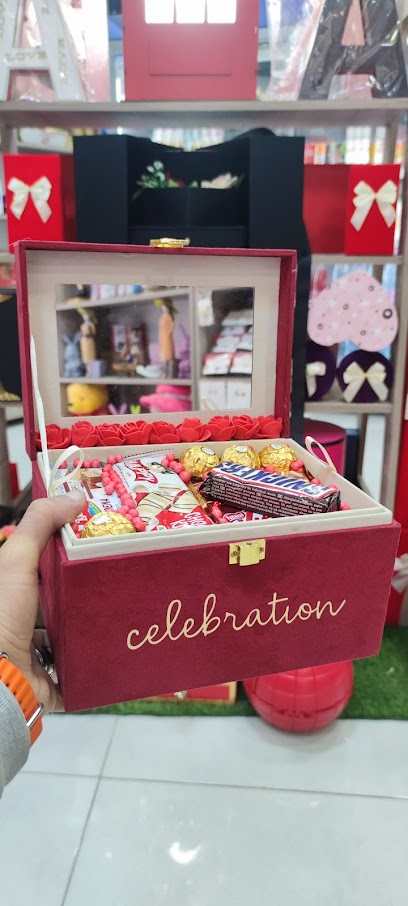
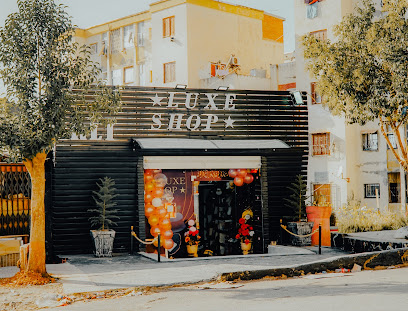
Luxe shop
21.0 km
Explore the Luxe Shop in Ferdjioua for exquisite gift baskets that embody the essence of Algerian culture and craftsmanship.
Cristal Ferdjioua
21.2 km
Explore the dynamic Cristal Ferdjioua Shopping Mall, where local culture meets international shopping in a lively atmosphere.
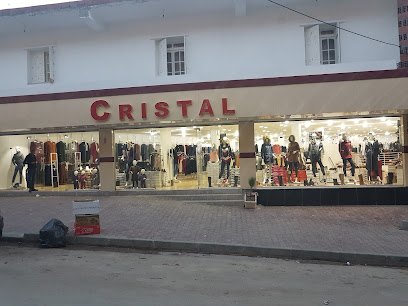
Tulipe parfurmerie Ferdjioua
21.3 km
Discover the essence of Ferdjioua at Tulipe Parfurmerie – where exquisite perfumes and unique gifts await every traveler.
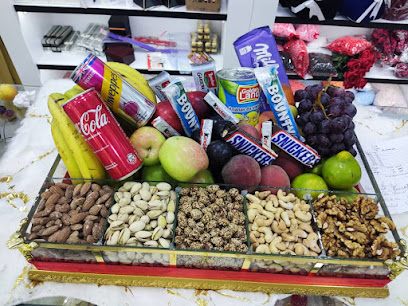
Islam big house
21.7 km
Explore the charm of Ferdjioua at Islam Big House, your go-to gift shop for unique local handicrafts and memorable souvenirs.
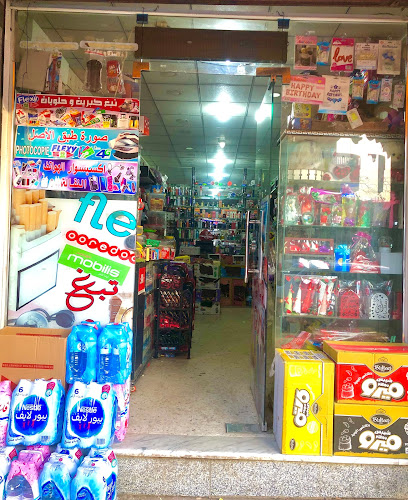
Boutique akrem polo
29.3 km
Explore unique fashion at Boutique Akrem Polo in El Ouricia, where local craftsmanship meets contemporary style.

Boutique Paul&Shark Setif
29.4 km
Explore the elegance and sophistication of Boutique Paul&Shark in Setif, where luxury fashion meets personalized service.
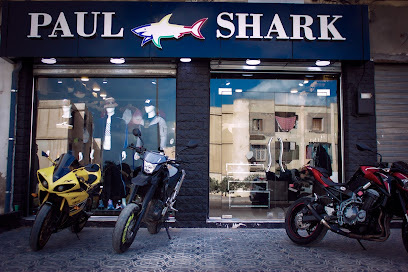
Boutique tahar
29.8 km
Explore the rich culture of Amoucha through unique gifts and handcrafted treasures at Boutique Tahar.
Gift for you
30.2 km
Explore the charm of Setif's 'Gift for You', a delightful shop filled with unique souvenirs and local crafts showcasing Algerian culture.
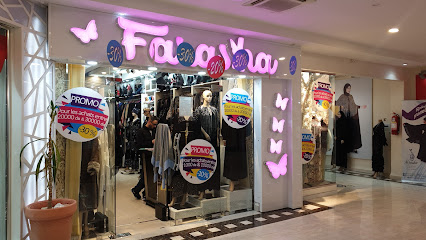
boutique FARASHA
30.3 km
Explore Boutique FARASHA: A Premier Shopping Mall in Setif Featuring Local and International Brands in a Vibrant Atmosphere.
awani boutique sétif
30.7 km
Explore Awani Boutique Sétif for exquisite local gifts and crafts that embody the charm and culture of Algeria.
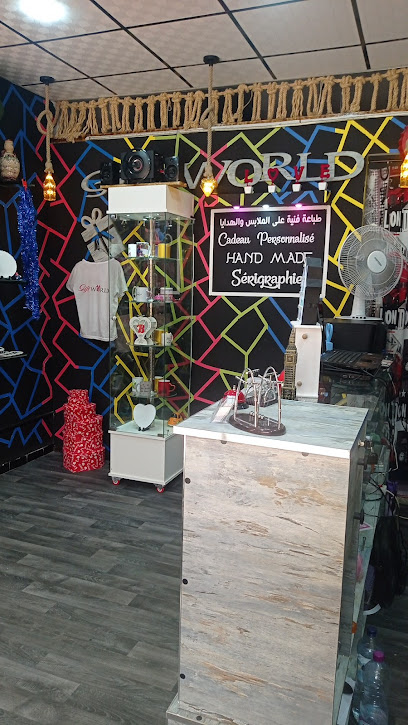
Gift world 19
30.7 km
Explore a treasure trove of unique Algerian gifts at Gift World 19, the must-visit shop in Sétif for authentic souvenirs and local crafts.
Youth Style store
30.8 km
Explore Youth Style Store in Setif for unique gifts and trendy accessories that capture the vibrant spirit of local culture and craftsmanship.
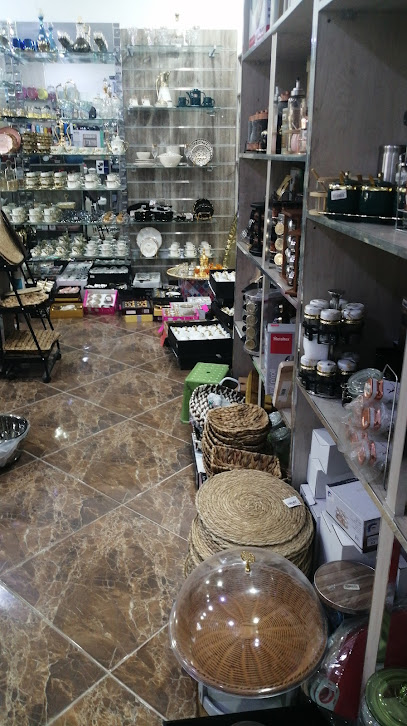
La Difference Boutique Setif
30.8 km
Explore La Difference Boutique Setif, the premier destination for exquisite home goods, unique decor, and memorable souvenirs in the heart of Algeria.
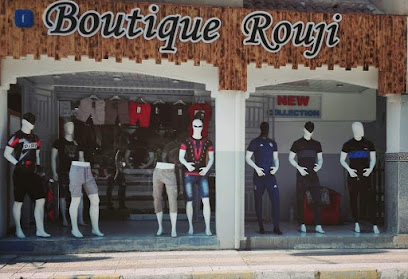
Boutique Rouji
31.0 km
Explore Boutique Rouji in Tadjenanet for unique clothing and accessories that reflect the vibrant Algerian culture and style.
Essential bars & hidden hideouts

Kouicem pub
20.7 km
Kouicem Pub in Ferdjioua: Where Locals and Tourists Come Together for Drinks and Great Vibes
مقهى تاوس
26.9 km
Experience the essence of Algerian cuisine at Maqha Tawus, a grill paradise in Djimla that delights every taste bud.
Chicha a setif
29.0 km
Discover the charm of Chicha a Setif, a cozy cafe in the heart of Setif, offering aromatic drinks and a warm atmosphere to relax and socialize.
وكالة اشهارية-Hani Pub
30.3 km
Discover the lively spirit of Hani Pub in Tadjenanet, a perfect blend of local culture, great drinks, and unforgettable moments.
Mohamed moha
30.8 km
Experience the lively nightlife at Mohamed Moha Bar in Sétif, where local flavors and a vibrant atmosphere await every visitor.
قبيلة زديوي الرخاس
31.1 km
Experience the vibrant atmosphere of قبيلة زديوي الرخاس, a lively bar in Setif, where local culture and great drinks come together.
Pubsolid
31.5 km
Discover the heart of Tadjenanet at Pubsolid, a cozy pub where local culture meets friendly gatherings, perfect for unwinding after a day of exploration.
عا
31.5 km
Discover the vibrant local bar culture in Setif, Algeria, where authentic flavors and warm hospitality await every visitor.
Ezakiat Lounge
31.6 km
Experience the rich flavors of Algeria at Ezakiat Lounge, Setif's premier dining destination, where culinary tradition meets modern elegance.
Urban bar
32.1 km
Discover the vibrant nightlife at Setif's Urban Bar, a sports club where excitement and local culture come together in perfect harmony.
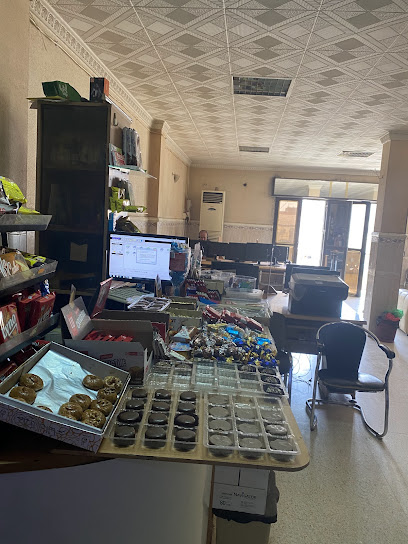
كيويك ستيتش
32.3 km
Experience the vibrant atmosphere of Kewik Stitch, a top bar in Ain Trick, Setif, serving delicious local drinks and hosting lively events.
Restaurant One
32.6 km
Discover the flavors of Setif at Restaurant One, where local and international cuisines meet in a charming atmosphere.
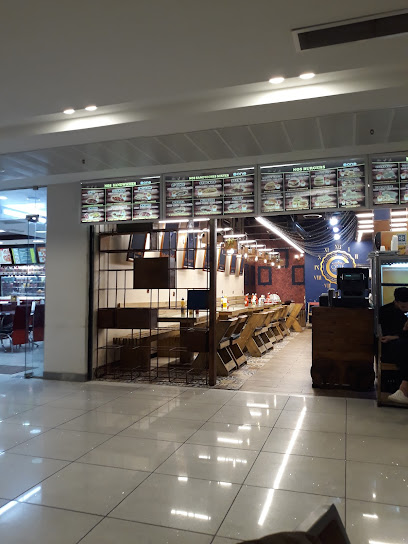
The Five Stars Coffee
32.7 km
Experience the authentic taste of pizza at The Five Stars Coffee in Setif, where delicious flavors meet a warm, inviting atmosphere.
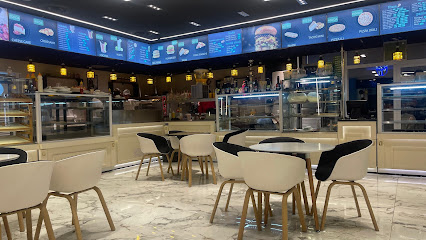
Downtown Lounge Setif
32.8 km
Discover the vibrant dining experience at Downtown Lounge Setif, where local flavors meet a relaxed ambiance for an unforgettable evening.
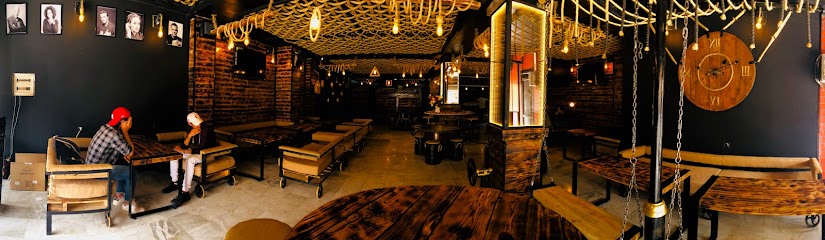
دار بيت قسوم احمد
33.6 km
Discover the lively ambiance and local flavors at Dar Bayt Qassoum Ahmed, a top bar destination in Setif, Algeria.
Nightclubs & after hour spots

قعدة تاع دومينو
24.0 km
Experience the vibrant nightlife at قعدة تاع دومينو - Bazer Sakra's premier night club for unforgettable nights of dancing and socializing.
Hôtel Setif Plus
31.9 km
Discover comfort and elegance at Hôtel Setif Plus, the perfect base for exploring the rich history and culture of Sétif, Algeria.
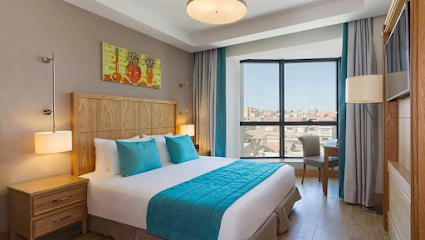
ibis Setif
32.4 km
Experience modern comfort and the rich culture of Setif at ibis Setif, your ideal hotel for exploring Algeria's historic treasures.
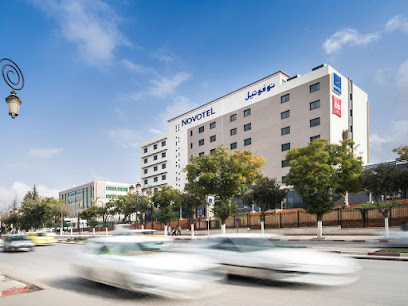
Novotel Setif
32.4 km
Discover luxury and comfort at Novotel Setif, your premier hotel destination in the heart of Algeria's vibrant city.
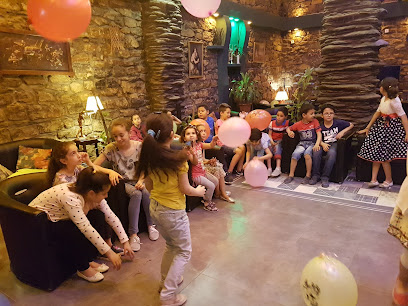
Salon De Thé Phoenix
32.5 km
Discover the serene ambiance of Salon De Thé Phoenix, a delightful tea house in Setif offering an exquisite selection of teas and pastries.
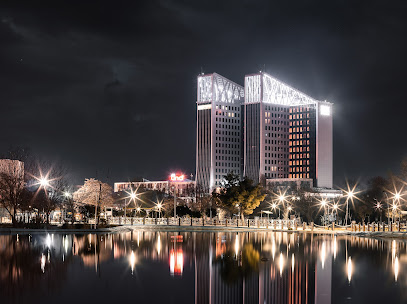
Park Mall Hotel & Conference Center
32.7 km
Discover the elegance and comfort of Park Mall Hotel & Conference Center, where modern luxury meets exceptional service in Setif.
Dar Diaf Club Setif
34.6 km
Discover the vibrant nightlife of Sétif at Dar Diaf Club, where entertainment, music, and culture come alive for an unforgettable experience.
S7ab bsista
35.6 km
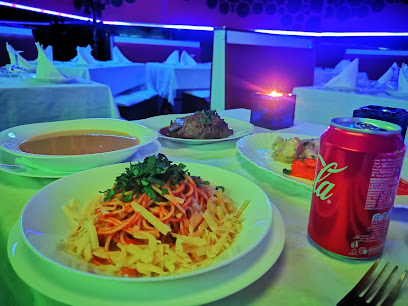
Dive into the lively atmosphere of S7ab bsista, a premier gay nightclub in Setif, where unforgettable nights await with vibrant music and a welcoming crowd.
مقهى زغلول
35.6 km
Discover the vibrant nightlife of El Ouricia at مقهى زغلول, a night club blending local culture with electrifying entertainment.
Auberge El Firma Club
38.8 km
Experience the rich flavors of Algerian cuisine at Auberge El Firma Club, a culinary gem in Setif, where tradition meets modern dining.
القرمبع
57.2 km
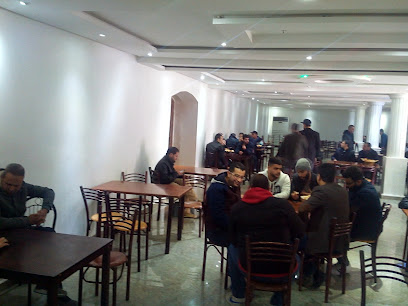
Experience the vibrant nightlife at القرمع, a premier night club in Grarem Gouga, where music, dance, and culture come together for an unforgettable evening.
Play lhanch
59.1 km
Discover the electrifying nightlife of El Anceur at Play Lhanch, where dance, music, and vibrant energy come together in the ultimate disco experience.
Nivada
59.4 km
Discover the vibrant nightlife at Nivada, Aïn Oulmene's premier night club, where music and dance meet in a lively atmosphere.
Club Chicha
66.5 km
Discover the heartbeat of Boukhelifa's nightlife at Club Chicha, a vibrant club where music, dance, and culture come together.
Cesar lounge capritour
66.6 km
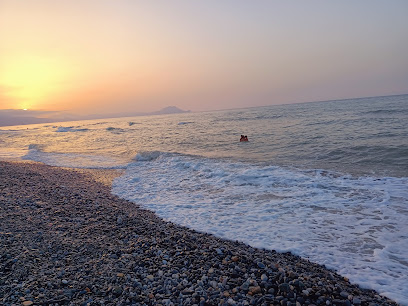
Experience the vibrant nightlife of Tichy at Cesar Lounge, a premier hookah bar offering a variety of flavors in a cozy atmosphere.


