
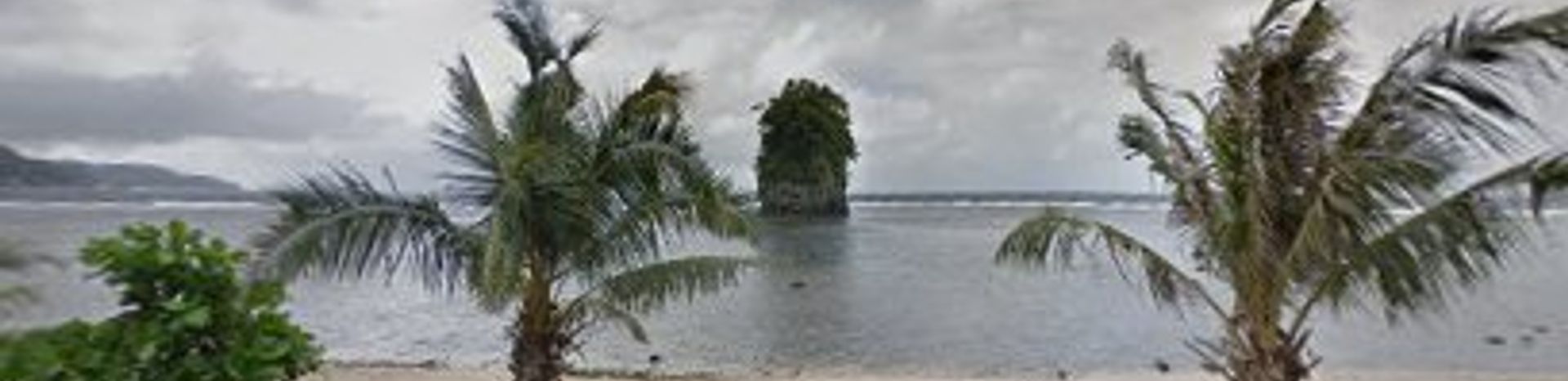
Fatu Rock: Sentinel of Pago Pago Harbor
Discover Fatu Rock, the legendary Flowerpot Rock of American Samoa, guarding Pago Pago Harbor with its natural beauty and rich cultural history.
Fatu Rock, also known as Flowerpot Rock, is a natural landmark guarding the entrance to Pago Pago Harbor in American Samoa. This tree-topped islet is steeped in Samoan legend and offers a glimpse into the island's rich cultural heritage.
A brief summary to Fatu Rock
- P82F+P9W, Fatumafuti, Eastern District, AS
Local tips
- Bring your camera to capture the unique beauty of Fatu Rock, especially during sunrise or sunset.
- Learn the legend of Fatu and Futi to appreciate the cultural significance of the islet.
- Combine your visit with a trip to Fatumafuti village to explore the local culture and history.

Getting There
-
Walking
Fatu Rock is best viewed from the shoreline of Fatumafuti village. From the main road in Fatumafuti, simply walk towards the coast to find a vantage point. There is no direct access to the islet itself.
-
Public Transport
From Pago Pago, take an 'aiga' bus towards the eastern end of Tutuila. These buses are colorful and frequent, but operate without a fixed schedule. Ask the driver to stop at Fatumafuti. From there, walk towards the coast to view Fatu Rock. Bus fare is approximately $2.50.
-
Taxi
Taxis are available from Pago Pago International Airport and around the island. Agree on a fare with the driver before starting your journey. A taxi ride from the airport to Fatumafuti will cost approximately $20-$30.
Discover more about Fatu Rock
Iconic landmarks you can’t miss

OFFDAROCK TATTOOS AMERICAN SAMOA
1.8 km
Experience Samoan culture through unique Polynesian tattoos at OFFDAROCK TATTOOS in Pago Pago, American Samoa.

DDW Restaurant
1.9 km
Experience authentic Samoan flavors with ocean views at DDW Restaurant in Utulei. Fresh seafood, American favorites, and friendly service await!
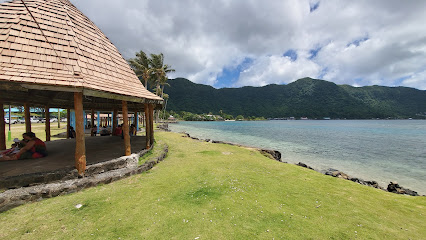
Sadie's by the Sea
2.3 km
Experience beachfront bliss at Sadie's by the Sea in Pago Pago, American Samoa. Relax, explore, and immerse yourself in island charm.

Port of Pago Pago
2.5 km
Discover the heart of American Samoa at the Port of Pago Pago: where stunning scenery meets rich maritime history and vibrant Polynesian culture.
Western Union
2.7 km
Reliable money transfers in Pago Pago, connecting you to the world with trusted financial services near the Post Office.
Tedi Of Samoa
2.7 km
Experience Samoan culture and modern shopping at Tedi Of Samoa in Fagatogo, offering local crafts, souvenirs, and everyday essentials.

American Samoa Visitors Bureau (ASVB)
2.7 km
Your starting point for exploring the stunning beauty & vibrant culture of American Samoa. Expert travel info, maps, & local tips await!
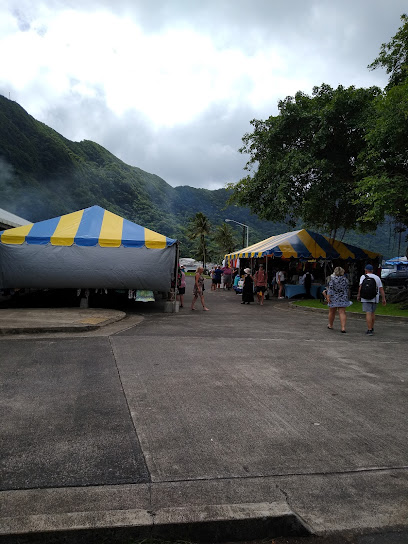
Fagatogo Square
2.7 km
Experience the heart of American Samoa at Fagatogo Square, a vibrant hub for shopping, dining, and local culture in Pago Pago.
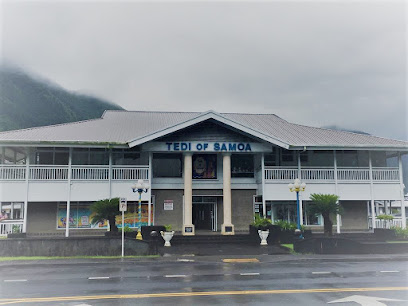
High Court of American Samoa
2.7 km
Discover the High Court of American Samoa in Fagatogo, where Samoan tradition meets U.S. law in a historic setting.
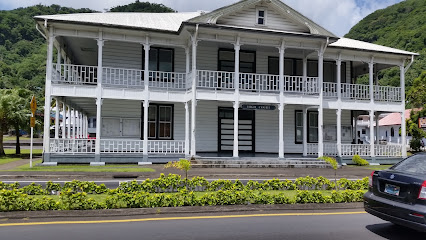
Downtown Ink Tattoo Studio
2.7 km
Experience the essence of American Samoa through stunning body art at Downtown Ink Tattoo Studio, where every tattoo tells a story.
Unmissable attractions to see

Faga'alu Park
0.8 km
Escape to Faga'alu Park in American Samoa for a serene retreat amidst lush greenery, vibrant flora, and peaceful Samoan landscapes. Perfect for relaxation and recreation.
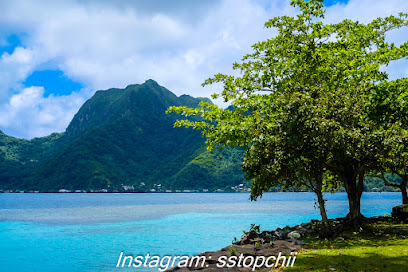
Blunts Point Battery
1.4 km
Explore Blunts Point Battery, a historic WWII site in American Samoa with panoramic views and a glimpse into Pacific military history.
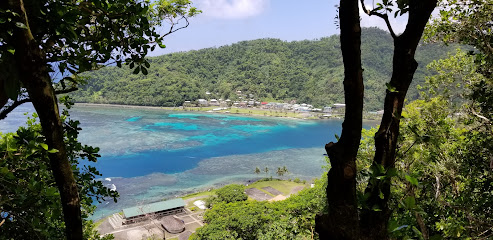
Blunts Point Trail
1.5 km
Hike through history to a WWII gun battery with stunning views of Pago Pago Harbor. A must-see for nature and history enthusiasts!
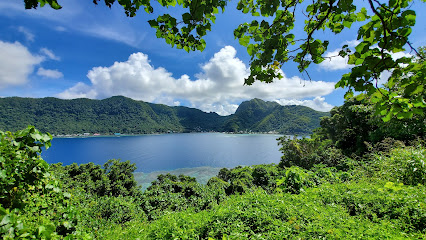
Breakers View Point
1.8 km
Hike to Breakers View Point in Lauli'i for breathtaking Pacific Ocean views and a unique blend of natural beauty and American Samoa's WWII history.
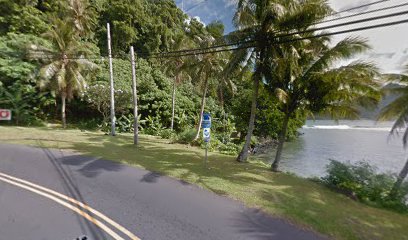
Utulei, Su'igaula
1.8 km
Discover Utulei, American Samoa: Where stunning coastal views meet rich Samoan culture and history in a tranquil island setting.
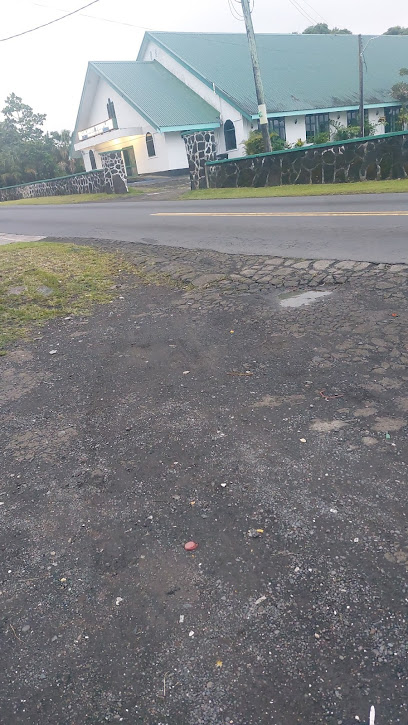
Breakers Point Trail
1.9 km
Discover the natural beauty and cultural richness of Breakers Point Trail in American Samoa, offering stunning coastal views and lush landscapes.
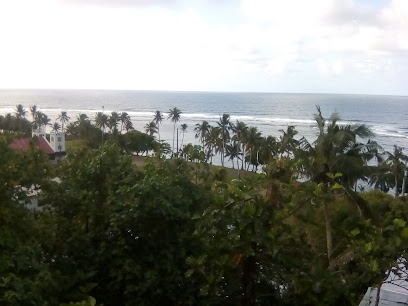
Su'igaula Park
2.0 km
Discover Su'igaula Park in Utulei: A serene escape offering lush greenery, stunning views, and a refreshing retreat in American Samoa.
Utulei Park
2.0 km
Discover Utulei Park: A historic seaside park in American Samoa offering relaxation, recreation, and stunning ocean views.
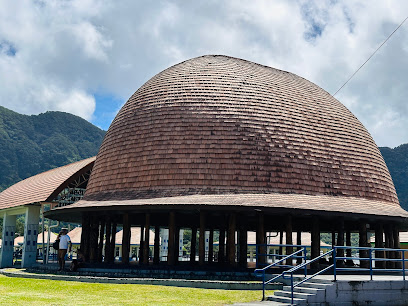
Tauese P. F. Sunia Ocean Center
2.5 km
Discover American Samoa's marine wonders at the Tauese P. F. Sunia Ocean Center. Engaging exhibits for all ages!
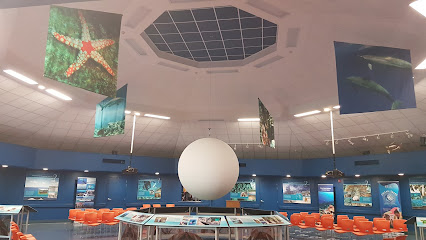
Jean P Haydon Museum
2.6 km
Explore American Samoa's rich cultural heritage at the Jean P. Haydon Museum in Fagatogo. Discover traditional artifacts, historical exhibits, and unique art pieces.
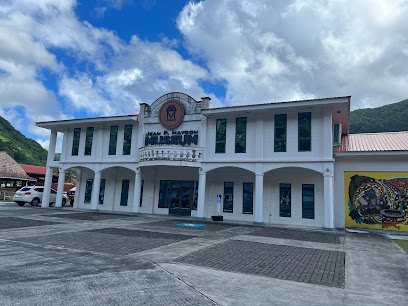
Aua
2.8 km
Discover Aua, American Samoa: Where stunning coasts meet rich culture and history in a peaceful village setting.
Matafao
2.8 km
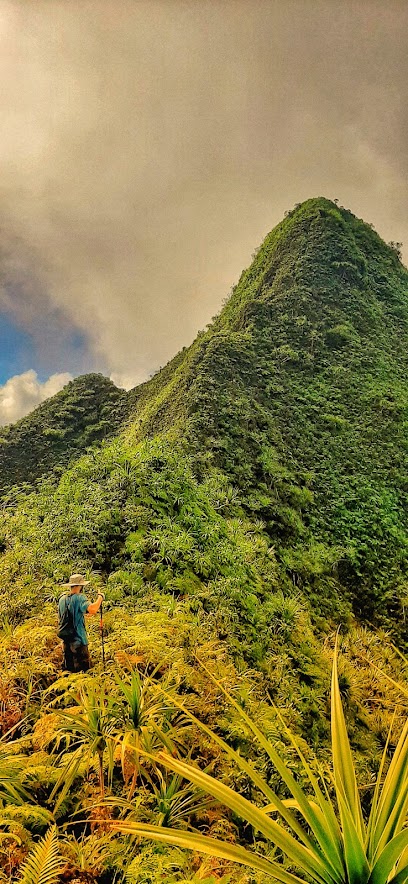
Hike to the highest peak on Tutuila Island for panoramic views, cultural immersion, and a challenging adventure in American Samoa.
Fagatogo Market
2.8 km
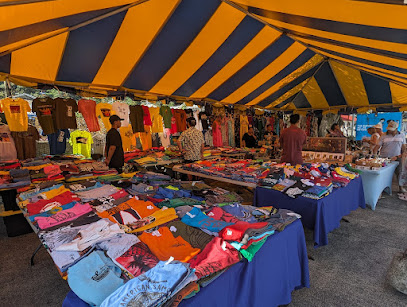
Experience the vibrant culture of American Samoa at Fagatogo Market, offering fresh produce, local crafts, and a taste of island life.
Pago Pago Harbour
2.9 km
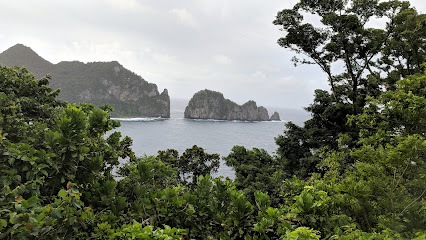
Discover Pago Pago Harbour: A stunning volcanic harbor steeped in history, offering natural beauty and a vibrant gateway to American Samoa.
Fautasi boat Samoa
3.3 km
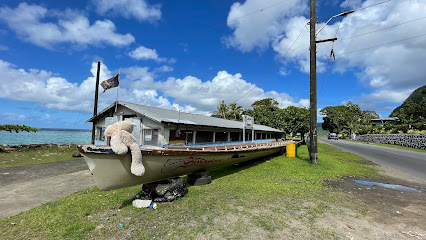
Experience Samoan maritime culture: witness the Fautasi boat, a symbol of tradition, teamwork, and enduring community spirit in Aua.
Essential places to dine

Uti’s Aiga Basket
0.9 km
Discover delicious fast food at Uti's Aiga Basket in Matu'u, where local flavors meet quick service in a friendly atmosphere.
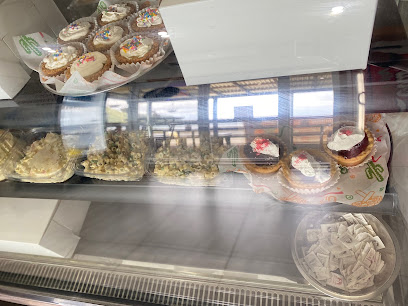
Faga'alu Restaurant
1.1 km
Discover authentic Vietnamese cuisine at Faga'alu Restaurant in Pago Pago – a must-visit for food enthusiasts seeking unique flavors.
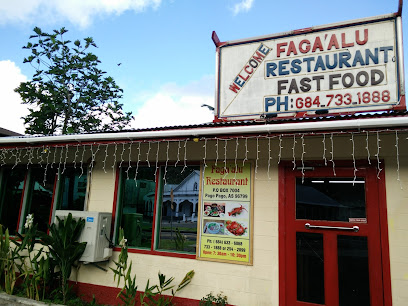
Blue House Cafe& Restaurant
1.3 km
Experience authentic Thai cuisine at Blue House Cafe & Restaurant in Faga'alu – where every dish tells a story.
PJK Fish Market
1.8 km
Discover fresh seafood delights at PJK Fish Market in Utulei – where local flavors meet oceanic freshness for an unforgettable culinary experience.
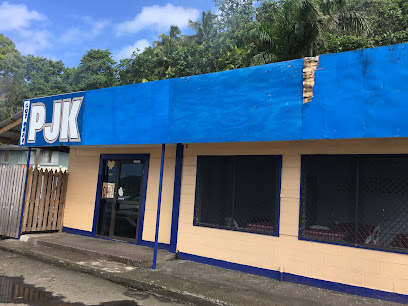
Fast Food EOB
1.9 km
Savor delicious fast food at Fast Food EOB in Utulei—your perfect pit stop for quick bites and local flavors.
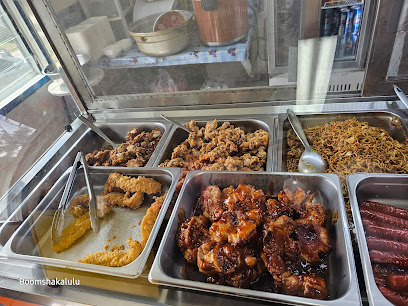
Goat Island Cafe
2.3 km
Savor authentic Samoan flavors at Goat Island Cafe - where every dish tells a story.
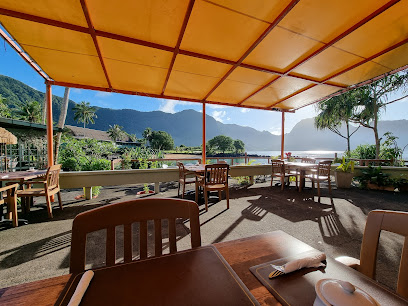
Fiafia Restaurant
2.5 km
Discover authentic Asian cuisine at Fiafia Restaurant in Fagatogo, where every dish tells a story of rich flavors and cultural heritage.
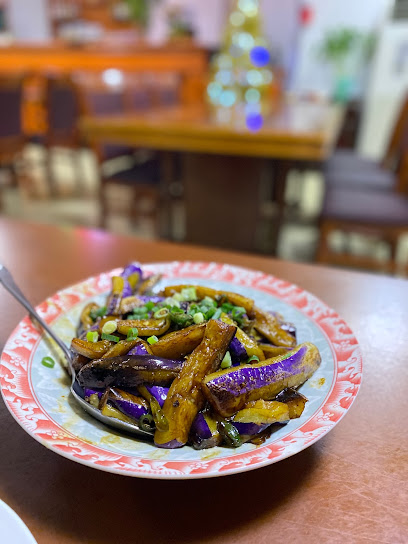
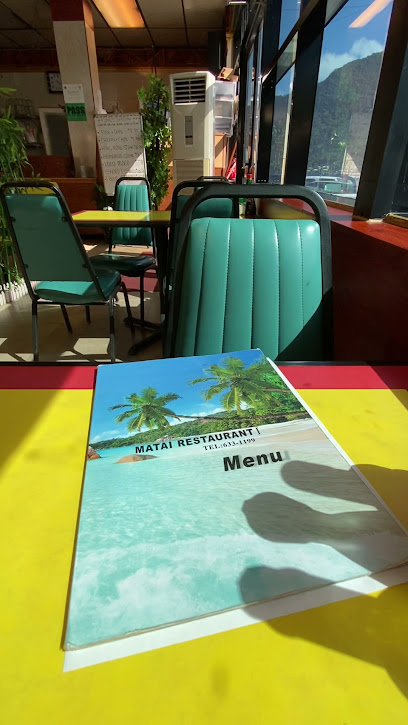
Matai Restaurant
2.7 km
Experience the best of American and Chinese cuisine at Matai Restaurant in Fagatogo - where flavors unite in a delightful dining adventure.
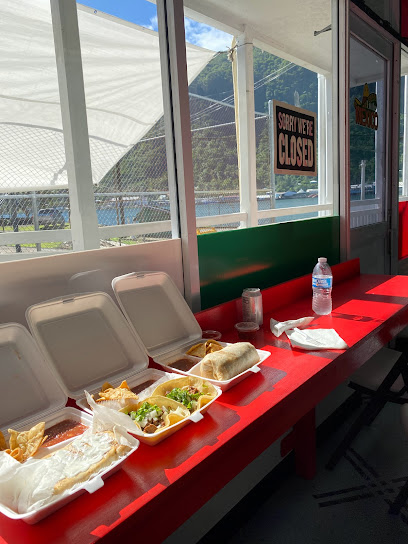
Little Mexico
2.7 km
Savor authentic Mexican cuisine in a vibrant setting at Little Mexico - your gateway to delicious flavors in Fagatogo.
Markets, malls and hidden boutiques

Aveina Brother's Inc.
0.7 km
Discover local flavors and fresh ingredients at Aveina Brother's Inc., the vibrant supermarket in Matu'u, Eastern District, Samoa.
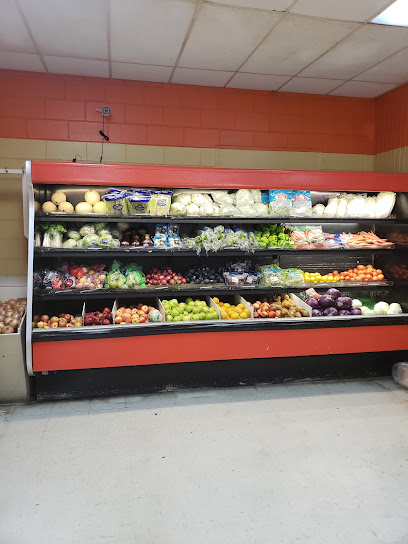
Faga'alu Store
1.1 km
Explore Faga'alu Store for all your travel essentials and local souvenirs in the heart of the Eastern District.
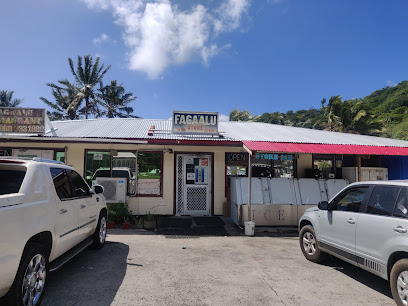
MU INC
1.1 km
Experience the local culture at MU INC in Faga'alu, where unique products and friendly service await every visitor.
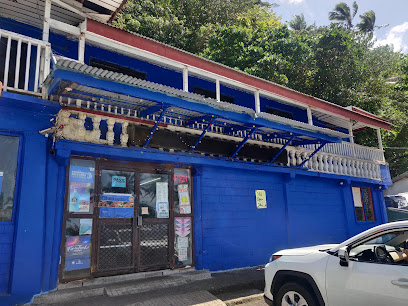
Samus Ice Cream
1.7 km
Experience the ultimate ice cream delight at Samus Ice Cream in Utulei, where tropical flavors meet a friendly atmosphere.
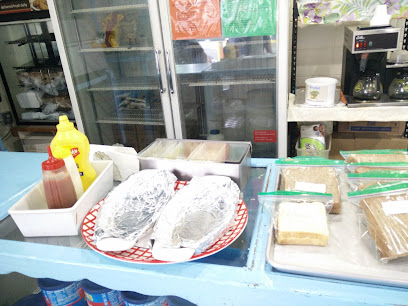
Young Mart
1.8 km
Explore Young Mart in Utulei for a unique supermarket experience, featuring local and international products that cater to every traveler’s needs.
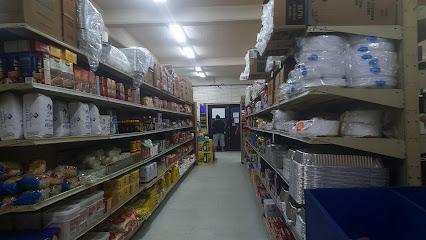
EZFIX (Fagatogo)
2.5 km
Explore Fagatogo with confidence—EZFIX offers expert mobile and computer repair services to keep you connected during your travels.
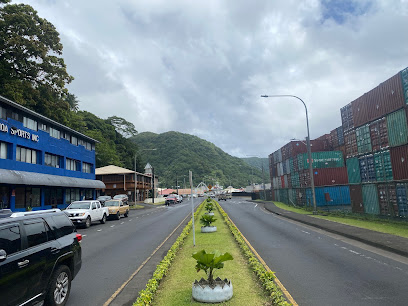
A Java Inc.
2.6 km
Discover A Java Inc. in Fagatogo for exceptional printing services and a friendly atmosphere, perfect for all your printing needs.
Avau Store
2.6 km
Experience the flavors of Samoa at Avau Store, a local grocery haven in Nu'uuli, offering fresh produce and unique ingredients for every culinary adventure.
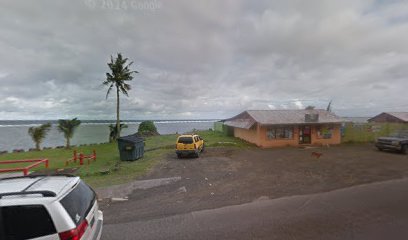
Trophies & Things
2.7 km
Explore Trophies & Things in Fagatogo for unique trophies and memorabilia celebrating the spirit of the Pacific Islands.

JS MART
2.7 km
Explore Aua's vibrant culture at JS MART: your destination for unique local products and authentic souvenirs in the Eastern District.
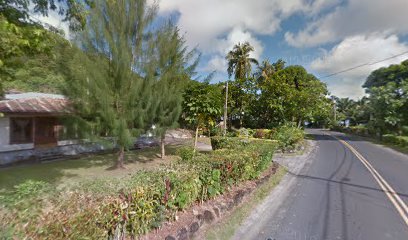
Amy's Gifts Shop
2.8 km
Explore Aua's local culture through unique gifts and handcrafted treasures at Amy's Gifts Shop, your perfect souvenir destination.
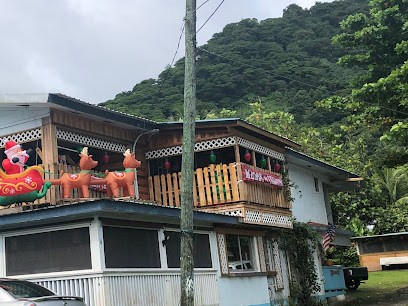
H&L Mart
2.9 km
Explore the flavors of Samoa at H&L Mart, the go-to grocery store in Pago Pago for fresh produce and local delicacies.
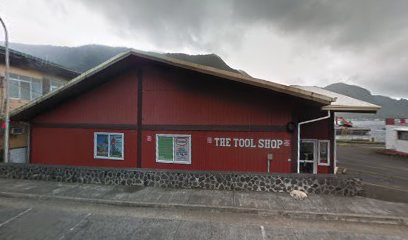
The Toolshop
3.1 km
Explore Fagatogo's trusted hardware store, The Toolshop, for all your DIY needs and quality tools during your visit to American Samoa.
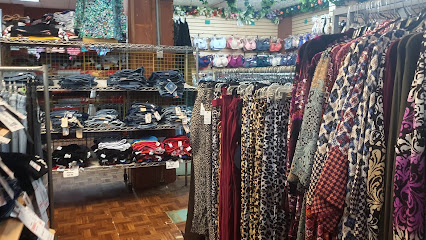
O&O Inc.
3.2 km
Discover trendy clothing for every age at O&O Inc. in Nu'uuli, where fashion meets a fun shopping atmosphere.
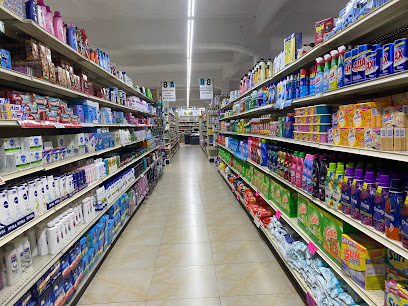
Tutuila Store
3.2 km
Tutuila Store in Leloaloa: Your go-to convenience store for local snacks, essentials, and a taste of American Samoa's vibrant culture.
Essential bars & hidden hideouts

Bee’z Beauty Bar
2.8 km
Discover relaxation and rejuvenation at Bee’z Beauty Bar in Fagatogo, the ultimate beauty salon for tourists seeking pampering and self-care.
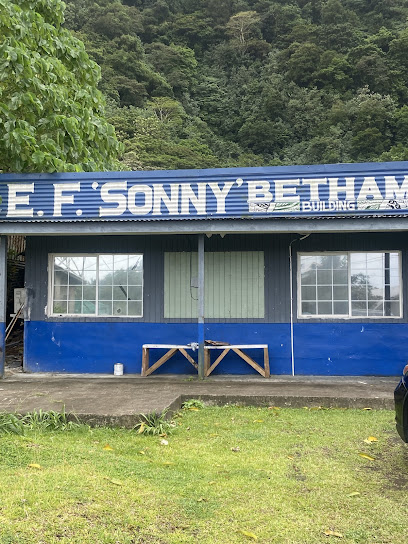
Fagatogo Fish Market
2.8 km
Explore the vibrant Fagatogo Fish Market for fresh seafood and unique local delicacies reflecting the rich flavors of Samoan cuisine.
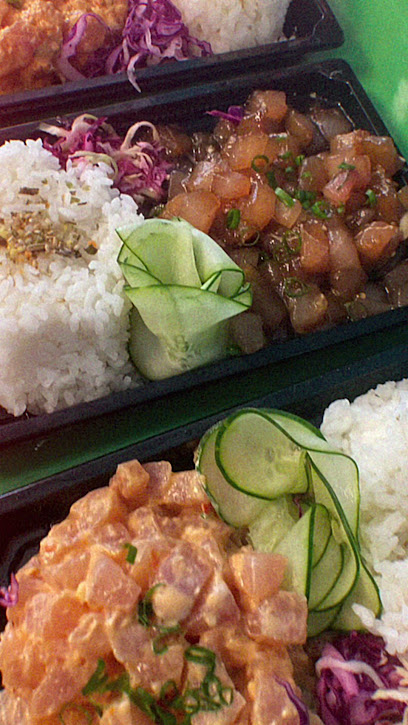
Sadies Thompson Inn
3.0 km
Discover the serene beauty of Pago Pago at Sadies Thompson Inn, where comfort meets hospitality in a stunning island setting.
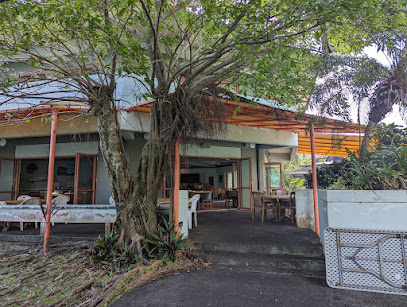
Kings Pizzeria
3.4 km
Discover the best pizza in Leloaloa at Kings Pizzeria, where local flavors meet delicious craftsmanship.
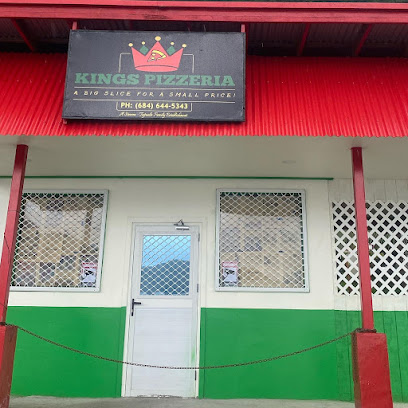
Moon Korean Restaurant
3.4 km
Experience the rich flavors of authentic Korean cuisine at Moon Korean Restaurant in Leloaloa, a culinary delight for every food lover.
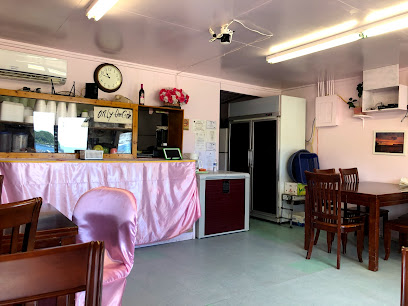
‘ai Love Boba (east)
3.4 km
Discover a tropical oasis in Leloaloa with ‘ai Love Boba, where flavor meets fun in every sip of your favorite bubble tea.
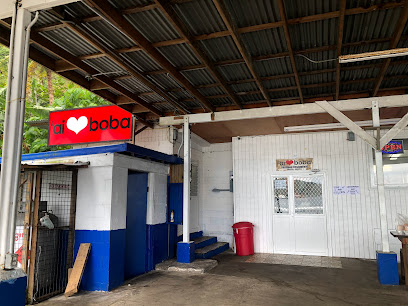
Evie's Mexican Food
3.7 km
Experience authentic Mexican flavors in a vibrant setting at Evie's Mexican Food, a fast-food gem in Pago Pago, perfect for tourists and families.
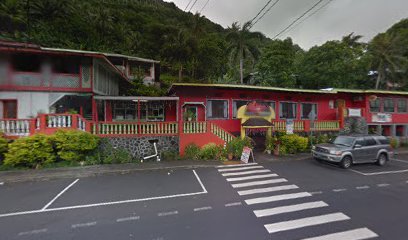
DDW
3.7 km
Discover the best seafood dining experience in Pago Pago at DDW, where fresh flavors and island vibes come together in perfect harmony.
Mama's Kitchen
3.7 km
Experience the heart of Nu'uuli at Mama's Kitchen, where authentic flavors and local hospitality create unforgettable meals.
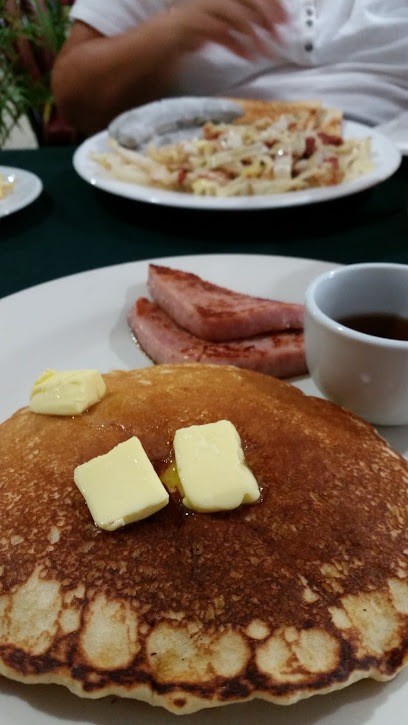
Paradise Pizza
3.8 km
Discover the taste of Pago Pago at Paradise Pizza, where delicious flavors meet a warm, welcoming atmosphere.
Nightclubs & after hour spots

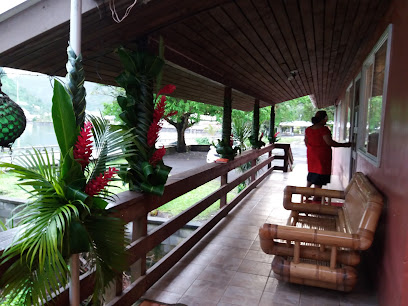
Rotary Club of Pago Pago Club Room
2.3 km
Experience the heart of American Samoa's community and culture at the Rotary Club of Pago Pago Club Room, where service meets spirit.
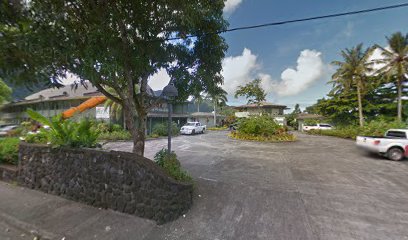
Regal Nu'uuli Place Twin
4.7 km
Discover the cinematic charm of Regal Nu'uuli Place Twin, where the latest films meet a vibrant local culture in the heart of Pago Pago.
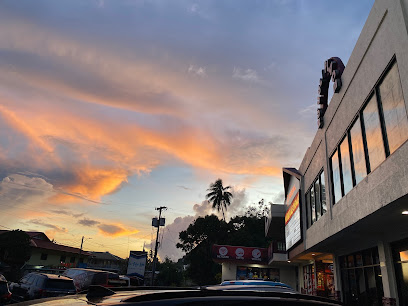
Paradise Bar & Grill
5.0 km
Experience the vibrant atmosphere of Paradise Bar & Grill in Nu'uuli, where tropical vibes meet live music and delicious cuisine.
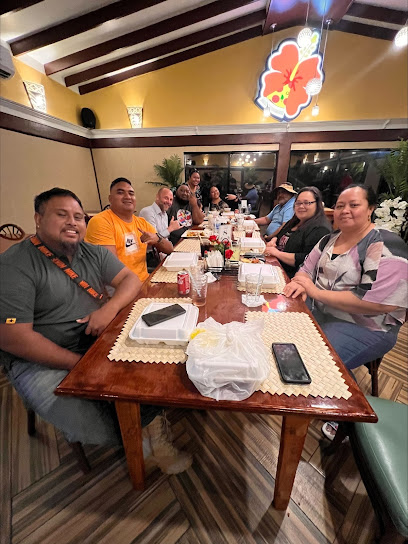
Lions Club of Pago Pago Den
5.1 km
Explore the heart of Tafuna at the Lions Club of Pago Pago Den, where community spirit and charitable efforts come together.
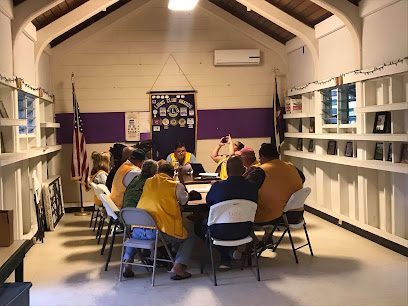
Oasis
5.7 km
Experience the authentic flavors of Korea at Oasis in Tafuna, where every dish tells a story in a vibrant and welcoming atmosphere.
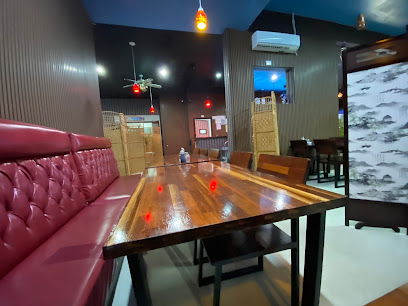
Flame Night Club
5.7 km
Discover the electrifying nightlife at Flame Night Club, the ultimate destination for music, dance, and unforgettable experiences in Tafuna.
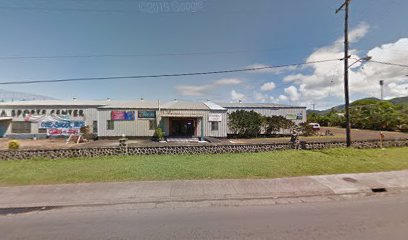
Naomi namz Taalas
6.0 km
Discover the vibrant nightlife at Naomi namz Taalas, the premier night club in Tafuna, where energy meets culture in every beat.
Good Vibes Bar And Grill
6.7 km
Experience the taste of family-friendly dining at Good Vibes Bar And Grill in Tafuna, American Samoa, where delicious meals meet a warm atmosphere.
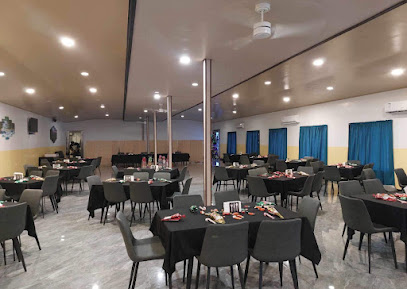
Naomi
6.8 km
Discover the vibrant nightlife at Naomi, Tafuna's premier night club, where music, dance, and local culture come together for an unforgettable experience.


