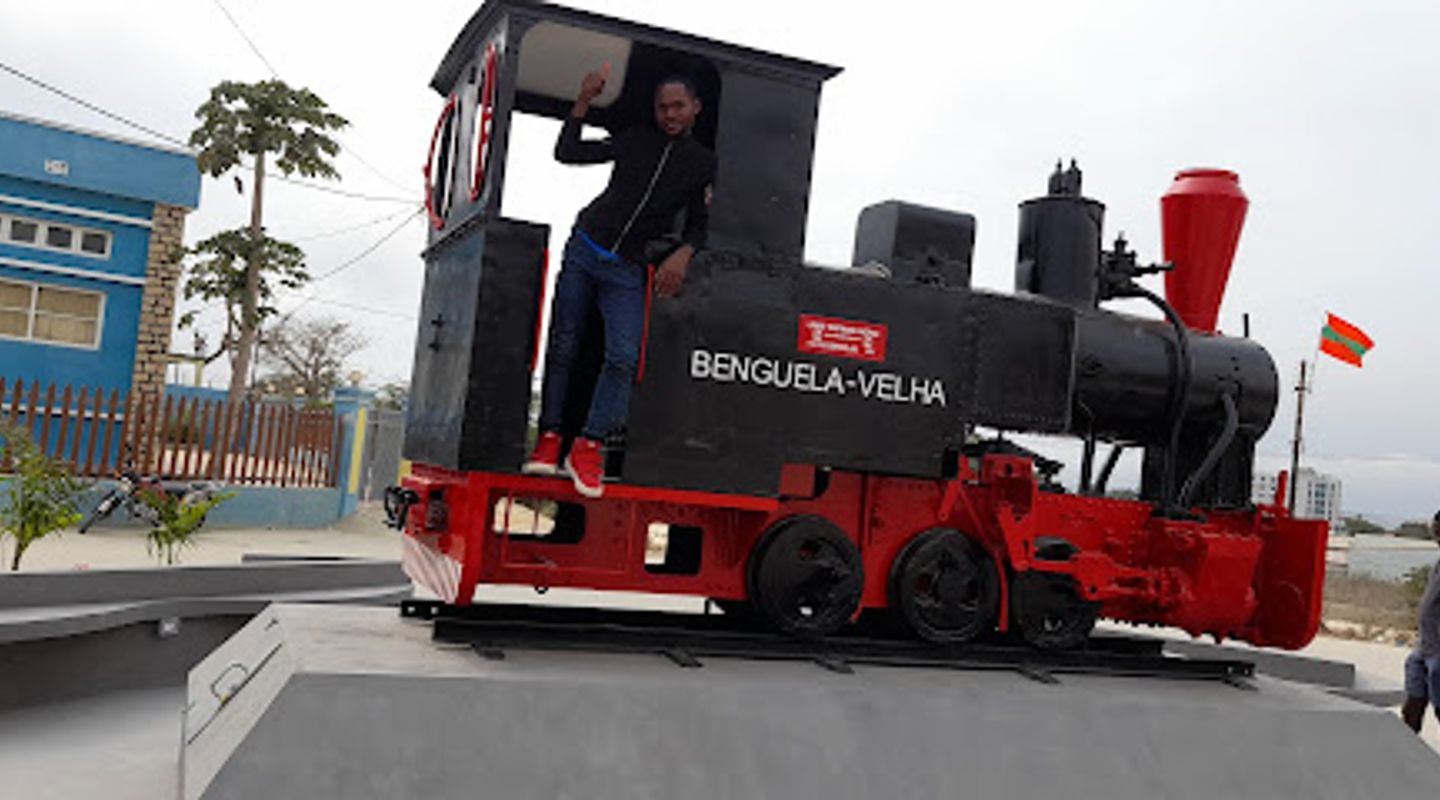
BENGUELA-VELHA, Benguela Plateau Travel Guide
Explore BENGUELA-VELHA in Porto Amboim: a historical landmark where Angola's colonial past and the transatlantic slave trade began.
BENGUELA-VELHA, near Porto Amboim, is a historical landmark marking the site of the original Portuguese settlement in the area. Founded in 1587, it played a significant role in early trade, particularly in slaves and copper, before being abandoned and later reborn as Porto Amboim.
A brief summary to BENGUELA-VELHA
- 7Q82+PVQ, Porto Amboim, AO

Know before you go
Hi, I'm Eve. Here are a few practical things to know before exploring BENGUELA-VELHA.
- Learn about the local history at the Museu de Porto Amboim to better understand the significance of BENGUELA-VELHA.
- Combine your visit with a trip to the nearby beaches for a relaxing contrast to the historical site.
- Engage with local guides for deeper insights into the cultural and historical context of the area.
Do you manage this location?
Take control to get all the benefits, like improved information, better appearance, and stronger visibility across AI-powered discovery. Learn more about listing your business on Evendo
Activate your presenceOther nearby places you may find interesting
The closest places of the same kind, if this one is not quite what you had in mind.


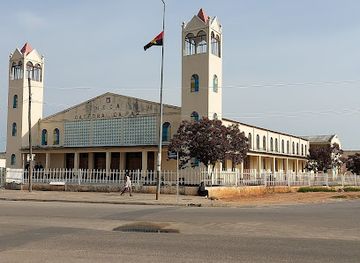
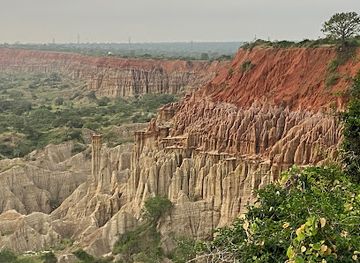

Explore BENGUELA-VELHA on the Map
A handpicked selection of must-see spots near BENGUELA-VELHA, mapped for you.
Getting There
-
Walking
From the center of Porto Amboim, BENGUELA-VELHA is accessible by foot. Head north along the main road, following signs towards the coastal area. The landmark is located near the shoreline, approximately a 20-30 minute walk from the town center. Enquire locally for the most direct route.
-
Public Transport
Local buses and 'candongas' (motorcycle taxis) operate within Porto Amboim. Inquire about routes heading towards the coastal area north of the town center. A short ride will bring you closer to BENGUELA-VELHA, from where you can walk the remaining distance. Bus fares are typically inexpensive, around 50-200 AOA.
-
Taxi
Taxis are available in Porto Amboim. Negotiate a fare to BENGUELA-VELHA, specifying that you wish to visit the historical site near the coast. A short taxi ride from the town center should cost approximately 500-1000 AOA, depending on the negotiation and distance.
Discover more about BENGUELA-VELHA













Your all‑in‑one travel companion app
Explore expert travel guides, compare and book tours, experiences, hotels, and more—all from the palm of your hand. Download now for seamless trip planning wherever your wanderlust takes you.


Explore More of Benguela Plateau
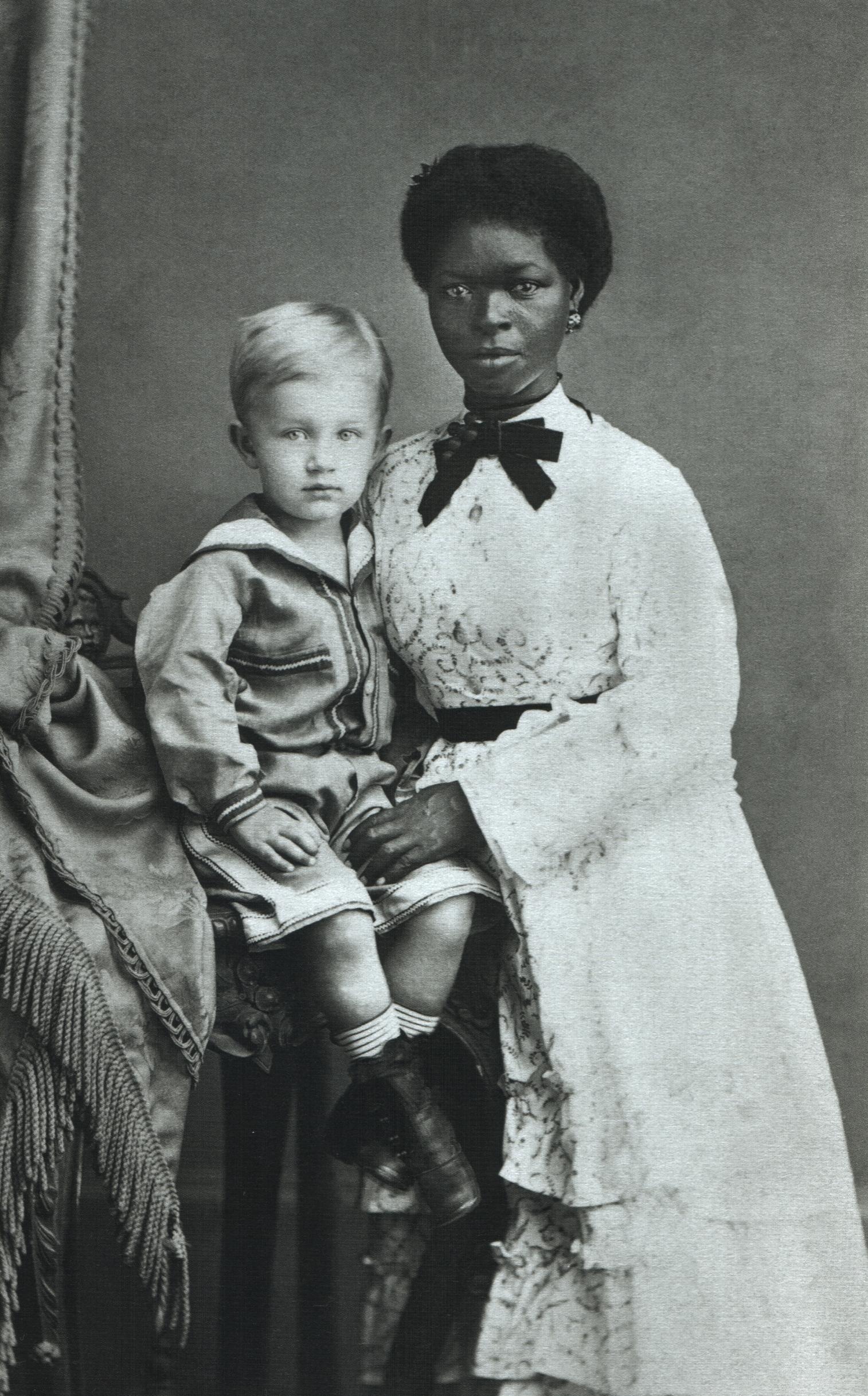
Looking beyond BENGUELA-VELHA? Discover Benguela Plateau for broader travel guides, local hot-spots, and regional highlights.
Explore Benguela Plateau