

Free Benguela Plateau Travel Guide & Mobile App
Explore Benguela Plateau with free travel guides. Discover regional history, expert tips, proposed trips, and audio guides on web or mobile app.


Explore Angola’s Benguela Plateau for cool highlands, rural landscapes, Ovimbundu heritage and historic routes inland from the Atlantic coast.
Read more about Benguela Plateau
When is the best time to visit Benguela Plateau?
Best: September–November · 24–26°C| Month | High (°C) | Rainfall (mm) |
|---|---|---|
| January | 27 | 201 |
| February | 28 | 181 |
| March | 28 | 160 |
| April | 27 | 140 |
| May | 25 | 120 |
| June | 23 | 100 |
| July | 22 | 80 |
| August | 23 | 61 |
| September (best) | 24 | 41 |
| October (best) | 26 | 21 |
| November (best) | 26 | 61 |
| December | 27 | 100 |
Getting to and around Benguela Plateau
How to get there
Transportation
Best attractions in Benguela Plateau
The Benguela Plateau’s attractions are primarily landscape- and culture-based rather than concentrated in formal tourist complexes. Inland journeys from the Benguela coast reveal open upland scenery, cultivated valleys, seasonal waterways and settlements shaped by the plateau climate. Around Ganda and Cubal, visitors may encounter rural markets, agricultural landscapes and views across rolling country, although access arrangements and facilities are limited. The historic Benguela Railway corridor offers an opportunity to understand how the Atlantic coast was connected with Angola’s interior, with railway stations and related infrastructure varying greatly in condition and accessibility. The region is also suitable for carefully organised walking, landscape photography and birdwatching, provided visitors use local guidance and avoid travelling in isolated areas without support. Cultural interest lies in the broader Ovimbundu setting, including local languages, farming practices, craft traditions and market exchange. There are few conventional museum circuits or purpose-built visitor attractions on the plateau, so responsible community-based encounters and interpretation by a knowledgeable local guide are especially valuable. Benguela and Lobito, outside the plateau on the coast, provide more extensive accommodation, museums and services before or after an inland journey.
-
National park
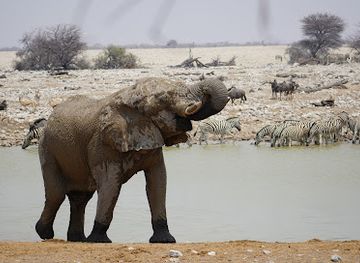
Etosha National Park
Discover Namibia's premier wildlife sanctuary, home to the vast Etosha Pan and abundant game, offering unforgettable safari experiences.
-
Museum
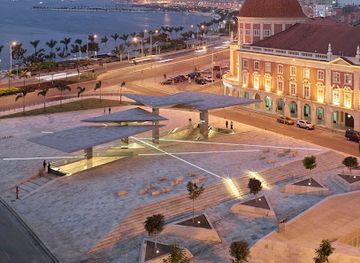
Museu da Moeda
Explore Angola's rich financial history at the Museu da Moeda in Luanda, showcasing currency evolution from ancient times to the present day.
Best landmarks in Benguela Plateau
The Benguela Railway is the plateau’s most recognisable human landmark, representing the historic and continuing connection between Angola’s Atlantic coast and its inland highlands. Its route, bridges, stations and railway works should be viewed from publicly accessible areas and never entered without permission. The rolling uplands around Ganda and Cubal form the region’s principal natural landmark: broad grass-covered slopes and cultivated valleys create a marked contrast with the hotter, drier coastal plain. Older town centres and mission or administrative buildings in the wider Benguela hinterland may preserve fragments of the colonial period, although their condition and public access differ considerably. The plateau’s significance is also visible in less monumental places, including market grounds, road corridors and settlement patterns shaped by Ovimbundu agriculture and railway commerce. Because the Benguela Plateau is a geographical rather than a single municipal destination, it has no universally recognised landmark complex; its character is best read through the relationship between highland scenery, transport infrastructure and living rural communities.
-
Observatory
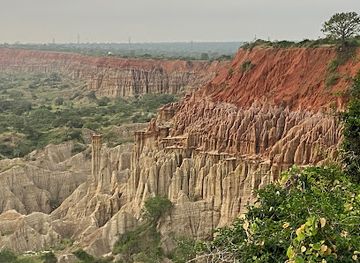
Viewpoint of the Moon
Discover the breathtaking landscapes of Angola at the Viewpoint of the Moon, a must-visit observatory for nature lovers and adventure seekers.
-
Tourist attraction
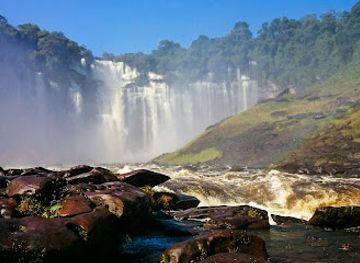
Calandula Falls
Experience the breathtaking Calandula Falls in Angola, one of Africa's largest waterfalls, offering stunning views and a tranquil natural escape.
-
Restaurant
Residencial Solar do Kuito
Experience authentic Angolan cuisine at Residencial Solar do Kuito, a charming restaurant in Kuito offering delightful dishes and a warm atmosphere.
-
Airport
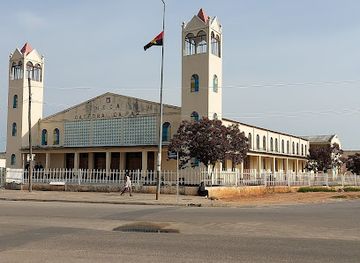
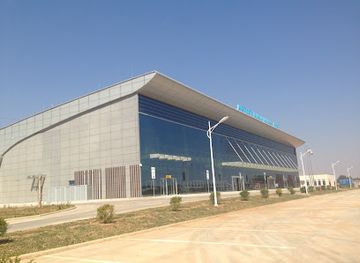
Joaquim Kapango Airport
Explore Kuito, Angola, through Joaquim Kapango Airport, your welcoming gateway to rich culture and stunning landscapes.
Explore Benguela Plateau on the map
Plan your trip on one map. See where the top cities, national parks and sights are, and book hotels and experiences in a few clicks.
Best hotels in Benguela Plateau
Best restaurants in Benguela Plateau
Dining on the Benguela Plateau is practical, local and closely connected to agricultural production. In towns, modest restaurants and informal eateries commonly serve dishes based on funge, a smooth maize or cassava accompaniment, with beans, greens, chicken, fish or meat depending on supply. Maize, cassava, peanuts and seasonal vegetables are important ingredients across central Angola, while grilled chicken and goat may appear on menus in larger settlements. Food is generally more limited and less varied in rural areas, where markets and small roadside establishments may provide the main choices. Benguela’s coastal position gives its restaurants a stronger seafood tradition, but coastal specialities should not be assumed to represent the plateau’s own food culture. Visitors should carry drinking water, plan meals when travelling between towns and ask about preparation times rather than expecting a fixed international-style service. Portuguese is useful for understanding menus and discussing dietary requirements.
-
Restaurant
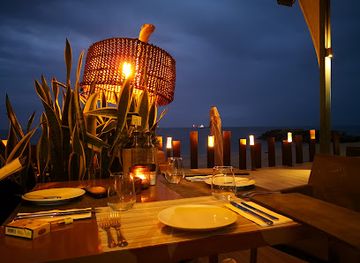
Restaurante Café Del Mar
Experience exquisite cuisine with stunning ocean views at Restaurante Café Del Mar in Luanda.
-
Portuguese
O Madeirense Cidade
Discover authentic Portuguese flavors at O Madeirense Cidade in Luanda - a culinary gem blending tradition with modern dining.
-
Restaurant
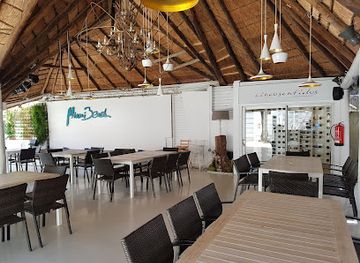
Miami Beach
Explore Miami Beach in Luanda: A Culinary Haven Blending Traditional Angolan Flavors with Contemporary Cuisine.
-
Restaurant
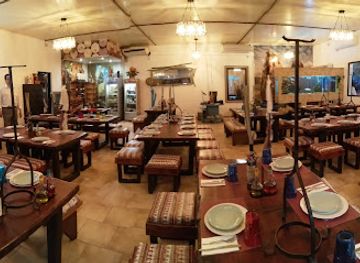
Tudo na Brasa
Experience authentic Angolan and Portuguese cuisine at Tudo na Brasa in Benguela – where flavors come alive.

Best bars in Benguela Plateau
Nightlife on the Benguela Plateau is modest and concentrated in larger settlements, where evening activity usually centres on local bars, restaurants, music and social gatherings rather than a formal club circuit. Small establishments may serve Angolan beer, soft drinks and simple food, while music can include contemporary Angolan styles as well as Portuguese-language popular music. In rural districts, evenings are quieter and visitors are more likely to spend time at their guesthouse or with a locally arranged host than move between venues. Benguela and Lobito, outside the plateau, offer a broader selection of bars, restaurants and occasional live entertainment and are the practical places for a more extensive evening scene. Opening arrangements, transport and security vary, so avoid walking long distances at night and arrange a reliable return journey in advance.
-
Bar
Tudo na Brasa
Experience the ultimate steakhouse and bar fusion at Tudo na Brasa, where culinary excellence meets lively ambiance in Benguela.
-
Bar
Alfa Beach Bar
Experience the vibrant atmosphere of Alfa Beach Bar in Lobito, where delicious food meets stunning ocean views for the perfect getaway.
-
Restaurant
Luna Ocean Club
Discover the culinary delights at Luna Ocean Club, a beachfront restaurant in Lobito offering local and international fare with stunning ocean views.
-
Restaurant
Café da Cidade
Experience the authentic flavors of Angola at Café da Cidade, a charming restaurant in Benguela that offers a cozy atmosphere and delicious local cuisine.

Best nightclubs in Benguela Plateau
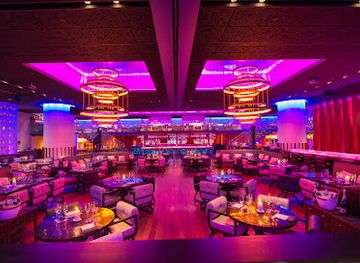
Nightlife on the Benguela Plateau is modest and concentrated in larger settlements, where evening activity usually centres on local bars, restaurants, music and social gatherings rather than a formal club circuit. Small establishments may serve Angolan beer, soft drinks and simple food, while music can include contemporary Angolan styles as well as Portuguese-language popular music. In rural districts, evenings are quieter and visitors are more likely to spend time at their guesthouse or with a locally arranged host than move between venues. Benguela and Lobito, outside the plateau, offer a broader selection of bars, restaurants and occasional live entertainment and are the practical places for a more extensive evening scene. Opening arrangements, transport and security vary, so avoid walking long distances at night and arrange a reliable return journey in advance.
-
Disco club
Tchirinawa
Experience the vibrant nightlife of Benguela at Tchirinawa, a premier disco club offering an electrifying atmosphere and unforgettable moments.
-
Night club
Restaurante Switch
Discover the pulse of Luanda's nightlife at Restaurante Switch, where exquisite dining meets an electric atmosphere.
-
Disco club
WKLUB
Dive into Luanda's nightlife at WKLUB, a disco club where vibrant music and a lively crowd create unforgettable nights.
-
Disco club
Escondidinho
Experience the lively beats and vibrant atmosphere of Escondidinho, a must-visit disco club in Benguela for a thrilling nightlife adventure.


Best shops in Benguela Plateau
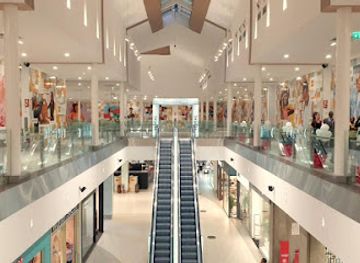
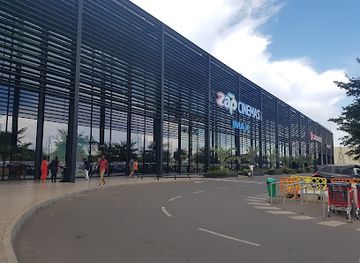
Shopping on the Benguela Plateau is centred on market towns, roadside stalls and small independent shops rather than large retail centres. Local markets are useful for fruit, vegetables, maize products, beans, peanuts, household goods and practical travel supplies, while larger towns offer a broader selection of clothing, mobile-phone accessories and packaged food. Small-scale crafts, woven items and locally made objects may be available, but stock and quality vary and visitors should buy respectfully rather than treating everyday goods as curiosities. Regional food products can make appropriate souvenirs when they are sealed, legal to transport and clearly labelled. Benguela and Lobito, outside the plateau, provide more reliable banking, supermarkets, pharmacies and formal retail before an inland journey. Carry cash for rural purchases, ask permission before photographing market activity and do not assume that advertised prices are fixed in informal settings.
-
Shopping mall
Belas Shopping
Experience Luanda's premier shopping destination with diverse shops, delightful dining, and entertainment at Belas Shopping Mall.
-
Shopping mall
Shopping Avennida
Discover a vibrant shopping experience at Shopping Avennida in Luanda, where local culture meets international style and flavors.
-
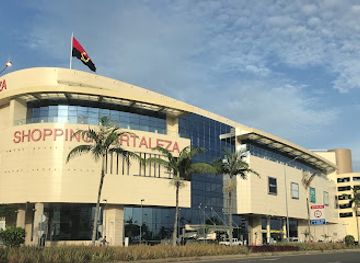
Shopping mall
Shopping Fortaleza
Discover Shopping Fortaleza, Luanda's premier shopping destination with a mix of local and international brands, dining, and entertainment options.
-
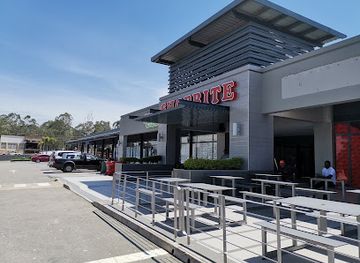
Grocery store
Shoprite Supermercado (Kuito)
Explore Shoprite Supermercado in Kuito for local flavors, fresh produce, and a vibrant shopping experience in the heart of Huambo.
Get your free copy of our complete guide to Benguela Plateau, delivered straight to you.
Everything on this page, from attractions and restaurants to essentials and local phrases, in one PDF you can read offline, print or share.
Already have an account? Sign in
Your Benguela Plateau guide is ready.
We'll send it to · Not you? Sign out

Getting your guide ready…
We are putting together a fresh copy of the Benguela Plateau guide. This can take up to a minute.
This can take a few moments. If your browser asks, choose Allow so the download can start. You'll find the guide in your Downloads folder.
Nothing happened? Download it again
Sorry, the guide is taking longer than usual. Please try again in a minute, or get it by email instead.
Benguela Plateau essentials
Currency and Payment
Safety
Emergency Situations
Do's and Don'ts
Local Tips
From Eve
Local phrases worth knowing
You don't need to get them perfect. A few words go a long way, and locals appreciate the effort.
Basics
| English | Local | Say it |
|---|---|---|
| Hello | Olá | [oh-lah] |
| Goodbye | Adeus | [ah-deh-oos] |
| Yes | Sim | [seem] |
| No | Não | [now] |
| Please/You're welcome | Por favor | [poor fah-vor] |
| Thank you | Obrigado | [oh-bree-gah-doo] |
| Excuse me/Sorry | Desculpe | [deh-skool-peh] |
| How are you? | Como você está? | [koh-moh voh-seh es-tah] |
| Fine. And you? | Bem. E você? | [beng. eh voh-seh] |
| Do you speak English? | Você fala inglês? | [voh-seh fah-lah een-glez] |
| I don't understand | Eu não entendo | [eh-oo now en-ten-doo] |
Eating & Drinking
| English | Local | Say it |
|---|---|---|
| I'd like to see the menu, please | Gostaria de ver o menu, por favor | [goh-stah-ree-ah jeh vehr oo meh-noo, poor fah-vor] |
| I don't eat meat | Eu não como carne | [eh-oo now koh-moh kar-nee] |
| Cheers! | Saúde! | [sah-oo-dee] |
| I would like to pay, please | Gostaria de pagar, por favor | [goh-stah-ree-ah jeh pah-gar, poor fah-vor] |
Emergencies
| English | Local | Say it |
|---|---|---|
| Help! | Socorro! | [soh-koh-roo] |
| Go away! | Vá embora! | [vah em-boh-rah] |
| Call the Police! | Chame a polícia! | [sha-mee ah poh-lee-see-ah] |
| Call a doctor! | Chame um médico! | [sha-mee oom meh-jee-coo] |
| I'm lost | Estou perdido | [eh-stoh pehr-dee-doo] |
| I'm ill | Estou doente | [eh-stoh doh-en-tay] |
Shopping
| English | Local | Say it |
|---|---|---|
| I'd like to buy... | Gostaria de comprar... | [goh-stah-ree-ah jeh kom-prar] |
| I'm just looking | Estou apenas olhando | [eh-stoh ah-peh-nahs oh-lhan-doo] |
| How much is it? | Quanto custa? | [kwan-toh koos-tah] |
| That's too expensive | Isso é muito caro | [ee-soo eh mooy-toh kah-roo] |
| Can you lower the price? | Você pode abaixar o preço? | [voh-seh poh-jee ah-bah-ee-shar oo preh-soo] |
Time & Numbers
| English | Local | Say it |
|---|---|---|
| What time is it? | Que horas são? | [keh oh-ras sow] |
| It's one o'clock | É uma hora | [eh oo-mah oh-rah] |
| Half past (10) | Dez e meia | [dehz eh may-ah] |
| Morning | Manhã | [mahn-yah] |
| Afternoon | Tarde | [tar-deh] |
| Evening | Noite | [noy-teh] |
| Yesterday | Ontem | [on-tem] |
| Today | Hoje | [oh-zhee] |
| Tomorrow | Amanhã | [ah-mahn-yah] |
| 1 | Um | [oom] |
| 2 | Dois | [doyz] |
| 3 | Três | [trez] |
| 4 | Quatro | [kwah-troh] |
| 5 | Cinco | [seen-koh] |
| 6 | Seis | [says] |
| 7 | Sete | [seh-chee] |
| 8 | Oito | [oy-toh] |
| 9 | Nove | [noh-vee] |
| 10 | Dez | [dehz] |
Transport & Directions
| English | Local | Say it |
|---|---|---|
| Where's a/the...? | Onde está um/a...? | [on-deh es-tah oom/ah] |
| What's the address? | Qual é o endereço? | [kwahl eh oo en-deh-reh-soo] |
| Can you show me (on the map)? | Você pode me mostrar (no mapa)? | [voh-seh poh-jee meh mos-trar (no mah-pah)] |
| When's the next (bus)? | Quando é o próximo (ônibus)? | [kwan-doo eh oo proh-see-mo (oh-nee-boos)] |
| A ticket (to ....) | Um bilhete (para....) | [oom bee-lyeh-tay (pah-rah)] |
History of Benguela Plateau
Early settlement and highland communities
The plateau has long been inhabited by communities whose livelihoods combined cultivation, livestock keeping, local exchange and knowledge of seasonal water sources. Archaeological evidence and oral traditions form an important part of Angola’s broader understanding of early settlement, although many sites in the uplands remain insufficiently documented for casual visitors. The region belongs to the wider cultural world of central Angola, where Bantu-speaking societies developed political and commercial networks well before Portuguese colonial rule. Farming patterns, village organisation and regional markets continue to reflect this long relationship with the plateau environment.
Ovimbundu kingdoms and inland trade
Before and during the expansion of Portuguese influence, the central Angolan highlands were associated with several Ovimbundu polities, including the historically important kingdoms of Bailundo and Bié in the wider plateau zone. Authority was organised through courts, local communities and networks of exchange rather than through a single unified state. Trade connected inland producers with routes leading towards the Atlantic, involving agricultural goods, livestock and other commodities. The Benguela Plateau’s history is therefore tied to both local political traditions and the commercial corridors that linked the interior to the coast.
Portuguese expansion and colonial administration
Portuguese control in the Benguela hinterland expanded unevenly during the nineteenth and early twentieth centuries. Military campaigns, taxation, mission activity and administrative reorganisation altered existing political structures and placed rural production within a colonial economy. Settlements and transport routes grew around administrative posts, plantations and trading centres, while access to education and services remained highly unequal. The cultural landscape that visitors encounter today, including the coexistence of Portuguese and local languages and the presence of colonial-era buildings in some towns, reflects these layered and often coercive historical changes.
The Benguela Railway and the opening of the interior
The Benguela Railway, constructed during the colonial period, linked the port of Lobito with the interior and eventually with mineral-producing regions beyond Angola’s eastern frontier. Its purpose was commercial as well as strategic, and the railway encouraged the growth of stations, supply points and settlements along its route. For the Benguela Plateau, the line represented a major change in the movement of people and goods, tying highland agriculture and commerce more closely to the Atlantic coast. Railway infrastructure remains an important reminder of the region’s role in colonial transport networks.
Independence and the civil war
Angola became independent from Portugal in 1975, followed by a prolonged civil war that affected transport, farming, public services and settlement throughout much of the country. The highland areas around Benguela were not isolated from these disruptions: roads and railways became unreliable, rural communities faced displacement and access to markets was constrained. The conflict formally ended in 2002. Its legacy is still relevant to visitors because infrastructure quality, land use, memorial memory and the availability of local services have been shaped by decades of instability and subsequent reconstruction.
Reconstruction and contemporary rural change
Since the end of the war, Angola has invested in rebuilding roads, railways, public facilities and links between the coast and the interior. The Benguela Railway has again become a strategic transport corridor, although passenger services and local access should always be confirmed before travel. Agriculture remains central to the plateau economy, alongside trading, public-sector employment and small businesses. Contemporary life combines older rural practices with growing mobility, mobile-phone connectivity and stronger links to coastal cities, while many communities continue to manage the practical challenges of distance and seasonal roads.
Benguela Plateau in Photos
Browse through our photo collection highlighting the charm and character of the destination.
Neighbouring regions of Benguela Plateau
The closest regions to Benguela Plateau, if you have time for more than one.
-

-

-

-

-


Swipe for more regions
Explore more

Explore more of Angola
Discover Angola's vibrant cities, stunning coastlines, and rich cultural heritage. An African destination that combines urban excitement with natural wonders.
Explore Angola