
Christ the King Statue, Tundavala Gap Travel Guide
Discover Lubango's iconic Christ the King Statue: panoramic views, rich history, and a symbol of faith inspired by Rio's Christ the Redeemer.
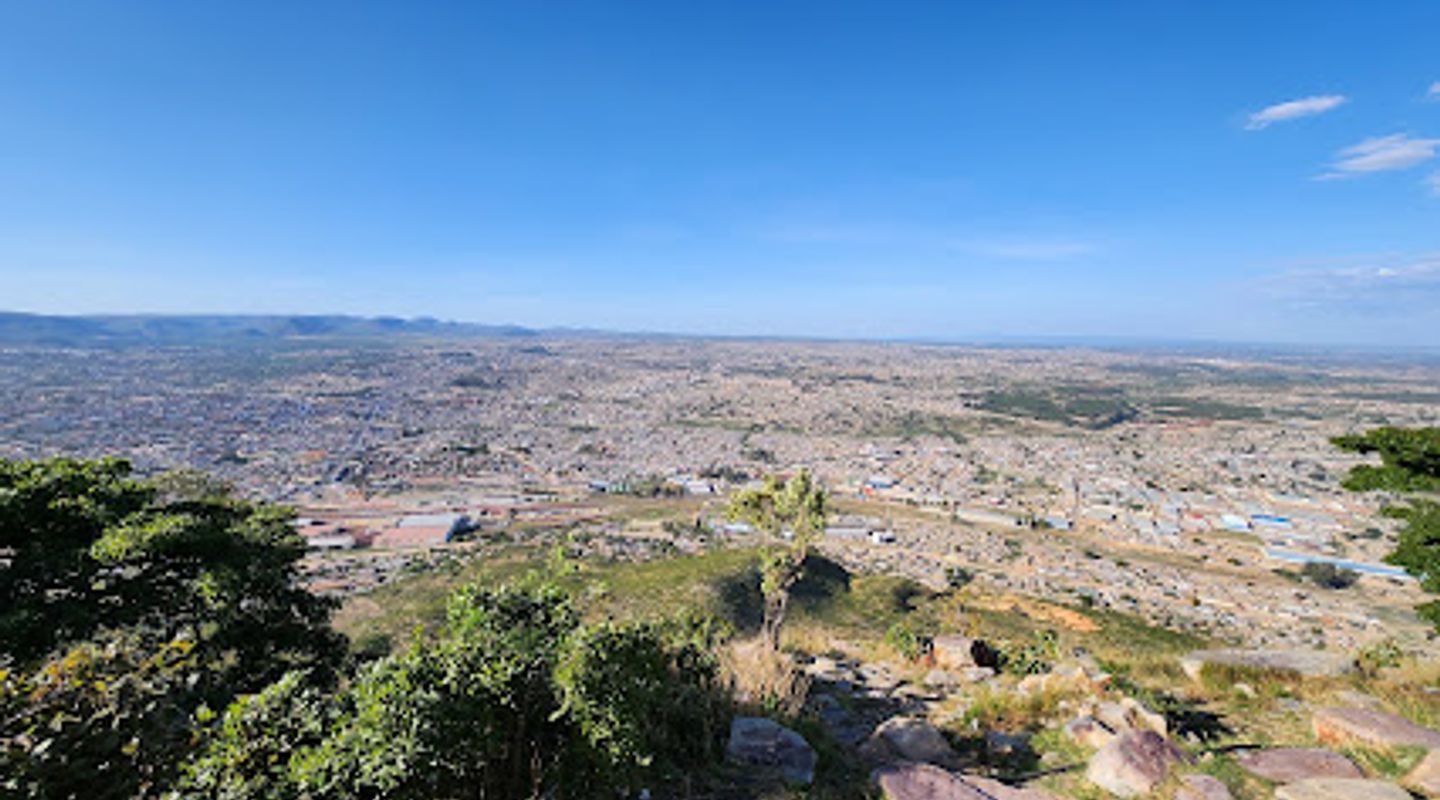
The Christ the King Statue (Cristo Rei) in Lubango, Angola, is a towering monument inspired by Rio de Janeiro's Christ the Redeemer. Built in 1957, it offers panoramic views of the city and surrounding landscape, serving as a symbol of faith and a major tourist attraction.
A brief summary to Christ the King Statue
- 3G56+XQJ, Lubango, AO

Know before you go
Hi, I'm Eve. Here are a few practical things to know before exploring Christ the King Statue.
- Wear comfortable shoes for the uphill walk from the parking area to the statue.
- Bring a camera to capture the panoramic views of Lubango and the surrounding landscape.
- Visit during sunset for a particularly stunning view.
Do you manage this location?
Take control to get all the benefits, like improved information, better appearance, and stronger visibility across AI-powered discovery. Learn more about listing your business on Evendo
Activate your presenceOther nearby places you may find interesting
The closest places of the same kind, if this one is not quite what you had in mind.
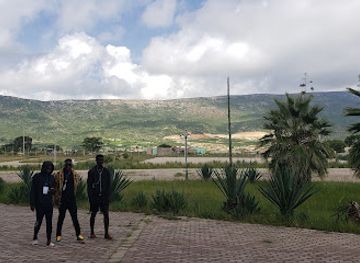
Explore Christ the King Statue on the Map
A handpicked selection of must-see spots near Christ the King Statue, mapped for you.
Getting There
-
Taxi
From anywhere in Lubango, take a taxi to Cristo Rei. Taxis are a common form of transport. A short taxi ride within Lubango should cost approximately 500-1000 AOA. Confirm the price with the driver before starting your journey. The ride should take around 20-30 minutes.
-
Car
If driving from Lubango, take the EN105 road heading east. After about 10 kilometers (6.2 miles), look for signs directing you to the statue and turn onto the access road. Free parking is generally available near the statue. The drive from Lubango should take approximately 20-30 minutes, depending on traffic.
Discover more about Christ the King Statue













Your all‑in‑one travel companion app
Explore expert travel guides, compare and book tours, experiences, hotels, and more—all from the palm of your hand. Download now for seamless trip planning wherever your wanderlust takes you.


Explore More of Tundavala Gap
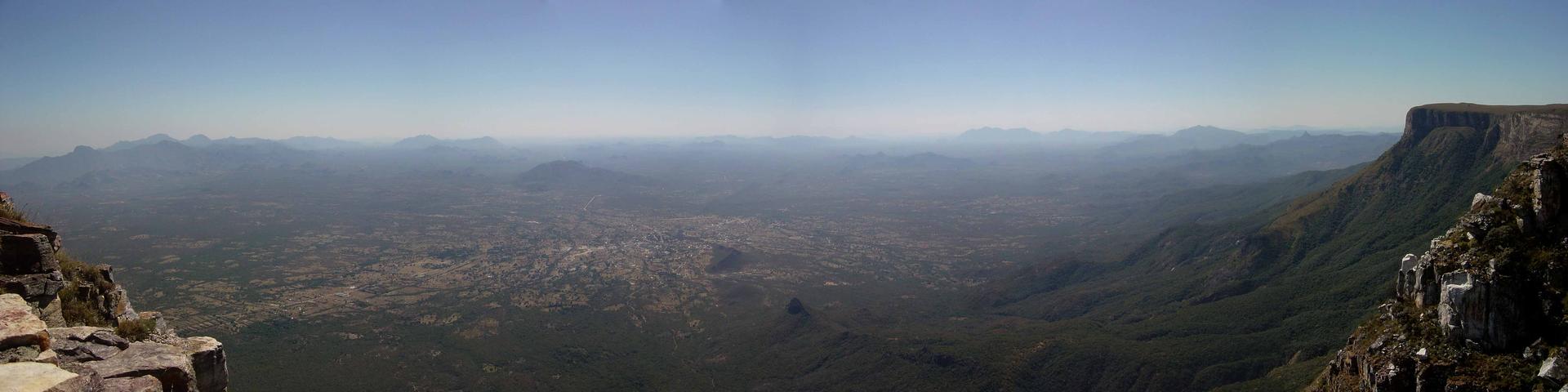
Looking beyond Christ the King Statue? Discover Tundavala Gap for broader travel guides, local hot-spots, and regional highlights.
Explore Tundavala Gap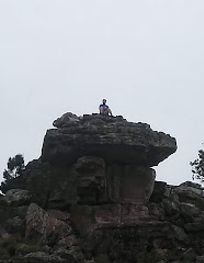
Experience the breathtaking beauty of Tundavala Gap, Angola's stunning natural attraction, with panoramic views and rich biodiversity.
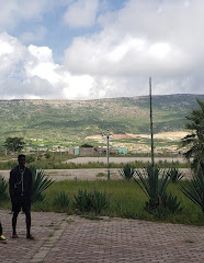
Experience the heart of Angolan sports at Estádio Da Tundavala in Lubango, a modern stadium with a vibrant atmosphere and stunning mountain views.
