
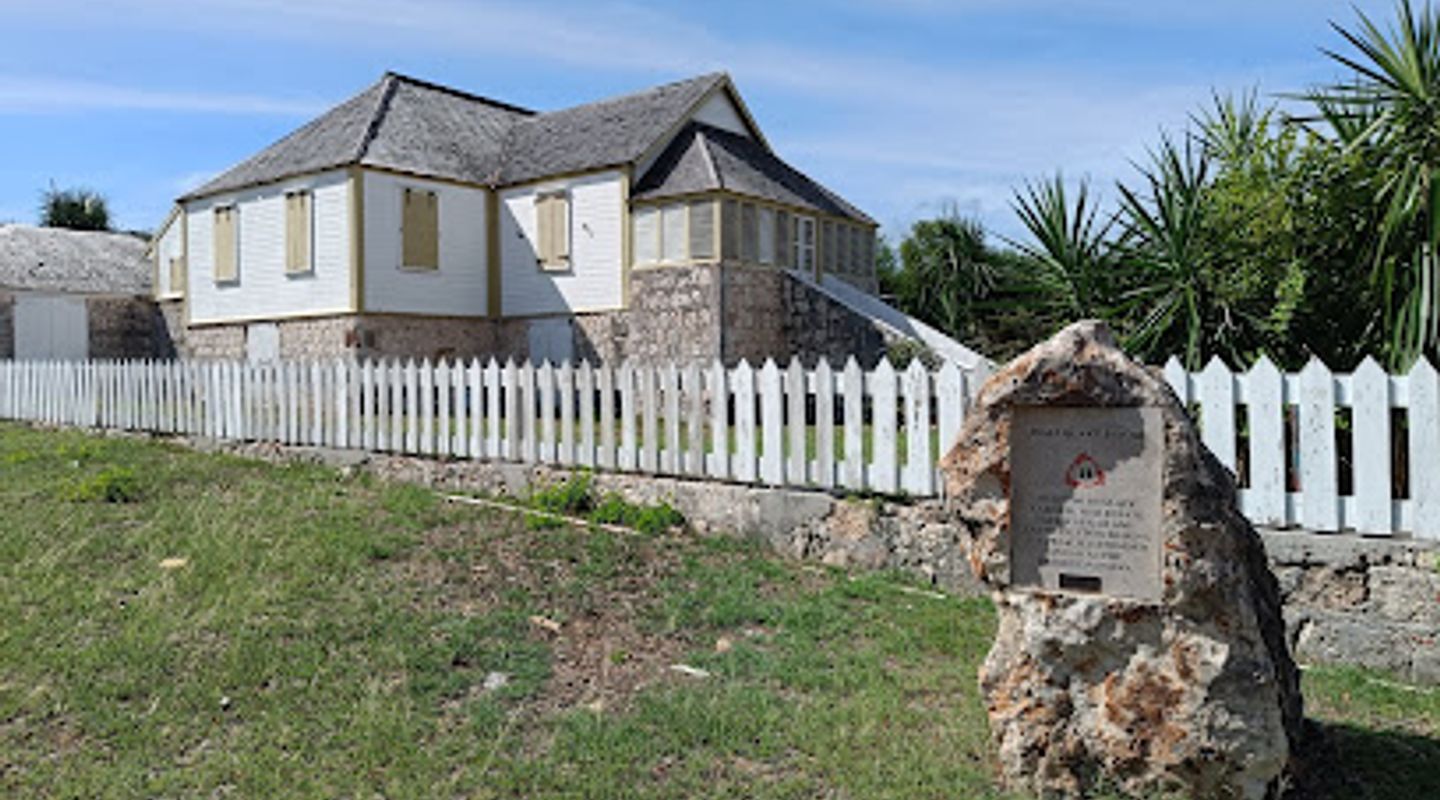
Wallblake House, Merrywing Bay Travel Guide
Step back in time at Anguilla's oldest plantation house, Wallblake House, and explore the island's rich colonial history and architecture.
Wallblake House, built in 1787, stands as Anguilla's oldest structure and only surviving plantation house. Gutted by the French in 1796 but rebuilt, it offers a glimpse into the island's colonial history with its restored kitchen, stables, and slave quarters.
A brief summary to Wallblake House
- 6W5W+Q4C Wallblake House, The Valley, 2640, AI

Know before you go
Hi, I'm Eve. Here are a few practical things to know before exploring Wallblake House.
- Visit during the cooler morning hours for a more pleasant experience.
- Check if there are any special events or exhibitions happening during your visit.
- Take your time to explore the gardens; they offer great photo opportunities.
Do you manage this location?
Take control to get all the benefits, like improved information, better appearance, and stronger visibility across AI-powered discovery. Learn more about listing your business on Evendo
Activate your presenceOther nearby places you may find interesting
The closest places of the same kind, if this one is not quite what you had in mind.

Explore Wallblake House on the Map
A handpicked selection of must-see spots near Wallblake House, mapped for you.
Getting There
-
Walking
Wallblake House is located in The Valley, Anguilla. From the center of The Valley, it is easily accessible by foot. Head west, and the house is near St. Gerard's Catholic Church. The walk is generally short and straightforward.
-
Public Transport
Buses and taxis are available in The Valley. From the airport (AXA), take a taxi to Wallblake House in The Valley. A taxi from the airport to The Valley costs approximately $40-$55. From other locations in Anguilla, a taxi can be taken to Wallblake House. Taxis are readily available at hotels and popular spots.
Discover more about Wallblake House













Your all‑in‑one travel companion app
Explore expert travel guides, compare and book tours, experiences, hotels, and more—all from the palm of your hand. Download now for seamless trip planning wherever your wanderlust takes you.


Explore More of Merrywing Bay
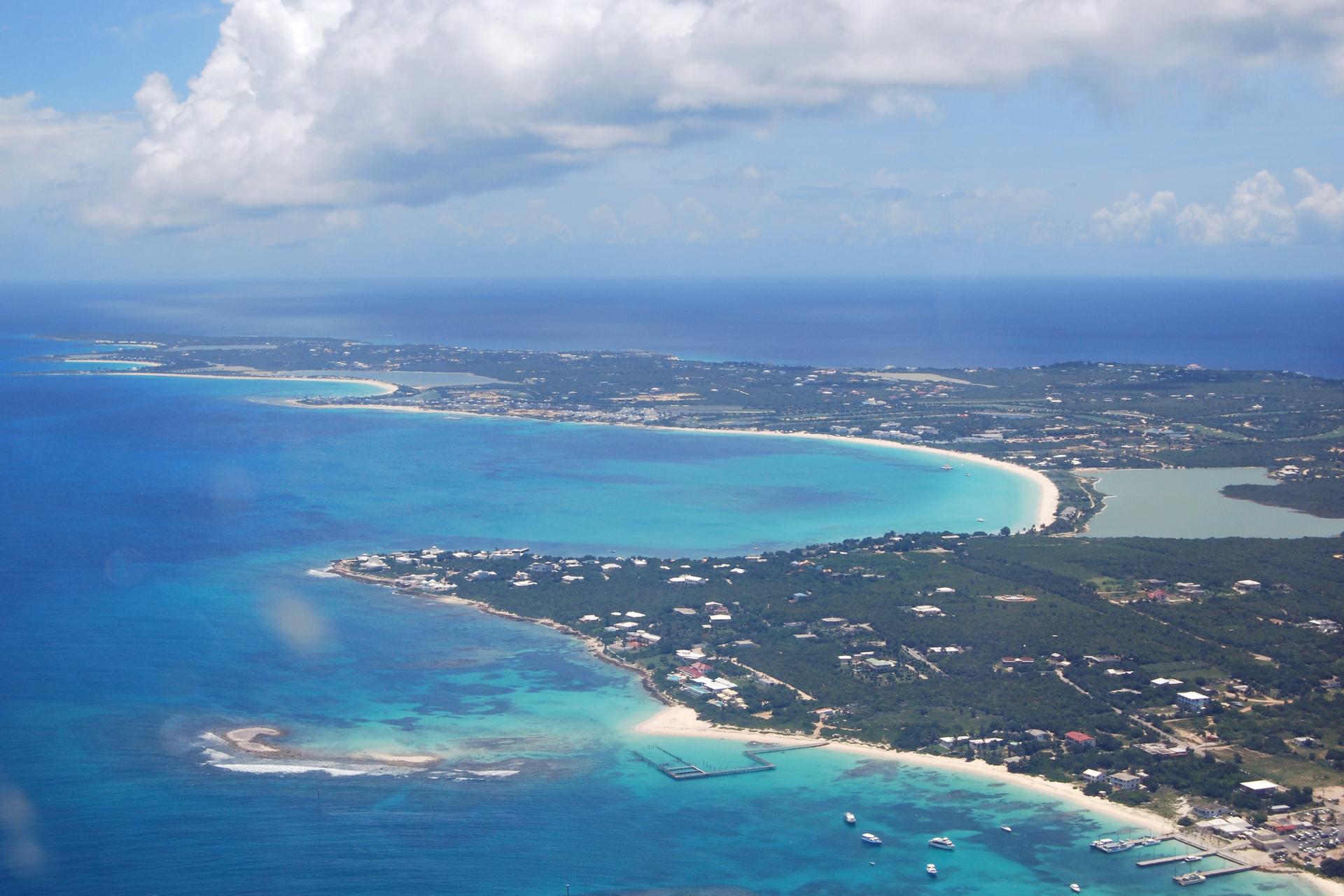
Looking beyond Wallblake House? Discover Merrywing Bay for broader travel guides, local hot-spots, and regional highlights.
Explore Merrywing Bay
Explore Anguilla's real estate gems with Gum/Kō International, your trusted partner in finding the perfect Caribbean property.

Discover the tranquility and cultural heritage of St. Gerard's Roman Catholic Church, a serene gem in the heart of Anguilla.
