Wallblake House, Crocus Hill Travel Guide
Step back in time at Wallblake House, Anguilla's oldest plantation home, and explore the island's rich history and cultural heritage.
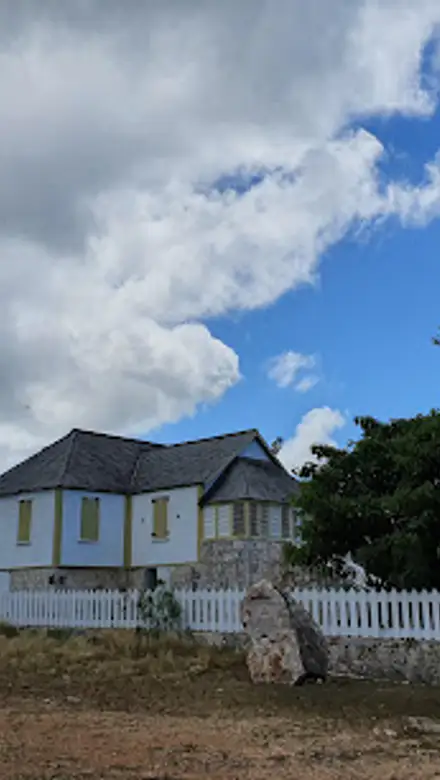
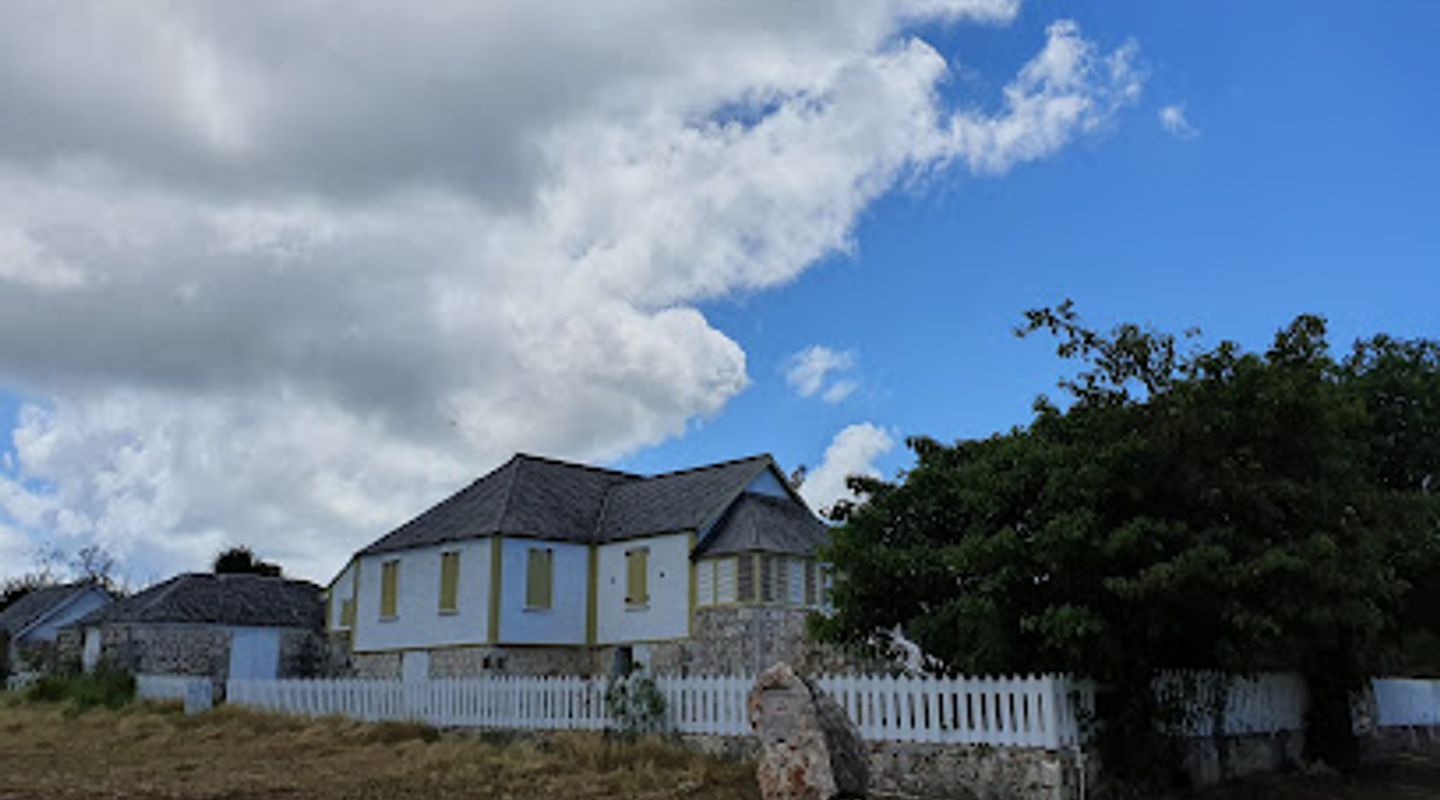
Wallblake House, built in 1787, stands as one of Anguilla's oldest structures and the only remaining plantation house on the island. Gutted by the French in the late 1790s but rebuilt, it offers a window into Anguilla's colonial history with its restored buildings and museum annex.
A brief summary to Wallblake House
- 6W5W+Q4C Wallblake House, The Valley, 2640, AI

Know before you go
Hi, I'm Eve. Here are a few practical things to know before exploring Wallblake House.
- Check in advance for tour availability, as the house is sometimes used as a rectory.
- Explore the grounds to see the ruins of the sugar mill to the west of the main house.
- Combine your visit with a trip to the nearby Old Cotton Gin Factory to learn more about Anguilla's economic history.
Do you manage this location?
Take control to get all the benefits, like improved information, better appearance, and stronger visibility across AI-powered discovery. Learn more about listing your business on Evendo
Activate your presenceOther nearby places you may find interesting
The closest places of the same kind, if this one is not quite what you had in mind.
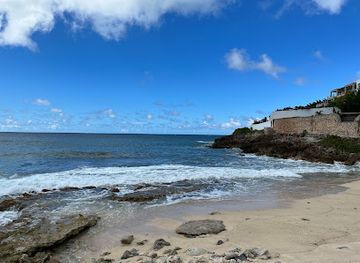
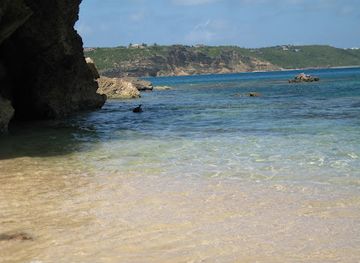
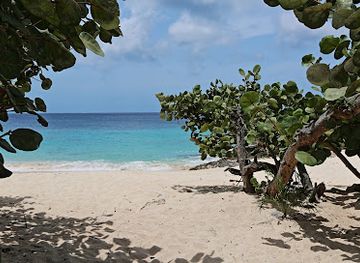
Explore Wallblake House on the Map
A handpicked selection of must-see spots near Wallblake House, mapped for you.
Getting There
-
Walking
Wallblake House is located in The Valley, Anguilla's capital. If you're already in The Valley, the house is easily accessible on foot. From the center of town, head towards St. Gerard's Catholic Church; Wallblake House is located adjacent to it. The walk is generally flat and takes about 5-10 minutes from most central locations. There are no specific costs associated with walking.
-
Taxi
Taxis are readily available throughout Anguilla, including at the airport (AXA) and Blowing Point Ferry Terminal. A taxi from the ferry terminal to Wallblake House will cost approximately $18 for two people with two pieces of luggage. From the airport, the fare is around $26 for the same. Additional passengers cost $5 each, and extra luggage is $1 per piece. A nighttime surcharge of $4 applies after 6 PM. Taxis in Anguilla operate on fixed rates, so confirm the fare with the driver before starting your journey.
-
Car Rental
Renting a car offers flexibility in Anguilla. Several car rental agencies operate on the island. To rent a car, you'll need a valid driver's license and must purchase a temporary Anguillian driver's license for $28. From the airport or ferry terminal, follow the main road towards The Valley. Once in The Valley, look for signs for St. Gerard's Catholic Church; Wallblake House is next door. Parking near Wallblake House is generally available but can be limited. There are no parking fees.
Discover more about Wallblake House













Your all‑in‑one travel companion app
Explore expert travel guides, compare and book tours, experiences, hotels, and more—all from the palm of your hand. Download now for seamless trip planning wherever your wanderlust takes you.


Explore More of Crocus Hill
Looking beyond Wallblake House? Discover Crocus Hill for broader travel guides, local hot-spots, and regional highlights.
Explore Crocus Hill
Discover the serene beauty of Cat Island in Anguilla, a tropical paradise with lush landscapes, pristine beaches, and a peaceful escape into nature.
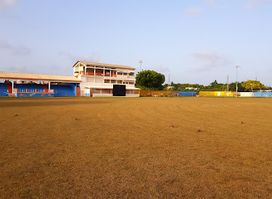
Discover Anguilla's community spirit at J. Ronald Webster Park, a central location for recreation, sports, and cultural events in The Quarter.