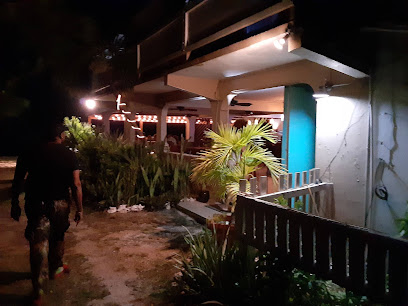
Wallblake House: A Glimpse into Anguilla's Past
Discover Anguilla's rich history at Wallblake House, the island's oldest plantation home, offering a glimpse into colonial life and architecture.
Wallblake House, built in 1787, stands as Anguilla's oldest structure and the sole surviving plantation house. Gutted by the French in the late 1790s but rebuilt, it offers a window into the island's colonial history with its restored buildings and grounds.
A brief summary to Wallblake House
- 6W5W+Q4C Wallblake House, The Valley, 2640, AI
Local tips
- Check for guided tour schedules in advance to enhance your visit with historical insights.
- Visit during the late afternoon for beautiful natural light, ideal for photography.
- Take a leisurely stroll through the surrounding gardens for a peaceful retreat.

Getting There
-
Walking
Wallblake House is located in The Valley, Anguilla, near St. Gerard's Catholic Church. From the center of The Valley, head west. Wallblake House is easily accessible on foot, allowing you to explore the area's colorful architecture. No costs are associated with walking.
-
Taxi
Taxis are readily available throughout Anguilla, including in The Valley. A short taxi ride within The Valley to Wallblake House will typically cost around $20-$25. Additional charges may apply for extra passengers or luggage. Taxis can be found at the airport or arranged through hotels and restaurants.
Discover more about Wallblake House
Iconic landmarks you can’t miss

Gum/Ko International, Anguilla Real Estate Agency
0.1 km
Explore Anguilla's real estate with Gum/Kò International, your trusted guide to finding the perfect island property amidst breathtaking scenery.
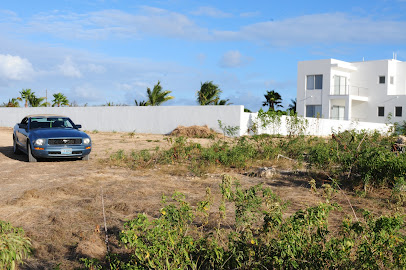
Anguilla Tourist Board
0.3 km
Explore Anguilla's pristine beaches and vibrant culture with insights from the Anguilla Tourist Board, your guide to unforgettable Caribbean adventures.

Merchants Market Group
0.3 km
Explore the flavors of Anguilla at Merchants Market, your go-to spot for fresh produce and specialty food products on the island.
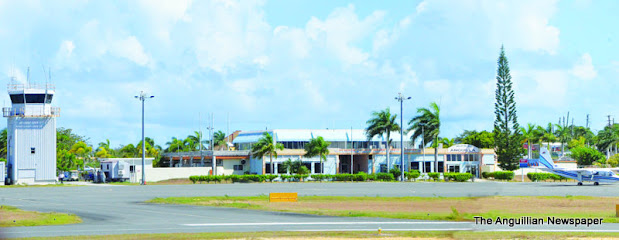
Anguilla-Clayton J. Lloyd Airport
0.4 km
Discover the charm of Anguilla through Clayton J. Lloyd Airport, your gateway to sun-kissed beaches and luxurious getaways in the Caribbean.
Bel Ti Plas
0.4 km
Experience the bliss of Anguilla with Bel Ti Plas, your perfect holiday home letting agency for unforgettable island adventures.
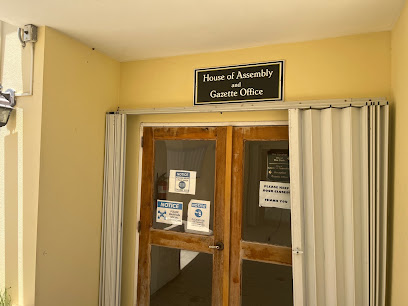
House of Assembly
0.5 km
Discover the House of Assembly in Anguilla, a symbol of democracy and governance in the heart of the Caribbean.
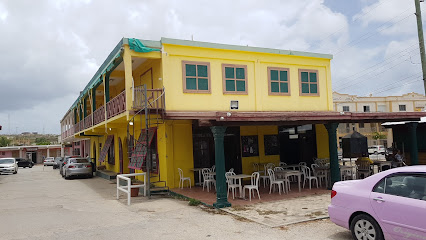
English Rose
0.5 km
Experience the vibrant flavors of Caribbean cuisine at English Rose, a must-visit restaurant in Anguilla for every food enthusiast.
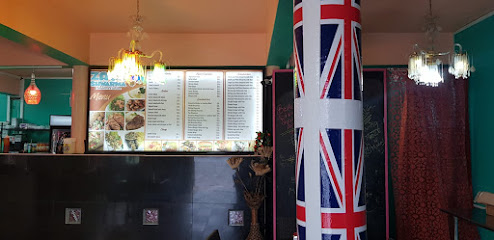
Zack shwarma
0.5 km
Discover the mouthwatering shawarma at Zack's Shawarma, a culinary delight located conveniently in George Hill, Anguilla.
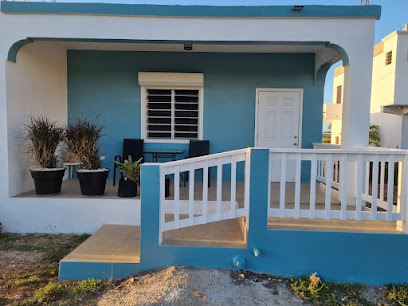
Old Boys' School
0.5 km
Discover the Old Boys' School in Anguilla, a historical landmark that showcases the island's rich educational heritage and architectural charm.
Ken's BBQ
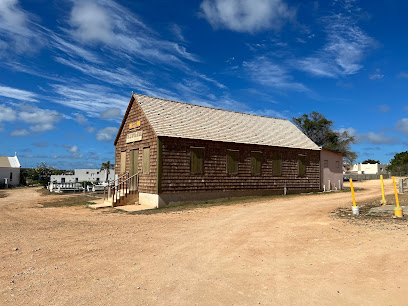
0.6 km
Discover the authentic taste of Caribbean BBQ at Ken's BBQ in Anguilla, where every dish is a celebration of local flavors.
Pizza King
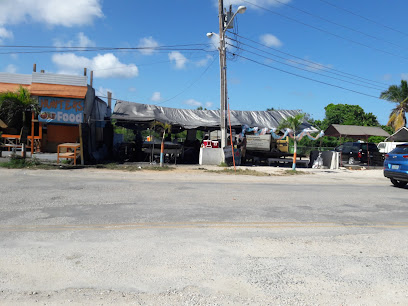
0.6 km
Indulge in the best pizza in Anguilla at Pizza King, where local flavors meet classic Italian recipes in a vibrant setting.
South hill
0.7 km
Experience the tranquility and natural beauty of South Hill, Anguilla, where comfort meets the charm of Caribbean living.
AnguillaDominoAssociation264
0.8 km
Discover the lively spirit of Anguilla through the exciting games at the Anguilla Domino Association, where community and culture unite.
Fruity Web
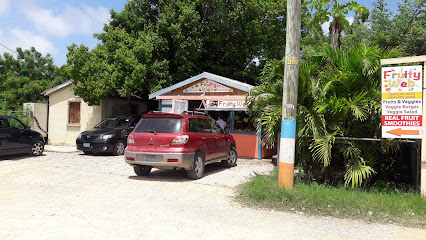
0.9 km
Discover the best of Anguilla's fresh produce at Fruity Web, your go-to spot for organic fruits, vegetables, and vegan delights in The Valley.
Mason Complex
1.0 km
Discover unique crafts, local flavors, and a vibrant Caribbean atmosphere at Mason Complex in Anguilla's charming Quarter.
Unmissable attractions to see

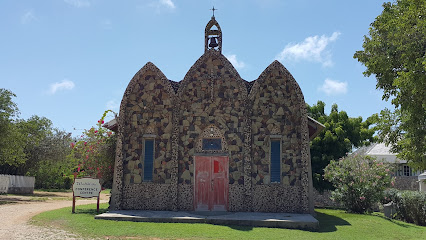
St. Gerard's Roman Catholic Church
0.1 km
Discover St. Gerard's Roman Catholic Church in Anguilla: a unique blend of faith, architecture, and maritime history in the heart of The Valley.
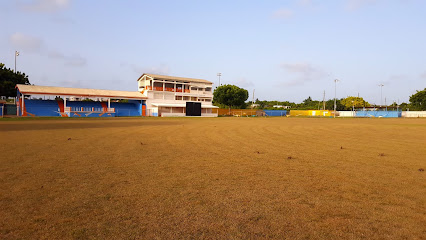
J. Ronald Webster Park
0.9 km
Discover Anguilla's community spirit at J. Ronald Webster Park, a central location for recreation, sports, and cultural events in The Quarter.
Katouche Tours
1.2 km
Discover Anguilla's wild side: Hike through lush trails, explore ancient caves, and uncover the secrets of Katouche Valley's unique ecosystem.
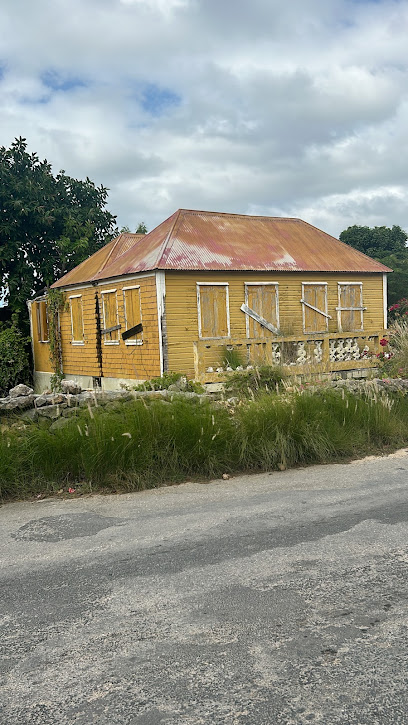
The Yellow House
1.3 km
Discover Anguilla's vibrant culture and artistic spirit at The Yellow House, a landmark showcasing local heritage in the heart of The Valley.
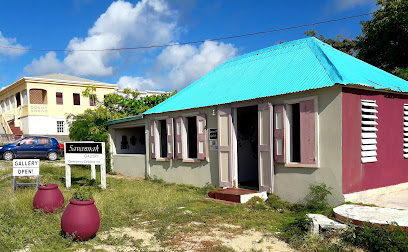
Savannah Gallery
1.3 km
Discover Caribbean artistry at Savannah Gallery in Anguilla, showcasing vibrant paintings, sculptures, and prints in a historic setting.
Forest Bay Pond
1.6 km
Discover Anguilla's serene side at Forest Bay Pond, a haven for birdwatchers and nature lovers seeking tranquility.
Forest Bay
1.6 km
Discover Forest Bay, Anguilla: A serene beach escape with turquoise waters, perfect for relaxation and nature lovers seeking tranquility.
Crocus Hill
1.7 km
Ascend Anguilla's highest point for panoramic views, historical insights, and a tranquil escape amidst stunning Caribbean scenery.
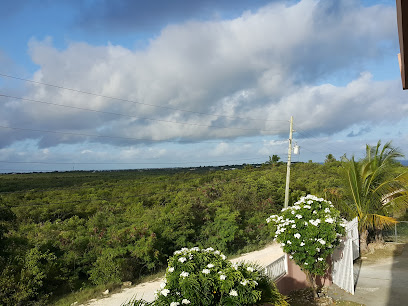
Crocus Bay Beach
1.8 km
Discover Crocus Bay, Anguilla: A serene beach escape with golden sands, calm waters, and stunning sunsets. Perfect for relaxation and water activities.
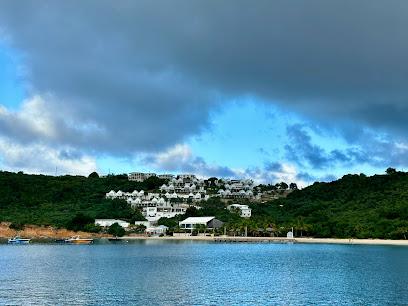
Cat Island
1.9 km
Discover the serene beauty of Cat Island in Anguilla, a tropical paradise with lush landscapes and pristine beaches, perfect for a peaceful escape.
Katouche Bay Pond
2.2 km
Discover tranquility at Katouche Bay Pond, Anguilla: a serene escape surrounded by lush nature and calming waters.
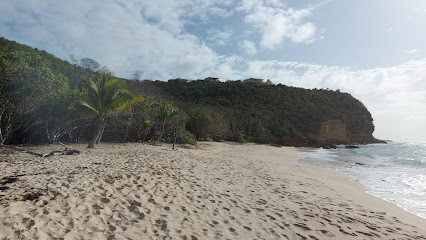
Violet Bay
2.2 km
Discover Violet Bay, Anguilla: a hidden gem with pristine sands, turquoise waters, and breathtaking sunsets for the ultimate tranquil escape.
Katouche Bay
2.2 km
Discover Anguilla's hidden gem: Katouche Bay, a secluded beach offering tranquility, snorkeling, hiking, and a unique natural escape.
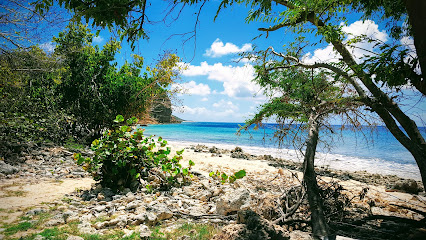
Little Bay
2.5 km
Discover Anguilla's hidden gem: Little Bay, a secluded beach paradise with crystal-clear waters, stunning cliffs, and vibrant marine life.
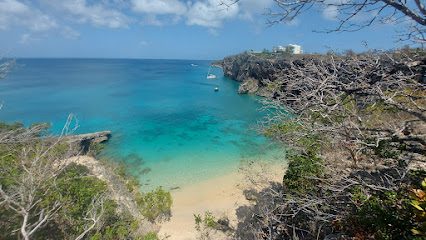
Crocus Bay
2.5 km
Discover tranquility at Crocus Bay, Anguilla: a picturesque beach with calm waters, stunning sunsets, and a rich history waiting to be explored.
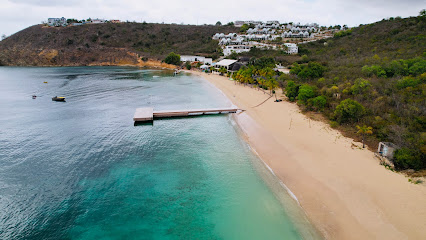
Essential places to dine

Hungry’s Restaurant and Fish Depot
0.1 km
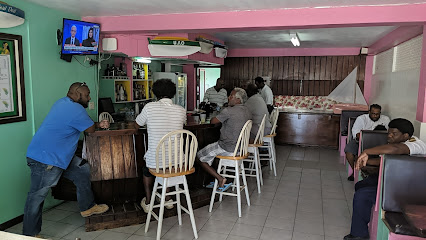
Experience authentic Caribbean flavors at Hungry’s Restaurant and Fish Depot – where fast food meets fresh seafood in Anguilla.
Mingz Restaurant
0.1 km
Experience the rich flavors of Anguilla at Mingz Restaurant – where every dish tells a story.
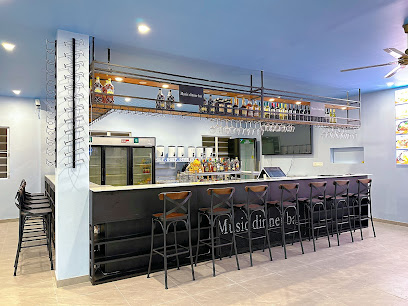
Nico's Restaurant
0.2 km
Experience authentic Anguillian cuisine at Nico's Restaurant - where flavorful dishes meet affordable prices in a cozy atmosphere.
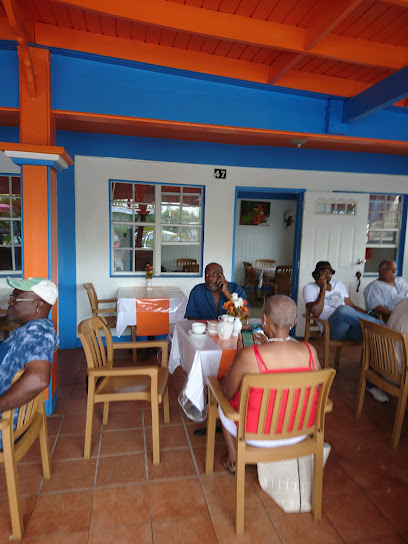
Dionne's
0.4 km
Experience authentic Caribbean cuisine at Dionne's in Anguilla – a culinary oasis blending vibrant flavors with stunning island views.
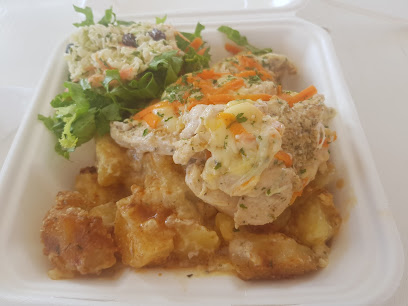
Good Korma The Islands Curry House
0.6 km
Experience the vibrant flavors of Caribbean cuisine at Good Korma The Islands Curry House in Anguilla – where every dish tells a story.
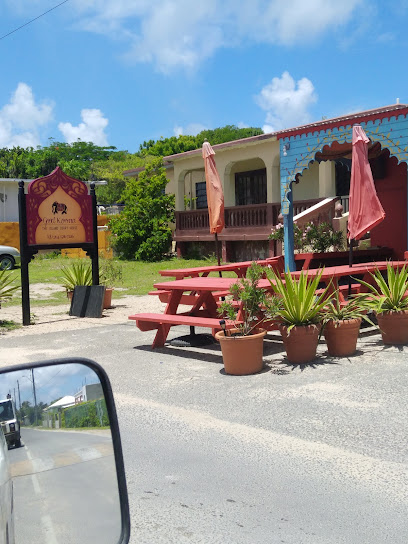
The (Valley) Strip
0.6 km
Experience exquisite flavors at The Valley Strip in Anguilla—where Caribbean charm meets culinary excellence.
Sharp's Shake Shack
0.6 km
Experience flavorful grilled dishes in a vibrant atmosphere at Sharp's Shake Shack in beautiful Anguilla.
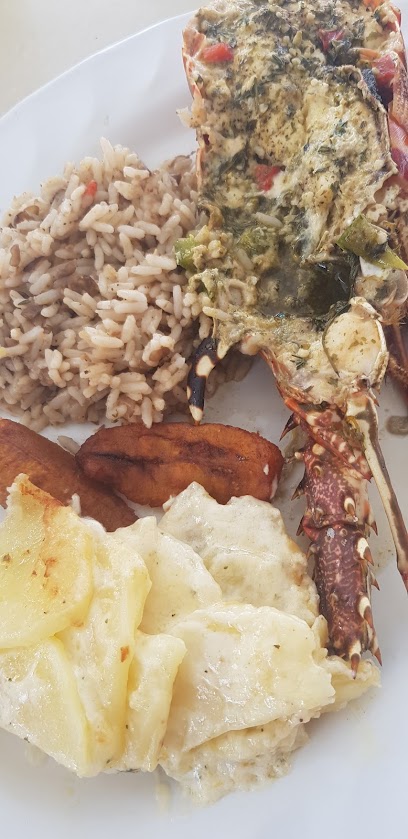
Kaja’s Restaurant
0.6 km
Experience the essence of Caribbean cuisine at Kaja's Restaurant in Anguilla – where every dish tells a story.
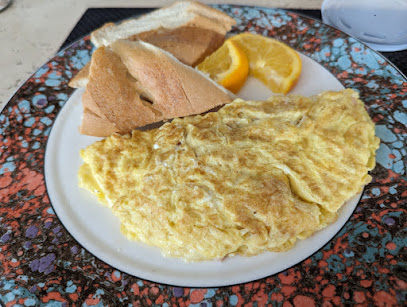
Yumyum Restaurant
0.6 km
Experience the flavors of Anguilla at Yumyum Restaurant – where local ingredients meet global cuisine in a warm and inviting setting.
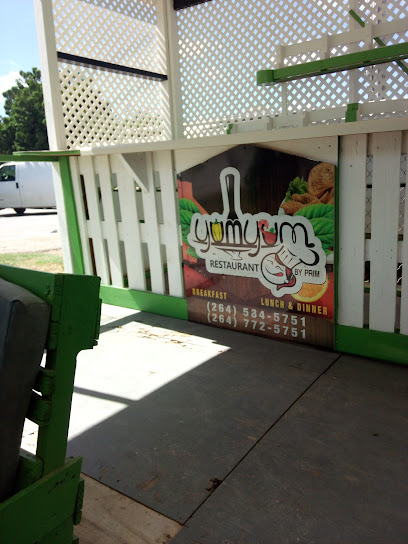
Chan-Boo’s
0.6 km
Experience Anguilla's culinary gems at Chan-Boo’s - where every dish tells a story infused with local flavors.
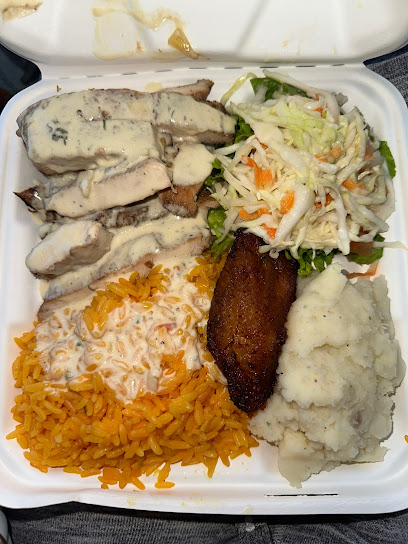
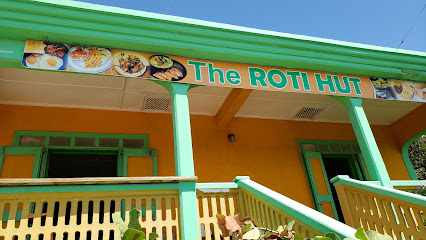
The Roti Hut
0.7 km
Discover authentic Caribbean flavors at The Roti Hut in Anguilla – where every bite tells a story of island life.
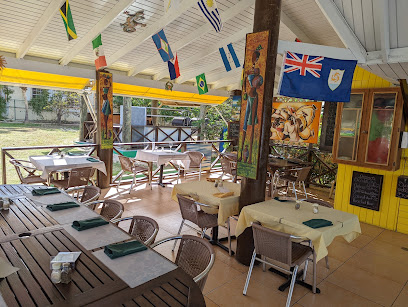
Andy's Restaurant & Bar
0.7 km
Experience authentic Caribbean cuisine with stunning views at Andy's Restaurant & Bar in Anguilla.
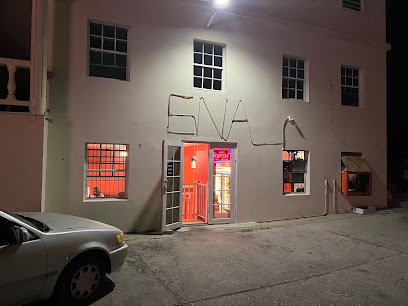
Ena Chinese
0.8 km
Discover Ena Chinese in Anguilla: A culinary haven serving authentic Chinese dishes with fresh ingredients and warm hospitality.
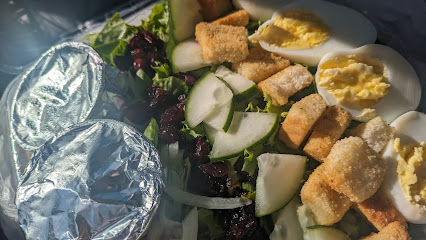
The Pink Bar
0.8 km
Experience the vibrant flavors and inviting atmosphere at The Pink Bar in Anguilla, the perfect brunch destination for every traveler.
Markets, malls and hidden boutiques

Last Minute Gifts
0.2 km
Explore Last Minute Gifts in Anguilla for unique souvenirs and local treasures that capture the spirit of the Caribbean.
Graphique Maddness
0.2 km
Explore Graphique Maddness for unique handcrafted gifts and authentic Anguillian souvenirs in a charming setting.
Occasions
0.3 km
Explore Occasions in Anguilla for a unique clothing shopping experience, blending local style with exceptional service in a charming atmosphere.
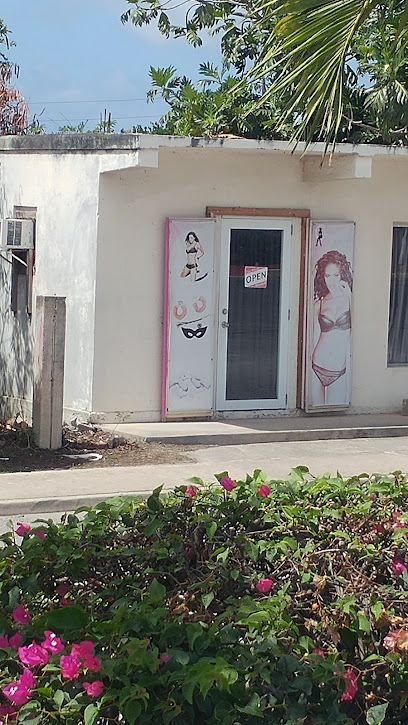
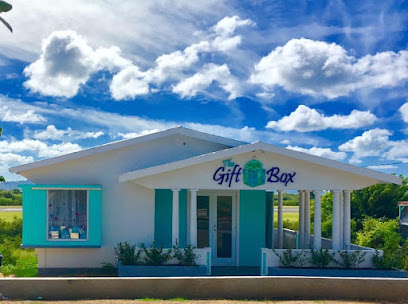
The Gift Box
0.3 km
Explore The Gift Box in Anguilla for unique souvenirs and local crafts that capture the essence of the Caribbean.
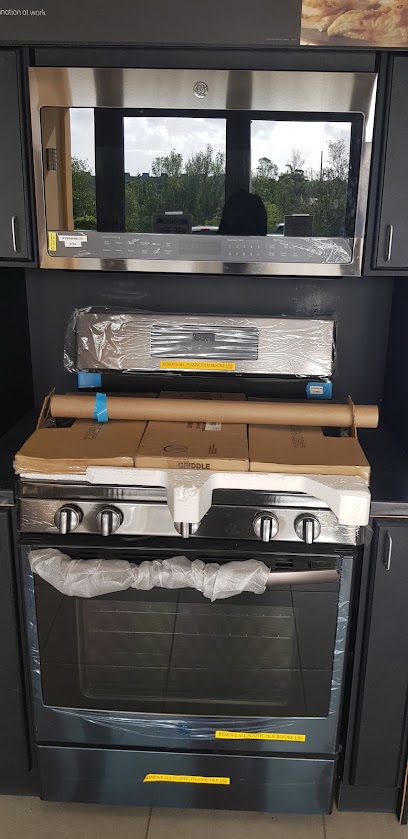
Haskins Appliances
0.3 km
Explore Haskins Appliances in Anguilla for top-quality home appliances and outstanding customer service during your island getaway.
Qveen
0.3 km
Discover the vibrant fashion scene at Qveen in Anguilla, where local style meets island culture for an unforgettable shopping experience.
ABC Supplies
0.3 km
ABC Supplies in The Valley, Anguilla: Your one-stop hardware shop for all DIY projects and home improvement needs.
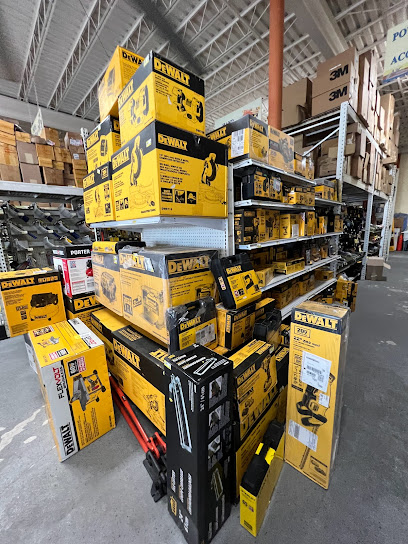
Elements Boutique Anguilla
0.4 km
Explore the vibrant culture of Anguilla at Elements Boutique - your destination for unique local crafts and fashion.
Essential bars & hidden hideouts

The LAB by Bish - Bar Lounge Auto
0.3 km
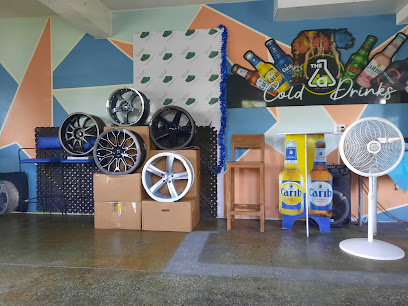
Experience the vibrant nightlife of Anguilla at The LAB by Bish, where exquisite drinks and local culture meet in a stylish bar lounge setting.
Changes Bar
0.8 km
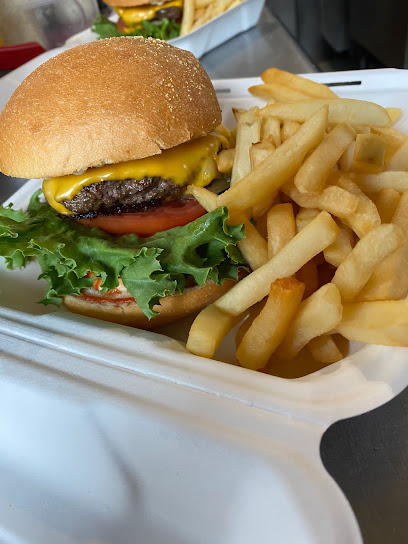
Experience the vibrant nightlife and local culture at Changes Bar in The Valley, Anguilla, where great drinks and good vibes await.
Dip N Strip
0.8 km
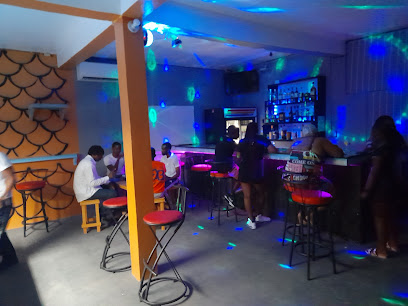
Experience the vibrant nightlife of Anguilla at Dip N Strip, a lively bar serving up delicious drinks and local charm.
RIBBEAN SPORT BAR
1.0 km
Experience the vibrant atmosphere and local flavors at Ribbean Sport Bar in Anguilla, where sports, food, and fun come together.
IRAIDA SUPER FRIA
1.2 km
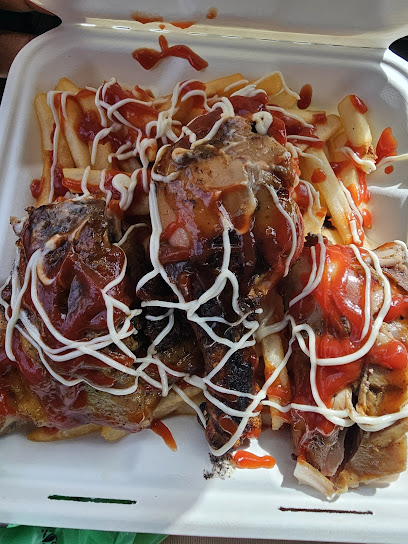
Experience the vibrant nightlife and authentic Caribbean flavors at IRAIDA SUPER FRIA, a must-visit bar in George Hill, Anguilla.
Hit The Spot Tapas Bar, Restaurant & Hodge's Catering Services
1.5 km
Experience the vibrant flavors of Anguilla at Hit The Spot Tapas Bar, where Mediterranean and local cuisines meet in a cozy setting.
Jelly BBQ - Local Food,BBQ and Natural Drinks
1.6 km
Experience the authentic tastes of Anguilla at Jelly BBQ, renowned for its smoky barbecue and refreshing natural drinks in a relaxed setting.
Da'Vida
1.7 km
Experience the culinary delights of Anguilla at Da'Vida, where exquisite flavors meet breathtaking ocean views in a serene island setting.
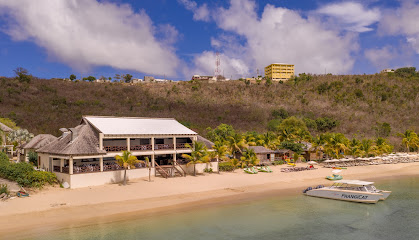
The Spot Bar
1.8 km
Experience the vibrant atmosphere of The Spot Bar in Anguilla, where refreshing drinks and local camaraderie create unforgettable memories.
Sani
1.9 km
Experience the vibrant spirit of Anguilla at Sani, where refreshing cocktails and a lively atmosphere await every visitor.
The Lounge @Kels
2.3 km
Experience the vibrant flavors of Anguilla at The Lounge @Kels, your destination for exquisite dining and Caribbean hospitality.
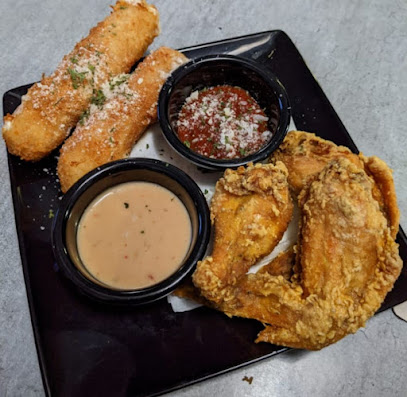
Yellow Banana
2.4 km
Experience the vibrant flavors of the Caribbean at Yellow Banana, a must-visit grill in Cauls Bottom, Anguilla.
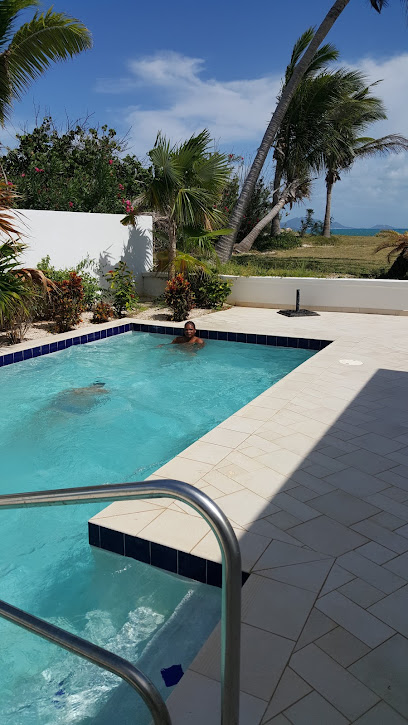
MIRABELLE'S
2.5 km
Experience the best of Anguilla's culinary scene at Mirabelle's, a tapas bar offering vibrant flavors, live music, and an unforgettable atmosphere.
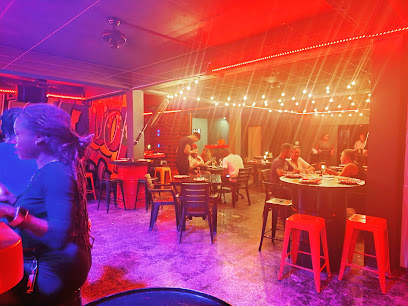
Nightclubs & after hour spots

Lounge Blù
1.9 km
Discover the pulse of Anguilla's nightlife at Lounge Blù, where music, cocktails, and vibrant energy create unforgettable nights.
Meze Cocktail Lounge
2.8 km
Discover the perfect blend of craft cocktails and vibrant atmosphere at Meze Cocktail Lounge in North Hill Village, Anguilla.
Bushbar Anguilla
3.6 km
Experience the tropical charm of Bushbar Anguilla, the ultimate destination for sunset cocktails and local vibes.
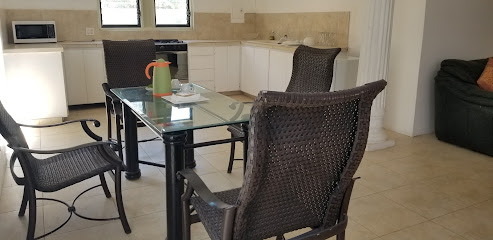
Lit lounge
3.9 km
Experience the vibrant nightlife at Lit Lounge in Sandy Ground, Anguilla—where cocktails, music, and great company unite under the stars.
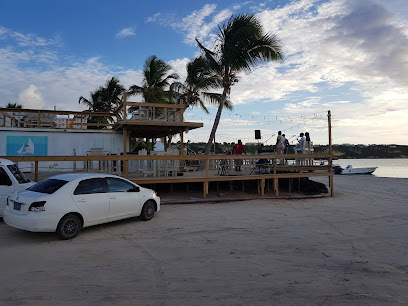
SandBar
3.9 km
Discover the vibrant beachside bar experience at SandBar in Anguilla, where cocktails meet stunning ocean views in a lively atmosphere.