Betty's Hope: Echoes of Antigua's Sugar Past
Discover Antigua's colonial past at Betty's Hope, the island's first sugar plantation, featuring restored windmills and historic ruins.
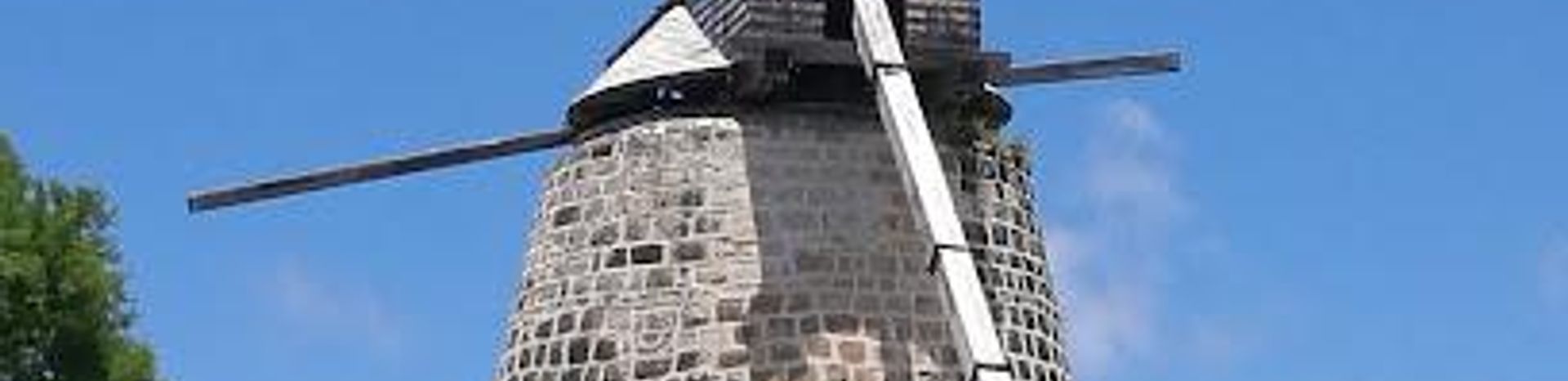
Explore Betty's Hope, Antigua's first large-scale sugar plantation, established in the 17th century. Wander the grounds of this open-air museum, where restored windmills and ruins whisper tales of colonial industry and the lives of enslaved people who labored here.
A brief summary to Betty's Hope Historic Sugar Plantation
- 37J3+9PW, Pares, AG
- Visit website
- Monday 9 am-3 pm
- Tuesday 9 am-3 pm
- Wednesday 9 am-3 pm
- Thursday 9 am-3 pm
- Friday 9 am-1:30 pm
Local tips
- Wear comfortable shoes for walking around the expansive grounds and exploring the ruins.
- Bring cash for the entrance donation, payable via donation box.
- Visit during the dry season (mid-December to mid-April) for the most pleasant weather.

Getting There
-
Taxi
Taxis are readily available from most locations on Antigua. A taxi from St. John's to Betty's Hope takes approximately 30 minutes. Negotiate the fare before starting your journey. Expect to pay around $30-$40 USD for a one-way trip.
-
Car
Betty's Hope is located near Pares Village and is accessible by car. From St. John's, take the Sir George Walter Highway and follow the signs to Betty's Hope. The drive is approximately 30 minutes. Parking is available on-site. Car rentals are available at the airport and in St. John's.
Discover more about Betty's Hope Historic Sugar Plantation
Iconic landmarks you can’t miss

The Great House Antigua
1.7 km
Discover the beauty of Antigua at The Great House, a serene hotel blending history and luxury amidst lush gardens and pristine beaches.

Antigua Nature Tours
2.8 km
Discover Antigua's stunning landscapes and rich biodiversity with expert local guides through Antigua Nature Tours, your gateway to eco-friendly exploration.
Ounces Ice Cream Parlor & Grill
3.5 km
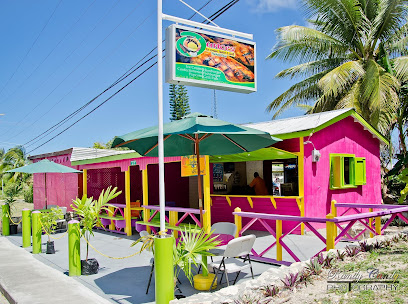
Experience the vibrant flavors of Caribbean cuisine and indulge in delicious ice cream at Ounces Ice Cream Parlor & Grill in Parham Town.
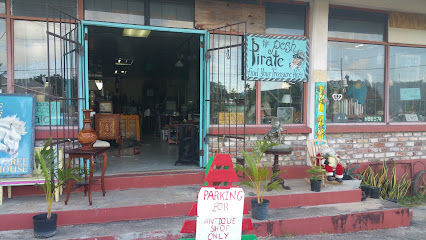
The Posh Pirate Antique Store
3.6 km
Discover timeless treasures and unique antiques at The Posh Pirate Antique Store in Liberta, a vibrant destination for collectors and curious travelers.
Tropical Time Out Ice Cream Parlour & Deli
4.3 km
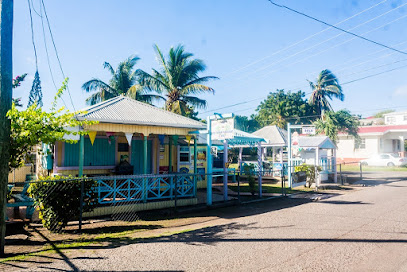
Experience the ultimate sweet escape at Tropical Time Out Ice Cream Parlour & Deli in Willikies, where delightful flavors meet a charming Caribbean atmosphere.
St. Phillips Anglican Church
4.5 km
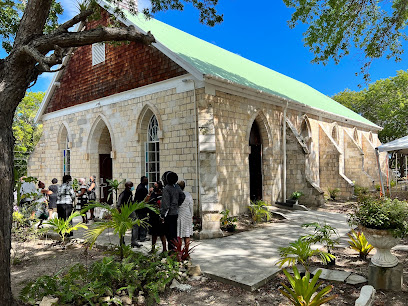
Explore the historical beauty of St. Phillips Anglican Church in Ffryes, Antigua—an iconic landmark reflecting the island's rich heritage.
The Escape at Nonsuch Bay Resort
4.6 km
Experience luxury and tranquility at The Escape at Nonsuch Bay Resort, your perfect Caribbean getaway with stunning views and exceptional amenities.
Kool Kats Antigua
4.7 km
Explore the beauty and culture of Antigua with Kool Kats, the ultimate sightseeing tour agency for unforgettable adventures.
Colesome Farmers Market
4.8 km
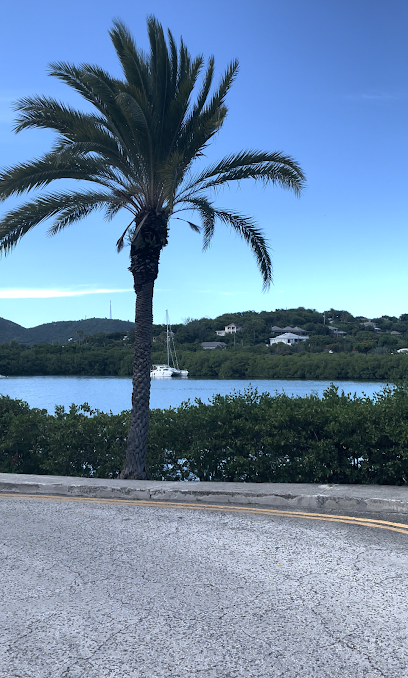
Discover the vibrant Colesome Farmers Market in All Saints, where local produce and artisanal crafts bring Antigua's culture to life.
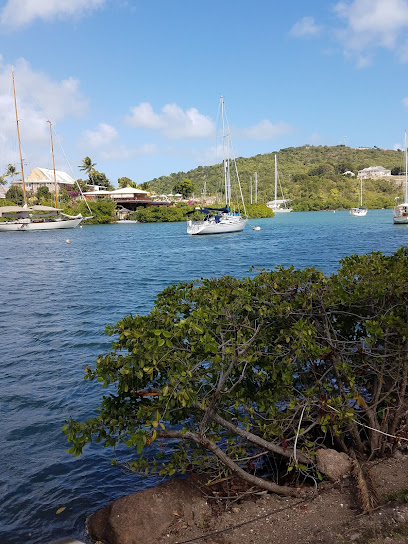
Humble and Free Wadadli
4.9 km
Experience the authentic beauty of Antigua through curated tours with Humble and Free Wadadli, your trusted tour agency for enriching adventures.
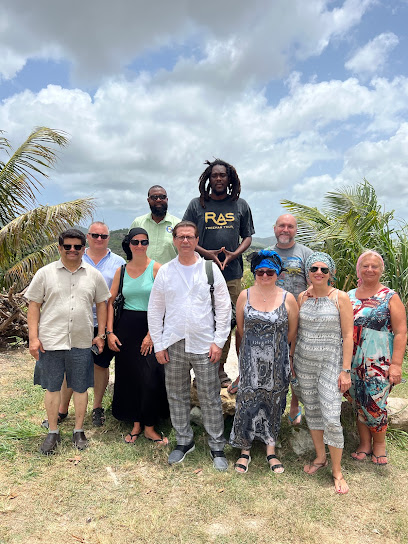
Codrington Island
5.3 km
Explore the serene beauty of Codrington Island, a hidden paradise in Antigua and Barbuda, perfect for relaxation and adventure amidst stunning landscapes.
Meltz Anu
5.3 km
Discover the sweet flavors of the Caribbean at Meltz Anu, an ice cream haven in All Saints Village, St. John's.
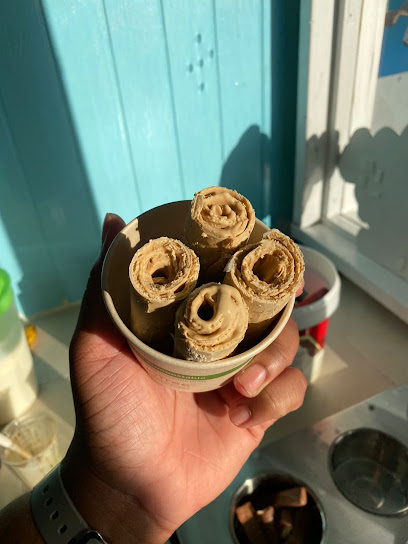
Willoughby Bay Overview
5.4 km
Experience the tranquil beauty of Willoughby Bay in Antigua, where stunning coastal views and serene nature await every traveler.
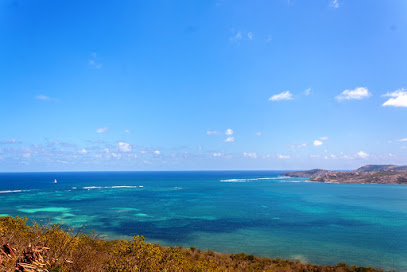
Pineapple Beach Club
6.1 km
Experience the ultimate tropical retreat at Pineapple Beach Club, where stunning beaches and luxurious amenities await in Antigua's paradise.
Long Bay
6.2 km
Experience the stunning beauty and tranquil atmosphere of Long Bay in Antigua, a perfect paradise for sun-seekers and adventure enthusiasts alike.
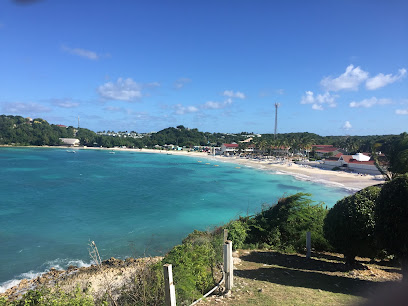
Unmissable attractions to see

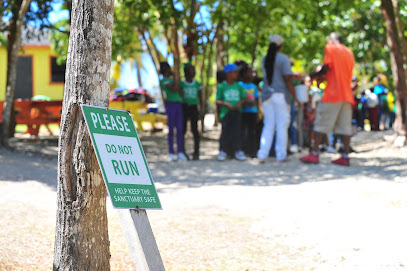
Wadadli Animal Nature Park
1.9 km
Discover Antigua's wildlife at Wadadli Animal Nature Park: a serene sanctuary for animals, nature lovers, and families seeking a tranquil escape.
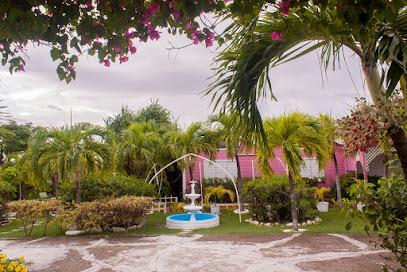
Sea Breeze Reception Hall
2.2 km
Celebrate special moments at Sea Breeze Reception Hall in Antigua, offering stunning views and exceptional service for unforgettable events.
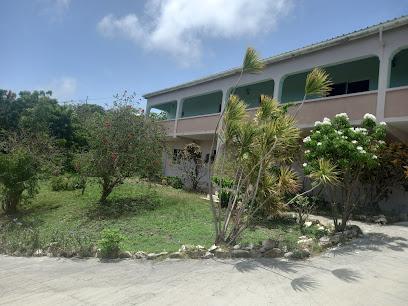
Island Explorer Antigua Tours
2.5 km
Explore Antigua like never before with Island Explorer Tours, your gateway to unforgettable adventures in paradise.
Stingray City Antigua
2.8 km
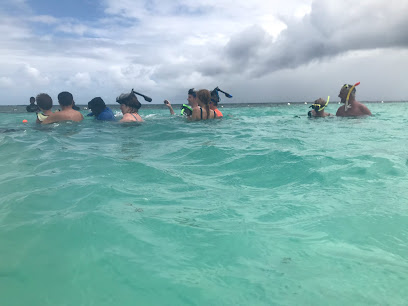
Swim with gentle stingrays in their natural habitat at Stingray City Antigua. An unforgettable marine adventure for all ages!
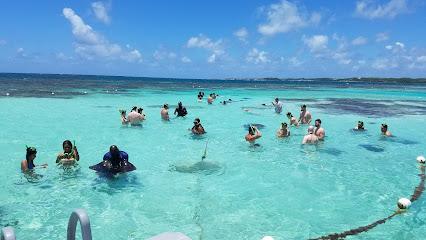
Laviscount Island
3.1 km
Encounter giant tortoises and explore pristine nature on Laviscount Island, a unique wildlife sanctuary off Antigua's coast.
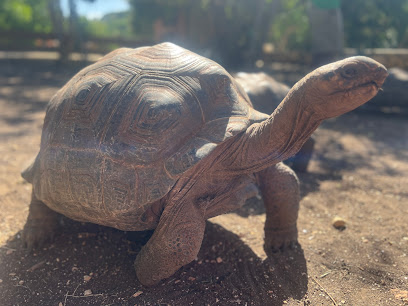
St Peter's Anglican Church
3.9 km
Discover St Peter's Anglican Church in Parham, a unique architectural gem showcasing Antigua's spiritual and colonial heritage.
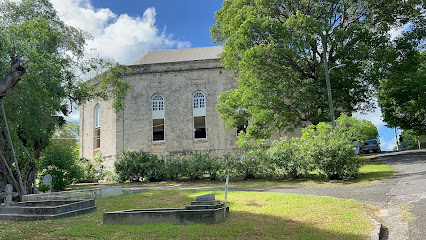
Antigua's Donkey Sanctuary Humane Society
3.9 km
Meet rescued donkeys, learn about their stories, and support animal welfare at this unique Antigua sanctuary. Open Tue-Sat.
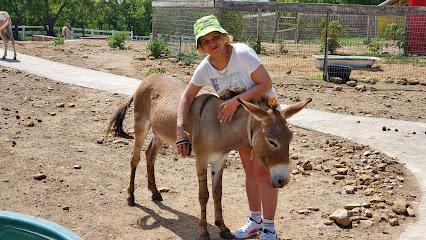
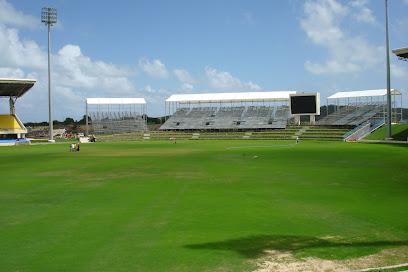
Sir Vivian Richards Stadium
4.9 km
Experience the excitement of cricket and vibrant Antiguan culture at the iconic Sir Vivian Richards Stadium, a must-visit for sports enthusiasts.
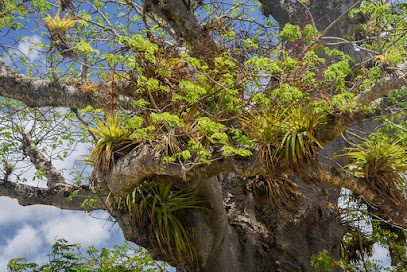
Blackman's Baobab Tree
4.9 km
Discover the majestic Blackman's Baobab Tree in Antigua, a symbol of resilience and natural beauty, offering a serene escape and hiking adventures.
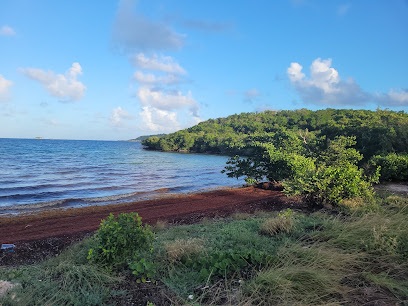
Marassa Cove
5.0 km
Discover the serene beauty of Marassa Cove in Willikies, Antigua – a hidden gem offering tranquility and natural charm for a perfect beach escape.
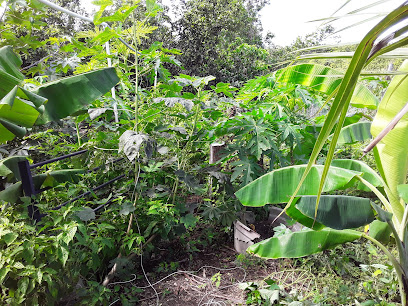
Annie'sHomeGarden
5.2 km
Discover vibrant flora and serene landscapes at Annie's Home Garden in All Saints, Antigua – a tranquil escape for nature lovers.
Browns Bay
5.4 km
Discover the serene beauty of Browns Bay in FreeTown, Antigua. Relax on the sandy shores and soak up the Caribbean sunshine.
Willoughby Bay Lookout
5.5 km
Discover panoramic Caribbean Sea views at Willoughby Bay Lookout in Piccadilly, Antigua. A scenic spot perfect for relaxation and photography.
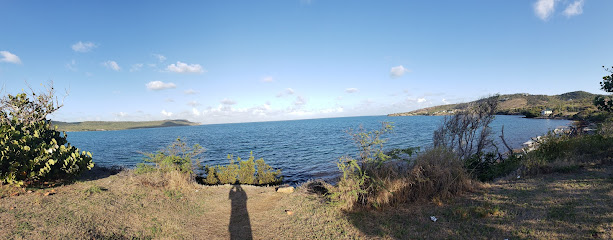
St John
5.8 km
Explore the heart of Antigua: Discover historical sites, vibrant culture, and stunning beaches in and around St John.
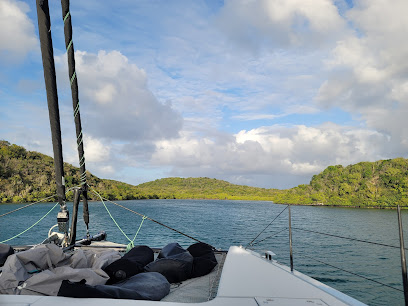
Nonsuch Bay Emerald Cove
5.8 km
Discover Nonsuch Bay Emerald Cove: Antigua's serene paradise with turquoise waters, lush landscapes, and thrilling water sports.
Essential places to dine

Seaview Restaurant and Bar
2.5 km
Discover breathtaking views and exquisite local cuisine at Seaview Restaurant and Bar in Willikies - a must-visit culinary gem.
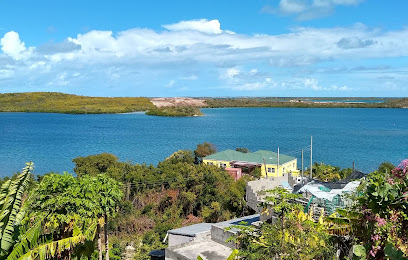
Road House Restaurant And Bar
3.3 km
Discover local flavors at Road House Restaurant And Bar in Newfield, Antigua – where vibrant ambiance meets delicious Caribbean cuisine.
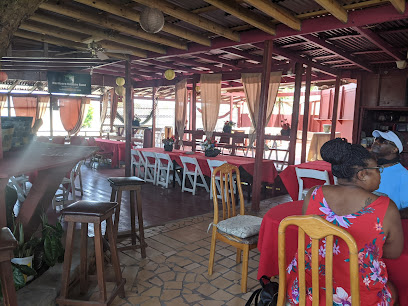
Maxie's Flavor & Decor
3.5 km
Experience authentic Caribbean cuisine at Maxie's Flavor & Decor in St. Peter's - where every dish tells a story.
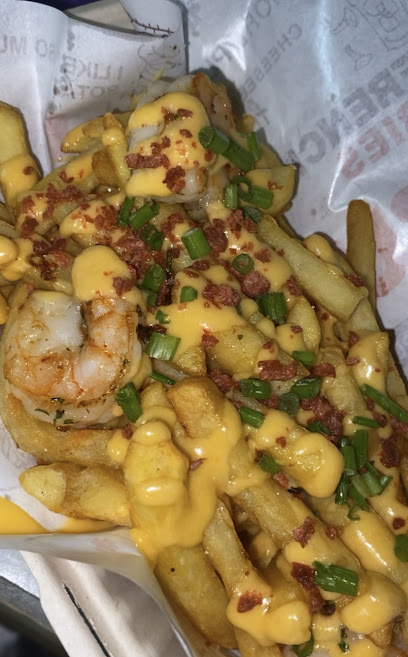
EPJ CAFE
3.7 km
Experience the warmth and flavors of Antigua at EPJ Cafe in St. Peter’s – where every meal is a celebration.
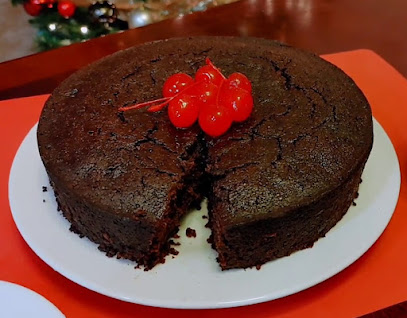
Jack Idle Bar and Restaurant
4.0 km
Discover the vibrant flavors of Caribbean cuisine at Jack Idle Bar and Restaurant in St. John's.
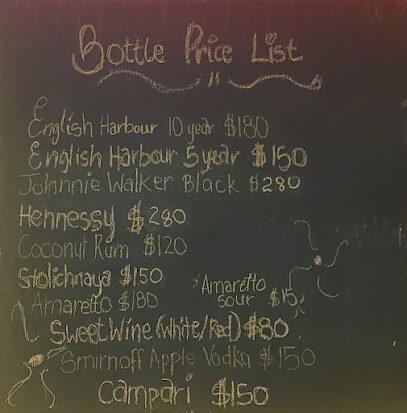
Reggaevillage East
4.3 km
Discover authentic Caribbean cuisine at Reggaevillage East - a vibrant restaurant in Willikies blending flavors and reggae rhythms.
PizzaPlug268
4.5 km
Experience delicious pizza made from fresh local ingredients at PizzaPlug268 in All Saints – where every slice tells a story.
Boundary Bites by Twos Ltd
4.7 km
Discover authentic Antiguan cuisine at Boundary Bites by Twos Ltd inside Sir Vivian Richards Stadium—where flavor meets excitement!
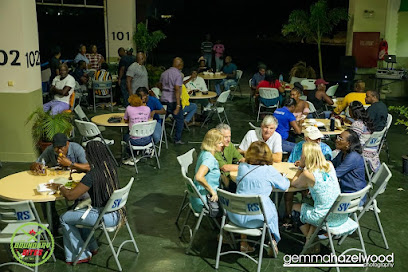
Naja's Restaurant
4.8 km
Experience authentic Caribbean cuisine at Naja's Restaurant in All Saints – where every dish tells a story.
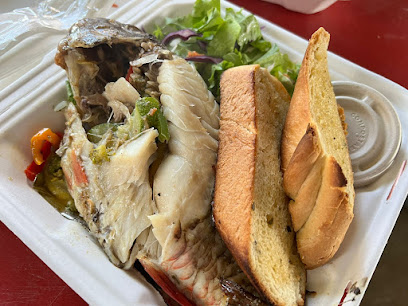
Lion Pavillion
4.8 km
Experience culinary excellence at Lion Pavilion in All Saints – where local flavors meet international cuisine in a vibrant atmosphere.
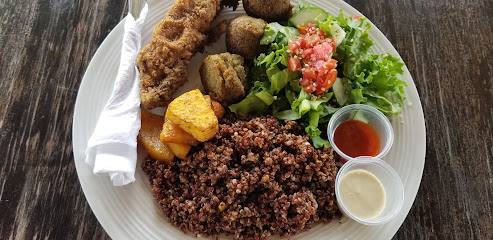
Bushbungalow
4.9 km
Discover Bushbungalow in St. Pauls - A serene vegan dining experience amidst lush landscapes and delightful plant-based dishes.
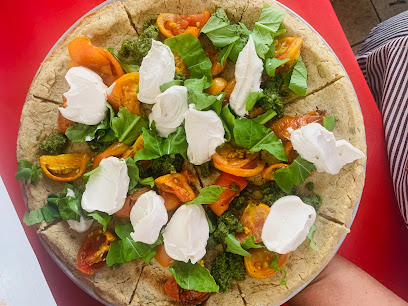
fattys Enterprice
5.0 km
Experience authentic Caribbean cuisine at Fatty's Enterprise in Clark's Hill—where every dish tells a story.
Rokuni
5.0 km
Discover the rich flavors of Asia at Rokuni, an exquisite dining destination in Willikies, Antigua.
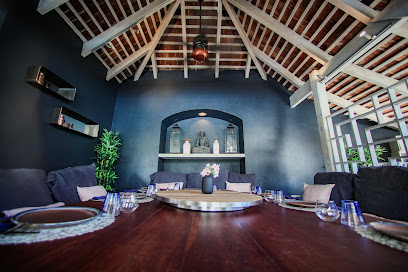
The Beach Grill
5.3 km
Experience authentic Caribbean cuisine at The Beach Grill in Willikies, where fresh flavors meet stunning coastal views for an unforgettable dining experience.
Tastee's Snackette & Ice Cream Parlor
5.3 km
Discover Tastee's Snackette & Ice Cream Parlor in All Saints—where fast food meets delightful ice cream indulgence amidst Antigua's vibrant culture.
Markets, malls and hidden boutiques

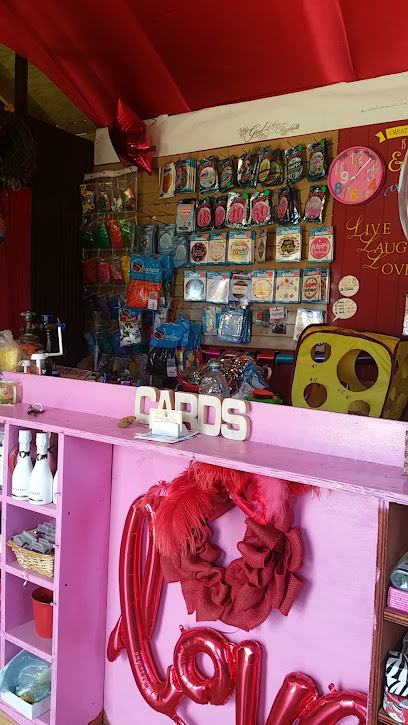
BALLOON OCCASIONS Decorating Service And Party Store
1.0 km
Explore BALLOON OCCASIONS in Pares, Antigua for unique balloon decorations and party essentials that make your celebrations unforgettable.
East Coast Warehouse
1.4 km
Explore East Coast Warehouse in Pares for unique local crafts, island essentials, and a taste of authentic Antiguan culture.
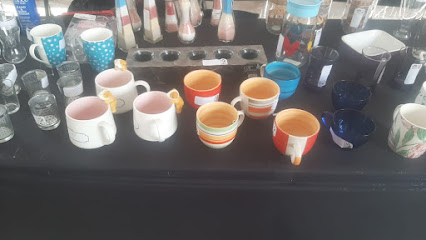
The Posh Pirate
2.4 km
Discover unique antiques and vintage treasures at The Posh Pirate in Parham, where history meets charm in every corner.
Muffy's Eastside Grocery
2.4 km
Explore Muffy's Eastside Grocery in Willikies – your local stop for fresh produce and essential goods while enjoying the Caribbean vibe.
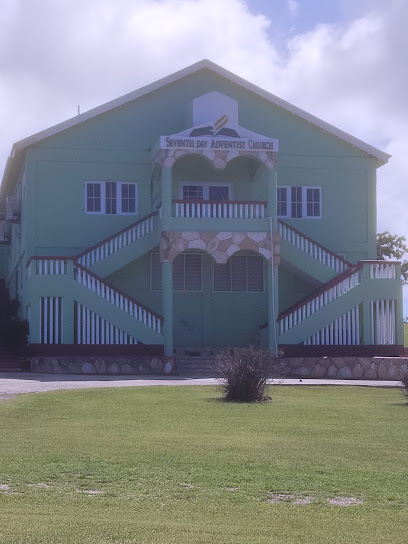
Mahi's Creations
4.5 km
Discover Mahi's Creations, the premier bakery in Willikies, Antigua, where every bite is a taste of island paradise with freshly baked sweets and local flavors.

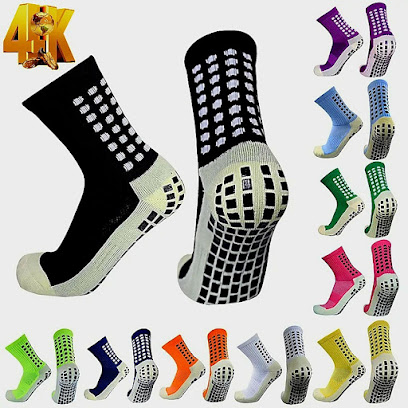
4K Sports Accessories +
4.5 km
Explore the best sportswear selection at 4K Sports Accessories + in All Saints, your ultimate destination for quality athletic gear.
Rae-el Collection
4.9 km
Discover Rae-el Collection in St. Paul’s for unique stationery, art supplies, and memorable gifts that capture the essence of All Saints.

Bargains Antigua
5.0 km
Explore an extensive range of stylish footwear at Bargains Antigua, where quality meets affordability in the heart of the island.
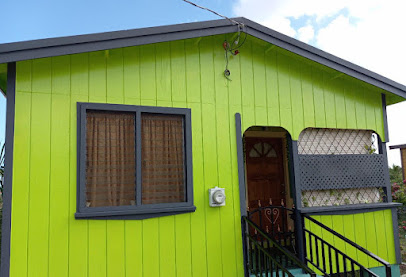
Buy n' Sell Antigua
5.2 km
Explore Buy n' Sell Antigua for the best in mobile devices and accessories in the heart of St. John's.
SHurstEnterprises
5.2 km
Explore All Saints with ease at SHurstEnterprises, your go-to convenience store for essentials, snacks, and local delights.
Kikz n bitz 268
5.2 km
Discover unique fashion at Kikz n bitz 268 in St. Paul's, offering a vibrant selection of clothing that reflects the Caribbean spirit.
KinkyThings268
5.3 km
Explore KinkyThings268 for stylish lingerie and swimwear in All Saints, the perfect stop for adventurous shoppers seeking unique apparel.
Cole's Grocery Plus
5.3 km
Explore the vibrant flavors of Antigua at Cole's Grocery Plus, your one-stop supermarket in All Saints for local produce and essentials.
Britt Shop Aeropuerto Antigua
5.4 km
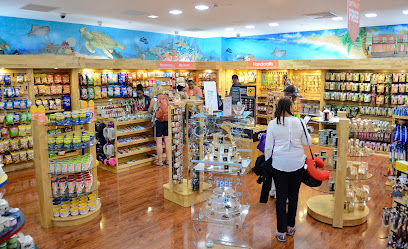
Explore the Britt Shop at Antigua Airport for unique local souvenirs, exquisite chocolates, and memorable gifts that capture the spirit of the island.
Essential bars & hidden hideouts

The Locos Enterprise
4.1 km
Experience the vibrant Caribbean nightlife at The Locos Enterprise, Willikies' premier bar, offering cocktails, local brews, and unforgettable entertainment.
Cecilia's Bar and Lounge
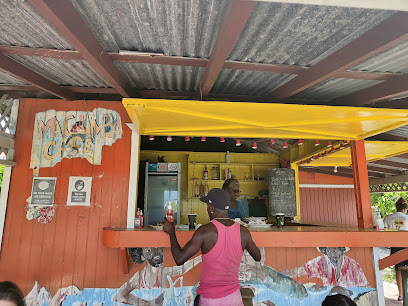
5.1 km
Experience the heart of Caribbean nightlife at Cecilia's Bar and Lounge in St. John's – a vibrant spot for drinks, music, and local culture.
SIDEVIEW BAR & GRILL
5.1 km
Experience the vibrant nightlife of All Saints at Sideview Bar & Grill, where cocktails, local flavors, and stunning views come together.
Galloway's 8-Ball Sport Bar
6.1 km
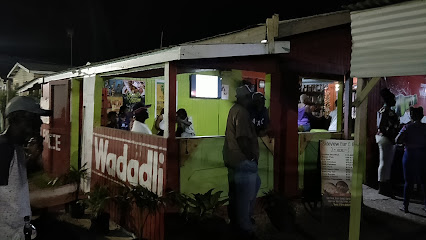
Experience the spirited atmosphere at Galloway's 8-Ball Sport Bar, where sports lovers unite over drinks and games in Piggotts.
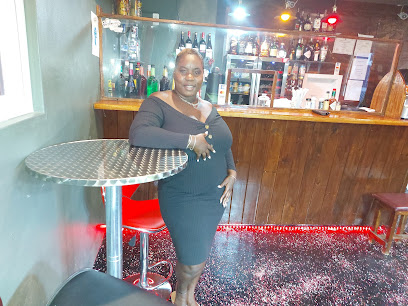
Hibiscus Sports Bar
6.1 km
Experience the vibrant nightlife at Hibiscus Sports Bar in Antigua, where great drinks, live music, and friendly locals come together.
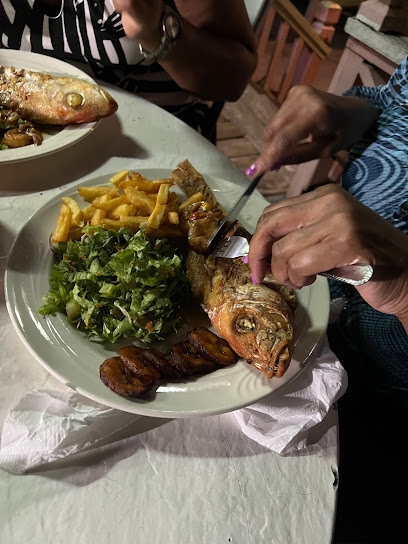
Dale's Bar & Restaurant
6.5 km
Discover the vibrant flavors of the Caribbean at Dale's Bar & Restaurant in Swetes, a must-visit culinary destination for every traveler.
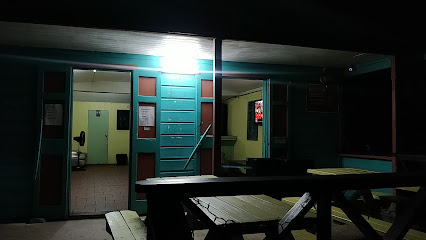
NUNCY BAR
6.5 km
Experience the vibrant local culture at Nuncy Bar, a lively spot in Swetes perfect for drinks and socializing.
SILVER DOLLAR TAVERN
6.5 km
Discover the authentic charm of Silver Dollar Tavern in Swetes, where local drinks and friendly faces create an unforgettable bar experience.
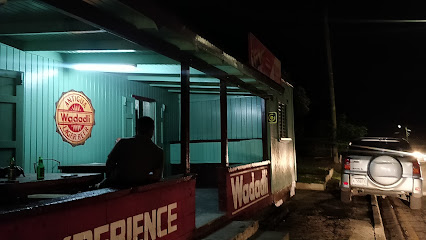
JLS Restaurant
6.5 km
Experience the vibrant flavors of the Caribbean at JLS Restaurant, a culinary haven in Antigua offering delicious local and international dishes.
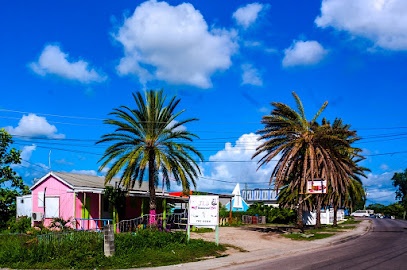
The Verandah Resort & Spa Beach Bar
6.9 km
Experience the serene Caribbean vibes at The Verandah Resort & Spa Beach Bar, where relaxation meets stunning ocean views.
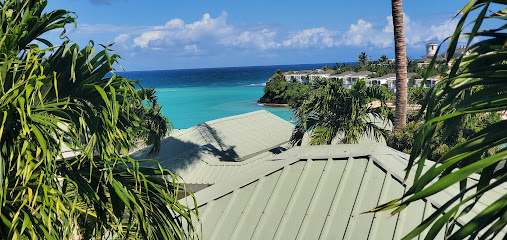
Garrot Blacks Bar & Lounge
7.0 km
Experience the vibrant nightlife of English Harbour at Garrot Blacks Bar & Lounge, where cocktails and camaraderie come together in a stunning setting.
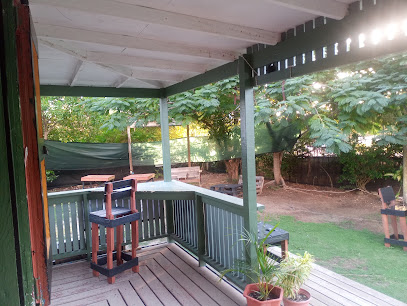
BUBA's Hideout
7.0 km
Experience the vibrant flavors of the Caribbean at BUBA's Hideout, a must-visit restaurant in the heart of St John's, Antigua.
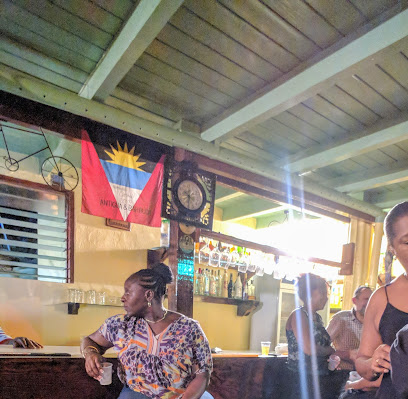
Sweet-Ts
7.1 km
Experience the authentic tastes of the Caribbean at Sweet-Ts in Piccadilly, where delicious food meets an inviting atmosphere.
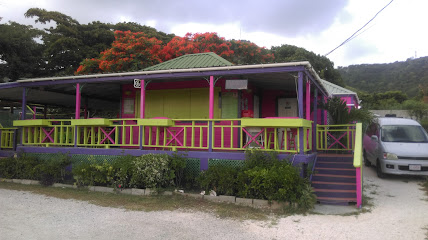
ROSEENS BAR
7.2 km
Experience the vibrant atmosphere and refreshing drinks at Roseens Bar, the perfect spot to unwind in Liberta, Antigua.
Cloggy's
7.3 km
Discover Cloggy's at Catamaran Marina for a culinary journey filled with Caribbean flavors and breathtaking waterfront views.
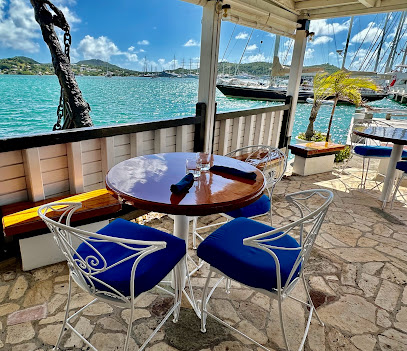
Nightclubs & after hour spots

Liberta Sports Club
7.0 km
Discover the vibrant sports culture at Liberta Sports Club, where locals and tourists unite for thrilling games and camaraderie in Antigua.
Devil's Bridge National Park
7.5 km
Explore the stunning natural beauty and historical significance of Devil's Bridge National Park in Antigua, a must-visit for every traveler.
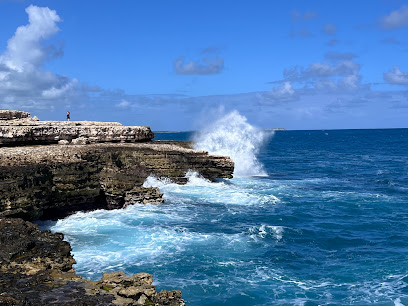
Half Moon Bay Beach
7.6 km
Experience the unspoiled beauty of Half Moon Bay Beach, a perfect blend of relaxation, adventure, and Caribbean culinary delights.
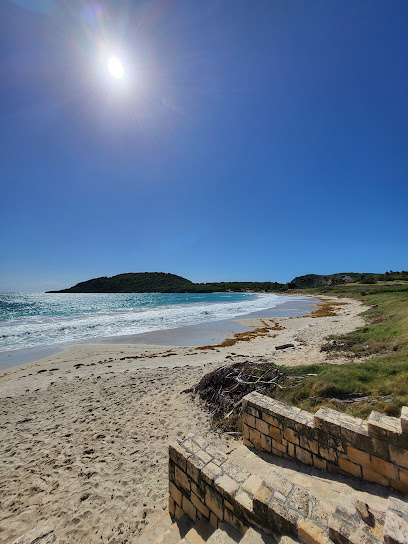
Colibri Bistro Bar Lounge
8.0 km
Discover the vibrant atmosphere and exquisite cuisine at Colibri Bistro Bar Lounge, Antigua's premier destination for dining and nightlife.
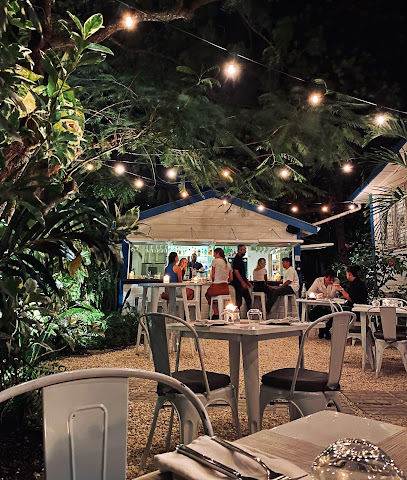
Yala Bar
8.0 km
Experience the vibrant nightlife at Yala Bar in English Harbour, where delicious cocktails and lively atmosphere await every visitor.
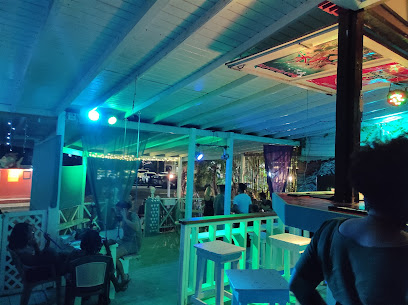
The Lime
8.1 km
Discover the vibrant nightlife at The Lime in English Harbour, Antigua – a bar serving exquisite cocktails in a lively atmosphere.
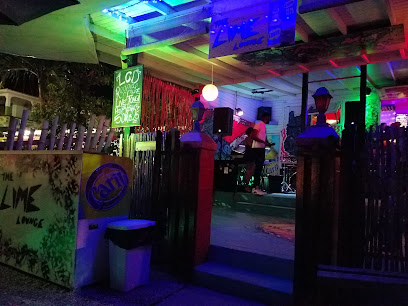
The plug ️ Junior king and the party boys
8.1 km
Discover vibrant nightlife at The Plug in Falmouth Harbour, where cocktails and Caribbean vibes create unforgettable moments.

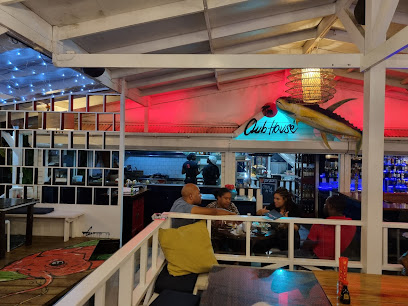
Club House
8.2 km
Experience exquisite sushi and stunning ocean views at Club House in Falmouth, Antigua, a top dining destination for tourists.
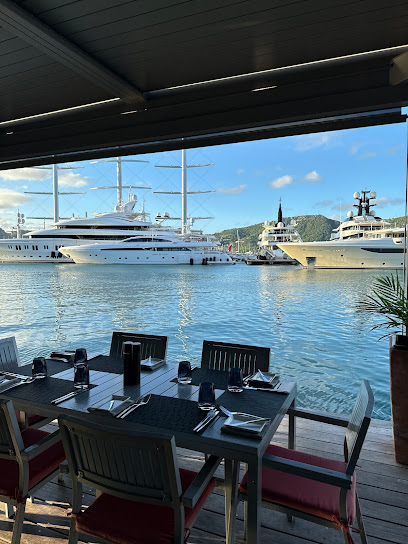
MAIA Restaurant Lounge Sushi Bar
8.2 km
Experience exquisite sushi and vibrant nightlife at MAIA Restaurant Lounge Sushi Bar in English Harbour, the ultimate destination for culinary delights.
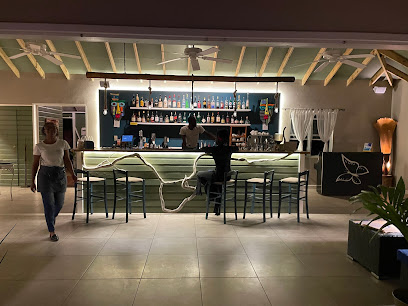
Abracadabra
8.3 km
Experience the magic of Italian cuisine at Abracadabra, where every dish tells a story amidst the vibrant vibes of English Harbour.
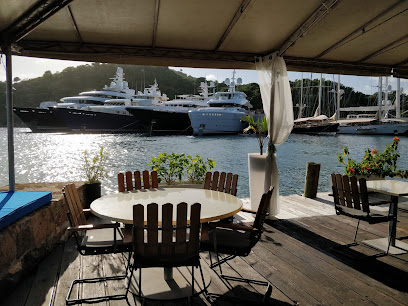
The Galley Bar
8.3 km
Experience the best of Caribbean cuisine at The Galley Bar, nestled in the scenic Nelson's Dockyard Marina of English Harbour.
CHRISTIAN SUNSHINE BAR
8.5 km
Experience the vibrant atmosphere of Christian Sunshine Bar in Piggotts, Antigua, where refreshing drinks and friendly vibes await every visitor.
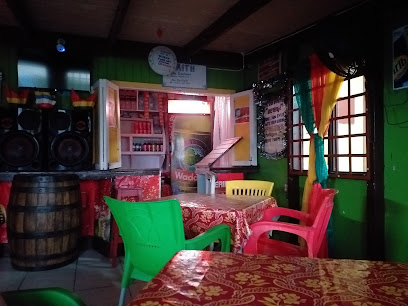
Gege’s bench
8.5 km
Experience the vibrant atmosphere of Gege’s Bench, the perfect bar for refreshing drinks and stunning views in English Harbour.
Loose Cannon Beach Bar
8.6 km
Experience the best of Caribbean dining at Loose Cannon Beach Bar, where fine cuisine meets stunning ocean views in English Harbour.
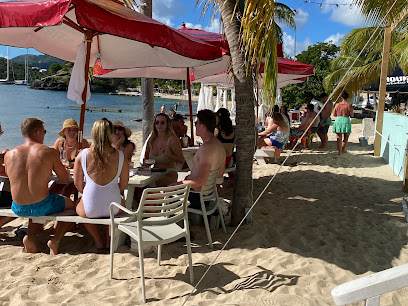
Shirley Heights Lookout
8.8 km
Experience the stunning sunsets and vibrant atmosphere at Shirley Heights Lookout in English Harbour, a must-visit bar and restaurant for travelers.