

Dickenson Bay, Antigua and Barbuda Travel Guide
Discover the serene beauty of Dickenson Bay in Antigua, a tropical haven with stunning beaches, vibrant coral reefs, and a perfect blend of relaxation and adventure.
Dickenson Bay, located on the northwest coast of Antigua, is a scenic paradise that beckons travelers with its breathtaking beaches and azure waters. Known for its powdery white sands and calm, turquoise sea, this bay is the epitome of Caribbean beauty. Whether you're looking to relax under the sun, swim in the warm waters, or indulge in various water sports, Dickenson Bay offers an idyllic setting for all types of travelers. The bay is surrounded by lush greenery and dotted with charming resorts and restaurants, providing a perfect blend of natural beauty and modern amenities. Visitors can enjoy a leisurely stroll along the beach, savor delicious local cuisine, or simply unwind with a refreshing cocktail. The vibrant coral reefs just offshore offer excellent snorkeling and diving opportunities, allowing you to explore the rich marine life and colorful underwater world. Beyond the beach, Dickenson Bay is a gateway to other attractions on the island of Antigua, including historical sites, scenic hikes, and bustling markets. The friendly locals and laid-back atmosphere make it a welcoming destination for tourists seeking both adventure and relaxation. Whether you're planning a romantic getaway, a family vacation, or a solo adventure, Dickenson Bay promises a memorable experience in the heart of the Caribbean.

Know before you go
Hi, I'm Eve. Here are a few practical things to know before exploring Dickenson Bay.
- Visit during the off-peak season to enjoy the beaches with fewer crowds.
- Bring snorkel gear to explore the vibrant coral reefs just offshore.
- Try local seafood at beachfront restaurants for an authentic taste of Antigua.
- Rent a car if you plan to explore other parts of the island.
- Don't miss the sunset views from the beach - they're spectacular.
Explore Dickenson Bay: Things to Do, Places to Eat, Hotels & More
Handpicked recommendations for top attractions, local dining, accommodations, and more

Best attractions in Dickenson Bay
Top-rated picks
Best Attractions

Nelson's Dockyard
Explore Antigua's naval history at Nelson's Dockyard, a UNESCO World Heritage Site and working Georgian-era dockyard.

Stingray City Antigua
Swim with gentle stingrays in their natural habitat at Stingray City Antigua for an unforgettable Caribbean experience.

Devil's Bridge National Park
Explore Antigua's dramatic coastline at Devil's Bridge National Park, a natural wonder with a poignant history and stunning ocean views.

Sir Vivian Richards Stadium
Experience the thrill of cricket at the modern Sir Vivian Richards Stadium in Antigua, a tribute to a West Indies legend.

Best landmarks in Dickenson Bay
Top-rated picks
Best Landmarks

Heritage Quay Complex
Experience the best of Antigua at Heritage Quay Complex, a vibrant cruise terminal and shopping mall filled with local culture and Caribbean flair.

Nelson's Dockyard
Explore Antigua's naval history at Nelson's Dockyard, a UNESCO World Heritage Site with Georgian architecture, a bustling marina, and stunning views.

Sandals Grande Antigua
Experience the ultimate romantic escape at Sandals Grande Antigua, a luxurious resort hotel in St. John's, Antigua, perfect for couples and honeymooners.

Redcliffe Quay
Discover unique boutiques, local crafts, and stunning harbor views at this beautifully restored historic marketplace in St. John's, Antigua.

Best restaurants in Dickenson Bay
Top-rated picks
Best Restaurants

Shirley Heights Lookout
Historic military heights with Caribbean's most stunning harbour views and legendary Sunday night parties.

Ana's On The Beach
Experience culinary bliss at Ana's On The Beach in Antigua—where delicious food meets breathtaking ocean views.

Bay House Restaurant & Bar
Experience delightful family-friendly dining at Bay House Restaurant & Bar in St. John's, Antigua – where delicious breakfasts meet breathtaking views.

Papa Zouk
Experience the essence of Caribbean seafood at Papa Zouk - where every dish tells a story of flavor and tradition.

Best bars in Dickenson Bay
Top-rated picks
Best Bars

Ana's On The Beach
Discover the flavors of the Caribbean at Ana's On The Beach, where exquisite dining meets stunning ocean views in Antigua.

Bay House Restaurant & Bar
Experience the vibrant flavors of Antigua at Bay House Restaurant & Bar, a family-friendly dining destination perfect for breakfast and lunch.

Putters Bar and Grill
Experience the perfect blend of delicious cuisine and lively atmosphere at Putters Bar and Grill, a must-visit dining spot near Marina Bay.

Kon Tiki Bar and Grill
Experience the vibrant flavors of the Caribbean at Kon Tiki Bar and Grill in St. John's, where culinary delight meets tropical charm.

Best nightclubs in Dickenson Bay
Top-rated picks
Best Nightclubs

Ana's On The Beach
Experience the flavors of Antigua at Ana's On The Beach—where culinary delights meet breathtaking ocean views.

Kon Tiki Bar and Grill
Discover the lively ambiance and mouthwatering grilled dishes at Kon Tiki Bar and Grill in St. John's, the perfect Caribbean dining experience.

Tree House Beach Club
Discover the perfect blend of relaxation and fun at Tree House Beach Club, a vibrant beachside haven in Fort James, St John's.

Diamond Edge Night Club
Discover the heart of Antigua's nightlife at Diamond Edge Night Club, where vibrant music and unforgettable experiences await every night.

Best shops in Dickenson Bay
Top-rated picks
Best Shops

Heritage Quay Complex
Discover the vibrant Heritage Quay Complex in St. John's, where shopping meets the rich culture of Antigua in a stunning waterfront setting.

Redcliffe Quay
Experience the charm of Redcliffe Quay, a vibrant shopping mall in St John's, Antigua, filled with local shops, cafes, and beautiful artisan crafts.

First Choice Foods
Explore local and international flavors at First Choice Foods, the premier supermarket for all your culinary needs.

North Coast Hardware
Discover quality tools and materials for all your home improvement projects at North Coast Hardware in Cedar Grove, Antigua.

Explore Dickenson Bay on the Map
A handpicked selection of must-see spots in Dickenson Bay, mapped for you.
Dickenson Bay Essentials
-
Dickenson Bay is located on the northern coast of Antigua, part of the twin-island nation of Antigua and Barbuda. The nearest airport is V.C. Bird International Airport (ANU), situated approximately 8 kilometers (5 miles) southeast of Dickenson Bay. From the airport, you can take a taxi or rent a car to reach Dickenson Bay. The journey typically takes around 15-20 minutes by road.
-
Within Dickenson Bay and its surrounding areas, taxis are readily available and are a convenient mode of transportation. Car rentals are also a popular choice for visitors who prefer to explore the island at their own pace. While public buses do operate, they are less reliable and may not cover all tourist areas. For short distances, walking is a pleasant option, especially along the beachfront.
-
The official currency in Antigua and Barbuda is the Eastern Caribbean Dollar (XCD), although US Dollars (USD) are widely accepted. Major credit cards, such as Visa and MasterCard, are accepted in most hotels, restaurants, and shops in Dickenson Bay. It is advisable to carry some cash for smaller establishments and local markets. ATMs are available in nearby St. John's, the capital city, for cash withdrawals.
-
Dickenson Bay is generally a safe destination for tourists. However, it is important to take standard precautions to ensure your safety. Avoid isolated areas and walking alone at night. Petty crime, such as pickpocketing, can occur in crowded places, so keep an eye on your belongings. While there are no specific high-crime areas targeting tourists in Dickenson Bay, staying vigilant is always recommended.
-
In case of emergency, dial 911 for immediate assistance. The nearest police station and medical facilities are located in St. John's, approximately 15 minutes away by car. It is advisable to have travel insurance that covers medical emergencies. Pharmacies are available in St. John's for over-the-counter medications. For more serious health issues, Mount St. John's Medical Centre is the primary hospital in the area.
-
Fashion: Do wear light, breathable clothing due to the tropical climate. Swimwear is acceptable at the beach but should not be worn in towns or restaurants. Religion: Do respect local religious customs. Dress modestly and remove hats when visiting churches. Public Transport: Do be patient as public buses may not run on a fixed schedule. Don't expect air conditioning on public buses. Greetings: Do greet people with a friendly 'Good morning' or 'Good afternoon.' A handshake is common when meeting someone for the first time. Eating & Drinking: Do try local dishes such as saltfish and fungi. Don't refuse food or drink offered by locals, as it is considered impolite.
-
To experience Dickenson Bay like a local, visit the nearby Cedar Valley Golf Club for a round of golf with stunning views. Engage with locals at the beachfront bars and restaurants to learn more about the island's culture and history. Don't miss the weekly fish fry in St. John's for a taste of authentic Antiguan cuisine. For a unique experience, take a sunset cruise from the bay to enjoy the beautiful Caribbean sunset.
When is the best time to visit Dickenson Bay?
Useful Local Phrases for Dickenson Bay
You don't need to speak the language perfectly. Even learning a few simple words can make conversations warmer—and locals usually appreciate the effort.
— Eve

Here are the phrases I use most often in Dickenson Bay. Try a few—you'll be surprised how far they go! 😊
❤️
-
- HelloWadadli
[wah-dahd-lee] - GoodbyeLeh we meet again
[leh we meat uh-gen] - YesYes
[yes] - NoNoh
[noh] - Please/You're welcomePleaz
[pleez] - Thank youTenk yuh
[tenk yuh] - Excuse me/SorrySkews mi
[sk-yoos mee] - How are you?How yuh duh?
[how yuh doh] - Fine. And you?Fine. An yuh?
[fyn, an yuh] - Do you speak English?Yuh spik Inglish?
[yuh speak ing-glish] - I don't understandMi nah undastan
[mee nah un-duh-stan]
- HelloWadadli
-
- I'd like to see the menu, pleaseMi wud like tuh see de menu, pleaz
[mee wood like tuh see dee menu, pleez] - I don't eat meatMi nah eat meet
[mee nah eet meet] - Cheers!Cheers!
[cheers] - I would like to pay, pleaseMi wud like tuh pay, pleaz
[mee wood like tuh pay, pleez]
- I'd like to see the menu, pleaseMi wud like tuh see de menu, pleaz
-
- Help!Help!
[help] - Go away!Goh way!
[goh way] - Call the Police!Call de Police!
[call dee poh-lease] - Call a doctor!Call a docta!
[call uh dock-tah] - I'm lostMi loss
[mee loss] - I'm illMi sick
[mee sik]
- Help!Help!
-
- I'd like to buy...Mi wud like tuh buy...
[mee wood like tuh buy...] - I'm just lookingMi jus lookin
[mee just lookin] - How much is it?How much it be?
[how much it bee] - That's too expensiveDat too pricy
[dat too pry-see] - Can you lower the price?Yuh cud drop de price?
[yuh kud drop dee pryce]
- I'd like to buy...Mi wud like tuh buy...
-
- What time is it?Wah time it be?
[wah time it bee] - It's one o'clockIt one o'clock
[it one o'clock] - Half past (10)Haff pass ten
[haff pass ten] - MorningMawnin
[morn-in] - AfternoonAftanuun
[af-ta-noon] - EveningIvinin
[iv-in-in] - YesterdayYessideh
[yes-si-deh] - TodayTuuday
[too-day] - TomorrowTammaro
[tam-ma-ro] - 1One
[wun] - 2Two
[too] - 3Tree
[tree] - 4Fo'
[foh] - 5Fie
[fie] - 6Six
[siks] - 7Seven
[sev-en] - 8Eight
[ate] - 9Nine
[nine] - 10Ten
[ten]
- What time is it?Wah time it be?
-
- Where's a/the...?Weh de...
[weh dee] - What's the address?Weh de address deh?
[weh dee address deh] - Can you show me (on the map)?Yuh cud show mi?
[yuh kud show mee] - When's the next (bus)?Wen de nex (bus)?
[wen dee nex (bus)] - A ticket (to ....)A tickit (to ....)
[a tik-it (to)]
- Where's a/the...?Weh de...
History of Dickenson Bay
-
Before the arrival of European settlers, the area around Dickenson Bay was inhabited by the indigenous Arawak and Carib peoples. These communities were adept at fishing and agriculture, living harmoniously with the natural environment. The archaeological remains found in the region offer a fascinating glimpse into their complex societies and spiritual beliefs.
-
Dickenson Bay was first charted by European explorers in the late 15th and early 16th centuries. The bay, like much of Antigua, came under British control in the early 17th century. The British established sugar plantations in the area, which became the backbone of the island's economy. This period also saw the tragic importation of enslaved Africans who were forced to work on these plantations.
-
During the 17th and 18th centuries, the waters around Dickenson Bay were notorious for pirate activity. The bay’s strategic location made it a frequent haunt for buccaneers and privateers, who preyed on merchant ships. Stories of buried treasures and pirate legends are still told to this day, adding an air of mystery to the bay's history.
-
The establishment of the Antigua Naval Dockyard at English Harbour in the 18th century had a significant impact on Dickenson Bay and the surrounding areas. The dockyard became a key strategic naval base for the British, offering protection against French and Spanish forces. This period saw an influx of British naval personnel and the construction of fortifications, some of which can still be explored today.
-
The abolition of slavery in 1834 marked a significant turning point for Dickenson Bay and Antigua as a whole. Freed slaves began to establish their own communities and engage in different forms of labor. The bay area saw a gradual shift from plantation-based agriculture to small-scale farming and fishing, laying the groundwork for future economic changes.
-
The 20th century brought significant development to Dickenson Bay. The area began to transform into a burgeoning tourist destination, attracting visitors with its pristine beaches and crystal-clear waters. Hotels, resorts, and restaurants were established, and the bay became a favorite spot for both locals and tourists seeking relaxation and adventure.
-
Today, Dickenson Bay is a vibrant blend of historical heritage and modern amenities. The local culture is a rich tapestry of African, European, and Caribbean influences. Festivals, music, and culinary traditions celebrate this unique heritage, offering visitors an immersive experience. The bay continues to be a popular destination, renowned for its natural beauty and cultural significance.
Cities near Dickenson Bay
The closest cities to Dickenson Bay, if you have time for more than one stop.


Your all‑in‑one travel companion app
Explore expert travel guides, compare and book tours, experiences, hotels, and more—all from the palm of your hand. Download now for seamless trip planning wherever your wanderlust takes you.


Dickenson Bay in Photos
Browse through our photo collection highlighting the charm and character of the destination.


The Tropical Splendor of Dickenson Bay
Dickenson Bay, located on the northwest coast of Antigua, is a scenic paradise that beckons travelers with its breathtaking beaches and azure waters. Known for its powdery white sands and calm, turquoise sea, this bay is the epitome of Caribbean beauty. Whether you're looking to relax under the sun, swim in the warm waters, or indulge in various water sports, Dickenson Bay offers an idyllic setting for all types of travelers. The bay is surrounded by lush greenery and dotted with charming resorts and restaurants, providing a perfect blend of natural beauty and modern amenities. Visitors can enjoy a leisurely stroll along the beach, savor delicious local cuisine, or simply unwind with a refreshing cocktail. The vibrant coral reefs just offshore offer excellent snorkeling and diving opportunities, allowing you to explore the rich marine life and colorful underwater world. Beyond the beach, Dickenson Bay is a gateway to other attractions on the island of Antigua, including historical sites, scenic hikes, and bustling markets. The friendly locals and laid-back atmosphere make it a welcoming destination for tourists seeking both adventure and relaxation. Whether you're planning a romantic getaway, a family vacation, or a solo adventure, Dickenson Bay promises a memorable experience in the heart of the Caribbean.
Explore More of Antigua and Barbuda
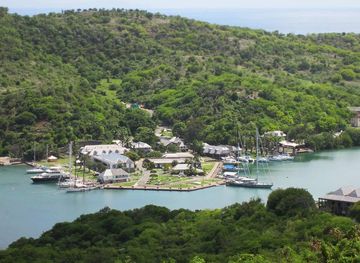
Looking beyond Dickenson Bay? Discover Antigua and Barbuda for broader travel guides, local hot-spots, and regional highlights.
Explore Antigua and Barbuda