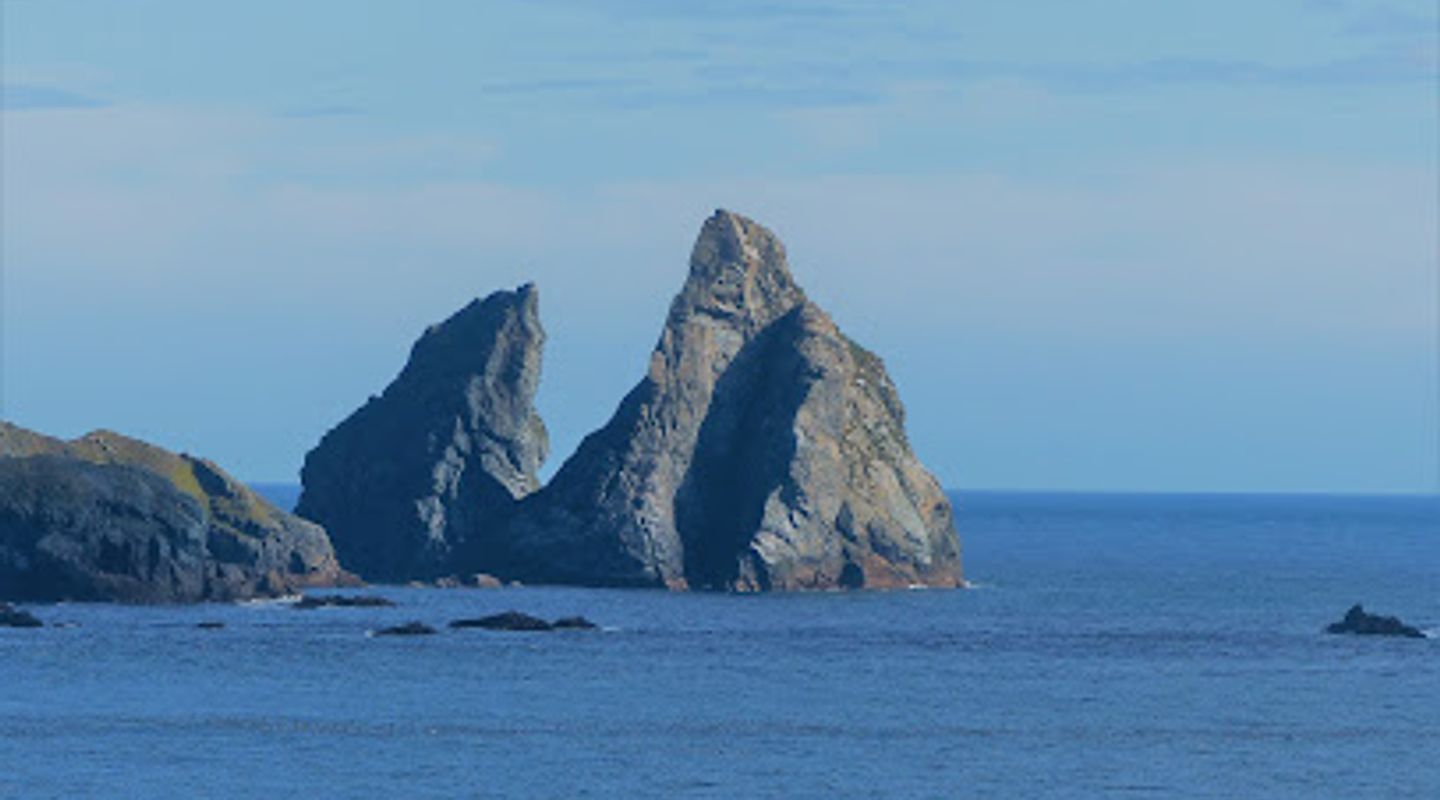
Cape Horn, Atlantic Patagonia Travel Guide
Brave the legendary Cape Horn: Where the Atlantic and Pacific collide at the end of the world, a maritime adventure awaits in Tierra del Fuego.
Cape Horn, the southernmost headland of the Tierra del Fuego archipelago in Chile, is a legendary maritime landmark where the Atlantic and Pacific Oceans meet. Known for its treacherous conditions, it challenged sailors for centuries and remains a significant symbol of adventure.
A brief summary to Cape Horn
- Magallanes and Chilean Antarctica, CL

Know before you go
Hi, I'm Eve. Here are a few practical things to know before exploring Cape Horn.
- Pack layers of waterproof clothing to protect against the unpredictable weather, including strong winds and frequent rain.
- Bring sturdy, waterproof boots or shoes with rubber treads for walking on the slippery wooden walkways around Hornos Island.
- Consider taking seasickness medication, as the waters around Cape Horn are known for being rough.
- The best time to visit Cape Horn is during the warmer months between November and March for slightly milder conditions.
- Get your passport stamped at the lighthouse on Hornos Island as a unique souvenir of your visit.
Do you manage this location?
Take control to get all the benefits, like improved information, better appearance, and stronger visibility across AI-powered discovery. Learn more about listing your business on Evendo
Activate your presenceOther nearby places you may find interesting
The closest places of the same kind, if this one is not quite what you had in mind.





Explore Cape Horn on the Map
A handpicked selection of must-see spots near Cape Horn, mapped for you.
Getting There
-
Sea Transportation
The only way to reach Cape Horn is by sea. Most visitors arrive via expedition cruises that sail from Ushuaia (Argentina) or Punta Arenas (Chile). These cruises typically range from 5 to 15 days and include stops at other destinations in Tierra del Fuego. Companies like Australis offer regular voyages, but booking in advance is essential. The cruise will cross Nassau Bay and, weather permitting, land on Hornos Island. Typical cruise costs range from $2,500 to $7,000 USD per person, depending on the length and luxury of the voyage. These cruises often include guided excursions, meals, and accommodations. Be aware that landing on Cape Horn is heavily dependent on weather conditions, and itineraries may change.
Discover more about Cape Horn













Your all‑in‑one travel companion app
Explore expert travel guides, compare and book tours, experiences, hotels, and more—all from the palm of your hand. Download now for seamless trip planning wherever your wanderlust takes you.


Explore More of Atlantic Patagonia

Looking beyond Cape Horn? Discover Atlantic Patagonia for broader travel guides, local hot-spots, and regional highlights.
Explore Atlantic Patagonia