

Atlantic Patagonia, Argentina Travel Guide
Discover the wild beauty of Atlantic Patagonia, Argentina's coastal gem, where stunning landscapes, diverse wildlife, and rich cultural heritage await.
Atlantic Patagonia in Argentina is a breathtaking destination that offers an unparalleled experience for nature lovers and adventure seekers alike. This region is known for its stunning coastal landscapes, diverse wildlife, and unique cultural heritage. Stretching along the eastern coast of Argentina, Atlantic Patagonia is a haven for those looking to escape the hustle and bustle of city life and immerse themselves in the raw beauty of nature. One of the highlights of visiting Atlantic Patagonia is the opportunity to witness the incredible marine life that calls this region home. The Valdés Peninsula, a UNESCO World Heritage Site, is a prime location for spotting southern right whales, orcas, and sea lions. The region is also a birdwatcher's paradise, with a wide variety of seabirds and migratory species making their way through this coastal haven. In addition to its natural wonders, Atlantic Patagonia is steeped in history and culture. The Welsh settlements in the region, particularly in the towns of Trelew and Gaiman, offer a glimpse into the rich cultural tapestry of the area. Visitors can explore charming tea houses, museums, and historical sites that tell the story of the Welsh immigrants who made this land their home in the 19th century. For adventure enthusiasts, Atlantic Patagonia offers a plethora of outdoor activities. From hiking and horseback riding in the rugged terrain to kayaking and snorkeling in the crystal-clear waters, there is no shortage of ways to explore the great outdoors. The region's diverse ecosystems, including coastal dunes, tidal flats, and rocky cliffs, provide the perfect backdrop for unforgettable adventures.

Know before you go
Hi, I'm Eve. Here are a few practical things to know before exploring Atlantic Patagonia.
- Visit during the whale-watching season (June to December) for the best chance to see southern right whales.
- Bring layers of clothing as the weather can change quickly, and it can get quite windy along the coast.
- Rent a car to explore the region at your own pace, as public transportation options can be limited.
- Try the traditional Welsh tea and pastries in Gaiman for a unique cultural experience.
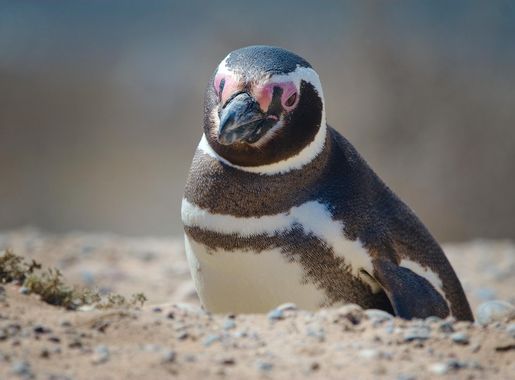
- Don't miss the Punta Tombo reserve, home to one of the largest Magellanic penguin colonies in the world.
Top City Travel Guides in Atlantic Patagonia
The cities of Atlantic Patagonia, and the easiest places to base yourself.


Destinations in Atlantic Patagonia
Resorts, valleys and scenic spots worth a trip of their own.


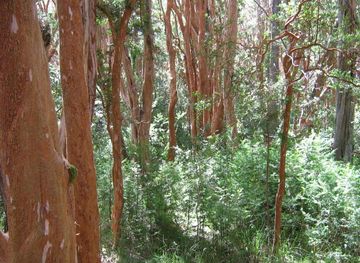

Explore Atlantic Patagonia: Things to Do, Places to Eat, Hotels & More
Handpicked recommendations for top attractions, local dining, accommodations, and more

Top Attractions & Sightseeing in Atlantic Patagonia
Top-rated picks
Best Attractions

Parque Nacional Los Glaciares
Explore the majestic glaciers, towering mountains, and pristine lakes of Argentina's Los Glaciares National Park, a UNESCO World Heritage Site.

Torres del Paine National Park
Discover the breathtaking beauty of Torres del Paine National Park: Majestic mountains, glaciers, lakes, and unforgettable Patagonian adventures.

W Circuit - Trekking in Patagonia
Hike the W Circuit in Torres del Paine National Park, and experience Patagonia's breathtaking landscapes, granite peaks, glaciers, and turquoise lakes.

Cape Horn
Brave the legendary Cape Horn: Where the Atlantic and Pacific collide at the end of the world, a maritime adventure awaits in Tierra del Fuego.

Best landmarks in Atlantic Patagonia
Top-rated picks
Best Landmarks

Hito Tres Fronteras (Argentina)
Experience the breathtaking convergence of Argentina, Brazil, and Paraguay at Hito Tres Fronteras, a must-visit landmark in Puerto Iguazú.

Parque Nacional Nahuel Huapi
Explore the breathtaking landscapes and rich biodiversity of Parque Nacional Nahuel Huapi, a must-visit national park in Patagonia, Argentina.

Paseo de la Costa
Experience the serene beauty and vibrant culture of Paseo de la Costa, a must-visit park in Neuquén Province, Argentina.

Palacio Barolo
Discover the architectural beauty and rich history of Palacio Barolo, a stunning landmark in Buenos Aires with breathtaking views and captivating stories.

Best restaurants in Atlantic Patagonia
Top-rated picks
Best Restaurants

Cantina el Náutico
Experience authentic Argentinian flavors at Cantina el Náutico in Puerto Madryn - where every dish tells a story.

Bodegón Fueguino
Discover authentic Argentinian cuisine at Bodegón Fueguino in Ushuaia - where every meal tells a story of tradition and flavor.

Florida Garden
Experience authentic Argentinian flavors at Florida Garden – a charming restaurant and bar in Buenos Aires' Retiro district.

Isabel Cocina al Disco
Experience authentic Argentine cuisine at Isabel Cocina al Disco in El Calafate - where tradition meets flavor.

Best bars in Atlantic Patagonia
Top-rated picks
Best Bars
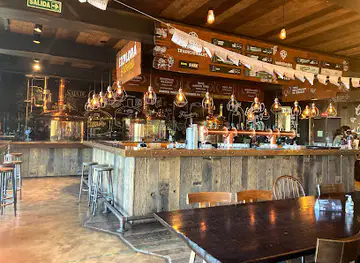
Cerveza Patagonia - Cerveceria Bariloche
Discover Cerveza Patagonia, a vibrant brewpub in Bariloche offering craft beers and delicious local cuisine in a stunning mountain setting.

Parque Nahuelito
Discover the wonders of Parque Nahuelito, a family-friendly theme park featuring life-sized dinosaurs and breathtaking Patagonian landscapes.

Floreria Atlántico
Discover the enchanting Floreria Atlántico, where floral beauty meets innovative cocktails in the heart of Buenos Aires.

Glaciarium Patagonian Ice Museum
Discover the breathtaking Glaciarium Patagonian Ice Museum, where art and science meet to celebrate the beauty of glaciers and their vital role in our environment.

Best nightclubs in Atlantic Patagonia
Top-rated picks
Best Nightclubs

Yeti Ice Bar
Discover the magical ice-themed Yeti Ice Bar in El Calafate, where cocktails meet a frosty wonderland for a unique nightlife experience.

Niceto Club
Discover the heartbeat of Buenos Aires nightlife at Niceto Club, where music, dance, and culture unite in an electrifying atmosphere.

Club Bahrein
Discover the electrifying nightlife of Buenos Aires at Club Bahrein, where every night is a celebration of music and dance.

Glam Disco
Discover the electrifying nightlife at Glam Disco, Buenos Aires' premier disco club, where unforgettable dance parties await every weekend.

Best shops in Atlantic Patagonia
Top-rated picks
Best Shops

Paseo de la Patagonia Shopping Center
Explore diverse shops, delightful dining, and local culture at Paseo de la Patagonia Shopping Center in Neuquén, Argentina.

Shopping Patagonia
Discover Shopping Patagonia, Bariloche's premier shopping mall with local and international brands, cinema, and casino in a stunning natural setting.

Fire Walk Shopping Center
Discover the vibrant shopping and dining experience at Fire Walk Shopping Center in Ushuaia, set against breathtaking landscapes.

Galeria del sol bariloche
Explore Galeria del Sol in Bariloche for an unforgettable shopping and dining experience in the heart of Patagonia.

Explore Atlantic Patagonia on the Map
A handpicked selection of must-see spots in Atlantic Patagonia, mapped for you.
Atlantic Patagonia Essentials
-
Atlantic Patagonia can be accessed primarily through two major airports: Trelew’s Almirante Marcos A. Zar Airport (REL) and Comodoro Rivadavia’s General Enrique Mosconi International Airport (CRD). Both airports have regular flights from Buenos Aires and other major Argentine cities. From the airports, you can rent a car, take a taxi, or use bus services to reach your final destination within the region.
-
Transportation options in Atlantic Patagonia include rental cars, buses, and taxis. Renting a car is highly recommended for those looking to explore the region extensively. Buses connect the major towns and cities, but schedules can be infrequent. Taxis are available in urban areas but may be harder to find in more remote locations. For shorter distances within towns, walking is a viable option.
-
The official currency is the Argentine Peso (ARS). Credit cards are widely accepted in urban areas, but it’s advisable to carry cash, especially when visiting rural parts of Atlantic Patagonia. ATMs are available in major towns, but it’s a good idea to withdraw sufficient cash before heading into more remote areas.
-
Atlantic Patagonia is generally safe for tourists, but standard precautions should be taken. Avoid walking alone at night in unfamiliar areas and keep an eye on your belongings in crowded places. While crime rates are relatively low, petty theft can occur, especially in bus terminals and tourist hotspots. Be cautious in larger cities like Comodoro Rivadavia, where crime rates are slightly higher.
-
In case of emergency, dial 911 for immediate assistance. Major towns have police stations and medical facilities. Travel insurance that covers medical emergencies is highly recommended. Pharmacies are available for minor health issues, and larger towns have hospitals equipped to handle more serious conditions.
-
Fashion: Do dress in layers due to varying weather conditions. Avoid overly revealing clothing. Religion: Do respect local traditions and customs. Public Transport: Do be respectful to drivers and fellow passengers. Don’t eat or drink on public transport. Greetings: Do greet people with a handshake and maintain eye contact. Eating & Drinking: Do try local seafood delicacies. Don’t refuse hospitality as it may be seen as impolite.
-
To experience Atlantic Patagonia like a local, visit local markets and interact with vendors. They often have the best insights into local cuisine and traditions. Don’t miss the chance to explore lesser-known spots such as the Petrified Forest National Park and the Welsh town of Gaiman. Additionally, consider taking a guided tour to learn more about the region’s unique wildlife and marine life.
When is the best time to visit Atlantic Patagonia?
Useful Local Phrases for Atlantic Patagonia
You don't need to speak the language perfectly. Even learning a few simple words can make conversations warmer—and locals usually appreciate the effort.
— Eve

Here are the phrases I use most often in Atlantic Patagonia. Try a few—you'll be surprised how far they go! 😊
❤️
-
- HelloHola
[Ola] - GoodbyeAdiós
[Adyos] - YesSí
[Si] - NoNo
[No] - Please/You're welcomePor favor/De nada
[Por favor/De nada] - Thank youGracias
[Grasias] - Excuse me/SorryDisculpe/Lo siento
[Disculpe/Lo siento] - How are you?¿Cómo estás?
[Como estas] - Fine. And you?Bien. ¿Y tú?
[Bien. I tu] - Do you speak English?¿Hablas inglés?
[Hablas ingles] - I don't understandNo entiendo
[No entiendo]
- HelloHola
-
- I'd like to see the menu, pleaseMe gustaría ver el menú, por favor
[Me gustaria ver el menu, por favor] - I don't eat meatNo como carne
[No como carne] - Cheers!¡Salud!
[Salud] - I would like to pay, pleaseMe gustaría pagar, por favor
[Me gustaria pagar, por favor]
- I'd like to see the menu, pleaseMe gustaría ver el menú, por favor
-
- Help!¡Ayuda!
[Ayuda] - Go away!¡Vete!
[Vete] - Call the Police!¡Llama a la policía!
[Llama a la policia] - Call a doctor!¡Llama a un doctor!
[Llama a un doctor] - I'm lostEstoy perdido
[Estoy perdido] - I'm illEstoy enfermo
[Estoy enfermo]
- Help!¡Ayuda!
-
- I'd like to buy...Me gustaría comprar...
[Me gustaria comprar] - I'm just lookingSolo estoy mirando
[Solo estoy mirando] - How much is it?¿Cuánto cuesta?
[Cuanto cuesta] - That's too expensiveEso es muy caro
[Eso es muy caro] - Can you lower the price?¿Puedes bajar el precio?
[Puedes bajar el precio]
- I'd like to buy...Me gustaría comprar...
-
- What time is it?¿Qué hora es?
[Que hora es] - It's one o'clockEs la una
[Es la una] - Half past (10)Y media (10)
[Y media 10] - MorningMañana
[Mañana] - AfternoonTarde
[Tarde] - EveningNoche
[Noche] - YesterdayAyer
[Ayer] - TodayHoy
[Hoy] - TomorrowMañana
[Mañana] - 1Uno
[Uno] - 2Dos
[Dos] - 3Tres
[Tres] - 4Cuatro
[Cuatro] - 5Cinco
[Cinco] - 6Seis
[Seis] - 7Siete
[Siete] - 8Ocho
[Ocho] - 9Nueve
[Nueve] - 10Diez
[Diez]
- What time is it?¿Qué hora es?
-
- Where's a/the...?¿Dónde está un/los...?
[Donde esta un/los] - What's the address?¿Cuál es la dirección?
[Cual es la direccion] - Can you show me (on the map)?¿Puedes mostrarme (en el mapa)?
[Puedes mostrarme en el mapa] - When's the next (bus)?¿Cuándo es el próximo (autobús)?
[Cuando es el proximo autobus] - A ticket (to ....)Un boleto (a ....)
[Un boleto a]
- Where's a/the...?¿Dónde está un/los...?
History of Atlantic Patagonia
-
Long before European explorers arrived, the vast expanses of Atlantic Patagonia were inhabited by the Tehuelche and Mapuche tribes. These indigenous people adapted to the harsh environment, developing unique hunting and gathering techniques. The Tehuelche were known for their impressive physical endurance and nomadic lifestyle, while the Mapuche were skilled horsemen and warriors. Their rich cultural heritage includes intricate crafts, traditional music, and spiritual practices that are still celebrated by their descendants today.
-
The first European to set eyes on Atlantic Patagonia was the Portuguese explorer Ferdinand Magellan in 1520, during his quest to find a westward route to the Spice Islands. His expedition marked the beginning of European interest in this remote region. Subsequent explorers, such as Sir Francis Drake and Thomas Cavendish, navigated its perilous coastlines, mapping the territory and paving the way for future expeditions. These early encounters were often marked by conflict and misunderstanding with the indigenous populations.
-
In 1865, a group of Welsh settlers seeking to preserve their language and culture established the first permanent settlement in Atlantic Patagonia. They founded Puerto Madryn and Trelew in the Chubut Valley. These pioneering settlers faced numerous challenges, including harsh weather conditions and limited resources. Despite these hardships, they managed to build thriving communities, and their legacy is evident today in the region's architecture, cultural festivals, and bilingual signage.
-
By the late 19th century, sheep farming became a dominant industry in Atlantic Patagonia, transforming the region's economy and landscape. Large estancias (ranches) were established, and wool became a major export product. The introduction of sheep farming led to significant changes in land use, impacting both the environment and the traditional way of life of the indigenous populations. The industry attracted a diverse group of immigrants, including British, Italian, and Spanish settlers, further enriching the cultural mosaic of the region.
-
The construction of the Southern Railway in the early 20th century was a pivotal moment in the development of Atlantic Patagonia. The railway connected the remote interior with the coastal ports, facilitating the transport of goods and people. This infrastructure project spurred economic growth and encouraged further settlement in the region. Towns like Trelew, Rawson, and Comodoro Rivadavia flourished as key hubs along the railway line, shaping the modern landscape of Atlantic Patagonia.
-
In 1999, the Valdés Peninsula was designated as a UNESCO World Heritage Site in recognition of its ecological significance. This protected area is home to diverse wildlife, including southern right whales, orcas, elephant seals, and Magellanic penguins. Conservation efforts have been crucial in preserving the region's unique biodiversity and promoting sustainable tourism. The establishment of the Valdés Peninsula as a protected area highlights the growing awareness and commitment to environmental stewardship in Atlantic Patagonia.
-
The discovery of oil in Comodoro Rivadavia in 1907 marked a turning point in the economic development of Atlantic Patagonia. The oil industry attracted significant investment and labor, leading to rapid urbanization and the growth of infrastructure. Comodoro Rivadavia became a bustling industrial city, and the oil boom had a ripple effect across the region, influencing its socioeconomic landscape. The petroleum industry continues to play a vital role in the economy of Atlantic Patagonia today.
Neighbouring Regions of Atlantic Patagonia
The closest regions to Atlantic Patagonia, if you have time for more than one.


Your all‑in‑one travel companion app
Explore expert travel guides, compare and book tours, experiences, hotels, and more—all from the palm of your hand. Download now for seamless trip planning wherever your wanderlust takes you.


Explore More of Argentina

Looking beyond Atlantic Patagonia? Discover Argentina for broader travel guides, local hot-spots, and regional highlights.
Explore ArgentinaAtlantic Patagonia in Photos
Browse through our photo collection highlighting the charm and character of the destination.



The Untamed Beauty of Atlantic Patagonia
Atlantic Patagonia in Argentina is a breathtaking destination that offers an unparalleled experience for nature lovers and adventure seekers alike. This region is known for its stunning coastal landscapes, diverse wildlife, and unique cultural heritage. Stretching along the eastern coast of Argentina, Atlantic Patagonia is a haven for those looking to escape the hustle and bustle of city life and immerse themselves in the raw beauty of nature. One of the highlights of visiting Atlantic Patagonia is the opportunity to witness the incredible marine life that calls this region home. The Valdés Peninsula, a UNESCO World Heritage Site, is a prime location for spotting southern right whales, orcas, and sea lions. The region is also a birdwatcher's paradise, with a wide variety of seabirds and migratory species making their way through this coastal haven. In addition to its natural wonders, Atlantic Patagonia is steeped in history and culture. The Welsh settlements in the region, particularly in the towns of Trelew and Gaiman, offer a glimpse into the rich cultural tapestry of the area. Visitors can explore charming tea houses, museums, and historical sites that tell the story of the Welsh immigrants who made this land their home in the 19th century. For adventure enthusiasts, Atlantic Patagonia offers a plethora of outdoor activities. From hiking and horseback riding in the rugged terrain to kayaking and snorkeling in the crystal-clear waters, there is no shortage of ways to explore the great outdoors. The region's diverse ecosystems, including coastal dunes, tidal flats, and rocky cliffs, provide the perfect backdrop for unforgettable adventures.