
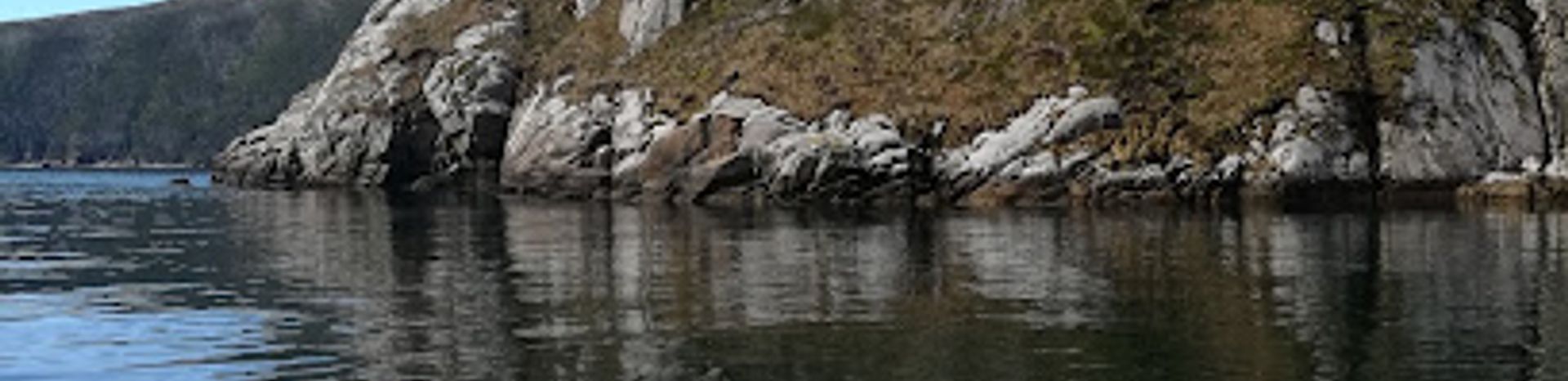
Cabo de Hornos National Park: Where Oceans Collide
Discover the untamed beauty of Cabo de Hornos National Park, where the Pacific and Atlantic Oceans meet at the end of the world.
Cabo de Hornos National Park, the world's southernmost national park, is a Chilean protected area encompassing the Wollaston and Hermite Islands. Known as 'the end of the world,' it offers subantarctic landscapes, rich biodiversity, and a deep cultural history shaped by the Yaghan people and maritime explorers.
A brief summary to Parque Nacional Cabo de Hornos
- Magallanes and Chilean Antarctica, CL
- +56612238959
- Visit website
Local tips
- Pack layers of warm, waterproof clothing to protect against the unpredictable subantarctic weather.
- Bring binoculars for enhanced wildlife viewing, especially for spotting marine birds and mammals.
- Book tours and accommodations well in advance, especially if traveling during peak season (October to April).
- Be prepared for strong winds and potential motion sickness during boat trips.
- Respect the fragile environment by staying on marked trails and followingLeave No Trace principles.

Getting There
-
Boat
The primary way to access Cabo de Hornos National Park is by boat. Most visitors start their journey in Punta Arenas, Chile, where they can book multi-day expedition cruises that include a landing at Cape Horn, weather permitting. These cruises typically cost between $2,000 to $8,000 USD per person, depending on the duration and level of service. Alternatively, you can take a 32-hour ferry from Punta Arenas to Puerto Williams, the closest town to the park. From Puerto Williams, charter a private boat for approximately 12 hours of navigation to reach the park. Expect to pay around $1,500 to $3,000 USD for a private boat, depending on the size and duration of the trip. Landing fees or permits may be required, check with CONAF, the Chilean National Forest Corporation, for updated information. There are no mandatory access fees other than transportation costs.
-
Air
Another option is to fly from Punta Arenas to Puerto Williams via commercial flights. Airlines such as LATAM and Sky Airlines offer daily flights. A round-trip flight typically costs between $200 to $500 USD. From Puerto Williams, charter a private boat for approximately 12 hours of navigation to reach the park. Expect to pay around $1,500 to $3,000 USD for a private boat, depending on the size and duration of the trip. Landing fees or permits may be required, check with CONAF for updated information. There are no mandatory access fees other than transportation costs.
Discover more about Parque Nacional Cabo de Hornos
Unmissable attractions to see

Hornos Island
39.3 km
Discover the untouched beauty of Hornos Island, a paradise for nature lovers and adventure seekers in the Cabo de Hornos archipelago.
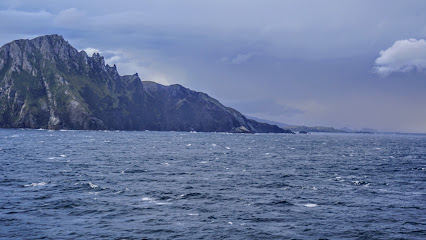
Cape Horn Monument
42.8 km
Explore the breathtaking Cape Horn Monument, where land meets sea at the southernmost tip of South America, rich in history and natural beauty.
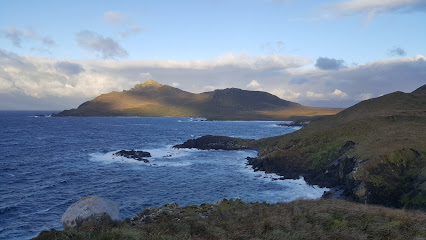
Cape Horn
42.9 km
Discover the breathtaking beauty and rich maritime history of Cape Horn, the southernmost tip of South America, where the oceans meet in dramatic fashion.
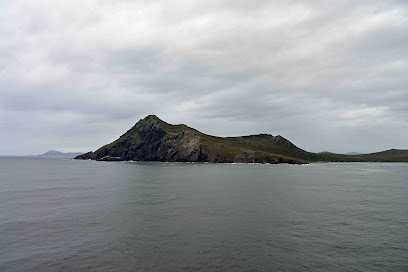
Navarino Island
67.9 km
Experience the breathtaking landscapes and rich cultural heritage of Navarino Island, a pristine paradise in the southernmost part of Chile.
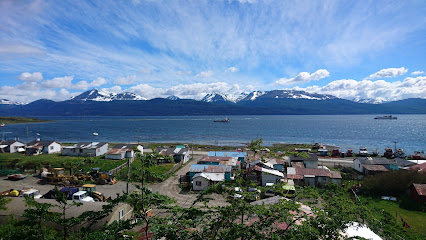
Dientes de Navarino
72.6 km
Explore the breathtaking Dientes de Navarino, Chile's southernmost mountain range, where adventure meets stunning Patagonian landscapes.
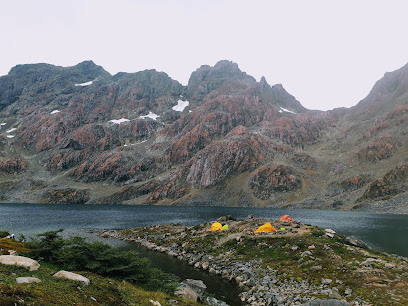
Etnobotánico Omora Park
80.6 km
Explore the breathtaking biodiversity of Etnobotánico Omora Park, a hidden gem in Isla Navarino, Chile, perfect for nature lovers and adventure seekers.

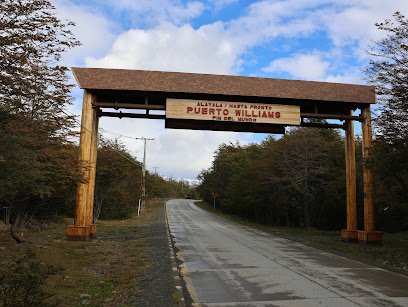
Portico de Puerto Williams
81.0 km
Explore the stunning Portico de Puerto Williams, the gateway to the southernmost city in the world, surrounded by breathtaking Patagonian landscapes.
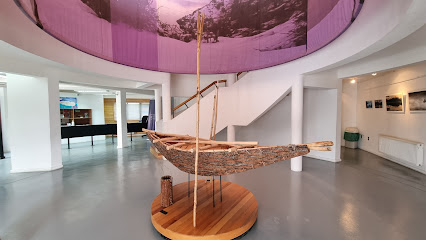
Museo
81.4 km
Explore the rich cultural heritage of Magallanes at Museo in Puerto Williams—an essential stop for travelers seeking to uncover the history of this remote region.
Nombre puerto williams
81.4 km
Explore Puerto Williams: the gateway to Antarctica, where stunning landscapes and rich culture meet in the world's southernmost city.

Oficina de Información Turística Puerto Williams
81.4 km
Explore Puerto Williams, the gateway to breathtaking landscapes, rich culture, and unforgettable adventures at the southernmost tip of the world.
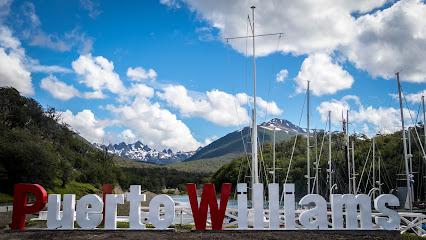
Nueva Island
85.2 km
Explore the pristine wilderness of Nueva Island in Magallanes, Chile, where breathtaking landscapes and rich biodiversity await every traveler.
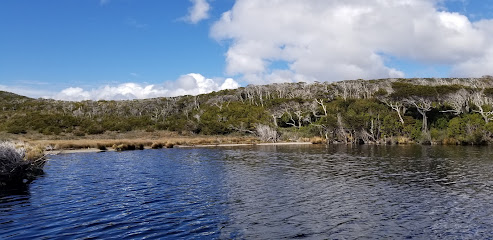
Islas de Tierra del Fuego
85.7 km
Explore the breathtaking landscapes and diverse wildlife of Islas de Tierra del Fuego, a pristine archipelago at the southern tip of Chile.
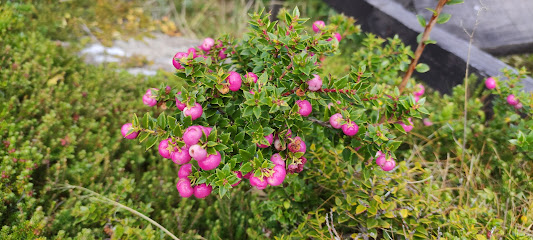
Isla Martillo
86.9 km
Explore Isla Martillo: An enchanting island in Argentina, home to stunning landscapes and a sanctuary for penguins and other wildlife.
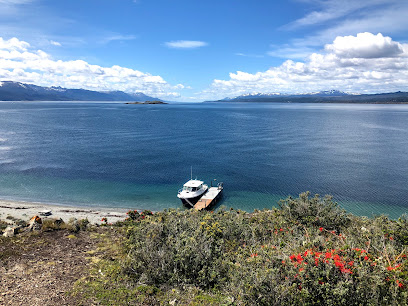
Beagle Channel
87.1 km
Explore the breathtaking Beagle Channel, where natural beauty, unique wildlife, and rich maritime history converge in a stunning maritime landscape.

Cascada del Duende
88.3 km
Explore the breathtaking beauty of Cascada del Duende in Ushuaia, where nature's splendor and tranquility await in Tierra del Fuego Province.

Essential places to dine

Resto del Sur
81.4 km
Experience authentic Chilean flavors at Resto del Sur in Puerto Williams – where local cuisine meets breathtaking views.

Restaurante Dientes De Navarino
81.4 km
Experience authentic Patagonian cuisine at Restaurante Dientes De Navarino, where local flavors meet warm hospitality in Puerto Williams.

EL FRONTÓN
88.9 km
Discover the flavors of Tierra del Fuego at El Frontón - where exquisite cuisine meets stunning natural beauty.

La Sirena Y El Capitán
89.0 km
Discover authentic Argentinian flavors at La Sirena Y El Capitán in Ushuaia—fresh seafood meets breathtaking views.

Almanza entre amigos
89.0 km
Experience authentic Argentinian flavors at Almanza entre amigos in Ushuaia - where local ingredients meet warm hospitality.
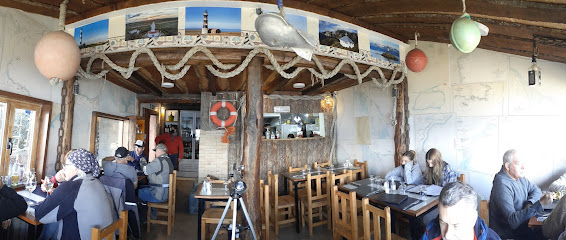
La Mesita De Almanza
89.2 km
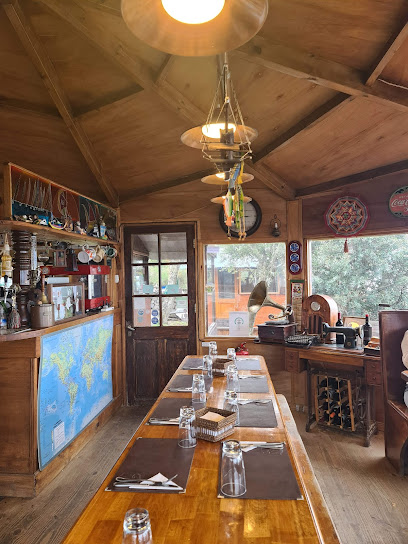
Discover authentic Argentinian cuisine at La Mesita De Almanza, where fresh seafood meets stunning landscapes in Tierra del Fuego.
Essential bars & hidden hideouts

Bar Analig
81.3 km
Experience the vibrant atmosphere and friendly service at Bar Analig, Puerto Williams' cozy bar, perfect for unwinding after a day of exploration.

Jemmy & York
89.1 km
Discover Jemmy & York: A culinary haven in Tierra del Fuego, where local flavors and stunning views combine for an unforgettable dining experience.


