Signal Hill: A Window to the Past
Explore ancient Hohokam rock art and panoramic desert views at Signal Hill in Saguaro National Park West, a window into Arizona's past.
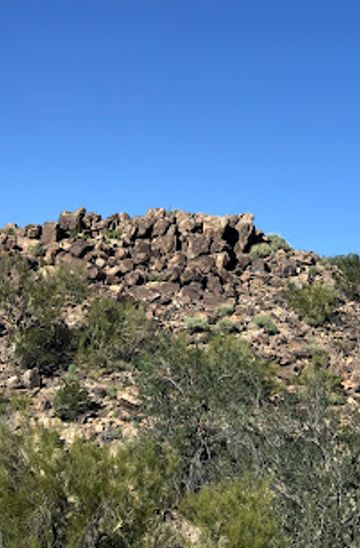
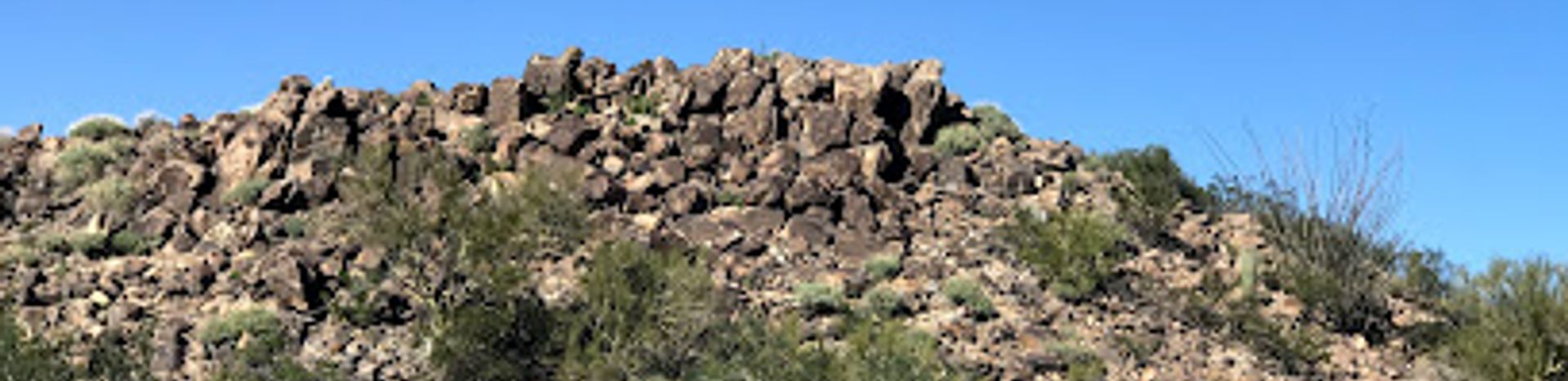
Signal Hill, located in the Tucson Mountain District of Saguaro National Park, is a small, rocky hill featuring over 200 prehistoric Native American petroglyphs created by the Hohokam people between 550 and 1,550 years ago. A short trail leads to the summit, offering panoramic views of the Sonoran Desert and a glimpse into the lives of the region's early inhabitants.
A brief summary to Signal Hill
- Tucson, Arizona, 85743, US
- Click to display

Know before you go
Hi, I'm Eve. Here are a few practical things to know before exploring Signal Hill.
- Visit early in the morning or late in the afternoon, especially during summer, to avoid the heat and see the petroglyphs in better light.
- Bring binoculars for a closer look at the petroglyphs, as some are difficult to see from the trail.
- Wear sturdy shoes and bring water, as the trail is rocky and exposed.
- Combine your visit with a picnic at the Signal Hill Picnic Area for a relaxing day in the park.
- Consider visiting the Red Hills Visitor Center to learn more about the park's history, ecology, and the Hohokam people.
Do you manage this location?
Take control to get all the benefits, like improved information, better appearance, and stronger visibility across AI-powered discovery. Learn more
Activate your presenceGetting There
-
Driving
From Tucson, take Kinney Road west towards Saguaro National Park West. Enter the park (fee required: $20 per vehicle). Follow Bajada Loop Drive to North Golden Gate Road, then turn onto Signal Hill Road. The Signal Hill Picnic Area and trailhead are at the end of this unpaved road. Parking is free at the trailhead. Note that Signal Hill Road is a graded dirt road.
-
Public Transport
While there isn't direct public transportation to Signal Hill, you can take a bus to a nearby location and then use a ride-sharing service. Take the bus to the closest stop on Kinney Road and arrange for a taxi or ride-share to the Signal Hill trailhead. A ride-sharing trip from the edge of the park to Signal Hill will cost approximately $15-$25. Park entrance fee still applies ($20 per vehicle).
Discover more about Signal Hill
Explore the best of what Signal Hill has to offer













More about Pima County
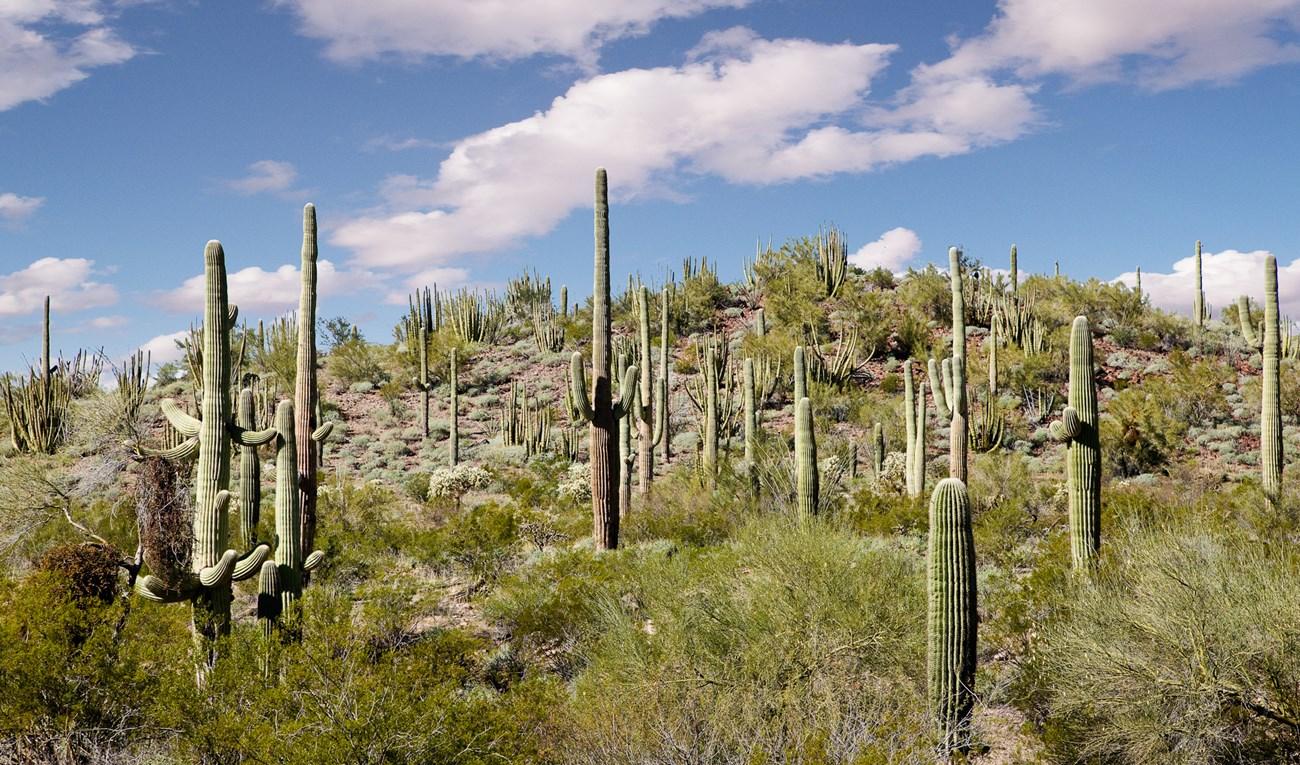
Discover Pima County: A blend of cultural richness, stunning desert landscapes, and vibrant city life in the heart of Southern Arizona.
Tell me more about Pima County