

Free Tucson Travel Guide & Mobile App
Plan your Tucson trip with Evendo. Get free guides to top attractions, restaurants, hotels, and bars. Web access or download the mobile app.


Discover Tucson, Arizona: A desert oasis rich in cultural heritage, natural beauty, and culinary delights, perfect for explorers and food enthusiasts alike.
Read more about Tucson
When is the best time to visit Tucson?
Best: February–March, October · 22–28°C| Month | High (°C) | Rainfall (mm) |
|---|---|---|
| January | 18 | 24 |
| February (best) | 22 | 23 |
| March (best) | 25 | 20 |
| April | 30 | 9 |
| May | 36 | 4 |
| June | 41 | 5 |
| July | 40 | 61 |
| August | 39 | 60 |
| September | 35 | 37 |
| October (best) | 28 | 21 |
| November | 21 | 18 |
| December | 16 | 25 |
Getting to and around Tucson
How to get there
Transportation
Best attractions in Tucson
Tucson, Arizona offers a vibrant mix of culture, history, and outdoor adventures. Explore the iconic Saguaro National Park with its towering cacti, hike through the stunning landscapes of Sabino Canyon, or visit the historic Mission San Xavier del Bac. Dive into the rich heritage of the Old Pueblo at the Arizona-Sonora Desert Museum or the Tucson Museum of Art. Indulge in delicious Southwestern cuisine, shop for unique handcrafted items at the Fourth Avenue shopping district, or catch a performance at the historic Fox Tucson Theatre. With year-round sunshine and a laid-back vibe, Tucson is a must-visit destination for those seeking a blend of natural beauty and cultural experiences.
-
Tourist attraction
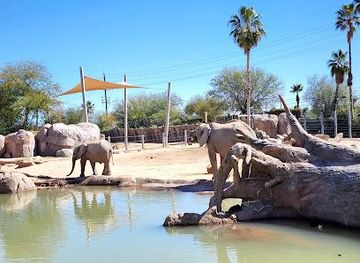
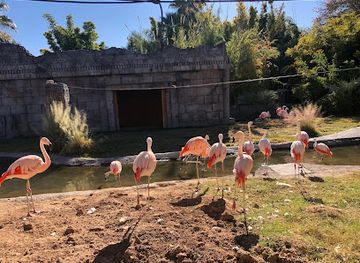
Reid Park Zoo
Explore Reid Park Zoo in Tucson, Arizona, where adventure meets education with diverse wildlife and engaging exhibits for all ages.
24 min drive · 7.9 km from city centre
-
Tourist attraction
Reid Park Zoo
Experience the thrill of wildlife at Reid Park Zoo in Tucson, Arizona—where family fun meets conservation and education.
24 min drive · 7.9 km from city centre
-
History museum
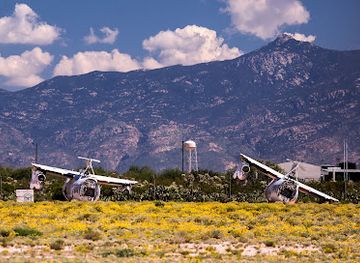
Pima Air & Space Museum
Discover the Pima Air & Space Museum in Tucson, AZ, a premier destination for aviation history and space exploration enthusiasts.
5 min drive · 1.6 km from city centre
-
History museum
Pima Air & Space Museum
Discover the vast collection of aircraft and space artifacts at Pima Air & Space Museum, a premier destination for aviation enthusiasts in Tucson, Arizona.
5 min drive · 1.6 km from city centre

Best landmarks in Tucson
Tucson, Arizona offers visitors a rich tapestry of historical landmarks and cultural attractions to explore. From the iconic Mission San Xavier del Bac, a stunning example of Spanish colonial architecture, to the historic Presidio San Agustin del Tucson, where visitors can step back in time to the city's early days as a Spanish outpost. For nature lovers, the breathtaking Saguaro National Park showcases the beauty of the Sonoran Desert with its towering cacti and diverse wildlife. The Arizona-Sonora Desert Museum provides a unique opportunity to learn about the desert ecosystem through interactive exhibits and live animal displays. And for those seeking a taste of the Old West, Tombstone, the legendary town of Wyatt Earp and the O.K. Corral, is just a short drive away. With its blend of history, nature, and culture, Tucson has something to offer every type of traveler.
-
Catholic church
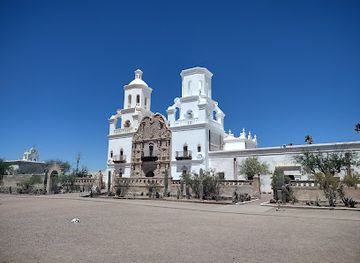
San Xavier del Bac Mission
Discover the stunning architecture and rich history of San Xavier del Bac Mission, a cultural gem nestled in Tucson, Arizona.
34 min drive · 14 km from city centre
-
Theme park
Old Tucson
Experience the Wild West at Old Tucson: a historic movie set and theme park where film history comes to life!
45 min drive · 25 km from city centre
-
Tourist attraction
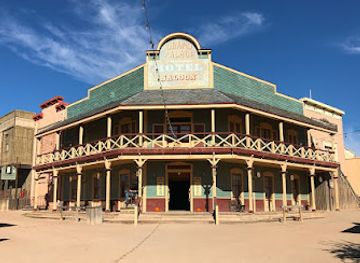
Trail Dust Town
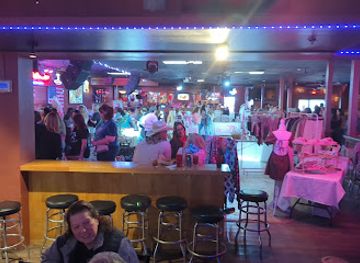
Explore the Old West at Trail Dust Town, Tucson's charming theme park with live entertainment, shops, and western-themed attractions.
31 min drive · 11 km from city centre
-
Nature preserve
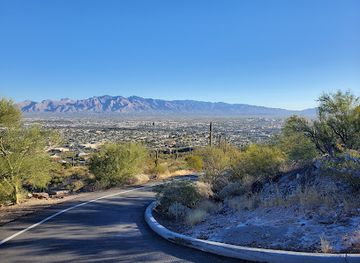
Tumamoc Hill
Discover the breathtaking vistas and rich ecology of Tumamoc Hill, a premier nature preserve in Tucson, Arizona, perfect for outdoor enthusiasts and nature lovers.
35 min drive · 15 km from city centre
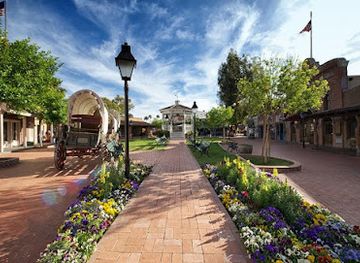
Explore Tucson on the map
Plan your Tucson trip on one map. See where the top attractions, landmarks, restaurants, bars and hotels are, find what's near where you're staying, and book hotels and experiences in a few clicks.
Neighbourhoods in Tucson
-

-

-

-


Swipe for more neighbourhoods
Best hotels in Tucson
Best restaurants in Tucson
Tucson's dining scene offers a vibrant mix of flavors and cultures, showcasing the city's rich culinary heritage. From traditional Southwestern cuisine to trendy farm-to-table eateries, visitors can expect a diverse array of dining options to suit every palate. Explore charming Mexican restaurants in the historic Barrio Viejo neighborhood, savor delicious Sonoran hot dogs from street vendors, or indulge in upscale dining experiences at award-winning restaurants. With a focus on fresh, locally sourced ingredients and a deep respect for culinary traditions, Tucson's dining scene is sure to captivate and delight tourists looking to experience the flavors of the Southwest.
-
Mexican
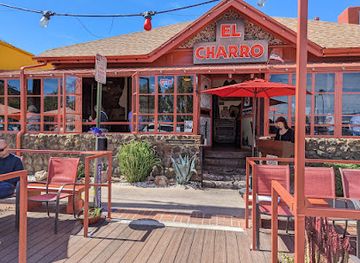
El Charro Café Downtown
Experience authentic Mexican cuisine at El Charro Café Downtown in Tucson – where tradition meets flavor in every bite.
33 min drive · 13 km from city centre
-
American
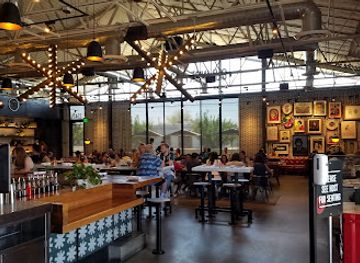
Culinary Dropout
Experience Tucson's vibrant culinary scene at Culinary Dropout - where great food meets live music in an inviting atmosphere.
32 min drive · 12 km from city centre
-
American
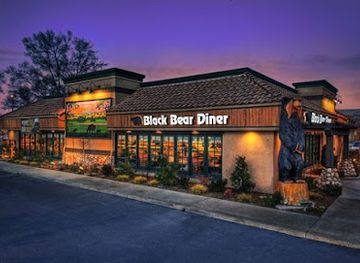
Black Bear Diner Tucson
Discover Black Bear Diner Tucson: A Family-Friendly American Eatery Serving Hearty Breakfasts and Delicious Burgers in a Cozy Atmosphere.
23 min drive · 7.7 km from city centre
-
Breakfast
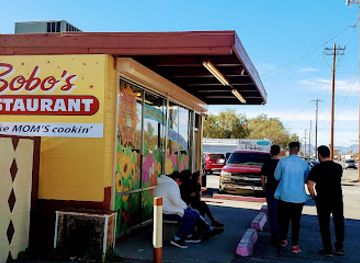
Bobo's Restaurant
Experience the best breakfast at Bobo's Restaurant in Tucson - where delicious American classics meet warm hospitality.
32 min drive · 12 km from city centre
Best bars in Tucson
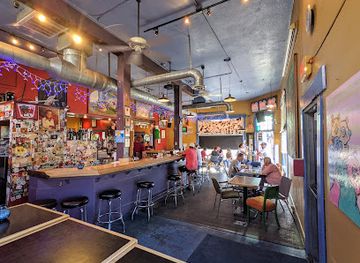
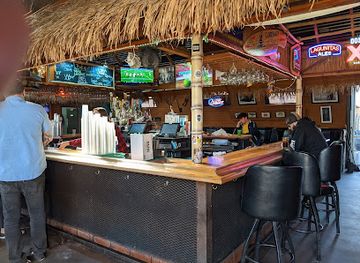
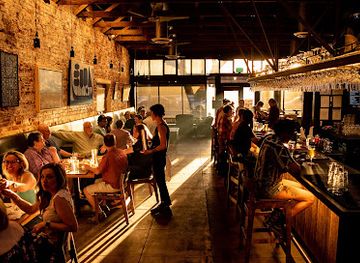
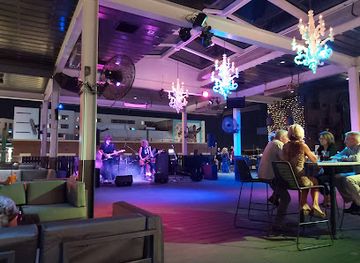
Tucson's nightlife scene offers a vibrant mix of bars and nightclubs that cater to all tastes and preferences. From the trendy downtown bars serving craft cocktails and local brews, to the lively dance clubs featuring live music and DJs spinning the latest hits, there is something for everyone to enjoy. Visitors can expect a welcoming and diverse crowd, with plenty of opportunities to socialize and make new friends. Whether you're looking for a laid-back evening sipping drinks on a rooftop bar or dancing the night away in a high-energy club, Tucson's nightlife scene has it all.
-
Bar
Sky Bar Tucson
Experience Tucson's nightlife at Sky Bar, where stunning views, live music, and a vibrant atmosphere create unforgettable moments.
32 min drive · 12 km from city centre
-
Bar
Che's Lounge
Experience the vibrant nightlife of Tucson at Che's Lounge, where unique cocktails and a welcoming atmosphere await in Historic Fourth Avenue.
32 min drive · 12 km from city centre
-
Bar
The Hut
Discover The Hut in Tucson, a cozy bar offering craft drinks, live music, and a relaxed atmosphere in the heart of Historic Fourth Avenue.
32 min drive · 12 km from city centre
-
Gastropub
Ermanos Bar
Discover Ermanos Bar in Tucson for a unique gastropub experience with local flavors and a vibrant atmosphere that captures the essence of the city.
32 min drive · 12 km from city centre
Best nightclubs in Tucson
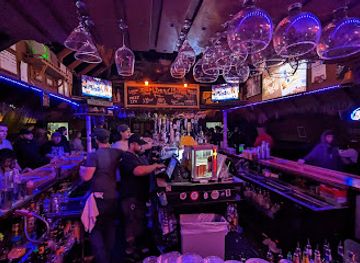
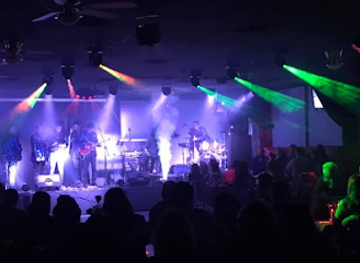
Tucson's nightlife scene offers a vibrant mix of bars and nightclubs that cater to all tastes and preferences. From the trendy downtown bars serving craft cocktails and local brews, to the lively dance clubs featuring live music and DJs spinning the latest hits, there is something for everyone to enjoy. Visitors can expect a welcoming and diverse crowd, with plenty of opportunities to socialize and make new friends. Whether you're looking for a laid-back evening sipping drinks on a rooftop bar or dancing the night away in a high-energy club, Tucson's nightlife scene has it all.
-
Bar
The Hut
Experience the vibrant nightlife of Tucson at The Hut, a lively bar with creative cocktails, games, and a welcoming atmosphere.
32 min drive · 12 km from city centre
-
Bar
Playground Bar and Lounge
Discover the vibrant nightlife at Playground Bar and Lounge in downtown Tucson, where cocktails, music, and fun collide for an unforgettable experience.
32 min drive · 12 km from city centre
-
Night club
The Maverick King of Clubs
Experience the vibrant nightlife at The Maverick King of Clubs, Tucson's top spot for live music, burgers, and unforgettable fun.
31 min drive · 11 km from city centre
-
Night club
Club 4th
Experience Tucson's vibrant nightlife at Club 4th, where music, dancing, and a lively atmosphere make for unforgettable nights out.
30 min drive · 10 km from city centre
Best shops in Tucson
Tucson offers a unique shopping experience for visitors, with a mix of modern malls and charming boutiques. Stroll through the historic Fourth Avenue district to find eclectic shops selling handmade crafts, vintage clothing, and local artwork. Explore the upscale stores and galleries in the downtown area, where you can purchase Native American jewelry and southwestern decor. Don't miss the vibrant farmers markets and outdoor street fairs, where you can sample local cuisine and purchase fresh produce. Whether you're looking for trendy fashion or one-of-a-kind souvenirs, Tucson's shopping scene has something for everyone.
-
Shopping mall
La Encantada
Explore La Encantada in Tucson, AZ, where luxury shopping meets exquisite dining amid stunning mountain views for a unique experience.
40 min drive · 20 km from city centre
-
Shopping mall
Main Gate Square
Discover Main Gate Square in Tucson, a dynamic shopping mall and event venue that showcases local culture, dining, and entertainment for every visitor.
32 min drive · 12 km from city centre
-
Market
Mercado San Agustin
Discover Tucson's Mercado San Agustin: A vibrant market showcasing local crafts, cuisine, and culture in the heart of Arizona.
33 min drive · 13 km from city centre
-
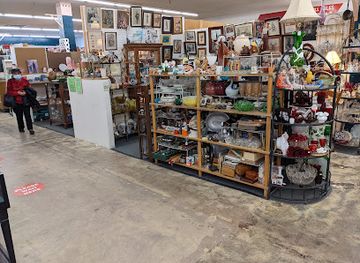
Antique store
22nd Street Antique Mall
Explore the eclectic charm of 22nd Street Antique Mall in Tucson, where timeless treasures and unique finds await every visitor.
18 min drive · 6.0 km from city centre

Get your free copy of our complete guide to Tucson, delivered straight to you.
Everything on this page, from attractions and restaurants to essentials and local phrases, in one PDF you can read offline, print or share.
Already have an account? Sign in
Your Tucson guide is ready.
We'll send it to · Not you? Sign out

Getting your guide ready…
We are putting together a fresh copy of the Tucson guide. This can take up to a minute.
This can take a few moments. If your browser asks, choose Allow so the download can start. You'll find the guide in your Downloads folder.
Nothing happened? Download it again
Sorry, the guide is taking longer than usual. Please try again in a minute, or get it by email instead.
Tucson essentials
Currency and Payment
Safety
Emergency Situations
Do's and Don'ts
Local Tips
From Eve
Local phrases worth knowing
You don't need to get them perfect. A few words go a long way, and locals appreciate the effort.
Basics
| English | Local | Say it |
|---|---|---|
| Hello | Howdy | [haʊdi] |
| Goodbye | Adios | [ɑˈdi.oʊs] |
| Yes | Si | [si] |
| No | No | [noʊ] |
| Please/You're welcome | Por favor/De nada | [pɔr fəˈvɔr/deɪ ˈnɑːdə] |
| Thank you | Gracias | [ˈɡrɑːsiˌæs] |
| Excuse me/Sorry | Perdón/Lo siento | [pɜrˈdoʊn/loʊ ˈsjɛntoʊ] |
| How are you? | ¿Cómo estás? | [ˈkeɪmoʊ ɛsˈtɑs] |
| Fine. And you? | Bien. ¿Y tú? | [biˈɛn i ˈju] |
| Do you speak English? | ¿Hablas inglés? | [ˈhɑbləz ˈɪŋɡlɪʃ] |
| I don't understand | No entiendo | [noʊ ˌɛntiˈɛndoʊ] |
Eating & Drinking
| English | Local | Say it |
|---|---|---|
| I'd like to see the menu, please | Quisiera ver el menú, por favor | [kiˈsjɛrə vɛr ɛl ˈmɛnu, pɔr fəˈvɔr] |
| I don't eat meat | No como carne | [noʊ ˈkoʊmoʊ kɑrn] |
| Cheers! | ¡Salud! | [səˈlʌd] |
| I would like to pay, please | Me gustaría pagar, por favor | [mi ˌɡʌsˈtɑriə ˈpeɪ, pɔr fəˈvɔr] |
Emergencies
| English | Local | Say it |
|---|---|---|
| Help! | ¡Ayuda! | [ˈhɛlp] |
| Go away! | ¡Vete! | [ɡoʊ əˈweɪ] |
| Call the Police! | ¡Llama a la policía! | [kɔl ðə pəˈlis] |
| Call a doctor! | ¡Llama a un doctor! | [kɔl ə ˈdɑktər] |
| I'm lost | Estoy perdido | [ɪm lɔst] |
| I'm ill | Estoy enfermo | [ɪm ɪl] |
Shopping
| English | Local | Say it |
|---|---|---|
| I'd like to buy... | Me gustaría comprar... | [mi ˌɡʌsˈtɑriə kɑmˈprɑr] |
| I'm just looking | Sólo estoy mirando | [ˈsoʊloʊ ɪˈstɔɪ mɪˈrændoʊ] |
| How much is it? | ¿Cuánto cuesta? | [ˈkwɑntoʊ ˈkwɛstə] |
| That's too expensive | Esto es demasiado caro | [ˈɛstoʊ ɛs dɪˌmæsiˈɑdoʊ ˈkɑroʊ] |
| Can you lower the price? | ¿Puedes bajar el precio? | [pweðəz ˈbeɪʤər ɛl ˈpraɪsoʊ] |
Time & Numbers
| English | Local | Say it |
|---|---|---|
| What time is it? | ¿Qué hora es? | [wʌt taɪm ɪz ɪt] |
| It's one o'clock | Es la una | [ɪts wʌn əˈklɑk] |
| Half past (10) | Media tarde (10) | [hæf pæst (10)] |
| Morning | Mañana | [ˈmɔrnɪŋ] |
| Afternoon | Tarde | [ˌæftərˈnun] |
| Evening | Noche | [ˈivnɪŋ] |
| Yesterday | Ayer | [ˈjɛstərdeɪ] |
| Today | Hoy | [təˈdeɪ] |
| Tomorrow | Mañana | [təˈmɑroʊ] |
| 1 | Uno | [ˈwʌn] |
| 2 | Dos | [doʊs] |
| 3 | Tres | [treɪs] |
| 4 | Cuatro | [ˈkwɑˌtroʊ] |
| 5 | Cinco | [ˈsɪŋkoʊ] |
| 6 | Seis | [seɪs] |
| 7 | Siete | [ˈsiˌɛt] |
| 8 | Ocho | [ˈoʊˌtʃoʊ] |
| 9 | Nueve | [nwev] |
| 10 | Diez | [diˈɛs] |
Transport & Directions
| English | Local | Say it |
|---|---|---|
| Where's a/the...? | ¿Dónde está...? | [wɛr z ə/ði] |
| What's the address? | ¿Cuál es la dirección? | [wʌts ði əˈdrɛs] |
| Can you show me (on the map)? | ¿Puedes mostrarme (en el mapa)? | [kæn ju ʃoʊ mi (ɒn ðə mæp)] |
| When's the next (bus)? | ¿Cuándo es el próximo (autobús)? | [wɛnz ðə nɛkst (bʌs)] |
| A ticket (to ....) | Un boleto (a ....) | [ə ˈtɪkɪt (tu ....)] |
History of Tucson
Prehistoric Beginnings: The Hohokam People
Long before European settlers arrived, the Tucson area was home to the Hohokam people. These early inhabitants developed sophisticated irrigation canals that supported extensive agriculture. The remnants of their canal system can still be seen today, offering a glimpse into their advanced engineering skills and way of life.
Spanish Colonial Era: Founding of Mission San Xavier del Bac
In 1692, Spanish Jesuit missionary Father Eusebio Francisco Kino established the Mission San Xavier del Bac. Known as the 'White Dove of the Desert,' this stunning example of Spanish colonial architecture stands as a testament to the region's Spanish heritage. The mission continues to serve the local community and attract visitors from around the world.
Mexican Rule and the Battle of Tucson
Following Mexico's independence from Spain in 1821, Tucson became part of the Mexican state of Sonora. The Battle of Tucson in 1846, during the Mexican-American War, saw American forces briefly occupy the town. This period of Mexican governance left a lasting cultural legacy, evident in Tucson’s architecture, cuisine, and traditions.
American Annexation: The Gadsden Purchase
In 1854, the Gadsden Purchase transferred a large portion of land, including Tucson, from Mexico to the United States. This pivotal event marked the beginning of Tucson's transformation into an American city. The purchase facilitated the construction of a transcontinental railroad, further integrating Tucson into the burgeoning American economy.
Old West Legend: The Earp-Clanton Feud
Tucson played a notable role in the legendary feud between the Earp brothers and the Clanton gang. In 1882, after the infamous Gunfight at the O.K. Corral in Tombstone, Frank Stilwell, a member of the Clanton gang, was killed at the Tucson train station by Wyatt Earp and his posse. This event added to Tucson’s rich tapestry of Wild West lore.
Modern Development: University of Arizona
Founded in 1885, the University of Arizona has been a cornerstone of Tucson’s growth and development. As the first university in the Arizona Territory, it has become a major research institution, contributing to the city's educational, cultural, and economic landscape. The university's campus is a vibrant hub of activity and innovation.
Cultural Renaissance: Tucson's UNESCO City of Gastronomy Designation
In 2015, Tucson was designated a UNESCO City of Gastronomy, recognizing its rich culinary heritage and sustainable food system. This prestigious designation celebrates Tucson’s unique blend of Native American, Mexican, and frontier culinary traditions, making it a must-visit destination for food enthusiasts.
Tucson in Photos
Browse through our photo collection highlighting the charm and character of the destination.
Cities near Tucson
The closest cities to Tucson, if you have time for more than one stop.
-

-
-

-

-


Swipe for more cities
Explore more

Explore more of Arizona
Discover Arizona: From the majestic Grand Canyon and red rocks of Sedona to the vibrant cities of Phoenix and Scottsdale, explore the diverse beauty and culture of the Grand Canyon State.
Explore Arizona