

The Dunbar Pavilion, Tucson Travel Guide
Experience the rich history and vibrant culture of Tucson's Dunbar Pavilion, a landmark of African American heritage and community empowerment.
The Dunbar Pavilion in Tucson, Arizona, stands as a testament to the city's African American history. Originally the segregated Dunbar School, it now serves as a vibrant community and cultural center, hosting educational programs, arts initiatives, and community events that honor its past and foster growth.
A brief summary to The Dunbar Pavilion
- 325 W 2nd St, Tucson, Dunbar Spring, Arizona, 85705, US
- Click to display
- Click to display
- Monday 9 am-4:30 pm
- Tuesday 9 am-4:30 pm
- Wednesday 9 am-4:30 pm
- Thursday 9 am-4:30 pm
- Friday 9 am-4:30 pm

Know before you go
Hi, I'm Eve. Here are a few practical things to know before exploring The Dunbar Pavilion.
- Check the Dunbar Pavilion's event calendar for upcoming cultural events, workshops, and performances.
- Explore the historical exhibits within the Pavilion to learn about the legacy of the Dunbar School and its impact on Tucson's African American community.
- Take advantage of the free on-site parking available to visitors.
Do you manage this location?
Take control to get all the benefits, like improved information, better appearance, and stronger visibility across AI-powered discovery. Learn more about listing your business on Evendo
Activate your presenceOther nearby places you may find interesting
The closest places of the same kind, if this one is not quite what you had in mind.
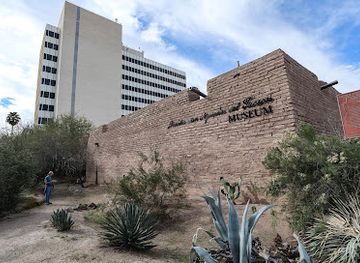
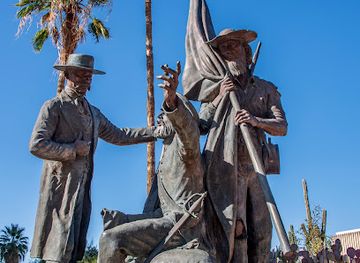
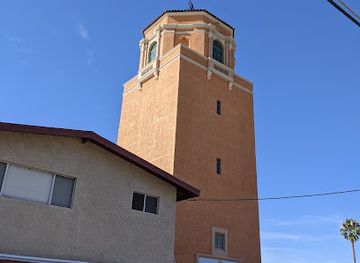
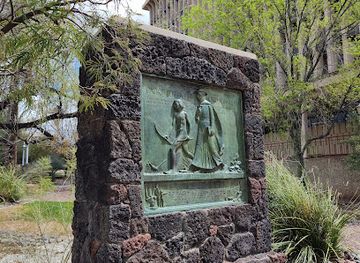
Explore The Dunbar Pavilion on the Map
A handpicked selection of must-see spots near The Dunbar Pavilion, mapped for you.
Getting There
-
Walking
From downtown Tucson, head northwest on N Stone Ave towards W 6th St. Turn left onto W 2nd St and continue straight. The Dunbar Pavilion will be on your right at 325 W 2nd St. Walking from downtown Tucson to the Dunbar Pavilion takes approximately 20 minutes.
-
Public Transport
From the Tucson downtown area, take the Sun Tran bus route 6 or route 16. Get off at the stop near 2nd Street and 4th Avenue. Walk west on 2nd Street for about 3 blocks. The Dunbar Pavilion will be on your left at 325 W 2nd St. A single ride on Sun Tran costs $1.75.
Discover more about The Dunbar Pavilion













Your all‑in‑one travel companion app
Explore expert travel guides, compare and book tours, experiences, hotels, and more—all from the palm of your hand. Download now for seamless trip planning wherever your wanderlust takes you.


Explore More of Tucson

Looking beyond The Dunbar Pavilion? Discover Tucson for broader travel guides, local hot-spots, and regional highlights.
Explore Tucson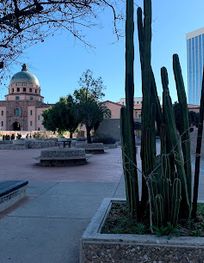
Discover Tucson's historic charm at El Presidio Plaza, a vibrant downtown park with gardens, art, and a glimpse into the city's past.
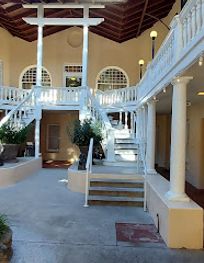
Discover Tucson's architectural gem: Steinfeld Mansion, a historic landmark in the heart of El Presidio, blending Mission and Spanish styles.
