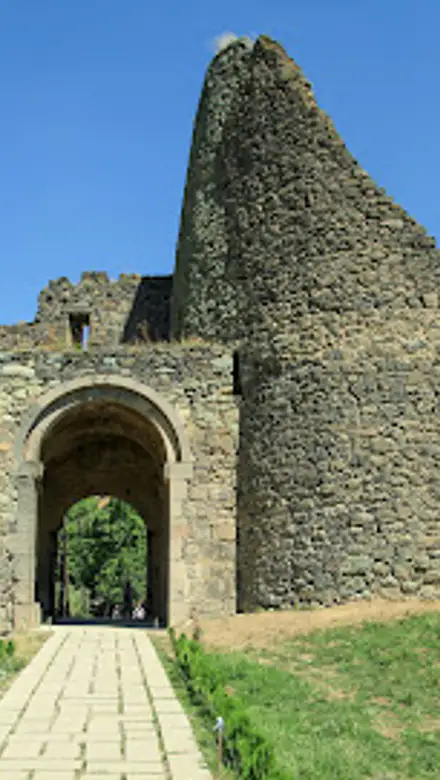
Akhtala Monastery Fortress, Lori Travel Guide
Explore the historical Akhtala Monastery Fortress, a breathtaking blend of spirituality and stunning medieval architecture in the heart of Armenia.
Nestled in the picturesque hills of Armenia, the Akhtala Monastery Fortress is a stunning example of medieval architecture and a serene spiritual site. Tourists can explore its intricate frescoes and enjoy breathtaking views of the surrounding landscape, making it a must-visit destination for history enthusiasts and spiritual seekers alike.
A brief summary to Akhtala Monastery Fortress
- 5Q27+5HW, Akhtala, AM
- Click to display

Know before you go
Hi, I'm Eve. Here are a few practical things to know before exploring Akhtala Monastery Fortress.
- Visit early in the morning or late in the afternoon for fewer crowds and softer lighting for photography.
- Wear comfortable shoes as the terrain can be uneven, and be prepared for some walking.
- Bring a camera to capture the stunning views and intricate details of the frescoes.
- Check local guides for any cultural events or services happening during your visit for a more immersive experience.
Do you manage this location?
Take control to get all the benefits, like improved information, better appearance, and stronger visibility across AI-powered discovery. Learn more about listing your business on Evendo
Activate your presenceOther nearby places you may find interesting
The closest places of the same kind, if this one is not quite what you had in mind.
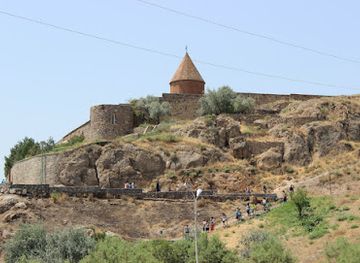
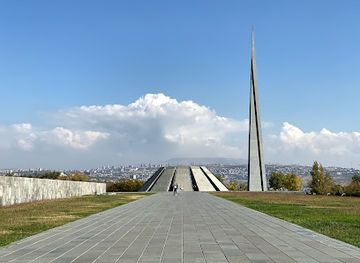
Explore Akhtala Monastery Fortress on the Map
A handpicked selection of must-see spots near Akhtala Monastery Fortress, mapped for you.
Unlock the Best of Akhtala Monastery Fortress
Buy tickets
-
No tickets available
Book tours with entry


Getting There
-
Car
From the city center of Vanadzor in Lori, take the M4 highway north towards Akhtala. After approximately 15 kilometers, follow the signs to Akhtala. Once you reach the town, navigate towards the coordinates 41.1504939, 44.763959. There is a parking area near the monastery for visitors.
-
Public Transportation
To reach Akhtala Monastery Fortress from Vanadzor using public transportation, head to the Vanadzor bus station. Look for a minibus or shared taxi heading towards Akhtala. The fare is usually around 500 AMD per person. The journey takes about 30 minutes. Once you arrive in Akhtala, you may need to walk approximately 1 kilometer to the monastery, following the signs or asking locals for directions.
-
Walk
If you are already in Akhtala town, walking to the monastery is a pleasant option. Start from the town center and head towards the coordinates 41.1504939, 44.763959, which are about 1 kilometer away. The path is relatively straightforward, and you can enjoy the beautiful surroundings along the way.
Discover more about Akhtala Monastery Fortress
More to explore near Akhtala Monastery Fortress













Your all‑in‑one travel companion app
Explore expert travel guides, compare and book tours, experiences, hotels, and more—all from the palm of your hand. Download now for seamless trip planning wherever your wanderlust takes you.


Explore More of Lori
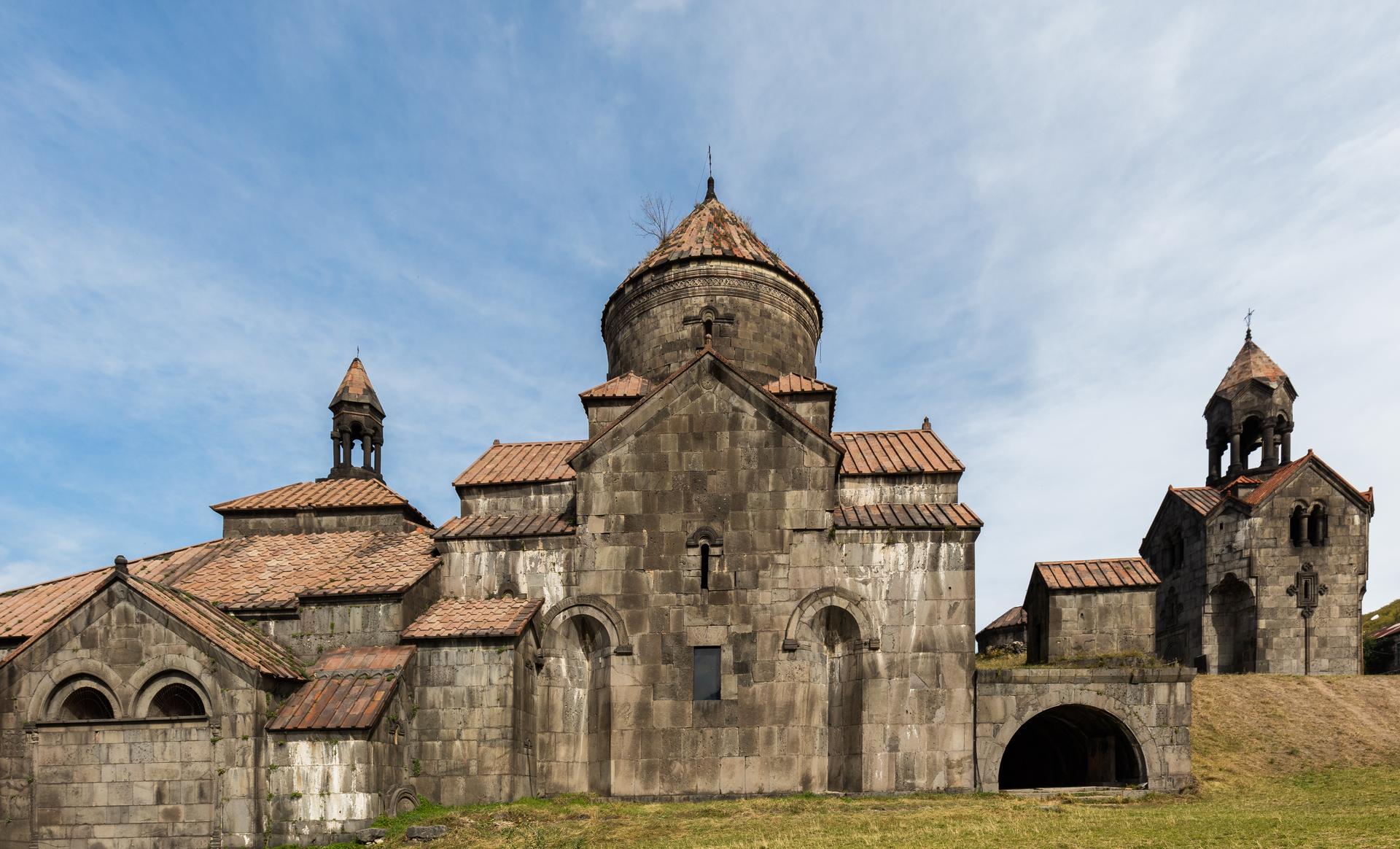
Looking beyond Akhtala Monastery Fortress? Discover Lori for broader travel guides, local hot-spots, and regional highlights.
Explore Lori
Explore Koshaberd Fortress near Alaverdi for stunning views, medieval history, and a rewarding hike in Armenia's Lori region.
Discover the historical charm and stunning architecture of Aramyants Castle, a memorial estate in Akhtala, Armenia, surrounded by breathtaking landscapes.