

Free Kapan Travel Guide & Mobile App
Plan your Kapan trip with Evendo. Get free guides to top attractions, restaurants, hotels, and bars. Web access or download the mobile app.


Kapan, Armenia, pairs Syunik’s mining heritage with mountain scenery, medieval monasteries, fortress ruins and authentic southern Armenian culture.
A City in the Zangezur Mountains
Kapan lies in Armenia’s southern Syunik Province, stretched along the Voghji River beneath the forested slopes and rugged ridges of the Zangezur range. As the provincial capital, it is both a working Armenian town and a base for exploring a dramatic landscape of deep valleys, high passes and isolated historic monuments. The city’s setting is especially striking around Mount Khustup, whose broad silhouette rises south of Kapan and has become closely associated with the surrounding region.Read more about Kapan
Mining Heritage and Modern Syunik
Monasteries, Fortresses and Mountain Roads
When is the best time to visit Kapan?
Best: June–August · 23–25°C| Month | High (°C) | Rainfall (mm) |
|---|---|---|
| January | 1 | 29 |
| February | 3 | 27 |
| March | 7 | 27 |
| April | 14 | 24 |
| May | 19 | 19 |
| June (best) | 23 | 14 |
| July (best) | 25 | 8 |
| August (best) | 25 | 8 |
| September | 19 | 12 |
| October | 13 | 20 |
| November | 8 | 25 |
| December | 4 | 29 |
Getting to and around Kapan
How to get there
Transportation
Best landmarks in Kapan
Kapan’s landmarks express the layered history of Syunik through monasteries, fortresses and modern civic memory. Vahanavank, a medieval Armenian monastery in the Voghji valley, is distinguished by its stone church buildings, carved details and association with the region’s ruling families and religious life. Baghaberd Fortress occupies a naturally defensive height and is traditionally linked with the final phase of the medieval Syunik kingdom, although much of the site survives as ruins integrated into the mountain landscape. Halidzor Fortress, set above the valley, recalls the power of local meliks and the military resistance of the eighteenth century. Within Kapan, monuments and institutions connected with Garegin Nzhdeh reflect the political history of twentieth-century Syunik, while the city’s industrial works and planned urban fabric represent its later transformation into a major mining centre.
-
Campground
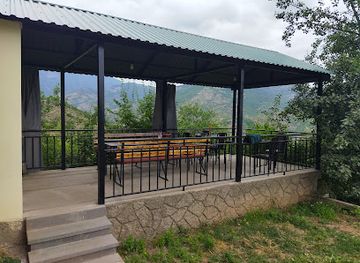
Hilltop Camping Bekh
Discover the tranquility of Hilltop Camping Bekh, where nature and comfort unite in the heart of Kapan's breathtaking landscapes.
9 min drive · 2.9 km from city centre
-
Monastery
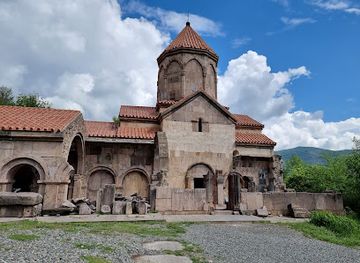
Vahanavank
Explore Vahanavank Monastery: A medieval Armenian monastic complex with stunning architecture, rich history, and serene natural surroundings.
19 min drive · 6.5 km from city centre
-
Fortress
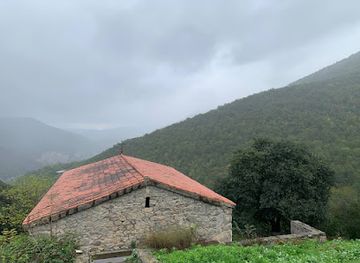
Halidzor Fortress
Explore Halidzor Fortress, a 17th-century Armenian stronghold, offering panoramic views and a glimpse into the nation's heroic past in Syunik Province.
15 min drive · 4.9 km from city centre
-
 Town square
Karen Demirchyan Square
Explore the vibrant atmosphere of Karen Demirchyan Square in Kapan, where culture, community, and stunning architecture come together for an unforgettable experience.
1 min walk · 0.1 km from city centre
Explore Kapan on the map
Plan your Kapan trip on one map. See where the top attractions, landmarks, restaurants, bars and hotels are, find what's near where you're staying, and book hotels and experiences in a few clicks.
Best hotels in Kapan
Best restaurants in Kapan
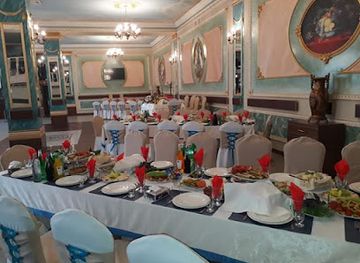
Kapan’s dining scene reflects southern Armenian home cooking more than an elaborate restaurant culture. Menus commonly draw on grilled meats, soups, salads, herbs, cheese, lavash and seasonal vegetables, while dishes such as tolma and khorovats connect everyday meals with wider Armenian traditions. Syunik’s mountain setting also supports a strong interest in locally produced dairy, preserves and foraged or garden-grown ingredients, although offerings vary between establishments and seasons. Cafés and modest restaurants in the central part of town provide practical places for breakfast, coffee and informal meals, while family-run settings may offer a more generous, social style of hospitality. Regional food products make useful provisions for excursions into the valleys. Visitors should expect a relaxed pace, straightforward cooking and cash requirements in smaller venues rather than the highly specialised dining districts found in Yerevan.
-
Restaurant
Grand House Kapan, Armenia HOTEL & ZIPLINE
Experience thrilling adventures and cozy comforts at Grand House Kapan, Armenia's ultimate destination for family fun and relaxation.
12 min walk · 0.9 km from city centre
-
Fast Food
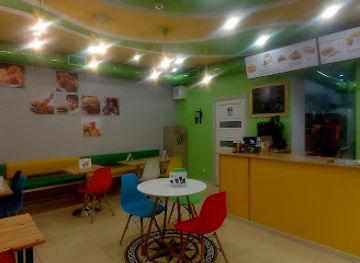
Tasty Corner
Experience the best fast food in Kapan at Tasty Corner—where local flavors meet quick service in a cozy atmosphere.
1 min walk · 0.1 km from city centre
-
Restaurant
Vanatour
Experience authentic Armenian flavors at Vanatour in Kapan – where every dish tells a story.
5 min drive · 1.7 km from city centre
-
Restaurant
Three Ways
Experience authentic Armenian cuisine in Kapan at Three Ways – where tradition meets taste in a welcoming atmosphere.
10 min walk · 0.8 km from city centre
Best bars in Kapan
Kapan’s evening life is modest and locally focused rather than built around large nightclubs or a concentrated entertainment quarter. After dark, residents tend to gather in cafés, restaurants and casual bars in the central areas, where conversations, coffee, Armenian spirits and beer are more characteristic than a late-night club scene. Some venues may present music or televised sport, while cultural events and community performances provide occasional alternatives to drinking-led nightlife. The city becomes quieter beyond the centre, and evening walks are best kept to familiar, well-lit streets. Kapan’s principal attraction after sunset is its atmosphere as a provincial mountain city: social, unhurried and connected to local routines rather than a tourist entertainment circuit. Visitors seeking a broad choice of clubs, international bars or regular live-music venues should set expectations accordingly.
-
Restaurant
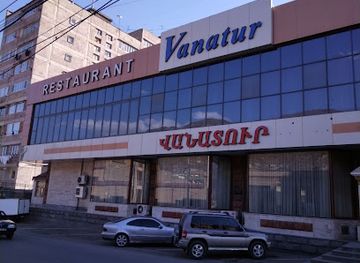
Vanatour
Experience the essence of Armenian cuisine at Vanatour, a delightful restaurant in Kapan offering authentic flavors and a welcoming atmosphere.
5 min drive · 1.7 km from city centre
-
Fast Food
Tasty Corner
Experience the best of fast food at Tasty Corner in Kapan, where delicious flavors meet a welcoming atmosphere.
1 min walk · 0.1 km from city centre
-
Tegal restaurant
Old Kapan
Discover Old Kapan, a charming family restaurant offering authentic Armenian dishes in a cozy setting for unforgettable dining experiences.
1 min walk · 0.1 km from city centre


Best nightclubs in Kapan
Kapan’s evening life is modest and locally focused rather than built around large nightclubs or a concentrated entertainment quarter. After dark, residents tend to gather in cafés, restaurants and casual bars in the central areas, where conversations, coffee, Armenian spirits and beer are more characteristic than a late-night club scene. Some venues may present music or televised sport, while cultural events and community performances provide occasional alternatives to drinking-led nightlife. The city becomes quieter beyond the centre, and evening walks are best kept to familiar, well-lit streets. Kapan’s principal attraction after sunset is its atmosphere as a provincial mountain city: social, unhurried and connected to local routines rather than a tourist entertainment circuit. Visitors seeking a broad choice of clubs, international bars or regular live-music venues should set expectations accordingly.
-
Night club
Fox Show Club
Experience the vibrant nightlife of Kapan at Fox Show Club, where music, dance, and entertainment create unforgettable memories.
16 min drive · 5.2 km from city centre

Best shops in Kapan
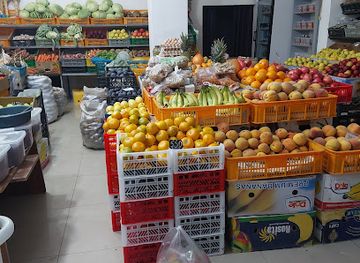
Shopping in Kapan is practical and local, centred on everyday shops, small supermarkets, market trading and independent businesses rather than a major retail district. Visitors can look for Armenian food products such as dried fruit, preserves, honey, cheese and herbs, alongside locally made spirits and other regional provisions, subject to current availability and transport regulations. The market environment is useful for seeing the ordinary rhythm of Syunik commerce, although opening patterns and product selection can change. Traditional Armenian textiles, ceramics and carved objects are more likely to be found through craft sellers or specialist shops than in a dedicated souvenir quarter. For distinctive purchases, ask locally about producers and workshops rather than expecting a large selection of standardised tourist goods. Carrying dram remains useful because smaller retailers and market stalls may not accept cards.
-
Grocery store
Prestige Supermarket
Explore unique local products and flavors at Prestige Supermarket, Kapan's premier grocery destination for travelers seeking authenticity.
4 min walk · 0.4 km from city centre
-
Supermarket
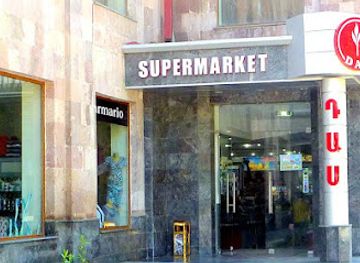
DAS Supermarket
Explore DAS Supermarket in Kapan for a delightful shopping experience filled with local flavors and fresh produce.
10 min walk · 0.8 km from city centre
-
Computer store
Comp City
Discover the latest technology at Comp City in Kapan, Armenia - your one-stop shop for all computer and gadget needs.
1 min walk · 0.1 km from city centre
-
Pharmacy
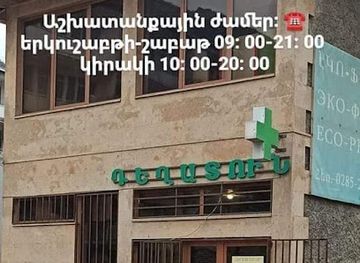
ECO-FARM
Discover the harmony of nature and sustainability at Eco-Farm in Kapan, where organic farming meets local culture and culinary delights.
1 min walk · 0.1 km from city centre
Get your free copy of our complete guide to Kapan, delivered straight to you.
Everything on this page, from attractions and restaurants to essentials and local phrases, in one PDF you can read offline, print or share.
Already have an account? Sign in
Your Kapan guide is ready.
We'll send it to · Not you? Sign out

Getting your guide ready…
We are putting together a fresh copy of the Kapan guide. This can take up to a minute.
This can take a few moments. If your browser asks, choose Allow so the download can start. You'll find the guide in your Downloads folder.
Nothing happened? Download it again
Sorry, the guide is taking longer than usual. Please try again in a minute, or get it by email instead.
Kapan essentials
Currency and Payment
Safety
Emergency Situations
Do's and Don'ts
Local Tips
From Eve
Local phrases worth knowing
You don't need to get them perfect. A few words go a long way, and locals appreciate the effort.
Basics
| English | Local | Say it |
|---|---|---|
| Hello | բարև | [barev] |
| Goodbye | բայց | [bajts] |
| Yes | այո | [ayo] |
| No | ոչ | [voch] |
| Please/You're welcome | խնդրում եմ | [khndrum em] |
| Thank you | շնորհակալ եմ | [shnorhakal em] |
| Excuse me/Sorry | ներգաղթել | [nergaghtel] |
| How are you? | Ինչ լուր ես? | [inch lur es?] |
| Fine. And you? | Լավ. Այսպես ես? | [lav. Ayspes es?] |
| Do you speak English? | Անգլերեն խոսեք? | [angleren khosek?] |
| I don't understand | Ես չհասկանամ | [es chasganam] |
Eating & Drinking
| English | Local | Say it |
|---|---|---|
| I'd like to see the menu, please | Խնդրում եմ աղջիկ տեսնել | [khndrum em aghchik tesnel] |
| I don't eat meat | Ես մեծ չուտեմ | [es mets chutem] |
| Cheers! | Կենսավորիր! | [kensavorir!] |
| I would like to pay, please | Խնդրում եմ վճարել | [khndrum em vcharel] |
Emergencies
| English | Local | Say it |
|---|---|---|
| Help! | Օգնեք! | [ognek!] |
| Go away! | Միացրեք! | [miatsrek!] |
| Call the Police! | Զինվոր կանչեք! | [zinvor kanchek!] |
| Call a doctor! | Բժիշկ կանչեք! | [bzhishk kanchek!] |
| I'm lost | Ես կորցրամ | [es kortsram] |
| I'm ill | Ես հիվանալու եմ | [es hivanalu em] |
Shopping
| English | Local | Say it |
|---|---|---|
| I'd like to buy... | Խնդրում եմ գնել... | [khndrum em gnel...] |
| I'm just looking | Ես միայն դիտում եմ | [es miayn ditum em] |
| How much is it? | Ինչքա՞ն է դիմակը | [inchkan e dimaky] |
| That's too expensive | Դա շատ թանկ է | [da shat tank e] |
| Can you lower the price? | Կարեք գնել արժանակը | [karek gnel arzhanaky] |
Time & Numbers
| English | Local | Say it |
|---|---|---|
| What time is it? | Տեղեկացրեք ժամը | [teghkatsrek zhamy] |
| It's one o'clock | Մեկը է | [meky e] |
| Half past (10) | Կտության առաջ (10) | [kutuyan araj (10)] |
| Morning | Առավոտ | [aravot] |
| Afternoon | Կեսօր | [kesor] |
| Evening | Երեկ | [ereke] |
| Yesterday | Երեկո | [ereko] |
| Today | Այսօր | [aysor] |
| Tomorrow | Վաղը | [vage] |
| 1 | 1 | [1] |
| 2 | 2 | [2] |
| 3 | 3 | [3] |
| 4 | 4 | [4] |
| 5 | 5 | [5] |
| 6 | 6 | [6] |
| 7 | 7 | [7] |
| 8 | 8 | [8] |
| 9 | 9 | [9] |
| 10 | 10 | [10] |
Transport & Directions
| English | Local | Say it |
|---|---|---|
| Where's a/the...? | Այստեղ է ...? | [aysdegh e ...?] |
| What's the address? | Հասցեն ինչ է? | [hascen inch e?] |
| Can you show me (on the map)? | Կարող ես ցուցադրել (քարտեզում)? | [karogh es tsutsadrel (kartezum)?] |
| When's the next (bus)? | Երկուշաբթին ե՞ս է հաջողվում | [yerkushabtin e? es e hajoghvum] |
| A ticket (to ....) | Չգուշակել (մինչև ....) | [chgushakel (minchev ....)] |
History of Kapan
Ancient Syunik and Early Kapan
The Kapan area belongs to historic Syunik, a mountainous region whose communities occupied the valleys and fortified heights of what is now southeastern Armenia. Archaeological evidence across Syunik records settlement, agriculture, metalworking and long-distance connections extending back into antiquity. The name Kapan is associated with the Voghji valley and the surrounding copper-rich mountains, although the settlement’s early history is better understood as part of a wider regional network than as a continuously documented urban centre. Its geography shaped development: the valley offered routes through the mountains, while elevated fortifications provided protection and control over movement between southern Armenia and neighbouring regions.
The Medieval Kingdom of Syunik
During the medieval period, Syunik possessed considerable political importance and at times functioned as an independent Armenian kingdom. Kapan became associated with the kingdom’s political centre in the tenth and eleventh centuries, when the rulers of Syunik governed a territory of mountain valleys and fortified settlements. Monastic foundations such as Vahanavank served religious, educational and cultural purposes as well as expressing the authority of local princes. Fortresses at Baghaberd and nearby heights illustrate the defensive character of medieval Syunik. Repeated conflict with Seljuk forces and other regional powers eventually weakened the kingdom, bringing political changes that reshaped Kapan and its surrounding lands.
Fortresses and Regional Powers
After the decline of the medieval Armenian kingdoms, Syunik passed through the influence of changing regional powers, while its mountain fortresses remained important local strongholds. Baghaberd, traditionally linked with the last rulers of the Syunik kingdom, occupied a commanding position above the Voghji valley; Halidzor later became associated with the Melik-Parsadanyan family and with eighteenth-century Armenian resistance. The region’s difficult terrain allowed local authorities and military leaders to retain influence even as larger empires competed for control of the South Caucasus. This layered history survives in scattered ruins, monastery complexes and the distinctive fortified landscapes around Kapan.
Imperial Rule and Copper Mining
Kapan entered the Russian imperial sphere in the early nineteenth century, following the Russo-Persian conflicts that altered the political map of the Caucasus. From the late nineteenth century onwards, the area’s copper deposits encouraged industrial development and brought new investment, technical expertise and associated settlement into the Voghji valley. Mining became a defining feature of Kapan’s economy and urban character. Roads, administrative institutions and industrial works linked the town more closely with the wider region, while the older religious and fortified sites remained outside the principal modern settlement. The emergence of mining marked the transition from a primarily rural and strategic landscape to an industrial town.
Soviet Kapan and the Modern City
Under Soviet rule, copper mining expanded on an industrial scale and Kapan was reshaped through planned housing, public buildings and infrastructure suited to a growing workforce. The town’s official identity reflected its industrial role, while local institutions preserved the historical memory of Syunik and its Armenian cultural heritage. The twentieth century also connected Kapan with the history of Garegin Nzhdeh, an Armenian military and political figure whose activities in Syunik are remembered in the region. After Armenia restored independence in 1991, Kapan became the administrative centre of Syunik Province. Contemporary Kapan continues to balance the opportunities and pressures of mining with the preservation of its mountain environment and historic inheritance.
Kapan in Photos
Browse through our photo collection highlighting the charm and character of the destination.
Cities near Kapan
The closest cities to Kapan, if you have time for more than one stop.
-

-

-

-

-


Swipe for more cities
Explore more

Explore more of Armenia
Explore Armenia's ancient wonders, vibrant cities, and breathtaking landscapes. From historic monasteries to delicious cuisine, there's something for every traveler.
Explore Armenia