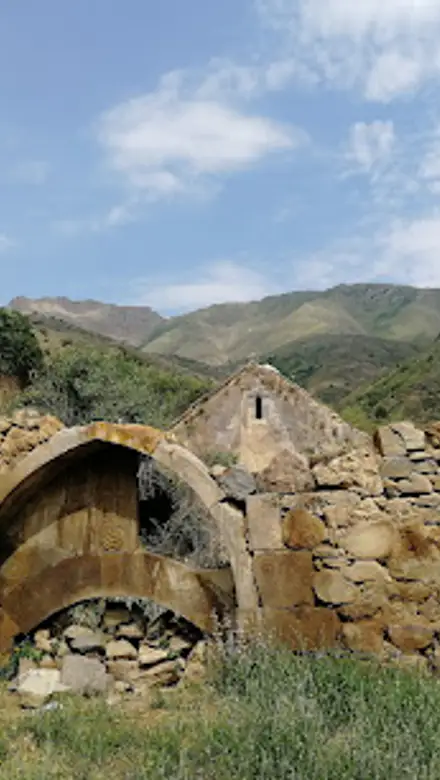
Shativank Travel Guide
Free Guide: Discover Shativank Monastery: A historic Armenian spiritual center with stunning architecture and serene landscapes in Vayots Dzor.


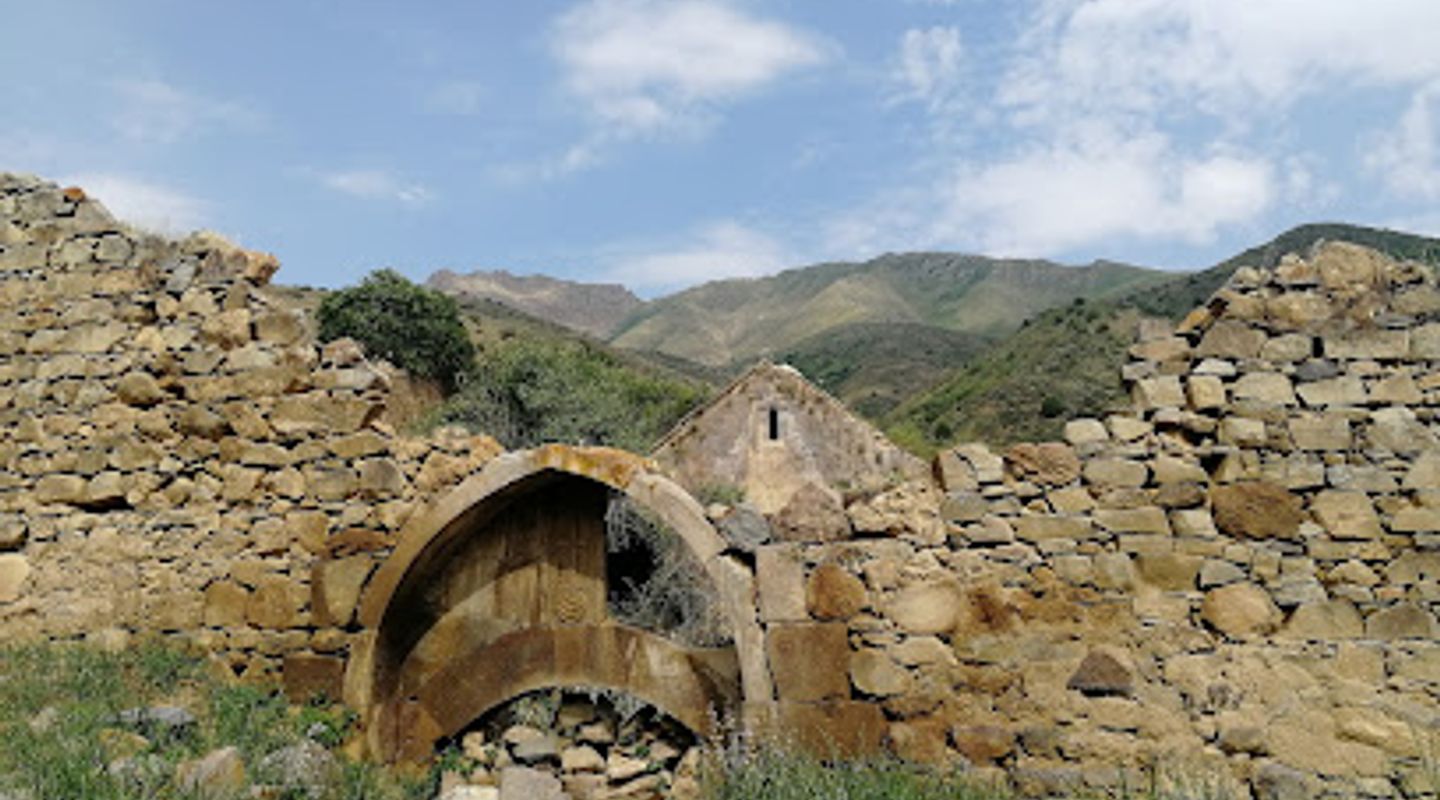
A brief summary of Shativank
Discover Shativank Monastery: A historic Armenian spiritual center with stunning architecture and serene landscapes in Vayots Dzor.
Shativank Monastery, founded in 929 AD, is a striking Armenian church located near Shatin village in the Vayots Dzor region. The three-nave basilica of Saint Sion, rebuilt in 1665, is the only standing structure of the complex today, representing a rich heritage and resilience.
- Address
- R8RG+M6F, Shatin
Getting there
Public Transport
Walking
Car
Discover more about Shativank
Overview
Nestled 4 km east of Shatin village, the historic Shativank Monastery stands as a testament to Armenian faith and architectural prowess. Founded in 929 AD by Prince Smbat, Sahak, and Lady Sophia of Syunik, the monastery was once a vibrant spiritual and cultural center. Today, the main church, the three-nave basilica of Saint Sion, remains the most prominent structure, having been rebuilt in 1665.Shativank's history is rich with monastic life. In its prime, it housed a large community of monks, estimated between 70 and 90 individuals. The monastery also functioned as a hub of learning, with a school, library, and scriptorium within its walls. The grounds were once enclosed by imposing defensive walls, featuring semi-circular pyramids to bolster its defenses.Exploration of the site reveals remnants of its self-sufficient past. Ruins of a dining room, residential chambers, sheds, a spring, a water mill, and wheat barns hint at the daily lives of the monks who once resided here. A sophisticated water system, using clay pipes to transport water from 3 km away, showcases the ingenuity of the monastery's inhabitants.While time has weathered parts of the complex, the enduring Saint Sion Church displays remarkable features. Frescoes adorn the walls of the senior altar, with inscriptions in black Armenian letters depicting scenes such as "Foot Washing," "Vernatoun," and "Stone Throwing". The monastery's location on a hill in a gorge offers stunning views, adding to the serene and spiritual atmosphere.
Evendo Review Centre
 Google
Guest reviews
Explore Shativank on the map
A handpicked selection of must-see spots near Shativank, mapped for you.
Get your free copy of our complete guide to Shativank, delivered straight to you.
Everything on this page, from opening hours and how to get there to Eve’s tips and the best time to go, in one PDF you can read offline, print or share.
Already have an account? Sign in
Your Shativank guide is ready.
We'll send it to · Not you? Sign out

Getting your guide ready…
We are putting together a fresh copy of the Shativank guide. This can take up to a minute.
This can take a few moments. If your browser asks, choose Allow so the download can start. You'll find the guide in your Downloads folder.
Nothing happened? Download it again
Sorry, the guide is taking longer than usual. Please try again in a minute, or get it by email instead.
Other nearby places you may find interesting
The closest places of the same kind, if this one is not quite what you had in mind.
-
-
-
-
-


Swipe for more places
More to explore near Shativank

 Best experiences near Shativank
 Best hotels near Shativank
 Best landmarks near Shativank
 Best attractions near Shativank
 Best shops near Shativank
 Best restaurants near Shativank
 Best bars near Shativank
Do you manage this location?
Take control to get all the benefits, like improved information, better appearance, and stronger visibility across AI-powered discovery.
Explore more

Explore more of Vayots Dzor
Discover Vayots Dzor, Armenia's secret paradise with breathtaking landscapes, ancient monasteries, and a rich winemaking tradition that will enchant every traveler.
Explore Vayots Dzor
Explore more of Armenia
Explore Armenia's ancient wonders, vibrant cities, and breathtaking landscapes. From historic monasteries to delicious cuisine, there's something for every traveler.
Explore Armenia