

Free Vayots Dzor Travel Guide & Mobile App
Explore Vayots Dzor with free travel guides. Discover regional history, expert tips, proposed trips, and audio guides on web or mobile app.


Explore Vayots Dzor’s ancient wine traditions, red-rock monasteries, mountain scenery, spa town of Jermuk and historic Silk Road routes.
Read more about Vayots Dzor
When is the best time to visit Vayots Dzor?
Best: June–August · 22–25°C| Month | High (°C) | Rainfall (mm) |
|---|---|---|
| January | 2 | 30 |
| February | 4 | 30 |
| March | 9 | 40 |
| April | 14 | 40 |
| May | 18 | 50 |
| June (best) | 22 | 40 |
| July (best) | 25 | 30 |
| August (best) | 24 | 30 |
| September | 21 | 30 |
| October | 15 | 30 |
| November | 8 | 30 |
| December | 3 | 30 |
Getting to and around Vayots Dzor
How to get there
Transportation
Top city travel guides in Vayots Dzor
The cities of Vayots Dzor, and the easiest places to base yourself.
-

-


Swipe for more cities
Destinations in Vayots Dzor
Resorts, valleys and scenic spots worth a trip of their own.
-

-

-

-
-
-


Swipe for more destinations
Best attractions in Vayots Dzor
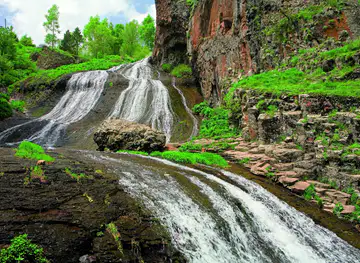
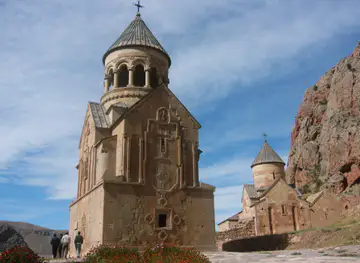
Vayots Dzor’s attractions combine ancient archaeology, medieval architecture, wine culture and mountain scenery. Noravank is the region’s principal heritage destination, set within the red cliffs of the Amaghu Gorge and reached by a dramatic road from the Areni valley. Nearby Areni-1 cave offers an archaeological perspective on prehistoric wine-making, while local wineries provide tastings centred on the Areni grape and other Armenian varieties. Around Yeghegnadzor and Yeghegis, churches, cemeteries and settlement remains reveal the depth of medieval life in the valleys. The hilltop ruins of Smbataberd appeal to visitors interested in fortifications and broad mountain views. Jermuk offers a different atmosphere, with mineral-water traditions, a waterfall and wooded walking routes above the Arpa gorge. Longer excursions can include Orbelian’s Caravanserai on the historic Selim Pass road, as well as caves and upland landscapes where access conditions vary. Hiking, scenic driving, birdwatching and rural guesthouse stays are best approached with realistic planning, since public transport does not reach every attraction and some access roads are rough.
-
Monastery
Noravank
Discover Noravank Monastery: A medieval Armenian treasure nestled in a stunning red-rock canyon, showcasing remarkable architecture and rich history.
-
Monastery
Goshavank Monastery
Discover Goshavank Monastery: A medieval Armenian treasure nestled in the lush forests of Tavush, a center for spirituality, culture, and history.
-
Archaeological museum
Areni-1 Cave
Explore the ancient wonders of Areni-1 Cave, home to the world's oldest winery and a treasure trove of archaeological discoveries in Armenia.
-
Monastery
Kecharis Monastery
Explore a medieval Armenian monastic complex in Tsaghkadzor, featuring stunning architecture and rich history.


Best landmarks in Vayots Dzor
Noravank is Vayots Dzor’s defining architectural landmark, its warm-red stone churches standing against the sheer walls of the Amaghu Gorge. The complex is particularly noted for the finely carved façade of the Surb Astvatsatsin Church and its association with the medieval sculptor and architect Momik. Orbelian’s Caravanserai, built in 1332 on the Selim Pass route, is a substantial stone monument to the merchants and travellers who crossed the mountains between the Armenian highlands and Lake Sevan. The ruins of Smbataberd occupy a commanding ridge above the Yeghegis valley, expressing the defensive importance of elevated sites in medieval Vayots Dzor. In Jermuk, the waterfall and the steep Arpa gorge are natural landmarks closely linked to the town’s spa identity, while the surrounding volcanic ridges give the landscape its strong visual character. Areni-1 cave is less monumental in appearance but highly significant as an archaeological landmark because of its evidence for prehistoric wine production.
-
Monastery
Khor Virap Monastery
Discover Khor Virap Monastery: a historic Armenian pilgrimage site with stunning views of Mount Ararat, steeped in religious significance.
-
Monastery
Noravank
Explore the enchanting Noravank Monastery, an architectural wonder nestled in Armenia's breathtaking red rock landscapes, rich in history and spirituality.
-
Fortress
Amberd fortress
Discover the rich history and breathtaking views at Amberd Fortress, a must-visit historical site in Armenia.
-
Lake
Lake Sevan
Experience the tranquility of Lake Sevan, Armenia's breathtaking highland lake, surrounded by stunning landscapes and rich cultural heritage.


Explore Vayots Dzor on the map
Plan your trip on one map. See where the top cities, national parks and sights are, and book hotels and experiences in a few clicks.
Best hotels in Vayots Dzor
Best restaurants in Vayots Dzor
Dining in Vayots Dzor is closely connected to vineyards, orchards and village hospitality. Around Areni, visitors can find winery tastings and rural meals featuring local cheese, bread, herbs, salads, grilled meats and seasonal produce. Armenian staples such as dolma, khorovats and lavash are common, while the region’s dry climate supports grapes, apricots, peaches and other fruit used fresh, dried or preserved. Jermuk and Yeghegnadzor have the broadest choice of restaurants and cafés, although smaller settlements often rely on guesthouses, family kitchens and pre-arranged meals rather than formal menus. Local wines made from Areni grapes are the defining regional drink, and fruit vodkas or preserves may also appear in rural settings. Farmers’ produce, homemade cheese and jars of preserves make good additions to a meal or picnic, but visitors should confirm arrangements in advance when travelling to remote villages or seeking food outside normal daytime and evening service.
-
Winery
Momik WineCube
Savor family-crafted Armenian wines amid Areni vineyards at Momik WineCube, where stunning mountain views, local pairings, and khachkar artistry create an unforgettable farm-to-bottle immersion.
-
Restaurant
Yasaman Tsaghkadzor's Restaurant
Experience authentic Armenian cuisine in the heart of Tsaghkadzor at Yasaman Restaurant - where tradition meets breathtaking views.
-
Restaurant
Lchak Restaurant Complex
Discover exquisite Armenian cuisine with stunning mountain views at Lchak Restaurant Complex in Yeghegnadzor.
-
Armenian
Pur restaurant
Experience authentic Armenian cuisine at Pur Restaurant in Tsaghkadzor – where every dish tells a story.


Best bars in Vayots Dzor
Nightlife in Vayots Dzor is modest and shaped more by rural hospitality than by clubs. Evening social life centres on restaurants, hotel lounges, winery tasting rooms and traditional pubs in Yeghegnadzor, Jermuk and the larger settlements. In wine-producing villages around Areni, tastings may extend into relaxed evening meals, but these are generally pre-arranged experiences rather than late-night entertainment. Jermuk has the region’s most established visitor infrastructure, including places to enjoy mineral water, coffee or a quiet drink after walking. Yeghegnadzor offers practical cafés and restaurants for travellers staying overnight. There is no large, concentrated nightclub district, and opening arrangements can vary seasonally, so visitors should ask locally rather than rely on assumptions. Live music and celebrations may be encountered at restaurants or private events, but nightlife is best understood as an accompaniment to food, conversation and regional wine rather than a separate entertainment industry.
-
Cocktail bar
DABOO Cocktail Bar
Experience the vibrant nightlife at DABOO Cocktail Bar in Yerevan, where expertly crafted cocktails and a lively atmosphere await.
-
Restaurant
Food Court Yeghegnadzor
Explore the vibrant flavors of Armenia at Food Court Yeghegnadzor, where culinary delights meet a lively atmosphere in the heart of Yeghegnadzor.
-
Bar
Olympia Sanatorium
Discover the serene oasis of Olympia Sanatorium in Jermuk, where wellness meets tranquility amidst stunning natural beauty.
-
Restaurant
Forte restaurant
Experience authentic Armenian cuisine in a charming setting at Forte Restaurant in Jermuk.


Best nightclubs in Vayots Dzor
Nightlife in Vayots Dzor is modest and shaped more by rural hospitality than by clubs. Evening social life centres on restaurants, hotel lounges, winery tasting rooms and traditional pubs in Yeghegnadzor, Jermuk and the larger settlements. In wine-producing villages around Areni, tastings may extend into relaxed evening meals, but these are generally pre-arranged experiences rather than late-night entertainment. Jermuk has the region’s most established visitor infrastructure, including places to enjoy mineral water, coffee or a quiet drink after walking. Yeghegnadzor offers practical cafés and restaurants for travellers staying overnight. There is no large, concentrated nightclub district, and opening arrangements can vary seasonally, so visitors should ask locally rather than rely on assumptions. Live music and celebrations may be encountered at restaurants or private events, but nightlife is best understood as an accompaniment to food, conversation and regional wine rather than a separate entertainment industry.
-
Jazz
Club 12
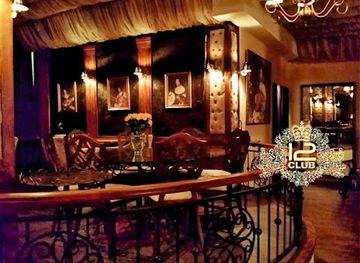
Experience the best of Yerevan with live jazz, delicious cuisine, and a vibrant atmosphere at Club 12, the heart of Armenia's music scene.
-
Night club
Omega
Discover the heart of Yerevan's nightlife at Omega Night Club – a vibrant hub for live music and thrilling experiences.
-
Rock music club
Stop Club
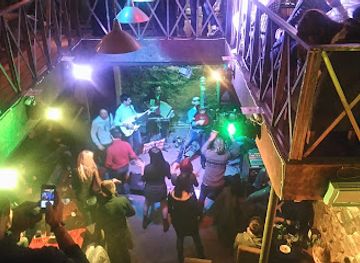
Visit Stop Club in Yerevan for an unforgettable rock music experience featuring talented local artists and an electric nightlife atmosphere.
-
Night club
Burlesque Club
Discover the vibrant nightlife and captivating performances at Burlesque Club, the ultimate destination for entertainment in Yerevan.


Best shops in Vayots Dzor
Shopping in Vayots Dzor is primarily local and food-oriented rather than centred on large retail complexes. Yeghegnadzor and Jermuk provide the most useful high-street shops, pharmacies and everyday supplies, while village stalls and roadside sellers offer seasonal fruit, walnuts, dried produce, herbs and preserves. Around Areni, the most characteristic purchases are locally made wine, grape products and regional foods, although bottles should be packed carefully for onward travel. Guesthouses and small producers may also sell homemade cheese, fruit leather, honey and dried fruits. Craft shopping is limited but can include ceramics, woven goods, woodwork and small religious or decorative items, particularly near major monasteries and cultural sites. Visitors should distinguish between genuinely local products and generic souvenirs and should not remove stones, pottery fragments or archaeological material from historic locations. Carry cash when shopping in villages, as small producers may not accept cards.
-
Gift shop
Vernissage
Explore Vernissage, Yerevan's vibrant market of handicrafts and cultural treasures, showcasing the essence of Armenian artistry and tradition.
-
Monastery
Gndevank
Explore Gndevank Monastery, a serene sanctuary of Armenian spirituality surrounded by breathtaking orchards and rich history.
-
Shopping mall
Multi Magic Mall
Explore the vibrant Multi Magic Mall in Verin Ptghni, featuring shops, dining, and entertainment for an unforgettable shopping experience.
-
Clothing store
Օժիտ խանութ սրահ Եղեգնաձորում
Explore a delightful clothing store in Yeghegnadzor, offering trendy styles and a unique shopping experience in Armenia.


Get your free copy of our complete guide to Vayots Dzor, delivered straight to you.
Everything on this page, from attractions and restaurants to essentials and local phrases, in one PDF you can read offline, print or share.
Already have an account? Sign in
Your Vayots Dzor guide is ready.
We'll send it to · Not you? Sign out

Getting your guide ready…
We are putting together a fresh copy of the Vayots Dzor guide. This can take up to a minute.
This can take a few moments. If your browser asks, choose Allow so the download can start. You'll find the guide in your Downloads folder.
Nothing happened? Download it again
Sorry, the guide is taking longer than usual. Please try again in a minute, or get it by email instead.
Vayots Dzor essentials
Currency and Payment
Safety
Emergency Situations
Do's and Don'ts
Local Tips
From Eve
Local phrases worth knowing
You don't need to get them perfect. A few words go a long way, and locals appreciate the effort.
Basics
| English | Local | Say it |
|---|---|---|
| Hello | Բարև | [Barev] |
| Goodbye | Ցտեսություն | [Tstesutyun] |
| Yes | Այո | [Ayo] |
| No | Ոչ | [Voch] |
| Please/You're welcome | Խնդրում եմ/Բարի գալուստ | [Khndrum yem/Bari galust] |
| Thank you | Շնորհակալություն | [Shnorhakalutyun] |
| Excuse me/Sorry | Ներեցեք | [Neretseq] |
| How are you? | Ինչպե՞ս եք | [Inchpes ek] |
| Fine. And you? | Լավ եմ։ Իսկ դու՞ | [Lav yem. Isk du?] |
| Do you speak English? | Անգլերեն խոսո՞ւմ եք | [Angleren khosum ek?] |
| I don't understand | Ես չեմ հասկանում | [Yes chem haskanum] |
Eating & Drinking
| English | Local | Say it |
|---|---|---|
| I'd like to see the menu, please | Կցանկանայի տեսնել մենյուն, խնդրում եմ | [Ktsankani tesnel menyun, khndrum yem] |
| I don't eat meat | Ես միս չեմ ուտում | [Yes mis chem utum] |
| Cheers! | Առողջություն! | [Aroghjutyun!] |
| I would like to pay, please | Կցանկանայի վճարել, խնդրում եմ | [Ktsankani vjarel, khndrum yem] |
Emergencies
| English | Local | Say it |
|---|---|---|
| Help! | Օգնեք! | [Ognak!] |
| Go away! | Գնացեք! | [Gnatsyek!] |
| Call the Police! | Զանգահարեք ոստիկանություն! | [Zangaharek vostikanutyun!] |
| Call a doctor! | Զանգահարեք բժիշկի! | [Zangaharek bjishki!] |
| I'm lost | Ես կորել եմ | [Yes korel yem] |
| I'm ill | Ես հիվանդ եմ | [Yes hivand yem] |
Shopping
| English | Local | Say it |
|---|---|---|
| I'd like to buy... | Կցանկանայի գնել... | [Ktsankani gnel...] |
| I'm just looking | Ես պարզապես նայում եմ | [Yes parzapes nayum yem] |
| How much is it? | Սա որքան արժե? | [Sa vorqan arje?] |
| That's too expensive | Այն շատ թանկ է | [Ayn shat tank e] |
| Can you lower the price? | Կարո՞ղ եք իջեցնել գինը | [Karo?gh ek ijetsnel giny] |
Time & Numbers
| English | Local | Say it |
|---|---|---|
| What time is it? | Ո՞ր ժամն է | [Vor jamn e?] |
| It's one o'clock | Մի ժամ է | [Mi jam e] |
| Half past (10) | Ածնային 10։30 | [Atsnaim 10:30] |
| Morning | Առավոտ | [Aravot] |
| Afternoon | Ցերեկ | [Tserk] |
| Evening | Երեկո | [Yereko] |
| Yesterday | Երեկ | [Yerek] |
| Today | Այսօր | [Aysor] |
| Tomorrow | Վաղը | [Vaghy] |
| 1 | 1 | [1] |
| 2 | 2 | [2] |
| 3 | 3 | [3] |
| 4 | 4 | [4] |
| 5 | 5 | [5] |
| 6 | 6 | [6] |
| 7 | 7 | [7] |
| 8 | 8 | [8] |
| 9 | 9 | [9] |
| 10 | 10 | [10] |
Transport & Directions
| English | Local | Say it |
|---|---|---|
| Where's a/the...? | Որտե՞ղ է ... | [Vortegh e ...?] |
| What's the address? | Ինչ է հասցեն? | [Inch e hascen?] |
| Can you show me (on the map)? | Կարո՞ղ եք ցույց տալ (քարտեզի վրա)? | [Karo?gh ek tsuyc tal (kardzi vra)?] |
| When's the next (bus)? | Երբ է հաջորդ (ավտոբուսը)? | [Yerb e hajord (avtobusy)?] |
| A ticket (to ....) | Մի տոմս (կարևոր տեղ)? | [Mi t'oms (karevor tegh)?] |
History of Vayots Dzor
Prehistoric Wine-Making at Areni-1
Areni-1 cave, in the valley near the village of Areni, preserves evidence of a wine-making installation dating to approximately 4000 BCE. Archaeologists found a wine press, fermentation vessels, storage jars and other remains associated with the production of fermented grape drink. The discovery is important not simply because it is ancient, but because it demonstrates an organised agricultural and technological tradition in a landscape still associated with viticulture today. The cave also yielded human remains and other material reflecting the ritual and domestic life of prehistoric communities in the region.
Bronze and Iron Age Mountain Communities
Vayots Dzor contains numerous traces of settlement, burial and fortified occupation from the Bronze and Iron ages. Communities used the region’s valleys for cultivation and pasture while controlling routes across the surrounding highlands. Stone monuments, archaeological sites and later fortification locations reflect a landscape in which access to water, defensible hills and long-distance routes mattered greatly. Although many remains are best understood through archaeological study rather than monumental ruins, they establish the antiquity of settlement in a region whose strategic geography continued to shape its history.
Christian Armenia and Medieval Monastic Culture
After Armenia adopted Christianity in the early fourth century, religious foundations became central to the cultural and architectural history of Vayots Dzor. Monasteries served as places of worship, education, manuscript production and local administration. Noravank, founded in a dramatic gorge and expanded during the medieval period, became an important centre associated with the architect and sculptor Momik. Churches and monastic remains at Yeghegis and elsewhere demonstrate how Christianity was embedded in village life, while their surviving inscriptions preserve evidence of medieval patrons and communities.
The Orbelian Princes and the Selim Pass Route
During the thirteenth and fourteenth centuries, the Orbelian princely family exercised considerable influence in Vayots Dzor. Their power was connected to the region’s valleys, fortresses and monasteries, including Noravank. Trade routes crossed the mountains towards Lake Sevan and beyond, linking the Armenian highlands with wider networks of merchants and travellers. Orbelian’s Caravanserai, built in 1332 on the Selim Pass route, provided shelter for travellers and pack animals. Its substantial stone structure remains one of the clearest reminders of medieval overland commerce in the region.
Persian, Ottoman and Russian Imperial Borderlands
For centuries, Vayots Dzor lay within a contested zone influenced by Persian and Ottoman power, local Armenian communities and shifting regional administrations. Warfare, taxation and population movements affected settlements and agricultural life, while monasteries and fortified positions continued to mark older patterns of authority. In the nineteenth century, the area came under Russian imperial rule following the Russo-Persian conflicts and subsequent treaties. Administrative change brought Vayots Dzor more firmly into the political framework that later shaped modern Armenia.
Soviet Development and the Rise of Jermuk
Under Soviet rule, the region’s economy and infrastructure were reorganised, with greater emphasis on roads, collective agriculture and mineral-water development. Jermuk was developed as a health resort based on its naturally carbonated and mineral-rich springs, and sanatoriums, hotels and public facilities transformed the town. The spa tradition remains visible in Jermuk’s architecture and visitor culture, although it now exists alongside hiking, nature tourism and domestic travel. The Soviet period also left a lasting mark on the region’s settlement patterns and built environment.
Modern Wine Revival and Rural Tourism
Since Armenia regained independence, Vayots Dzor has gained renewed attention for its indigenous grape varieties, archaeological heritage and small-scale wine production. Producers around Areni have combined traditional cultivation with modern cellar techniques, while archaeological discoveries have strengthened the region’s reputation as one of the world’s oldest wine landscapes. Tourism has gradually expanded around Noravank, Jermuk, Areni-1 and rural guesthouses. This development remains relatively low-density, allowing agricultural work, family hospitality and heritage preservation to remain central to the visitor experience.
Vayots Dzor in Photos
Browse through our photo collection highlighting the charm and character of the destination.
Neighbouring regions of Vayots Dzor
The closest regions to Vayots Dzor, if you have time for more than one.
-
-

-
-

-


Swipe for more regions
Explore more

Explore more of Armenia
Explore Armenia's ancient wonders, vibrant cities, and breathtaking landscapes. From historic monasteries to delicious cuisine, there's something for every traveler.
Explore Armenia