

Igls (Innsbruck) Travel Guide - Free
Explore Igls in Innsbruck with Evendo's free guide. Find the best shops, historic streets, restaurants, and gems on web or mobile.


Igls in Innsbruck pairs Tyrolean village life with Patscherkofel hiking, skiing, mountain views, historic churches and easy tram access to the city.
A Village on Innsbruck’s Southern Plateau
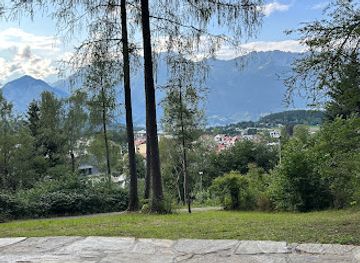
Igls sits on a sunny terrace south of Innsbruck, where the urban landscape gives way to meadows, coniferous woodland and broad views towards the Nordkette. Although administratively part of Innsbruck, it retains the atmosphere of a Tyrolean mountain village, with traditional houses, a parish church, small local businesses and quiet residential lanes. The centre lies at the foot of Patscherkofel, the mountain whose wooded slopes and high grassy ridges shape the neighbourhood’s identity.Read more about Igls
Mountain Access and Olympic Heritage
Quiet Streets, Open Landscapes
Best attractions in Igls
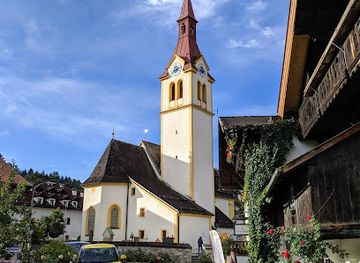
Igls’s principal attractions are landscape-based and closely tied to Patscherkofel. The Patscherkofelbahn provides access to hiking terrain in summer and skiing facilities in winter, with views across the Inn valley and towards the Nordkette when weather is clear. Lower down, the village centre offers a quieter experience of Tyrolean architecture, local lanes and the parish church of Saint Giles. The route towards Heiligwasser leads through woodland and open mountain scenery to a historic pilgrimage destination above Igls. Olympic history adds another layer: the nearby bobsleigh and luge track and the ski slopes evoke the Winter Games held in Innsbruck in 1964 and 1976. Walkers can also follow rural paths towards the neighbouring plateau settlements, although these should be treated as excursions beyond Igls rather than as urban attractions within the village.
-
Tourist attraction
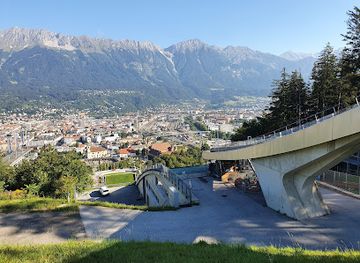
Bergisel Ski Jump
Experience the thrill of the Bergisel Ski Jump, an iconic landmark in Innsbruck, offering stunning views and a rich history in winter sports.
6 min drive · 2.2 km from neighbourhood centre
-
Mountain cable car
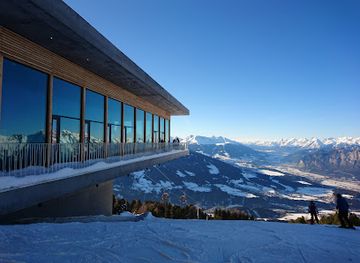
Patscherkofelbahn
Experience breathtaking views and outdoor adventure at the Patscherkofelbahn, your gateway to the stunning Tyrolean Alps near Innsbruck.
5 min drive · 1.6 km from neighbourhood centre
-
Park
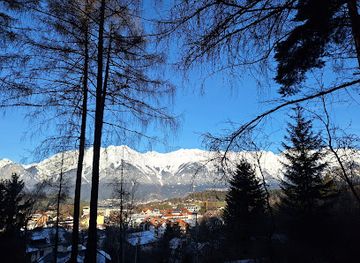
Kurpark
Discover the serene beauty of Kurpark in Innsbruck, a perfect haven for relaxation amid stunning mountain views and lush landscapes.
4 min walk · 0.3 km from neighbourhood centre
-
Park
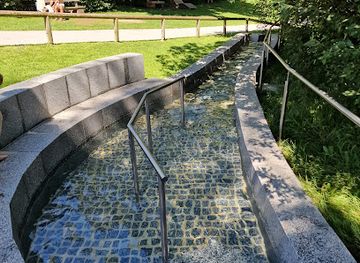
Kneipp Anlage
Experience the healing power of nature at Kneipp Anlage, a serene park in Innsbruck offering therapeutic water treatments and lush landscapes.
1 min walk · 0.1 km from neighbourhood centre
Best landmarks in Igls
The parish church of Saint Giles is Igls’s clearest historic landmark, anchoring the village centre and expressing its origins as a separate rural community. The Patscherkofelbahn is another defining structure, marking the point where the settled plateau meets the mountain landscape and linking present-day recreation with the area’s long history of alpine access. Above the village, Heiligwasser is both a pilgrimage site and a cultural landscape landmark, associated with devotional journeys through the forest and mountain pastures. The nearby bobsleigh and luge track represents Igls’s Olympic-era transformation and remains a substantial reminder of the infrastructure created for Innsbruck’s 1964 and 1976 Winter Games. Traditional farmhouses, meadows and wooded slopes complete the local landmark ensemble, even where individual buildings are less famous than the surrounding landscape.
-
Park
Kurpark
Experience the serene beauty of Kurpark in Innsbruck, a perfect blend of nature, tranquility, and stunning alpine views.
4 min walk · 0.3 km from neighbourhood centre
-
Church
Pfarre Igls/Vill
Explore the tranquil beauty of Pfarre Igls/Vill, a charming church in Innsbruck nestled amidst breathtaking Alpine landscapes.
1 min walk · 0.1 km from neighbourhood centre
-
Chamber of Commerce
Kunstwerkstall Igls
Explore the vibrant artistic scene at Kunstwerkstall Igls, a hub for local crafts, culture, and creativity in the heart of the Tyrolean Alps.
1 min walk · 0.1 km from neighbourhood centre
-
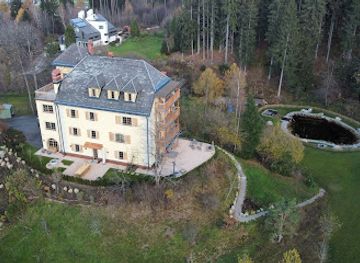
Historical landmark
Hohenburg
Discover the charm of Hohenburg, a historic landmark near Innsbruck that offers a unique glimpse into Austria's rich past amidst stunning natural beauty.
8 min walk · 0.6 km from neighbourhood centre
Explore Igls on the map
A handpicked selection of must-see spots in Igls, mapped for you.
Best hotels in Igls
Best restaurants in Igls
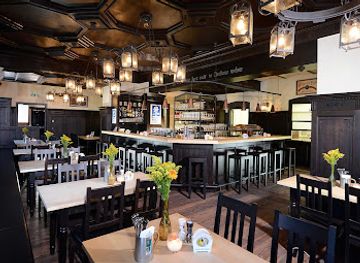
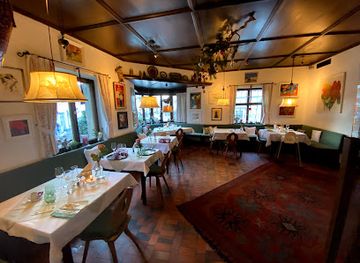
Dining in Igls is shaped by its village setting and mountain position rather than by a dense restaurant quarter. Visitors find the traditional Tyrolean pattern of inns, cafés and mountain establishments, where menus commonly draw on the wider regional repertoire of dumplings, soups, alpine dairy products, game when available and hearty seasonal cooking. The most characteristic settings are around the village and along routes towards Patscherkofel and Heiligwasser, where a meal or refreshment can form part of a walking or skiing day. Options are generally more limited and spread out than in central Innsbruck, so it is sensible to check opening arrangements, particularly outside the main seasons. The city’s broader dining scene remains easy to reach by tram, while Igls itself suits visitors looking for a mountain meal, a café stop or a traditional inn atmosphere rather than late-night gastronomic variety.
-
Austrian
Bierstindl
Experience the best of Austrian cuisine and performing arts at Bierstindl in Innsbruck - where every meal comes with a show!
7 min drive · 2.4 km from neighbourhood centre
-
Austrian
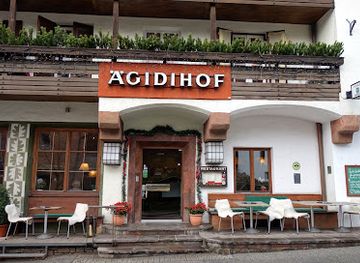
Landgasthaus Ägidihof
Experience authentic Austrian cuisine at Landgasthaus Ägidihof in Innsbruck – a must-visit for food lovers seeking local flavors.
1 min walk · 0.1 km from neighbourhood centre
-
Restaurant
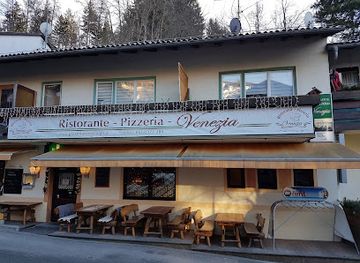
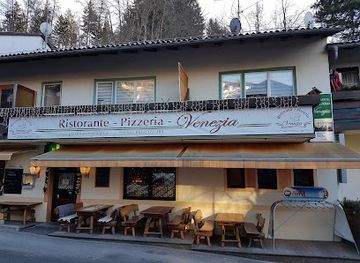
Pizzeria Venezia Igls
Experience authentic Italian flavors at Pizzeria Venezia Igls, where every dish tells a story and every bite delights.
2 min walk · 0.2 km from neighbourhood centre
-
Restaurant
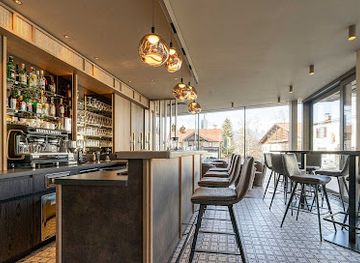
Das Hausberg Restaurant
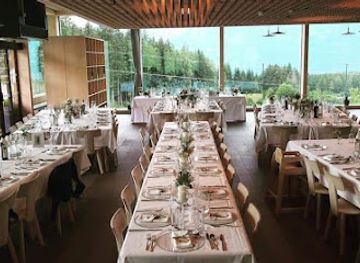
Experience authentic Austrian cuisine with stunning alpine views at Das Hausberg Restaurant in Igls.
5 min drive · 1.6 km from neighbourhood centre
Best bars in Igls
Igls has a modest evening scene centred on village inns, hotel lounges and mountain-oriented hospitality rather than dedicated nightclubs. After a day on Patscherkofel, visitors may find a relaxed drink or regional meal in a traditional establishment, but the neighbourhood generally becomes quiet earlier than central Innsbruck. Evening activity is most noticeable during the ski season and around weekends, while summer tends to favour terrace dining and low-key gatherings rather than organised nightlife. The absence of a concentrated bar district is part of Igls’s residential character. Travellers seeking live music, cocktail bars or clubs should continue into Innsbruck, using the public-transport network where services are running and taking care not to disturb residents when returning to the village.
-
Austrian
Landgasthaus Ägidihof
Experience authentic Austrian cuisine at Landgasthaus Ägidihof in Innsbruck, where hearty flavors meet stunning alpine views.
1 min walk · 0.1 km from neighbourhood centre
-
Restaurant
Pizzeria Venezia Igls
Experience authentic Italian cuisine at Pizzeria Venezia Igls, where every dish is crafted with passion and tradition.
2 min walk · 0.2 km from neighbourhood centre
-
Fruit parlor
Platzl-Igls
Experience the vibrant flavors of fresh fruits at Platzl-Igls, a unique fruit parlor nestled in the scenic beauty of Innsbruck, Austria.
1 min walk · 0.1 km from neighbourhood centre
-
Bar
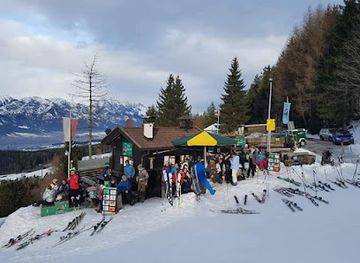
TeeHüttn - die kleinste Skihütte
Discover TeeHüttn, the smallest ski hut in Innsbruck, offering cozy drinks and stunning mountain views in a charming alpine setting.
6 min drive · 2.0 km from neighbourhood centre
Best shops in Igls
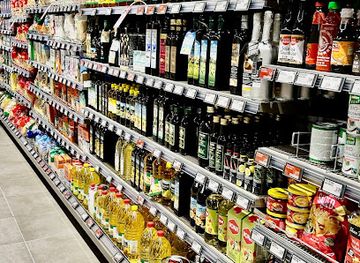
Shopping in Igls is limited and practical, reflecting its village scale rather than a specialist retail identity. Small local businesses and hospitality establishments serve everyday needs, while visitors may find regional food products or Tyrolean souvenirs through inns, cafés and seasonal mountain-area commerce. The main reason to shop here is usually functional—provisions for a walk, ski day or stay—rather than browsing a continuous line of boutiques. For larger supermarkets, department stores, independent design shops and specialist retail, central Innsbruck offers far greater choice and is connected by tram line 6. Visitors should avoid assuming that mountain destinations maintain city-style opening hours, especially outside the winter and summer seasons, and should buy essential supplies before heading higher towards Patscherkofel.
-
Supermarket
Spar Igls
Explore the flavors of Tyrol at Spar Igls, your local supermarket for authentic Austrian products and fresh regional groceries.
2 min walk · 0.2 km from neighbourhood centre
-
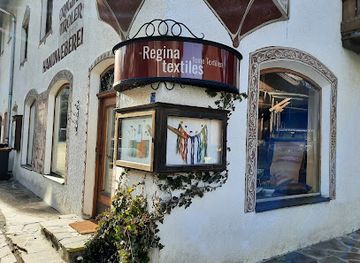
Gift shop
Original Tiroler Handweberei
Explore the charm of Tirol through handcrafted textiles at Original Tiroler Handweberei, your destination for unique gifts and local artistry.
2 min walk · 0.2 km from neighbourhood centre
Igls essentials
Getting There
Getting Around
Safety
Emergency Situations
Do's and Don'ts
Local Tips

From Eve
Local phrases worth knowing
You don't need to get them perfect. A few words go a long way, and locals appreciate the effort.
Basics
| English | Local | Say it |
|---|---|---|
| Hello | Servus | [Ser-voos] |
| Goodbye | Auf Wiedersehen | [Owf Vee-der-zay-en] |
| Yes | Ja | [Yah] |
| No | Nein | [Nine] |
| Please/You're welcome | Bitte | [Bit-teh] |
| Thank you | Danke | [Dank-eh] |
| Excuse me/Sorry | Entschuldigung | [Ent-shool-dee-gung] |
| How are you? | Wie geht es dir? | [Vee gate ess deer?] |
| Fine. And you? | Gut. Und dir? | [Goot. Oond deer?] |
| Do you speak English? | Sprechen Sie Englisch? | [Spreck-en Zee En-gleesh?] |
| I don't understand | Ich verstehe nicht | [Eek fair-shtay-eh nikht] |
Eating & Drinking
| English | Local | Say it |
|---|---|---|
| I'd like to see the menu, please | Ich hätte gerne die Speisekarte, bitte | [Eek heh-te gehr-neh dee Shpy-ze-kar-teh, bit-teh] |
| I don't eat meat | Ich esse kein Fleisch | [Eek ess-eh kine Fly-sh] |
| Cheers! | Prost! | [Prohst] |
| I would like to pay, please | Ich möchte bitte bezahlen | [Eek mehrk-teh bit-teh beh-tzah-len] |
Emergencies
| English | Local | Say it |
|---|---|---|
| Help! | Hilfe! | [Hil-fuh] |
| Go away! | Geh weg! | [Geh vehg] |
| Call the Police! | Rufen Sie die Polizei! | [Roo-fen Zee dee Po-lee-tsy] |
| Call a doctor! | Rufen Sie einen Arzt! | [Roo-fen Zee I-nen Ahrts] |
| I'm lost | Ich habe mich verirrt | [Eek hah-beh meeh fair-eert] |
| I'm ill | Ich bin krank | [Eek been kr-ank] |
Shopping
| English | Local | Say it |
|---|---|---|
| I'd like to buy... | Ich möchte kaufen... | [Eek mehrk-teh kow-fen...] |
| I'm just looking | Ich schaue nur | [Eek sh-ow-eh noor] |
| How much is it? | Wie viel kostet das? | [Vee feel kohs-tet dahs?] |
| That's too expensive | Das ist zu teuer | [Dahs ist tsoo toy-er] |
| Can you lower the price? | Können Sie den Preis senken? | [Kern-en Zee den Preis senk-en?] |
Time & Numbers
| English | Local | Say it |
|---|---|---|
| What time is it? | Wie spät ist es? | [Vee shpayt ist ess?] |
| It's one o'clock | Es ist ein Uhr | [Ess ist iyn oor] |
| Half past (10) | Halb elf | [Halb elf] |
| Morning | Morgen | [Mor-gen] |
| Afternoon | Nachmittag | [Nahch-mit-tahg] |
| Evening | Abend | [Ah-bend] |
| Yesterday | Gestern | [Ges-tern] |
| Today | Heute | [Hoy-teh] |
| Tomorrow | Morgen | [Mor-gen] |
| 1 | Eins | [Iyns] |
| 2 | Zwei | [Tzvey] |
| 3 | Drei | [Dry] |
| 4 | Vier | [Feer] |
| 5 | Fünf | [Fuhnf] |
| 6 | Sechs | [Zeks] |
| 7 | Sieben | [Zee-ben] |
| 8 | Acht | [Acht] |
| 9 | Neun | [Noy-n] |
| 10 | Zehn | [Tzayn] |
Transport & Directions
| English | Local | Say it |
|---|---|---|
| Where's a/the...? | Wo ist ein/der...? | [Voh ist iyn/dehr] |
| What's the address? | Was ist die Adresse? | [Vahs ist dee Ah-dres-seh] |
| Can you show me (on the map)? | Können Sie mir das zeigen (auf der Karte)? | [Kern-en Zee meer dahs tzie-gen (ouf dehr Kar-teh)] |
| When's the next (bus)? | Wann kommt der nächste (Bus)? | [Vahn kommt dehr nek-steh (Boos)] |
| A ticket (to ....) | Eine Fahrkarte (nach ....) | [I-nuh Fahr-kar-teh (nahch)] |
History of Igls
A Rural Settlement Above Innsbruck
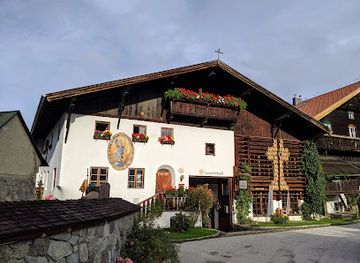
Igls developed as a rural settlement on the plateau south of Innsbruck, where farming, woodland and access to the mountain pastures shaped daily life. Its parish church, dedicated to Saint Giles, reflects the religious structure of the historic village, while the traditional houses and farm buildings in the centre preserve the scale of an alpine community rather than an urban suburb. The settlement’s position above the Inn valley also gave it a distinct relationship with Innsbruck: close enough for trade and administration, but separated by rising ground, fields and wooded slopes.
The Railway Connection to Igls
The arrival of the Innsbruck–Igls railway at the beginning of the twentieth century changed the village’s relationship with the city. The line, now associated with tram route 6, made the plateau more accessible for residents, visitors and mountain excursions, while retaining a route valued for its landscape and gradual climb from the urban basin. Improved transport encouraged Igls to develop beyond agriculture, with inns and leisure facilities serving people seeking cleaner air and access to the surrounding countryside.
From Mountain Resort to Olympic Venue
Igls became increasingly associated with organised mountain recreation during the twentieth century. The Patscherkofel area gained international visibility when Innsbruck hosted the Winter Olympics in 1964 and again in 1976, with alpine skiing taking place on the mountain and sliding-sport facilities established nearby. These events brought major infrastructure and a long-lasting sporting identity to a landscape that had previously been experienced mainly through farming, local tourism and seasonal recreation.
Incorporation into Innsbruck
Igls became part of the municipality of Innsbruck in 1942, bringing the village formally into the city while leaving its separate settlement character evident on the ground. Later development added residential areas, hotels and leisure facilities, but Igls did not become a continuous urban district like the neighbourhoods in the valley. Its contemporary identity consequently rests on a balance between municipal belonging and village-scale life, with the tram, mountain railway and road links connecting it to Innsbruck’s wider economy and cultural institutions.
Igls in Photos
Browse through our photo collection highlighting the charm and character of the destination.
Neighbourhoods near Igls
The closest neighbourhoods to Igls, if you have time for more than one stop.
-

-


Swipe for more neighbourhoods
Explore more

Explore more of Innsbruck
Innsbruck blends Alpine scenery, imperial history and Olympic heritage, with mountain cable cars, medieval streets, Tyrolean cuisine and outdoor culture.
Explore Innsbruck