Museum St. Anton am Arlberg: A Journey Through Skiing History
Discover the captivating history of alpine skiing and the cultural heritage of St. Anton am Arlberg at this engaging museum, nestled in the elegant Villa Trier.
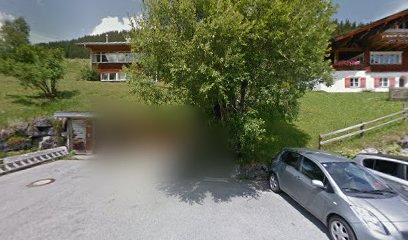
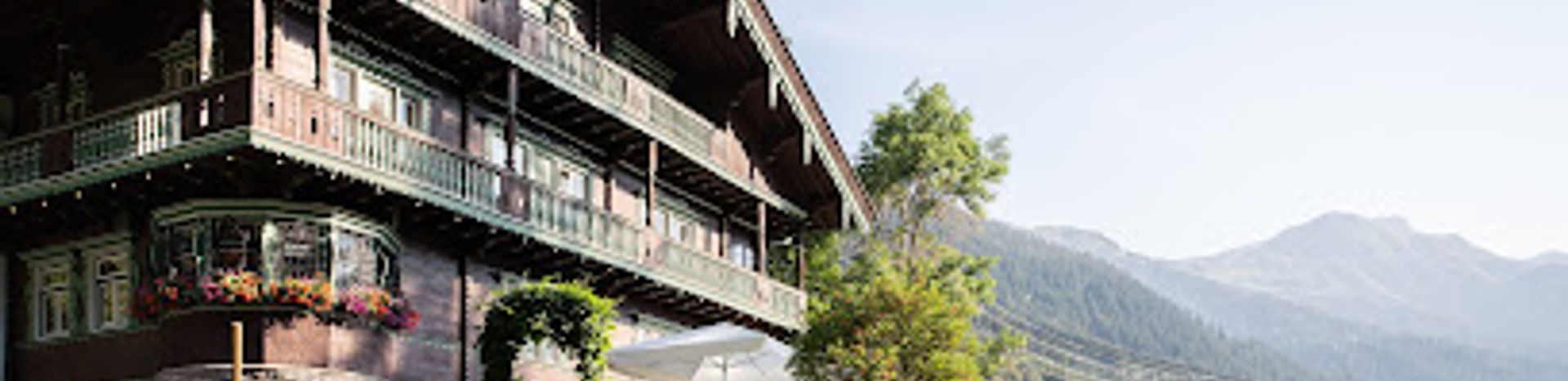
The Museum St. Anton am Arlberg, nestled in the charming Villa Trier, offers a captivating journey through the history of skiing and the development of the renowned alpine resort. Located in St. Anton, considered the 'cradle of alpine skiing,' the museum showcases the evolution of winter sports, the region's cultural heritage, and the impact of tourism. Visitors can explore exhibits featuring historical artifacts, photographs, and interactive displays, providing insights into the lives of local pioneers and the traditions that have shaped the area. The museum also highlights the construction of the Arlberg railway and tunnel, a pivotal moment in the region's transformation. With its blend of history, culture, and interactive experiences, the Museum St. Anton am Arlberg provides an enriching and memorable visit for all ages, complemented by an on-site restaurant serving delicious local cuisine.
A brief summary to Museum St. Anton am Arlberg
- Rudi-Matt-Weg 10, St Anton am Arlberg, 6580, AT
- +4354462475
- Visit website
Local tips
- Visit during the weekdays to avoid larger crowds and enjoy a more intimate experience with the exhibits.
- Check the museum's calendar for temporary exhibitions or special guided tours that offer unique insights.
- Allow at least two hours to fully appreciate the museum's extensive collection and interactive displays.
- Combine your visit with a meal at the on-site restaurant to savor authentic Tyrolean cuisine.
- Take a walk through the surrounding Alpine parklands for scenic views and a tranquil post-museum stroll.

Getting There
-
Walking
From the St. Anton am Arlberg train station or the main bus terminal, the museum is approximately a 10-15 minute walk. Head east on Dorfstraße, then turn right onto Rudi-Matt-Weg. The museum will be on your left, housed in the Villa Trier. The walk is moderately uphill.
-
Public Transport
Local buses operate within St. Anton, with several routes stopping near the museum. Check local bus schedules for the most convenient route and stop closest to Rudi-Matt-Weg. Bus services within St. Anton are generally free. If arriving from neighboring villages, regional bus lines may incur a fare, typically around €3-5.
-
Taxi/Ride-Share
Taxis are readily available in St. Anton. A taxi ride from the train station or a central location in the village to the museum will take approximately 5-10 minutes and cost around €15-€20. Ride-sharing services are not widely available in St. Anton.
-
Driving
If driving, follow signs to St. Anton and then to the Galzigbahn. The museum is located near the Galzigbahn valley station. Limited short-term parking is available along Rudi-Matt-Weg. Alternatively, park in one of the public parking areas in St. Anton, such as the Rendl car park or the Nasserein car park, and walk to the museum. Parking fees in these lots are approximately €7 per day for cars.
Discover more about Museum St. Anton am Arlberg
Iconic landmarks you can’t miss

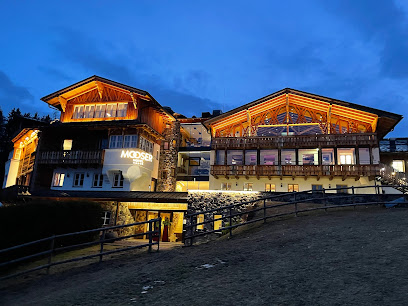
MooserWirt - wahrscheinlich die schlechteste Skihütte am Arlberg
0.3 km
Discover MooserWirt in St. Anton am Arlberg, where traditional Austrian cuisine meets a lively après-ski atmosphere amidst breathtaking alpine views.
Tourismusverband St. Anton am Arlberg
0.3 km
Explore St. Anton am Arlberg: A stunning destination for skiing, hiking, and vibrant alpine culture in the heart of Austria.
Arlberg WellCom
0.4 km
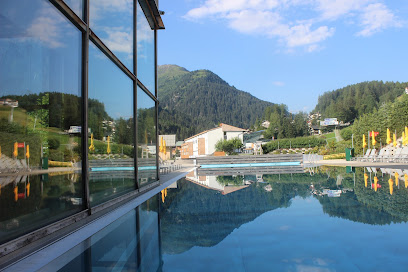
Discover the ultimate sports complex at Arlberg WellCom in St. Anton am Arlberg, blending fitness, wellness, and breathtaking alpine views.
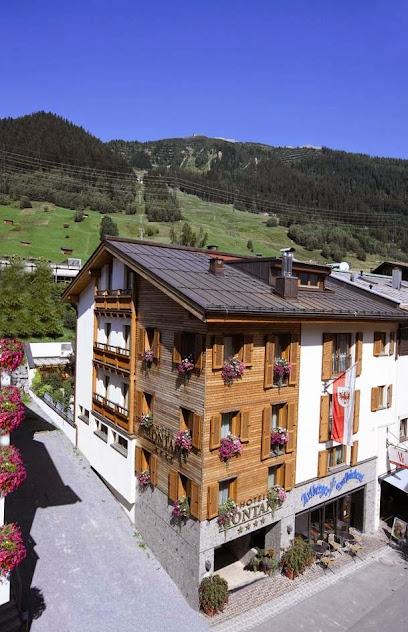
Hotel Montana
0.5 km
Experience alpine elegance at Hotel Montana in St. Anton am Arlberg: where Tyrolean tradition meets modern luxury, offering unparalleled access to skiing and village charm.
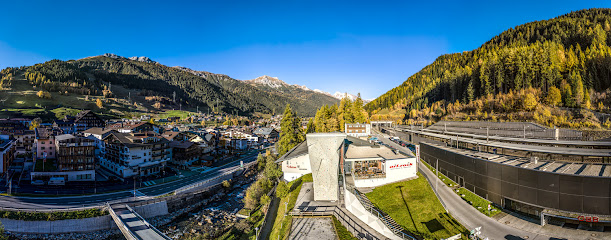
arl.park
0.5 km
Experience year-round fun and fitness at arl.park in St. Anton am Arlberg, offering climbing, trampolines, bowling, and more for all ages!
Gridlon
0.6 km
Experience Tyrolean hospitality and wellness at Hotel Gridlon, your gateway to the Arlberg's skiing and summer adventures near St. Anton.
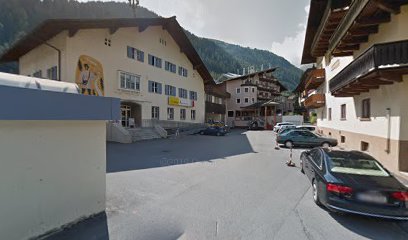
Arlberg Escapes
0.7 km
Experience the thrill of escape rooms in the heart of the Austrian Alps at Arlberg Escapes, a top destination for adventure seekers and puzzle lovers.
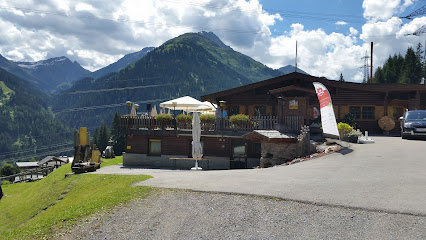
Sennhütte - SENNsationell
0.7 km
Experience the essence of Austrian cuisine amidst the breathtaking landscapes of St. Anton am Arlberg at Sennhütte.
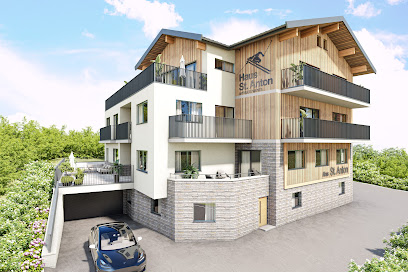
Haus St. Anton
1.2 km
Experience alpine charm at Haus St. Anton in St. Anton am Arlberg, offering comfort, convenience, and access to world-class skiing and hiking.
Arlmont I Restaurant St.Anton am Arlberg
1.3 km
Experience Alpine dining at Arlmont Restaurant in St. Anton: a blend of Austrian tradition and international flavors with stunning mountain views.
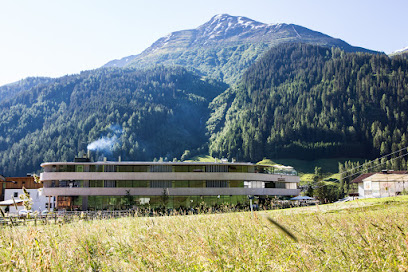
Hotel Arlmont
1.3 km
Experience modern alpine luxury at Hotel Arlmont in St. Anton: ski-in/ski-out access, rooftop pool, and sustainable design for a unique getaway.

St. Anton
1.6 km
Discover St. Anton am Arlberg: The cradle of alpine skiing, offering world-class slopes, stunning scenery, and a vibrant après-ski scene in the heart of the Austrian Alps.
Burg Arlen
1.8 km
Explore the breathtaking Burg Arlen, a medieval castle ruin in St. Anton am Arlberg, surrounded by stunning alpine scenery.
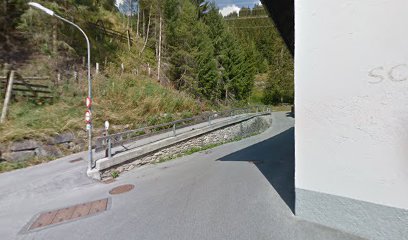
Hotel St Anton - Die Arlbergerin
1.9 km
Discover the idyllic Hotel St Anton - Die Arlbergerin, your perfect alpine retreat in St. Anton am Arlberg, offering comfort, dining, and wellness amidst stunning landscapes.
Verwallstube
2.3 km
Dine amidst the Alps at Verwallstube, St. Anton: exquisite cuisine, breathtaking views, and a gourmet experience at 2,085 meters.
Unmissable attractions to see

Galzigbahn
0.2 km
Discover the breathtaking landscapes of the Alps with the Galzigbahn cable car, your gateway to adventure in St. Anton am Arlberg.
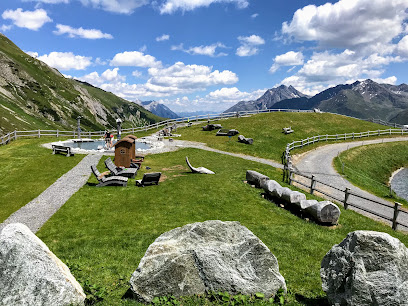
Gertrud-Gabl-Platz
0.2 km
Explore the stunning Gertrud-Gabl-Platz state park in St. Anton am Arlberg, where nature meets adventure in the heart of the Austrian Alps.
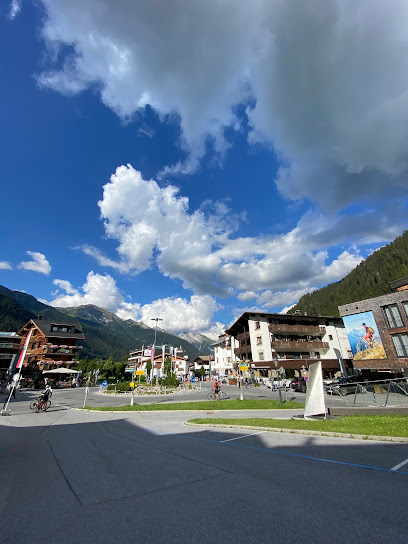
Gampenbahn
0.2 km
Experience the breathtaking views and exhilarating adventures at Gampenbahn, St. Anton am Arlberg's premier mountain cable car attraction.
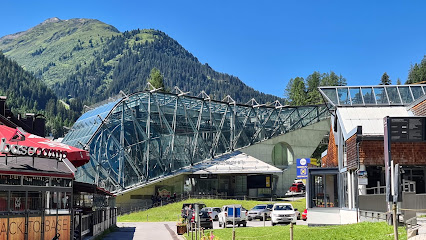
Japanischer Garten
0.3 km
Discover tranquility and beauty at the Japanese Garden in St. Anton am Arlberg, where traditional Japanese landscaping meets alpine charm.
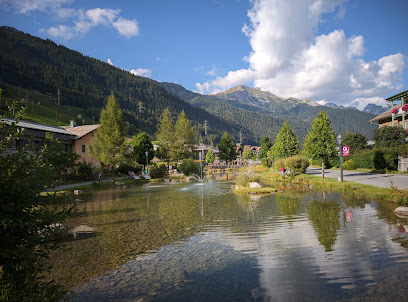
Ski Arlberg (St. Anton, St. Christoph, Stuben)
0.3 km
Experience the thrill of skiing in Ski Arlberg, Austria's largest ski resort, where breathtaking scenery meets world-class slopes and vibrant après-ski culture.
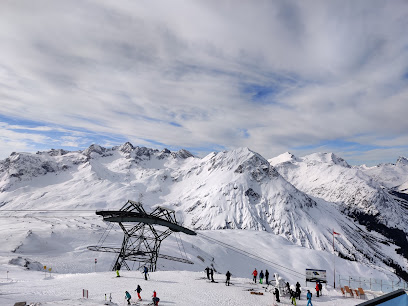
Ehemaliges Tunnelportal Arlbergbahn
0.4 km
Explore the historic Arlbergbahn Tunnel Portal in St. Anton, a pivotal site reflecting the rich railway heritage amidst stunning Alpine views.
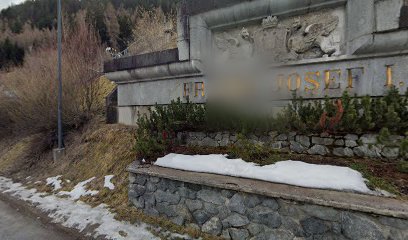
St Anton am Arlberg
0.6 km
Explore St Anton am Arlberg, a premier destination for skiing and alpine adventures, rich in culture and breathtaking landscapes in the heart of Austria.
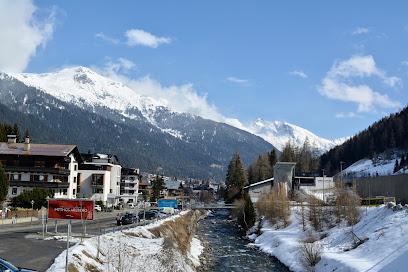
Stockibach Wasserfall
1.0 km
Discover the enchanting Stockibach Wasserfall – a breathtaking natural jewel in St Anton am Arlberg, perfect for nature lovers and adventurers alike.
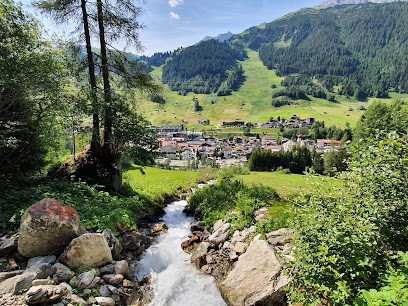
Alpenrosenweg
1.6 km
Explore Alpenrosenweg: A Scenic Hiking Area in St. Anton am Arlberg, Where Nature's Beauty Awaits Every Hiker.
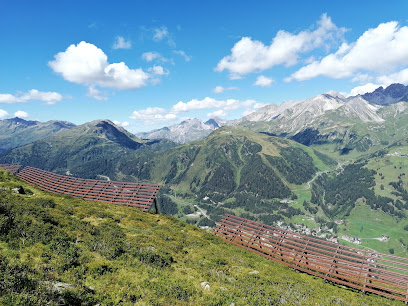
Osthangbahn Bergstation
2.7 km
Discover breathtaking views and thrilling adventures at Osthangbahn Bergstation in St. Anton am Arlberg, Austria's alpine gem.
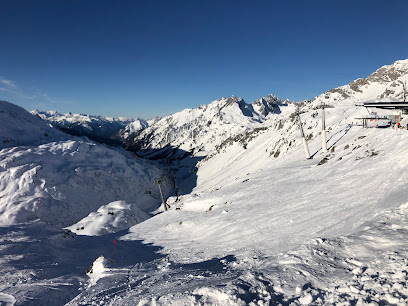
Maiensee
2.9 km
Experience the serene beauty of Maiensee in St. Anton am Arlberg, a hiker's paradise amidst the breathtaking Austrian Alps.
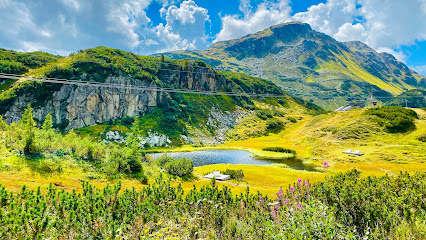
Arlberg
3.8 km
Experience the breathtaking beauty and adventure of Arlberg Mountain Pass, a year-round destination for outdoor enthusiasts and culture seekers alike.
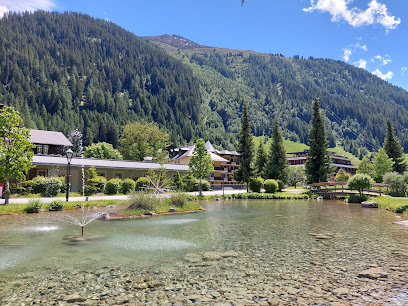
Bergbau Gand
3.8 km
Explore the rich mining history at Bergbau Gand in St. Anton am Arlberg, an engaging museum with interactive exhibits and fascinating artifacts.
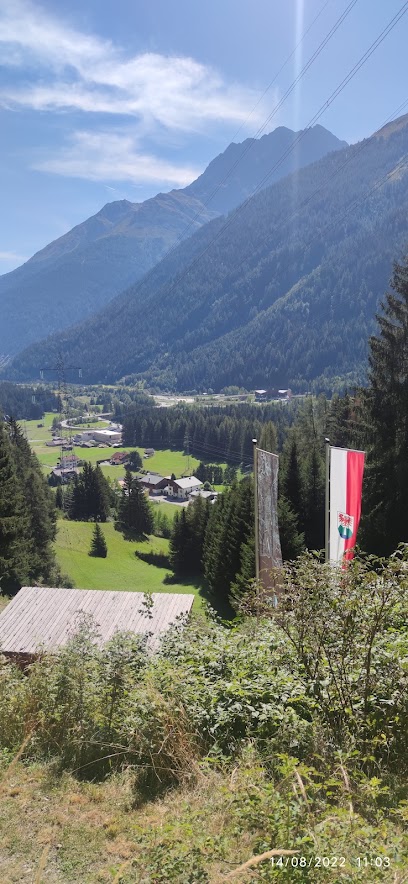
Arlbergpass
3.8 km
Experience the breathtaking views and outdoor adventures at Arlbergpass, a must-visit scenic gem in the Tyrolean Alps.
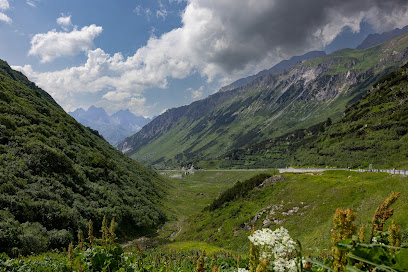
Naherholungsgebiet Giaßi
4.8 km
Discover Naherholungsgebiet Giassi in St. Anton am Arlberg, a serene park perfect for hiking, picnicking, and enjoying stunning alpine views.
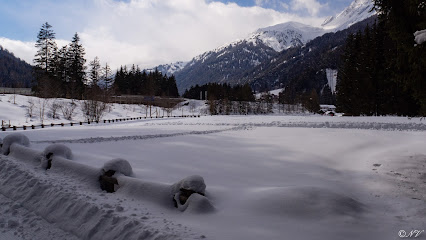
Essential places to dine

Museum Restaurant and Café
0.0 km
Experience exquisite cuisine amidst cultural heritage at St. Anton's Museum Restaurant and Café, where art meets dining.
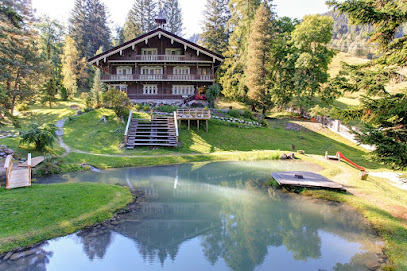
Fahrner-Stubn
0.1 km
Discover authentic Austrian cuisine amidst breathtaking mountain scenery at Fahrner-Stubn in St. Anton am Arlberg.
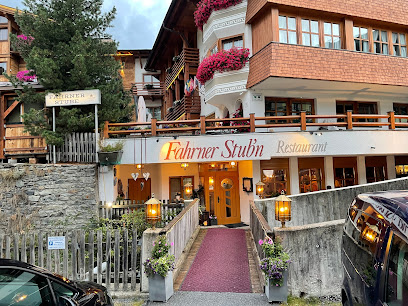
PURA Casual Fine Dining
0.2 km
Discover PURA Casual Fine Dining in St. Anton am Arlberg - where exquisite European cuisine meets alpine charm.
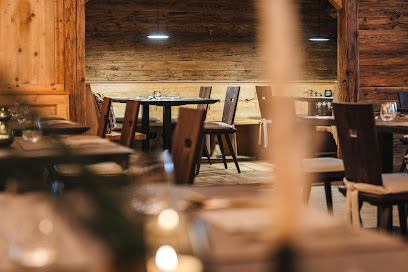
ZENZIS Stube
0.2 km
Experience authentic Austrian cuisine at ZENZIS Stube in scenic St. Anton am Arlberg - where local flavors meet alpine charm.
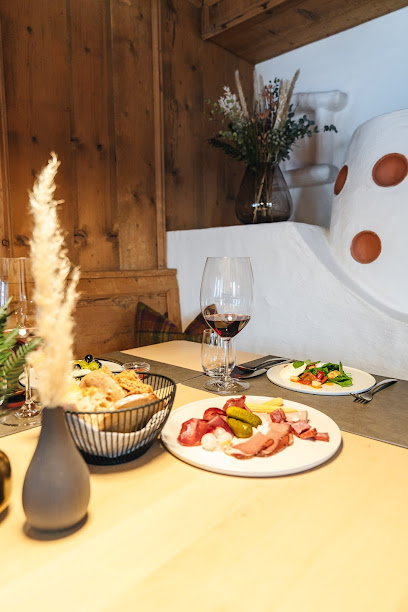
Rendl Restaurant
0.2 km
Experience exquisite dining at Rendl Restaurant in St. Anton am Arlberg—where local flavors meet breathtaking mountain views.
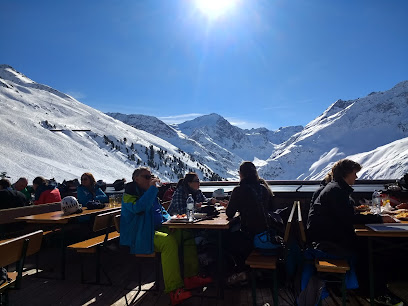
ANTON Cafe/Restaurant
0.2 km
Experience culinary excellence at ANTON Cafe/Restaurant in St. Anton am Arlberg - where delicious food meets warm hospitality.
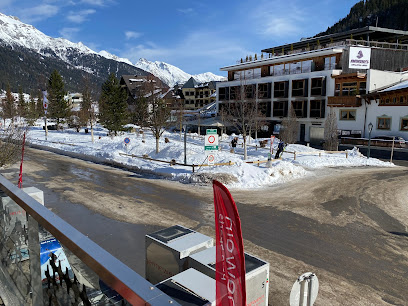
Galzig Bistrobar
0.2 km
Discover Galzig Bistrobar in St. Anton am Arlberg – where Alpine flavors meet vibrant nightlife amidst stunning mountain scenery.
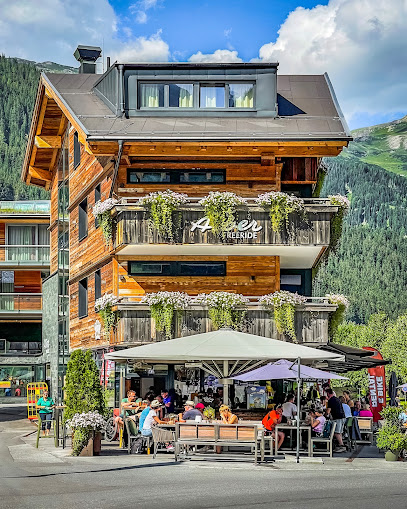
OOBEN
0.3 km
Experience exquisite Austrian cuisine with breathtaking mountain views at OOBEN in St. Anton am Arlberg.
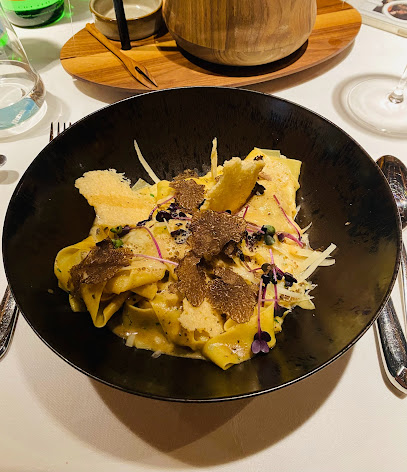
Restaurant Griabli
0.3 km
Experience exquisite Austrian cuisine at Restaurant Griabli in St. Anton am Arlberg, where tradition meets contemporary culinary artistry.
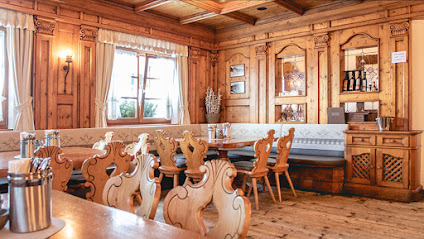
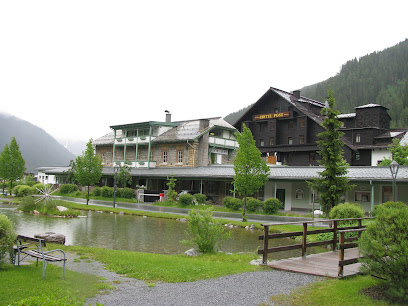
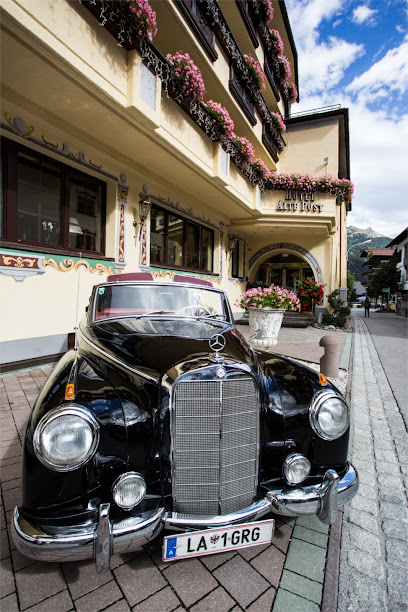
Hotel Alte Post
0.4 km
Experience exceptional dining and wellness in the heart of St. Anton am Arlberg at Hotel Alte Post - your perfect alpine getaway.
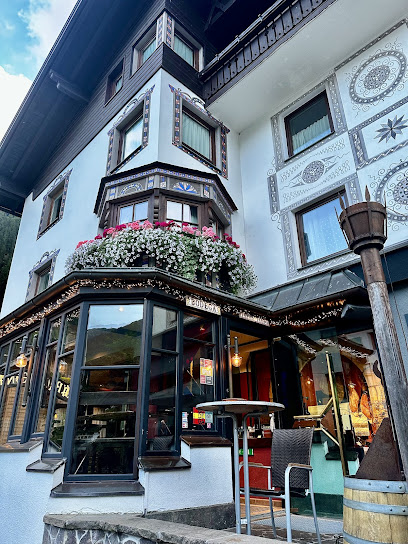
Bodega Tapas Bar
0.4 km
Discover the essence of Spain in St. Anton am Arlberg at Bodega Tapas Bar – where every dish tells a story.
Al Fuego Food On Fire (Reservierung ab 15Uhr/ reservation from 3pm onwards)
0.4 km
Experience the fiery flavors of Al Fuego Food On Fire in St. Anton am Arlberg – where culinary art meets spectacular flair.
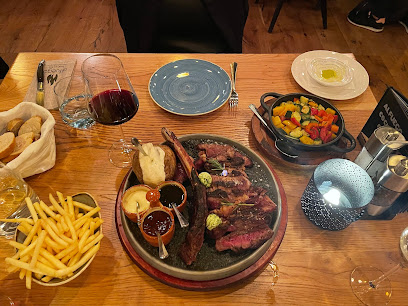
Kaminstube am Moos
0.4 km
Discover culinary excellence at Kaminstube am Moos in St. Anton - where gourmet flavors meet alpine hospitality.
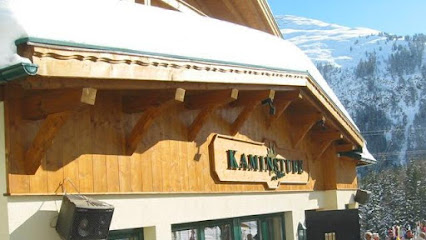
Sportcafe Schneider
0.5 km
Discover authentic Austrian cuisine at Sportcafe Schneider in St. Anton am Arlberg – where tradition meets comfort amidst stunning alpine views.
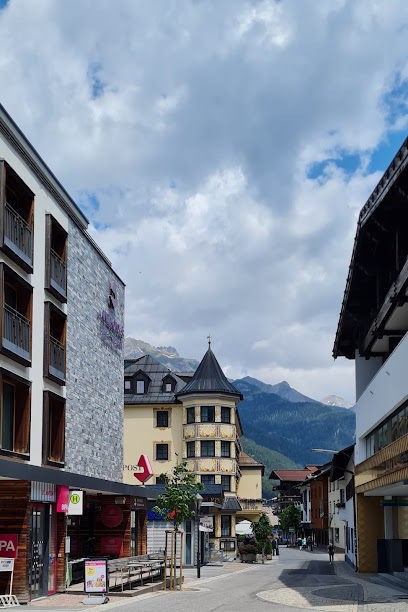
Gasthaus Am Bahnhof
0.5 km
Experience authentic Austrian cuisine in the heart of St. Anton am Arlberg at Gasthaus Am Bahnhof - where tradition meets alpine charm.
Markets, malls and hidden boutiques

Ski West
0.2 km
Ski West in St. Anton am Arlberg offers the best ski rentals, gear, and expert advice to enhance your alpine adventure.
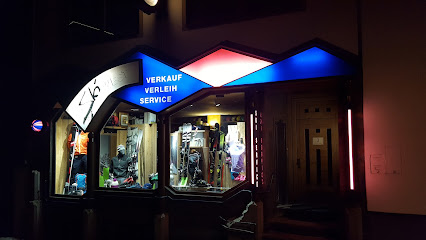
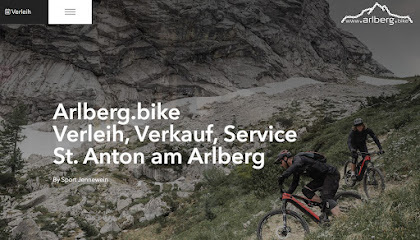
Arlberg.Bike
0.2 km
Experience the breathtaking Alpine trails with Arlberg.Bike, your go-to destination for bicycle rentals and repairs in St. Anton am Arlberg.
Sporthaus Jennewein - SPORT 2000
0.3 km
Discover the ultimate sporting goods experience at Sporthaus Jennewein, your gateway to skiing, snowboarding, and cycling adventures in St. Anton am Arlberg.
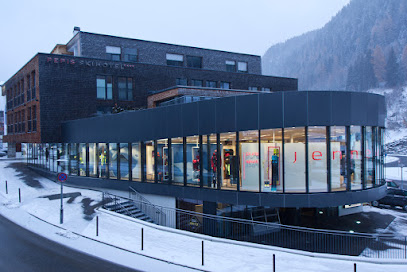
Jennewein Demo Ski Online Shop
0.3 km
Discover top-quality ski gear at Jennewein Demo Ski Online Shop in St. Anton am Arlberg, the ultimate destination for ski enthusiasts and adventurers.
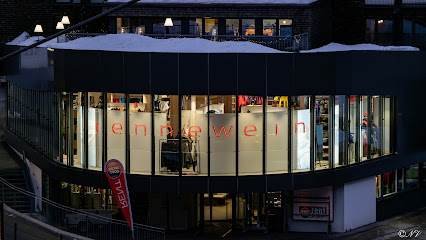
INTERSPORT Arlberg
0.3 km
Explore St. Anton am Arlberg with the best outdoor gear at INTERSPORT Arlberg, your one-stop shop for skiing, biking, and more.
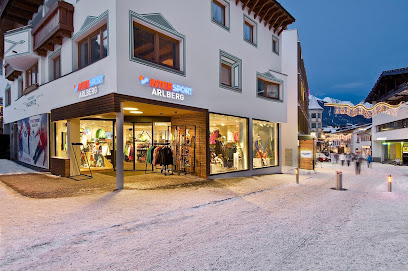
BIPA
0.3 km
Explore BIPA, the go-to cosmetics and drug store in St. Anton am Arlberg, for premium beauty products and local fragrances.
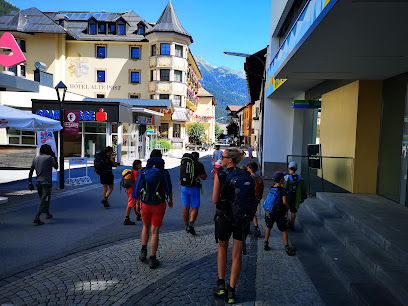
The Great Valluga
0.3 km
Discover the ultimate destination for ski and snowboard enthusiasts at The Great Valluga, where adventure meets top-quality equipment in St. Anton am Arlberg.
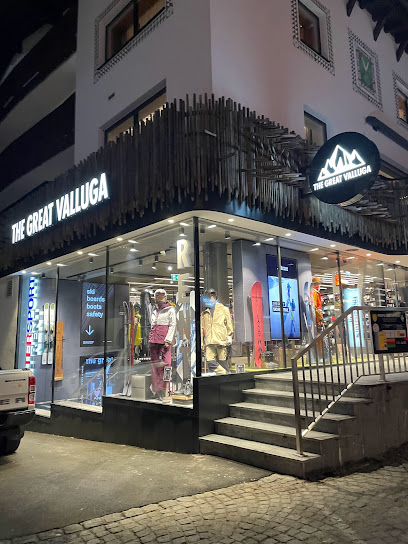
SUPA - Surfers Paradise 3.0
0.4 km
Explore top snowboarding gear at SUPA - Surfers Paradise 3.0 in St. Anton am Arlberg, where expertise meets adventure in every purchase.
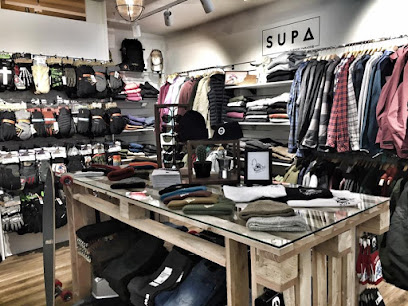
stanton store / Theodor Pies e.U.
0.4 km
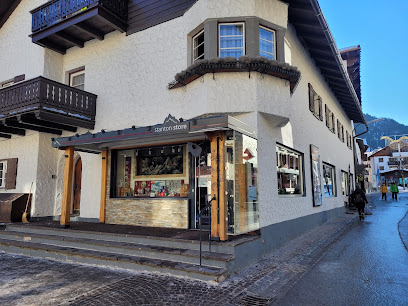
Explore the Stanton Store in St. Anton am Arlberg for unique souvenirs that embody the spirit of the Austrian Alps.
Schuhhaus & Sportschuherzeugung Erich Hüttl
0.4 km
Discover quality footwear and local craftsmanship at Schuhhaus & Sportschuherzeugung Erich Hüttl in St. Anton am Arlberg, where style meets alpine adventure.
Plangger Delikatessen St. Anton
0.4 km
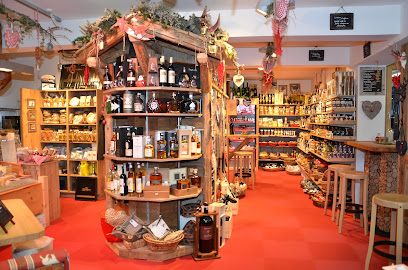
Discover the flavors of St. Anton at Plangger Delikatessen, your go-to spot for gourmet groceries, fine dining, and a cozy bar experience.
The North Face Store
0.4 km
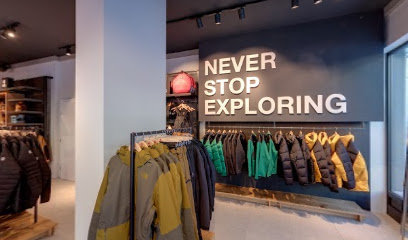
Discover outdoor excellence at The North Face Store in St. Anton, where adventure gear meets expert advice for unforgettable alpine experiences.
Napapijri Sankt Anton
0.4 km
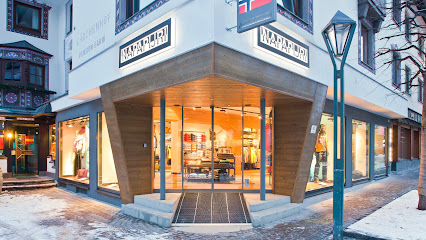
Explore the alpine lifestyle with stylish and functional outdoor clothing at Napapijri Sankt Anton, where adventure meets fashion.
Alber Sport Zentrale
0.4 km
Explore St. Anton am Arlberg with Alber Sport Zentrale, your premier destination for ski and bicycle rentals and top-quality sporting goods.
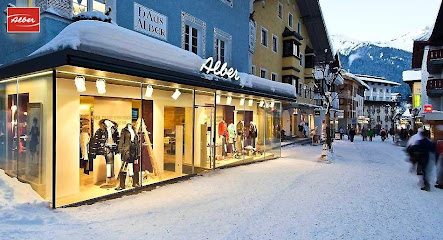
Josef Eiter
0.4 km
Experience the charm of Josef Eiter in St. Anton am Arlberg, where tobacco meets literature and local culture in a cozy alpine setting.
Essential bars & hidden hideouts

Square Bar
0.2 km
Discover the cozy atmosphere of Square Bar in St. Anton am Arlberg, where exceptional drinks meet warm hospitality in a stunning Alpine setting.
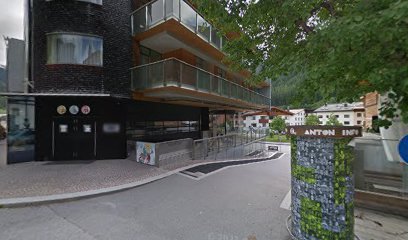
Das Basecamp
0.2 km
Discover the lively atmosphere of Das Basecamp in St. Anton am Arlberg, where great drinks and good company await after a day of adventure.
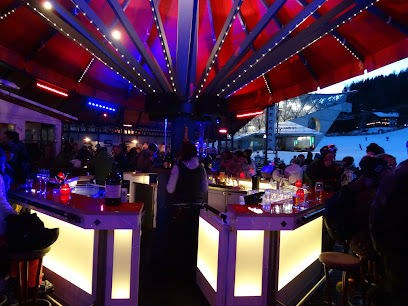
Krazy Kanguruh
0.4 km
Experience the vibrant apres-ski culture at Krazy Kanguruh in St. Anton am Arlberg, where delicious food meets a lively atmosphere.
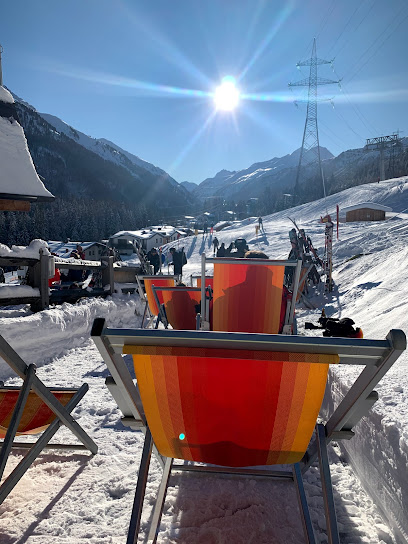
Giggls
0.4 km
Discover Giggls in St. Anton am Arlberg: a cozy bar and café offering delightful drinks and a warm atmosphere amidst stunning alpine views.
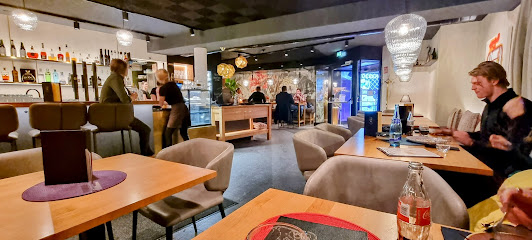
Rosanna Lounge
0.5 km
Experience the cozy ambiance and delicious culinary delights at Rosanna Lounge in St. Anton am Arlberg, where comfort meets flavor.
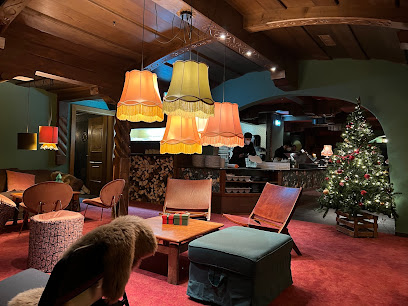
Niki’s Weinbar & Restaurant
0.5 km
Experience the exquisite flavors of Niki's Weinbar & Restaurant in St. Anton am Arlberg, where fine wines and gourmet cuisine meet the charm of the Alps.
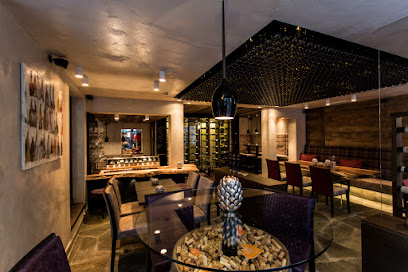
St Anton bar M3
0.5 km
Experience the vibrant après-ski culture at M3 Bar in St Anton am Arlberg, where great drinks and lively ambiance await you.
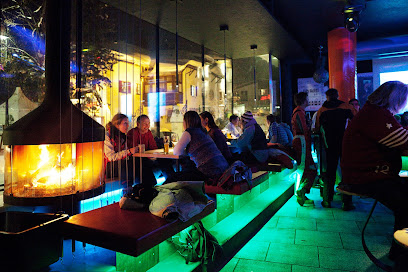
Bar Cuba
0.5 km
Experience the lively atmosphere and refreshing drinks at Bar Cuba in St. Anton am Arlberg, the perfect retreat after a day of adventure.
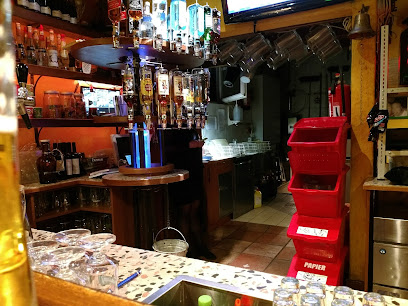
Bobos Bar-Restaurant
0.5 km
Enjoy a lively atmosphere and delicious Austrian cuisine at Bobos Bar-Restaurant in St. Anton am Arlberg, the perfect après-ski destination.
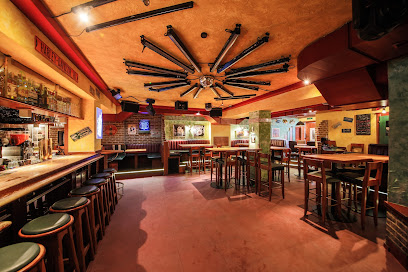
Murrmel Bar
0.6 km
Experience the vibrant après-ski culture at Murrmel Bar in St. Anton am Arlberg with great food, drinks, and live entertainment.
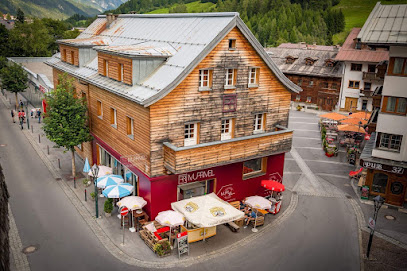
jonny's place
0.7 km
Discover Jonny's Place, a cozy bar in St Anton am Arlberg, where great drinks and a vibrant atmosphere await every traveler.
Alibi Bar
0.7 km
Experience the vibrant nightlife of St. Anton at Alibi Bar, where great drinks and live entertainment come together in the heart of the Alps.
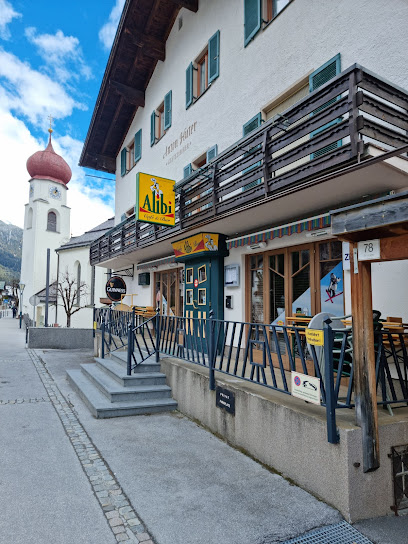
Fang House
1.2 km
Discover Fang House in St. Anton am Arlberg: A cozy bar and café perfect for unwinding after outdoor adventures in the Alps.
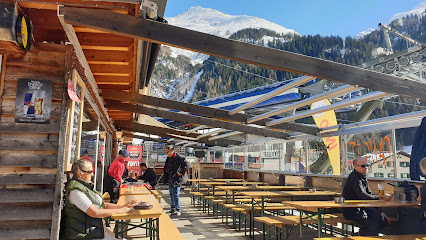
Gampenbar
1.3 km
Discover the charm of Gampenbar, a cozy Alpine bar in St. Anton am Arlberg, perfect for après-ski relaxation with stunning views.
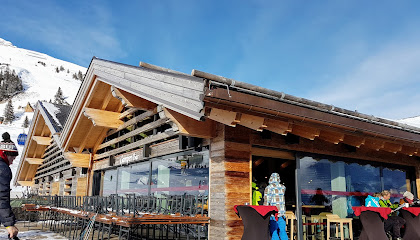
Keller Bar
1.4 km
Experience the cozy charm of Keller Bar in St. Anton am Arlberg, the perfect spot for après-ski drinks and socializing in the heart of the Alps.
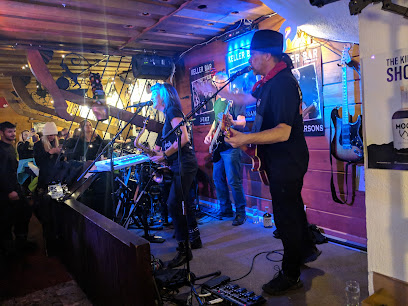
Nightclubs & after hour spots

Skyline Nightclub & showdance
0.3 km
Discover the vibrant nightlife at Skyline Nightclub & Showdance in St. Anton am Arlberg - a premier adult entertainment destination.
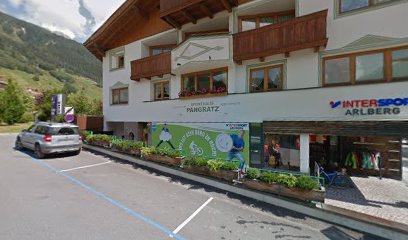
friendly Brändle - Ski-Service-Verleih
8.6 km
Explore the stunning Lech Alps with top-quality ski rentals and expert service at friendly Brändle - your go-to ski service for winter adventures.
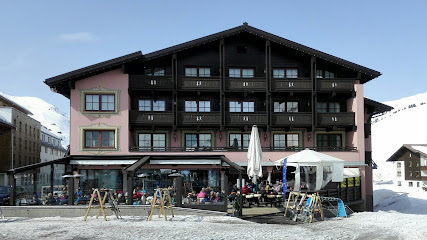
Trachtenkapelle Lech
13.0 km
Discover the enchanting nightlife at Trachtenkapelle Lech, where vibrant music and a lively atmosphere create unforgettable alpine experiences.
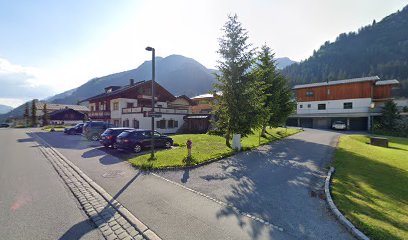
Schatzi Bar
13.0 km
Experience the vibrant nightlife at Schatzi Bar in Ischgl, where great pizza meets spectacular performances in a lively atmosphere.
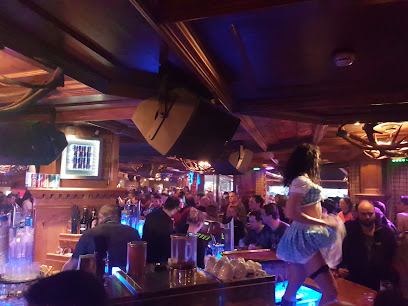
FreeRide
13.1 km
Experience Ischgl's vibrant nightlife at FreeRide, where lively music, great drinks, and unforgettable moments await you.
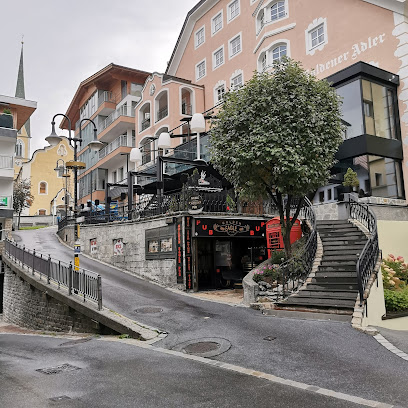
Kiwi - Cafe Bistro Bar
13.2 km
Discover Kiwi - Cafe Bistro Bar in Ischgl, where delightful cuisine meets a vibrant atmosphere, perfect for unwinding after outdoor adventures.
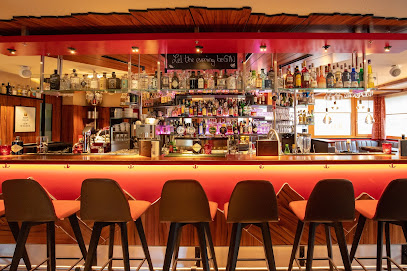
Golden Eagle
13.2 km
Discover the charm of Golden Eagle, a cozy pub in Ischgl, perfect for unwinding with drinks and good company after exploring the stunning Tyrolean Alps.
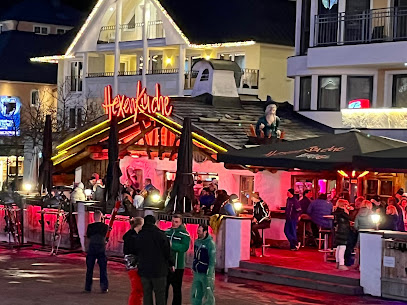
Hexenküche Ischgl
13.3 km
Experience the lively atmosphere of Hexenküche Ischgl, the ultimate après-ski bar in the heart of the Alps, perfect for relaxation and fun.
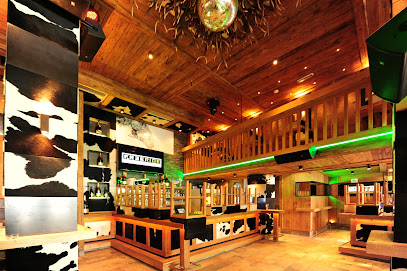
Kuhstall
13.3 km
Experience the vibrant nightlife of Ischgl at Kuhstall, where dining meets dancing in an unforgettable atmosphere.
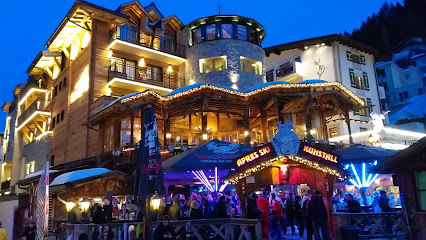
fire & ice ISCHGL
13.3 km
Discover the ultimate alpine experience at fire & ice ISCHGL, where exquisite grilling meets vibrant nightlife in the heart of Ischgl.
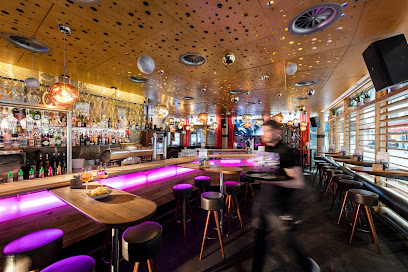
Trofana Alm
13.4 km
Discover Trofana Alm, Ischgl's hotspot for live music and delicious pizzas, where vibrant nights come alive with flavor and sound.
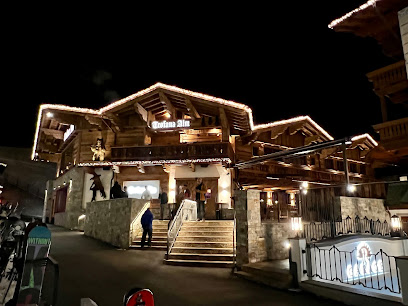
Schlosslounge
13.4 km
Discover the elegance of Schlosslounge in Ischgl, where exquisite drinks and culinary delights meet vibrant nightlife in a stylish setting.
Livingroom
13.4 km
Discover the electrifying nightlife at Livingroom, Ischgl's ultimate night club for unforgettable dance experiences and vibrant atmosphere.
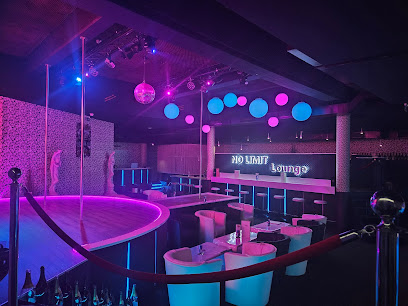
Champagner Club
13.4 km
Discover Ischgl's elite nightlife at Champagner Club - where luxury meets vibrant energy in the heart of the Alps.
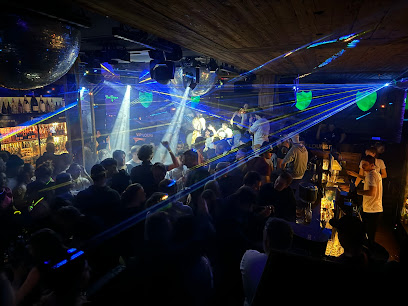
Rudis Mobile Cocktailbar
14.1 km
Discover the art of mixology at Rudis Mobile Cocktailbar in Lech, where innovative cocktails and a vibrant atmosphere await you.