

Free St. Anton am Arlberg Travel Guide & Mobile App
Plan your St. Anton am Arlberg trip with Evendo. Get free guides to top attractions, restaurants, hotels, and bars. Web access or download the mobile app.


St. Anton am Arlberg combines legendary skiing, Tyrolean culture, alpine hiking and lively après-ski in Austria’s Arlberg region, year-round.
An Arlberg Mountain Village
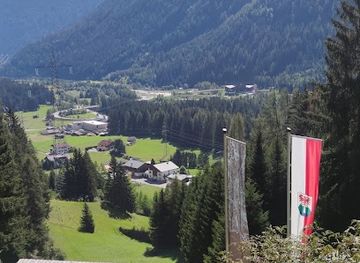
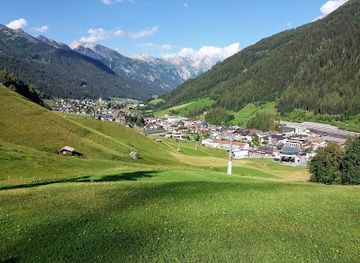
St. Anton am Arlberg lies in the Tyrol, near the western edge of Austria, where the Rosanna valley rises towards the Arlberg Pass. The village is surrounded by steep peaks, high pastures and broad ski slopes, while the compact centre retains the atmosphere of a historic Alpine settlement beneath its resort infrastructure. Its position between Tyrol and Vorarlberg has long given St. Anton significance beyond its scenery: the Arlberg was an important mountain crossing before modern roads and railways made the journey easier.Read more about St. Anton am Arlberg
The Birthplace of Alpine Skiing
Village Life Beyond the Slopes
When is the best time to visit St. Anton am Arlberg?
Best: June–August · 22–24°C| Month | High (°C) | Rainfall (mm) |
|---|---|---|
| January | 0 | 44 |
| February | 1 | 38 |
| March | 3 | 45 |
| April | 10 | 57 |
| May | 17 | 79 |
| June (best) | 22 | 119 |
| July (best) | 24 | 139 |
| August (best) | 23 | 135 |
| September | 19 | 101 |
| October | 12 | 75 |
| November | 6 | 57 |
| December | 3 | 46 |
Getting to and around St. Anton am Arlberg
How to get there
Transportation
Best attractions in St. Anton am Arlberg
St. Anton’s principal attraction is the Arlberg mountain landscape, experienced through extensive winter pistes and summer lift-assisted walks rather than through a dense collection of urban sights. The Ski and Local History Museum, housed in a former villa, traces the village’s farming past and its central role in the development of Alpine skiing. From the Galzigbahn, visitors reach elevated viewpoints and walking routes with broad views over the Rosanna valley, while the Vallugabahn provides access to the high mountain world above the resort, subject to conditions and access rules. In the village, the parish church, older houses and chapels reward a slower walk along and beyond Dorfstrasse. The Arlberg Well, a contemporary sculptural landmark, references the region’s mountain and water landscape, while the nearby Verwall valley offers gentler scenery, woodland paths and summer excursions away from the main resort centre.
-
Mountain cable car
Galzigbahn
Discover the breathtaking landscapes of the Alps with the Galzigbahn cable car, your gateway to adventure in St. Anton am Arlberg.
18 min drive · 5.9 km from city centre
-
Tourist attraction
Stockibach Wasserfall
Discover the breathtaking beauty of Stockibach Wasserfall in St. Anton am Arlberg, a serene escape into nature's splendor.
19 min drive · 6.3 km from city centre
-
Museum
Museum St. Anton am Arlberg
Discover the rich alpine heritage at Museum St. Anton am Arlberg, where history, culture, and local cuisine come together in a breathtaking setting.
17 min drive · 5.7 km from city centre
-
Museum
Bergbau Gand
Explore the rich mining history at Bergbau Gand in St. Anton am Arlberg, an engaging museum with interactive exhibits and fascinating artifacts.
28 min drive · 9.3 km from city centre

Best landmarks in St. Anton am Arlberg
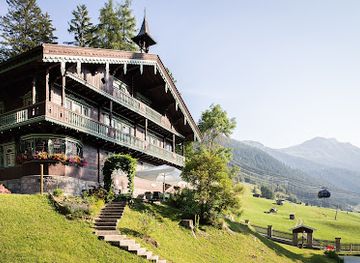
The parish church of St. Anton, with its traditional Alpine setting and prominent tower, is one of the village’s principal historic reference points and reflects the community’s religious roots. The Ski and Local History Museum is significant not only as a building but as a repository of the Arlberg’s transformation from mountain settlement to international ski centre. The Galzigbahn and Vallugabahn represent the engineering and sporting identity that now defines St. Anton’s skyline and mountain access. Along Dorfstrasse, older Tyrolean façades and small chapels preserve traces of the pre-resort settlement, while the Arlberg Well provides a modern public artwork connected to the area’s mountain environment. The railway station is another important landmark: its presence recalls the 1884 railway opening that made the remote valley accessible to visitors and helped begin the tourism era.
-
Restaurant
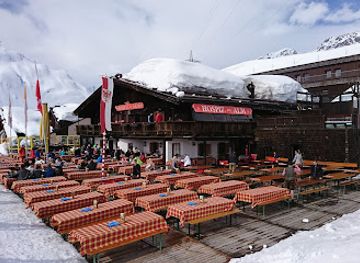
MooserWirt - wahrscheinlich die schlechteste Skihütte am Arlberg
Experience the legendary après-ski at MooserWirt, St. Anton: where high-energy music meets Austrian hospitality since 1989.
17 min drive · 5.6 km from city centre
-
Mountain cable car
Galzigbahn
Ascend to alpine adventures on the Galzigbahn in St. Anton am Arlberg, where breathtaking views and thrilling outdoor activities await.
18 min drive · 5.9 km from city centre
-
Sports complex
Arlberg WellCom
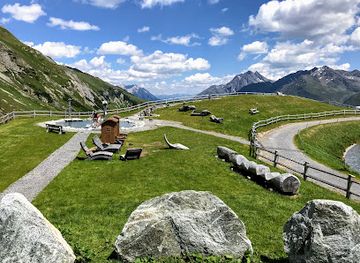
Experience wellness and recreation at Arlberg WellCom in St. Anton am Arlberg, surrounded by stunning alpine scenery.
18 min drive · 6.2 km from city centre
-
Austrian
Arlberg Hospiz Alm
Experience alpine indulgence at Arlberg Hospiz Alm: gourmet cuisine, historic charm, and world-class wines in the heart of the Austrian Alps.
15 min drive · 5.0 km from city centre


Explore St. Anton am Arlberg on the map
Plan your St. Anton am Arlberg trip on one map. See where the top attractions, landmarks, restaurants, bars and hotels are, find what's near where you're staying, and book hotels and experiences in a few clicks.
Best hotels in St. Anton am Arlberg
Best restaurants in St. Anton am Arlberg
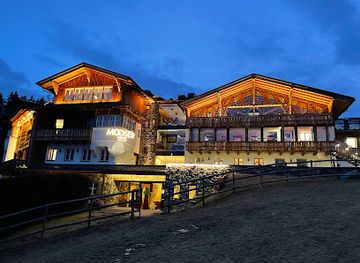
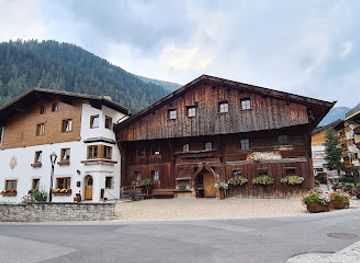
St. Anton’s dining scene combines Tyrolean mountain cooking with the international range expected in a major Alpine resort. Traditional menus feature dishes such as Tiroler Gröstl, a fried combination of potatoes and meat, Kaspressknödel, cheese dumplings often served in broth, and hearty soups suited to cold mountain days. Kaiserschmarrn and apple strudel provide familiar sweet finishes, while local cheeses, farmhouse dairy products and regional cured meats appear in hut and village menus. Restaurants and cafés cluster around Dorfstrasse and the surrounding centre, with mountain huts offering rustic lunches and panoramic settings during the lift seasons. Contemporary kitchens, pizzerias and international dining broaden the choice without displacing Tyrolean staples. Après-ski venues often serve informal food, while a more leisurely evening meal is found in the village’s established hotels and independent restaurants.
-
Restaurant
MooserWirt - wahrscheinlich die schlechteste Skihütte am Arlberg
Experience vibrant dining at MooserWirt in St. Anton am Arlberg - where hearty cuisine meets breathtaking mountain views.
17 min drive · 5.6 km from city centre
-
Austrian
Restaurant Maximilian Betriebsurlaub bis 24.5.
Experience exquisite Austrian and modern European cuisine at Restaurant Maximilian in St. Anton am Arlberg – a culinary gem for every traveler.
19 min drive · 6.4 km from city centre
-
Restaurant
Galzig Bistrobar
Experience alpine dining at its finest at Galzig Bistrobar in St. Anton am Arlberg - where tradition meets modern cuisine amidst stunning mountain views.
18 min drive · 5.9 km from city centre
-
Restaurant
Restaurant Himmeleck
Experience exquisite dining at Restaurant Himmeleck in St. Anton am Arlberg - where culinary delights meet stunning alpine views.
19 min drive · 6.4 km from city centre
Best bars in St. Anton am Arlberg
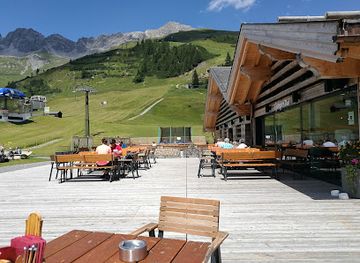
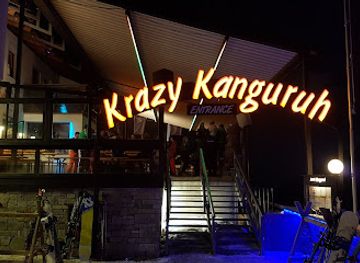
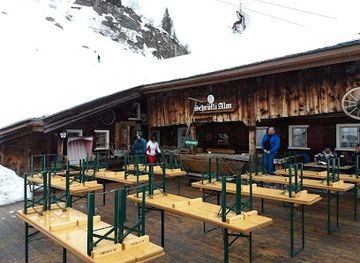
St. Anton is particularly associated with energetic après-ski, which begins on or near the mountain before moving towards the village in the late afternoon. MooserWirt and Krazy Kanguruh are long-established names in the resort’s après-ski culture, while venues around the Galzigbahn and Dorfstrasse create a concentrated evening circuit. The atmosphere ranges from crowded, music-led bars to quieter hotel lounges, wine bars and cafés, and the resort also has nightlife that continues later into the evening in dance venues. The Ski and Local History Museum and seasonal cultural programming offer alternatives for visitors seeking a calmer night. Conditions and opening patterns change with the season, so the resort’s current listings are more reliable than fixed assumptions about late-night activity.
-
Bar
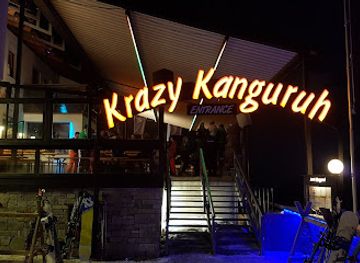
Krazy Kanguruh
Experience the vibrant nightlife and delightful dining at Krazy Kanguruh in St. Anton am Arlberg, where fun and flavor meet in the heart of the Alps.
17 min drive · 5.8 km from city centre
-
Bar
Galzig Bistrobar
Experience alpine charm and delicious cuisine at Galzig Bistrobar in St. Anton am Arlberg, the perfect après-ski destination.
18 min drive · 5.9 km from city centre
-
Bar
Das Basecamp
Experience the vibrant après-ski scene at Das Basecamp, a trendy bar in St. Anton am Arlberg offering a cozy atmosphere and a diverse drink menu.
18 min drive · 5.9 km from city centre
-
Restaurant
Heustadl
Experience the best of alpine cuisine at Heustadl, a top dining destination in St. Anton am Arlberg, offering exquisite flavors and a warm atmosphere.
17 min drive · 5.6 km from city centre
Best nightclubs in St. Anton am Arlberg
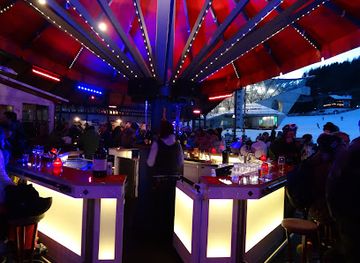
St. Anton is particularly associated with energetic après-ski, which begins on or near the mountain before moving towards the village in the late afternoon. MooserWirt and Krazy Kanguruh are long-established names in the resort’s après-ski culture, while venues around the Galzigbahn and Dorfstrasse create a concentrated evening circuit. The atmosphere ranges from crowded, music-led bars to quieter hotel lounges, wine bars and cafés, and the resort also has nightlife that continues later into the evening in dance venues. The Ski and Local History Museum and seasonal cultural programming offer alternatives for visitors seeking a calmer night. Conditions and opening patterns change with the season, so the resort’s current listings are more reliable than fixed assumptions about late-night activity.
-
Bar
Krazy Kanguruh
Discover Krazy Kanguruh, a vibrant bar and restaurant in St. Anton am Arlberg, perfect for après-ski fun and delicious dining experiences.
17 min drive · 5.8 km from city centre
-
Bar
Das Basecamp
Experience the vibrant après-ski atmosphere at Das Basecamp in St. Anton am Arlberg, the perfect bar for relaxation and socializing.
18 min drive · 5.9 km from city centre
-
Bar
Murrmel Bar
Experience the vibrant atmosphere and delightful cuisine at Murrmel Bar, a must-visit bistro and bar in stunning St. Anton am Arlberg.
19 min drive · 6.2 km from city centre
-
Bar
Fang House
Discover the warm and inviting Fang House, a perfect bar and café in St. Anton am Arlberg offering a delightful mix of drinks and ambiance.
21 min drive · 6.9 km from city centre


Best shops in St. Anton am Arlberg
Shopping in St. Anton centres on specialist mountain equipment, winter clothing and outdoor brands, reflecting the village’s role as a ski and hiking base. Dorfstrasse and nearby lanes contain sports shops, rental businesses, cafés and small retailers, while a selection of boutiques offers clothing, accessories and gifts suited to resort visitors. Traditional souvenirs include Tyrolean textiles, carved wooden objects, local wool products and regional foods such as cheese, cured meats and spirits, although provenance varies and labels are worth checking. Bakeries and delicatessens provide practical purchases for walks or train journeys, and seasonal markets may add locally made crafts and festive goods. The retail atmosphere is concentrated and walkable rather than centred on a large shopping mall, with opening patterns and product ranges changing between the winter and summer seasons.
-
Bakery
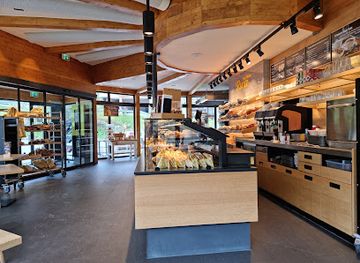
Der Bäcker Ruetz - St. Anton
Discover the delightful flavors of traditional Austrian baked goods at Der Bäcker Ruetz - St. Anton am Arlberg, where every bite is a taste of alpine heritage.
21 min drive · 7.2 km from city centre
-
Supermarket
SPAR
Explore the flavors of St. Anton at SPAR Supermarket - your gateway to local groceries, delicacies, and souvenirs.
19 min drive · 6.3 km from city centre
-
Sporting goods store
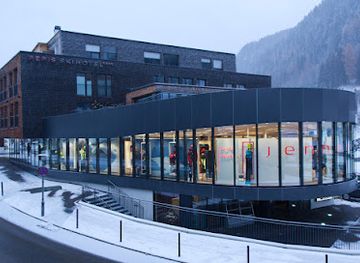
Sporthaus Jennewein - SPORT 2000
Discover the ultimate sporting goods experience at Sporthaus Jennewein, your gateway to skiing, snowboarding, and cycling adventures in St. Anton am Arlberg.
17 min drive · 5.8 km from city centre
-
Sporting goods store
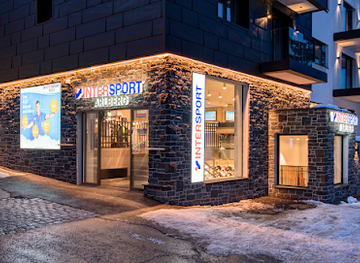
INTERSPORT Arlberg
Explore the best of skiing with INTERSPORT Arlberg, your go-to destination for ski rentals, gear, and expert advice in St. Anton am Arlberg.
21 min drive · 6.9 km from city centre

Get your free copy of our complete guide to St. Anton am Arlberg, delivered straight to you.
Everything on this page, from attractions and restaurants to essentials and local phrases, in one PDF you can read offline, print or share.
Already have an account? Sign in
Your St. Anton am Arlberg guide is ready.
We'll send it to · Not you? Sign out

Getting your guide ready…
We are putting together a fresh copy of the St. Anton am Arlberg guide. This can take up to a minute.
This can take a few moments. If your browser asks, choose Allow so the download can start. You'll find the guide in your Downloads folder.
Nothing happened? Download it again
Sorry, the guide is taking longer than usual. Please try again in a minute, or get it by email instead.
St. Anton am Arlberg essentials
Currency and Payment
Safety
Emergency Situations
Do's and Don'ts
Local Tips
From Eve
Local phrases worth knowing
You don't need to get them perfect. A few words go a long way, and locals appreciate the effort.
Basics
| English | Local | Say it |
|---|---|---|
| Hello | Hallo | [ha-lo] |
| Goodbye | Auf Wiedersehen | [owf vee-der-zay-en] |
| Yes | Ja | [yah] |
| No | Nein | [nine] |
| Please/You're welcome | Bitte | [bi-te] |
| Thank you | Danke | [dahn-kuh] |
| Excuse me/Sorry | Entschuldigung | [ent-shool-di-goong] |
| How are you? | Wie geht es Ihnen? | [vee geht es ee-nen] |
| Fine. And you? | Gut. Und Ihnen? | [goot oond ee-nen] |
| Do you speak English? | Sprechen Sie Englisch? | [shpre-khen zee eng-lish] |
| I don't understand | Ich verstehe nicht | [ikh fer-shtay-e nikht] |
Eating & Drinking
| English | Local | Say it |
|---|---|---|
| I'd like to see the menu, please | Ich würde gerne die Speisekarte sehen, bitte | [ikh vur-de ge-ren dee shpy-ze-kar-te zay-en, bi-te] |
| I don't eat meat | Ich esse kein Fleisch | [ikh es-se kine fli-sh] |
| Cheers! | Prost! | [prohst] |
| I would like to pay, please | Ich würde gerne bezahlen, bitte | [ikh vur-de ge-ren be-tsah-len, bi-te] |
Emergencies
| English | Local | Say it |
|---|---|---|
| Help! | Hilfe! | [hil-fe] |
| Go away! | Geh weg! | [ge vekh] |
| Call the Police! | Rufen Sie die Polizei! | [roo-fen zee dee po-lee-tsay] |
| Call a doctor! | Rufen Sie einen Arzt! | [roo-fen zee i-nen ahr-ts] |
| I'm lost | Ich habe mich verlaufen | [ikh hah-be mikh fer-lou-fen] |
| I'm ill | Ich bin krank | [ikh been krunk] |
Shopping
| English | Local | Say it |
|---|---|---|
| I'd like to buy... | Ich möchte ... kaufen | [ikh merkhte ... kow-fen] |
| I'm just looking | Ich schaue nur | [ikh shou-e noor] |
| How much is it? | Wie viel kostet es? | [vee feel kos-tet es] |
| That's too expensive | Das ist zu teuer | [dahs ist tsoo toy-er] |
| Can you lower the price? | Können Sie den Preis senken? | [ku-nen zee den prees zen-ken] |
Time & Numbers
| English | Local | Say it |
|---|---|---|
| What time is it? | Wie spät ist es? | [vee shpet ist es] |
| It's one o'clock | Es ist ein Uhr | [es ist ien oor] |
| Half past (10) | Halb zehn | [halb tsayn] |
| Morning | Morgen | [mohr-ghen] |
| Afternoon | Nachmittag | [nah-kh-mit-tahg] |
| Evening | Abend | [ah-bent] |
| Yesterday | Gestern | [gehs-tern] |
| Today | Heute | [hoi-tuh] |
| Tomorrow | Morgen | [mohr-ghen] |
| 1 | Eins | [i-ns] |
| 2 | Zwei | [tsvai] |
| 3 | Drei | [dry] |
| 4 | Vier | [feer] |
| 5 | Fünf | [fuhnf] |
| 6 | Sechs | [zeks] |
| 7 | Sieben | [zee-ben] |
| 8 | Acht | [ahkht] |
| 9 | Neun | [noyn] |
| 10 | Zehn | [tsayn] |
Transport & Directions
| English | Local | Say it |
|---|---|---|
| Where's a/the...? | Wo ist ein/der...? | [vo ist ien/der] |
| What's the address? | Was ist die Adresse? | [vas ist dee ah-dre-suh] |
| Can you show me (on the map)? | Können Sie mir (auf der Karte) zeigen? | [ku-nen zee meer (owf der kar-te) tsay-gen] |
| When's the next (bus)? | Wann ist der nächste (Bus)? | [van ist der nekhs-te (boos)] |
| A ticket (to ....) | Eine Fahrkarte (nach ...) | [i-ne fahr-kar-te (nakh)] |
History of St. Anton am Arlberg
An Early Alpine Settlement
The Rosanna valley around present-day St. Anton was settled as part of the wider Tyrolean Alpine world, where farming, livestock raising and movement across mountain routes shaped community life. The name is associated with Saint Anton of the desert, and the settlement developed around parish, agricultural and transport functions rather than as a leisure resort. Its position below the Arlberg made it a place of passage between the Inn valley and the western Alpine valleys. Seasonal work, difficult weather and the management of high pastures defined everyday life for centuries, while the surrounding mountains remained both a source of livelihood and a formidable barrier.
The Arlberg Pass Route
For much of its history, the Arlberg was one of the principal crossings between Tyrol and the lands to the west. Travellers, traders and official traffic used the pass despite its demanding terrain and winter hazards. Road improvements gradually brought more dependable movement through the valley, but the route retained its strategic and commercial importance. St. Anton’s older buildings and chapels reflect the religious and rural culture of the region, while the names of nearby hamlets preserve the pattern of settlement that existed before tourism transformed the valley.
Railway and the First Visitors
The opening of the Arlberg railway in 1884 changed St. Anton’s prospects by connecting the mountain valley with the wider Austrian rail network and western Europe. Easier access encouraged mountaineers and early winter visitors to explore the surrounding peaks. The railway also altered local employment, linking the village to engineering, transport and hospitality as well as farming. What had once been a remote crossing became increasingly accessible, laying the practical foundations for the development of a tourism economy.
The Arlberg School of Skiing
The Arlberg Ski Club, founded in St. Anton in 1901, helped formalise the area’s emerging enthusiasm for winter sport. Hannes Schneider, who worked in St. Anton, developed the Arlberg technique, a systematic approach to turning and controlling skis that became influential internationally. His teaching and demonstrations helped make the village a recognised centre of ski instruction during the early twentieth century. Skiing therefore became more than a seasonal pastime: it created a professional tradition, shaped local identity and connected St. Anton with the growth of Alpine tourism abroad.
Resort Expansion After 1945
After the Second World War, improved prosperity, motor travel and the expanding popularity of recreational skiing accelerated St. Anton’s transformation into an international resort. Accommodation, lifts and pistes spread beyond the historic village, while local families increasingly combined traditional occupations with work in hospitality, mountain transport and ski services. The 2001 Alpine World Ski Championships brought further international attention and infrastructure investment. Contemporary St. Anton remains shaped by this modern development, yet its railway, parish buildings, historic lanes and museum preserve the story of a valley community that became one of the best-known names in Alpine skiing.
St. Anton am Arlberg in Photos
Browse through our photo collection highlighting the charm and character of the destination.
Cities near St. Anton am Arlberg
The closest cities to St. Anton am Arlberg, if you have time for more than one stop.
-

-

-

-

-


Swipe for more cities
Explore more
Explore more of Austria
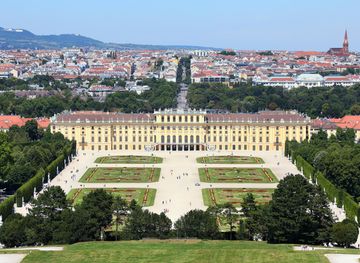
Discover Austria's blend of alpine landscapes, rich cultural heritage, and culinary delights, from Vienna's historic charm to Tyrol's dramatic beauty.
Explore Austria