

Nussdorfer Wehr, Vienna Travel Guide
Discover Vienna's stunning Art Nouveau river gate, where architectural beauty meets innovative hydraulic engineering on the Donaukanal.
The Nussdorfer Wehr, located where the Donaukanal splits from the Danube, is an Art Nouveau masterpiece designed by Otto Wagner. Built in the late 19th century, this hydraulic structure features impressive architecture, including the Schemerlbrücke and iconic bronze lion statues, serving as both a functional weir and a striking landmark.
A brief summary to Nussdorfer Wehr
- Josef-von-Schemerl-Brücke, Vienna, Brigittenau, 1220, AT

Know before you go
Hi, I'm Eve. Here are a few practical things to know before exploring Nussdorfer Wehr.
- Take a leisurely stroll along the Donaukanal to fully appreciate the weir's architecture and the surrounding scenery.
- Visit during sunset for stunning photo opportunities as the light reflects off the water and the bronze lions.
- Combine your visit with a bike ride along the Donaukanal, exploring other attractions and green spaces along the waterway.
Do you manage this location?
Take control to get all the benefits, like improved information, better appearance, and stronger visibility across AI-powered discovery. Learn more about listing your business on Evendo
Activate your presenceOther nearby places you may find interesting
The closest places of the same kind, if this one is not quite what you had in mind.
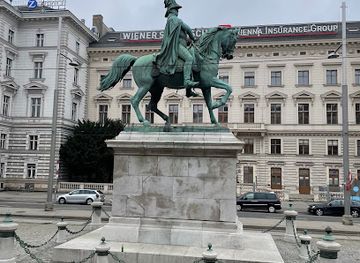
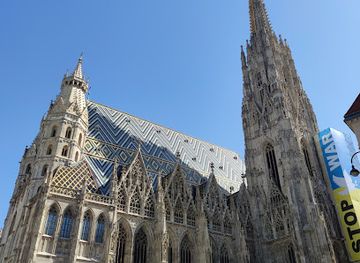

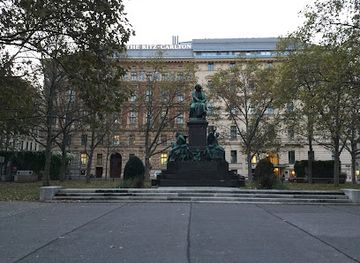
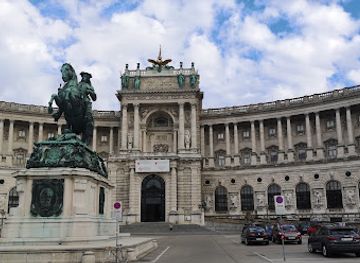
Explore Nussdorfer Wehr on the Map
A handpicked selection of must-see spots near Nussdorfer Wehr, mapped for you.
Unlock the Best of Nussdorfer Wehr
Buy tickets
-
No tickets available
Book tours with entry
-
No tours available
Book tours without entry

Getting There
-
Public Transport
From central Vienna, take the D tram to Nussdorf, Beethovengang. From there, it's a short, approximately 10-15 minute walk along the Nussdorfer Lände to the Josef-von-Schemerl-Brücke and the Nussdorfer Wehr. A single tram fare within Vienna is around €2.40.
-
Walking
If you are already in the Nussdorf area, the Nussdorfer Wehr is easily accessible on foot from the Nussdorf S-Bahn station. Walk along the Donaukanal, following the Nussdorfer Lände, until you reach the weir. The walk is approximately 10-15 minutes and offers pleasant views of the surroundings.
-
Taxi/Ride-Share
A taxi or ride-share from central Vienna to the Josef-von-Schemerl-Brücke will cost approximately €11-€14, depending on traffic and the specific starting point. The journey typically takes 13 minutes.
Discover more about Nussdorfer Wehr













Your all‑in‑one travel companion app
Explore expert travel guides, compare and book tours, experiences, hotels, and more—all from the palm of your hand. Download now for seamless trip planning wherever your wanderlust takes you.


Explore More of Vienna
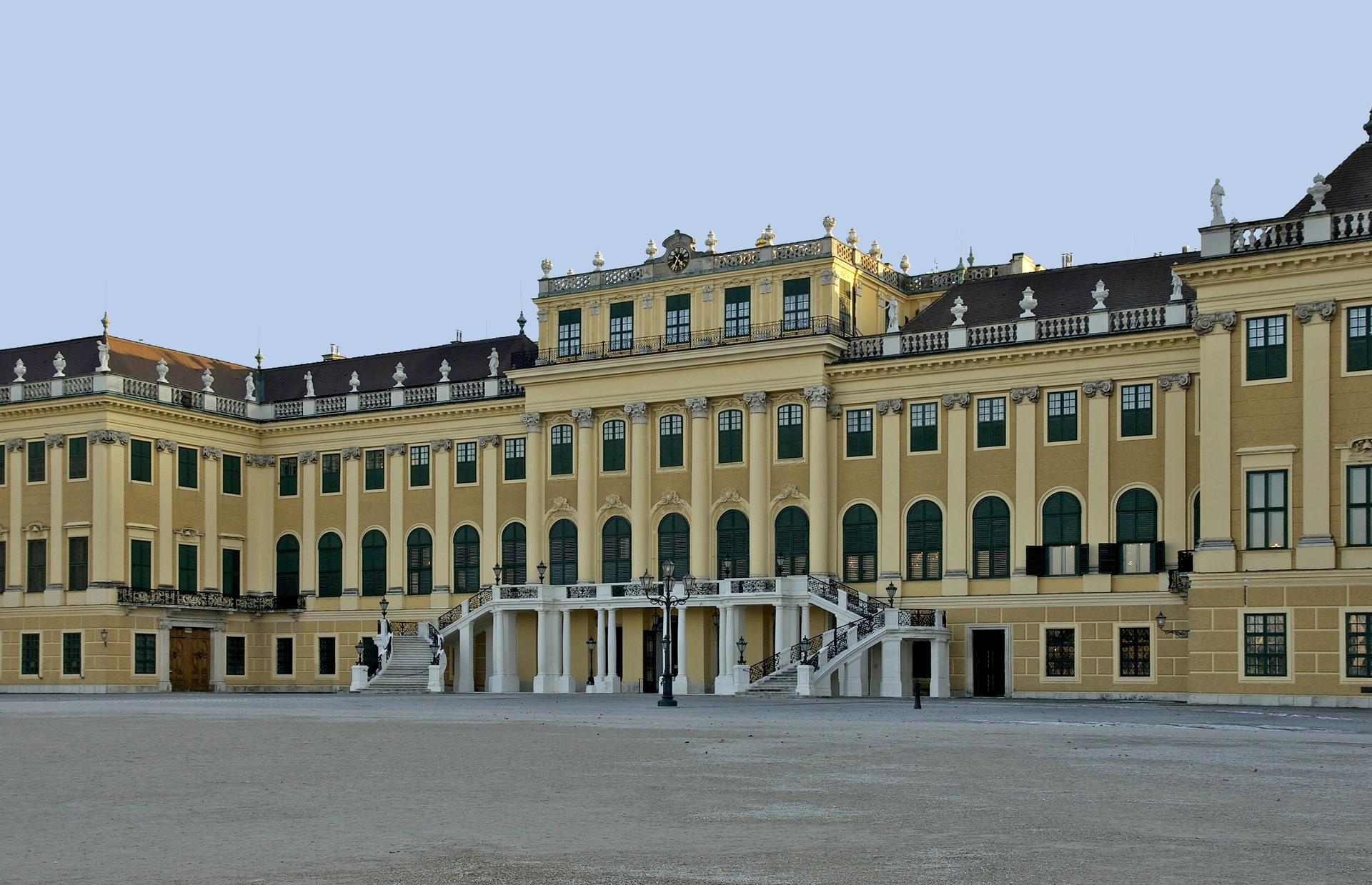
Looking beyond Nussdorfer Wehr? Discover Vienna for broader travel guides, local hot-spots, and regional highlights.
Explore Vienna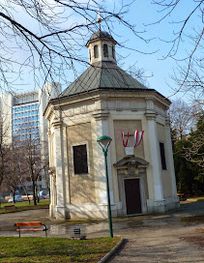
Discover the Brigittakapelle in Vienna: a baroque chapel with legends, now a Georgian Orthodox church, offering a unique blend of history and faith.
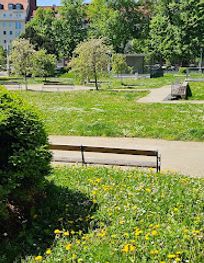
A tranquil park in Vienna's Döbling district, commemorating the February Uprising of 1934, offering green space and historical reflection.
