Gänsemädchenbrunnen, Vienna Travel Guide
Free Guide: A charming Viennese landmark, the Goose Girl Fountain tells a story of history and art in the heart of Mariahilf.


A brief summary of Gänsemädchenbrunnen
A charming Viennese landmark, the Goose Girl Fountain tells a story of history and art in the heart of Mariahilf.
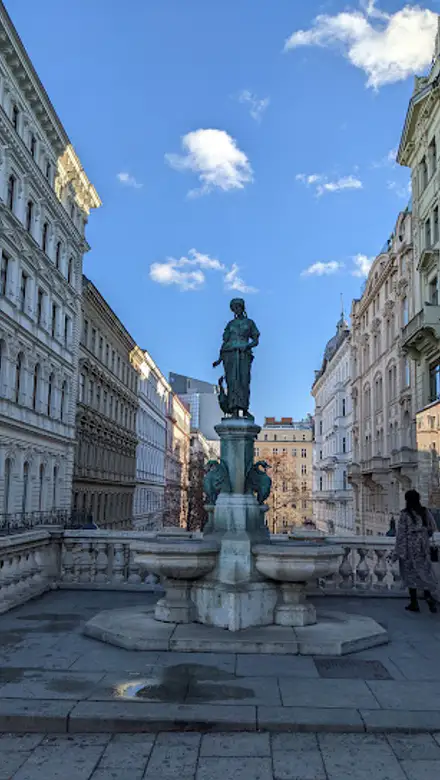
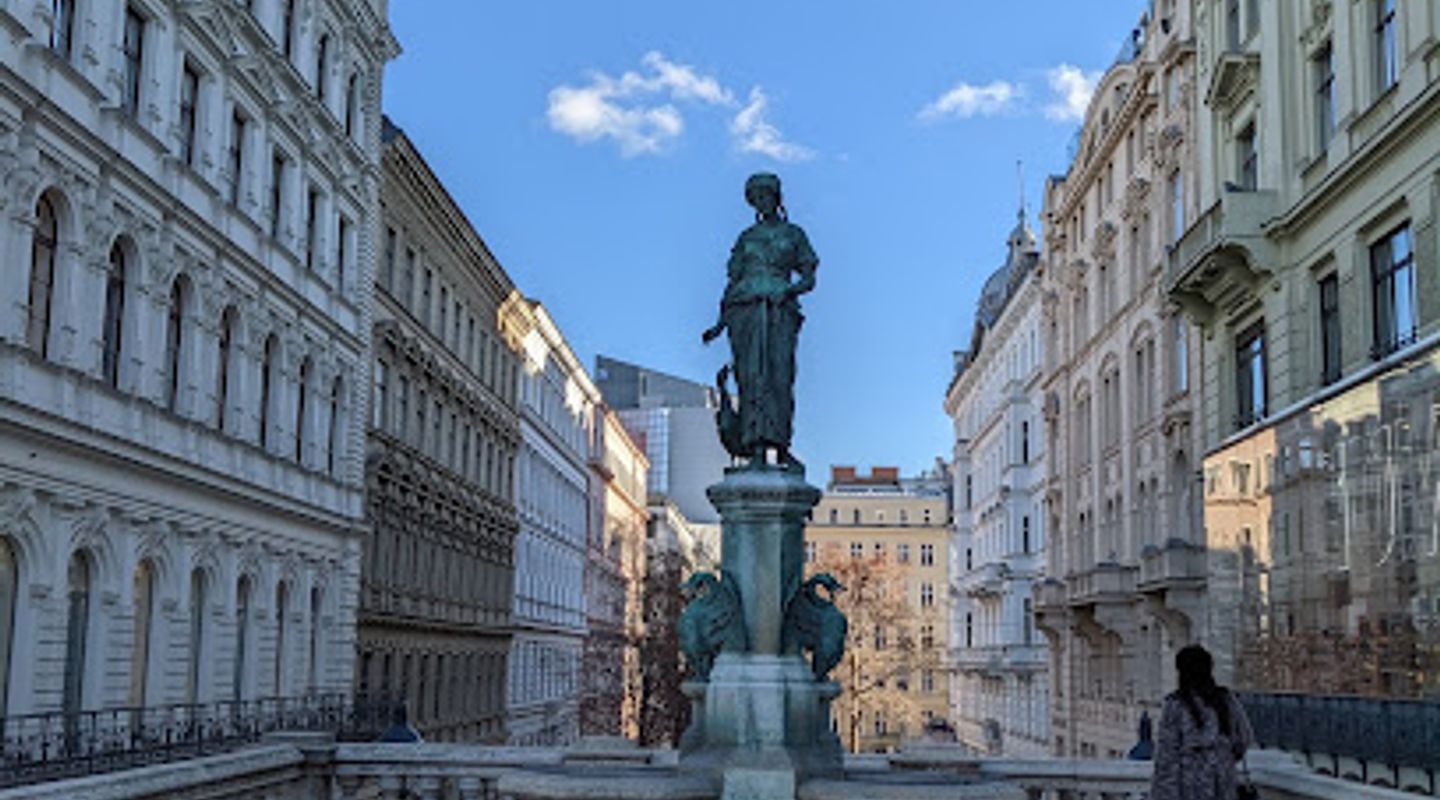
The Gänsemädchenbrunnen, or Goose Girl Fountain, is a charming historical landmark in Vienna's Mariahilf district. Created by Anton Paul Wagner in 1865-66, the bronze fountain depicts a young girl tending to her geese. Relocated several times throughout its history, it now resides near the Rahlstiege, offering a glimpse into old Vienna.
Opening hours
- Every dayOpen 24 hours
Opening hours as listed on the venue’s Google Business Profile. Hours can change for services and special events, so check with the venue before you go.
- Address
- Mariahilfer Str. 1B, 1060 Wien
- Website
Getting there
Walking
Public Transport
Taxi
Discover more about Gänsemädchenbrunnen
Overview
The Gänsemädchenbrunnen, or Goose Girl Fountain, is a delightful piece of Viennese history nestled in the Mariahilf district. Created in 1865-66 by Anton Paul Wagner, the fountain features a bronze sculpture of a young girl herding geese. The geese, with their wings spread, serve as spouts into the pools below.Originally, the fountain stood in the old Viennese goose market on Brandstätte, near St. Stephen's Cathedral. However, due to urban redevelopment, it was moved to Mariahilfer Church in 1879. In 1886, it was moved again to make way for a Haydn monument, eventually finding a home for sixty years near the Rahlstiege. During World War II, it was stored in the Seegrotte, a former mine in Mödling. The fountain was restored and reinstalled near the Rahlstiege in 1948, where it remains today.The Gänsemädchenbrunnen offers a serene escape from the bustling city. Illuminated at night, it creates a magical atmosphere, attracting both locals and tourists. The fountain is a reminder of Vienna's rich past and artistic heritage.
Evendo Review Centre
 Google
Guest reviews
Explore Gänsemädchenbrunnen on the map
A handpicked selection of must-see spots near Gänsemädchenbrunnen, mapped for you.
Get your free copy of our complete guide to Gänsemädchenbrunnen, delivered straight to you.
Everything on this page, from opening hours and how to get there to Eve’s tips and the best time to go, in one PDF you can read offline, print or share.
Already have an account? Sign in
Your Gänsemädchenbrunnen guide is ready.
We'll send it to · Not you? Sign out

Getting your guide ready…
We are putting together a fresh copy of the Gänsemädchenbrunnen guide. This can take up to a minute.
This can take a few moments. If your browser asks, choose Allow so the download can start. You'll find the guide in your Downloads folder.
Nothing happened? Download it again
Sorry, the guide is taking longer than usual. Please try again in a minute, or get it by email instead.
Unlock the best of Gänsemädchenbrunnen
Skip-the-line tickets, guided tours with entry, and walking tours of the area, booked in a few clicks.
Other nearby places you may find interesting
The closest places of the same kind, if this one is not quite what you had in mind.
-
-
-
-
-


Swipe for more places
More to explore near Gänsemädchenbrunnen

 Best experiences near Gänsemädchenbrunnen
 Best hotels near Gänsemädchenbrunnen
 Best landmarks near Gänsemädchenbrunnen
 Best attractions near Gänsemädchenbrunnen
 Best shops near Gänsemädchenbrunnen
 Best restaurants near Gänsemädchenbrunnen
 Best bars near Gänsemädchenbrunnen
Do you manage this location?
Take control to get all the benefits, like improved information, better appearance, and stronger visibility across AI-powered discovery.
Explore more
Explore more of Mariahilf
Discover Mariahilf in Vienna: A blend of historic charm, cultural richness, and culinary delights, perfect for art lovers and foodies alike.
Explore Mariahilf
Explore more of Vienna
Discover Vienna: A harmonious blend of imperial grandeur, classical music heritage, and modern culture, offering unforgettable experiences at every turn.
Explore Vienna