

Mariahilf (Vienna) Travel Guide - Free
Explore Mariahilf in Vienna with Evendo's free guide. Find the best shops, historic streets, restaurants, and gems on web or mobile.


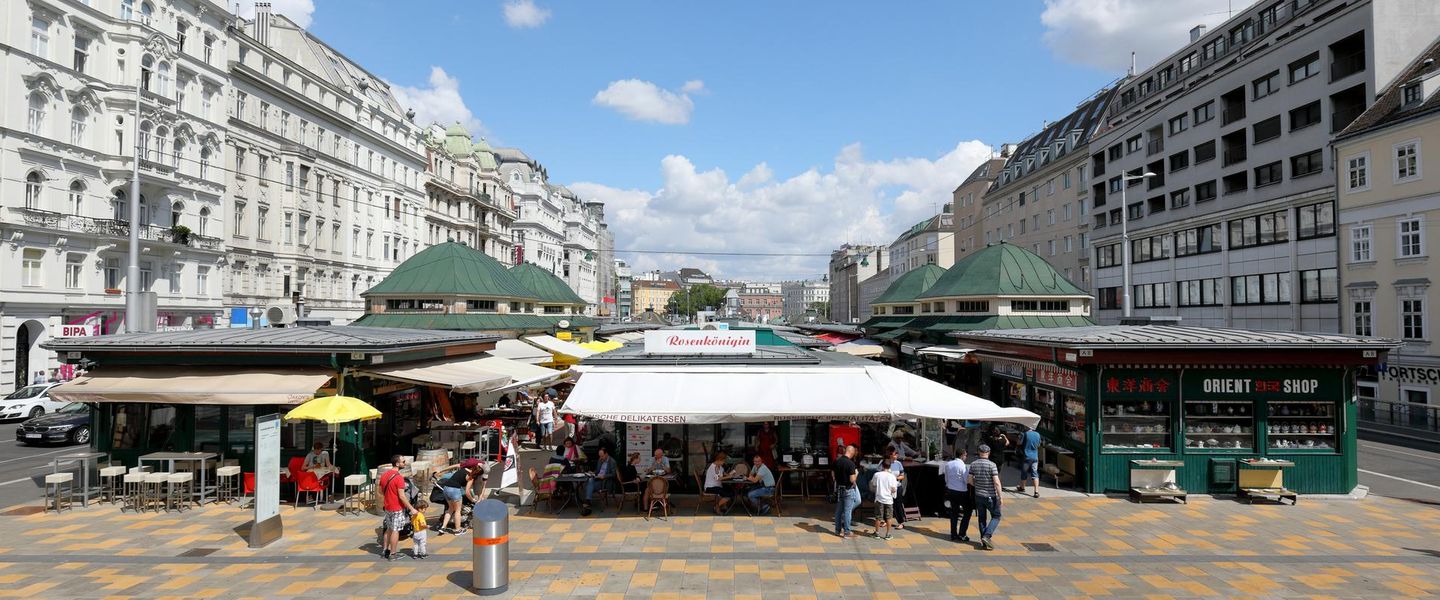


Mariahilf, Vienna’s lively sixth district, pairs Mariahilfer Straße shopping with Naschmarkt flavours, theatre, design, historic churches and cafés.
Between Shopping Streets and the Wien River
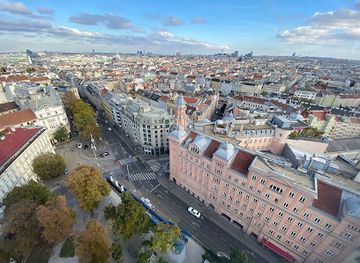
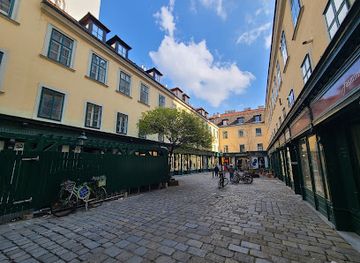
Mariahilf occupies Vienna’s compact sixth district, stretching from the commercial spine of Mariahilfer Straße towards the Wien River and the Naschmarkt. Its streets rise and fall gently across a dense urban landscape of nineteenth-century apartment buildings, narrow lanes and busy junctions, while the district’s western and southern edges connect naturally with the Gürtel, the city centre and neighbouring districts. Mariahilfer Straße brings major retail and excellent public transport, but the neighbourhood becomes more intimate on Gumpendorfer Straße, Otto-Bauer-Gasse and the smaller streets around the district’s historic villages.Read more about Mariahilf
Historic Layers and Local Landmarks
Cafés, Design and Evening Life
Best attractions in Mariahilf
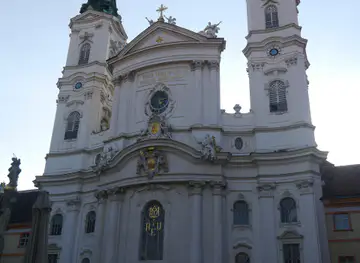
Mariahilf’s attractions are closely woven into its streets rather than concentrated in one monumental complex. The Mariahilfer Kirche gives Mariahilfer Straße its name and remains a prominent Baroque-era church, while Esterházypark combines a small green space with the imposing former flak tower that houses Haus des Meeres. Haydnhaus, the former home of composer Joseph Haydn, offers a more intimate historical visit on Haydngasse. The southern edge leads towards Naschmarkt, whose stalls, arcades and neighbouring cafés provide one of Vienna’s most recognisable food-and-street-life experiences, although the market extends into Wieden. Theatre enthusiasts can explore the Raimund Theater and Theater an der Wien, both associated with Vienna’s strong performance culture. Between these fixed points, the district rewards unhurried walks through Gumpendorf, along Gumpendorfer Straße and down towards the Wien River.
-
Tourist attraction
Esterházypark
Discover Esterházypark in Vienna: recreation, history, and urban nature blend seamlessly in this vibrant green space with the unique Haus des Meeres.
2 min walk · 0.2 km from neighbourhood centre
-
Tourist attraction
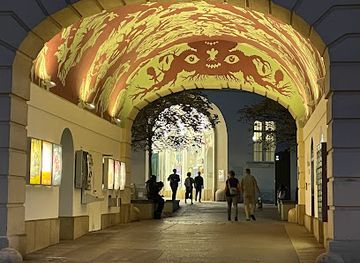
Kabinettpassage
Discover Vienna's hidden artistic heart in Kabinettpassage: a unique blend of independent shops, vibrant art installations, and cozy cafes.
11 min walk · 0.9 km from neighbourhood centre
-
Tourist attraction
Goldenes Haus
Admire the gilded facade of Goldenes Haus, a Jugendstil masterpiece by Otto Wagner and Koloman Moser, showcasing Vienna's Secessionist art movement.
7 min walk · 0.6 km from neighbourhood centre
-
Tourist attraction
Geburtshaus Ferdinand Raimunds
Visit the birthplace of Ferdinand Raimund on Vienna's Mariahilfer Straße, a tribute to the celebrated Austrian playwright and a glimpse into the city's theatrical history.
6 min walk · 0.5 km from neighbourhood centre
Best landmarks in Mariahilf
Mariahilf’s landmarks reveal the district’s successive religious, military, musical and commercial roles. The Mariahilfer Kirche is the neighbourhood’s defining historic church and the source of its name. In Esterházypark, the massive wartime flak tower is an unmistakable modern landmark; its conversion into Haus des Meeres gives the structure a public cultural use while leaving its original form visible. Haydnhaus on Haydngasse preserves a domestic connection with Joseph Haydn and Vienna’s musical history. The Raimund Theater represents the district’s long association with popular theatre, while Theater an der Wien adds a major historical performing-arts presence near the Naschmarkt. The market itself is also a landmark of urban commerce, though its full length crosses into neighbouring Wieden.
-
Park
Esterházypark
A vibrant Viennese park offering recreation, history, and a unique aquarium experience in the heart of Mariahilf, easily accessible to all visitors.
2 min walk · 0.2 km from neighbourhood centre
-
Tourist attraction
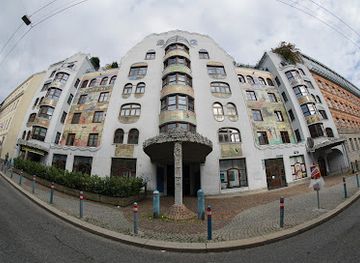
Arik-Brauer-Haus
Discover Vienna's whimsical Arik-Brauer-Haus, a vibrant apartment building showcasing Fantastic Realism with colorful murals and rooftop gardens.
14 min walk · 1.1 km from neighbourhood centre
-
Historical landmark
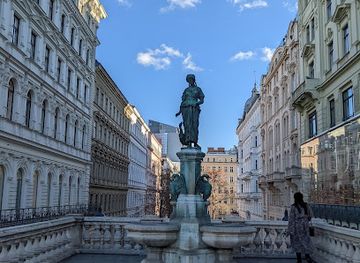
Gänsemädchenbrunnen
A charming Viennese landmark, the Goose Girl Fountain tells a story of history and art in the heart of Mariahilf.
11 min walk · 0.9 km from neighbourhood centre
-
Historical landmark
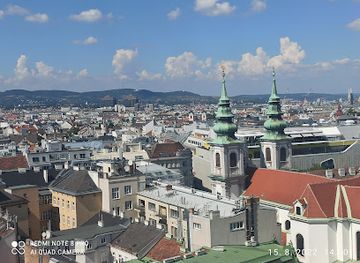
Leitturm Esterhazypark
Explore Vienna's WWII flak tower turned aquarium, offering panoramic city views and a unique blend of history and marine life.
2 min walk · 0.2 km from neighbourhood centre
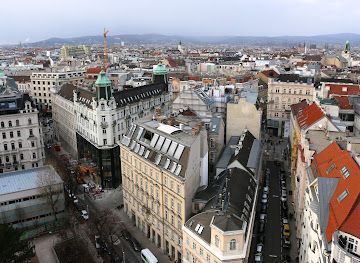
Explore Mariahilf on the map
A handpicked selection of must-see spots in Mariahilf, mapped for you.
Best hotels in Mariahilf
Best restaurants in Mariahilf
Mariahilf’s dining scene reflects its position between a major shopping avenue, an old working neighbourhood and the market corridors beside the Wien River. Naschmarkt, along the district’s southern edge, offers produce stalls, prepared foods and restaurants with international influences, while the surrounding streets provide cafés, bakeries and casual places to eat. Gumpendorfer Straße and the lanes around it are more useful for discovering the district’s everyday restaurant culture, with Austrian cooking appearing alongside Mediterranean, Middle Eastern and Asian options. Coffeehouses and small cafés remain important to the local rhythm, especially for a pause between shops and theatres. The district is not defined by one single cuisine; its appeal lies in the mixture of long-established Viennese habits, immigrant-influenced cooking and contemporary independent businesses in a dense, walkable setting.
-
Restaurant
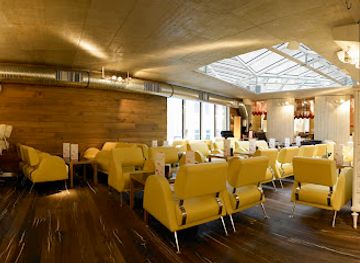
Freiraum
Discover Freiraum in Vienna: A delightful restaurant blending local flavors with international cuisine for an unforgettable dining experience.
8 min walk · 0.6 km from neighbourhood centre
-
Italian
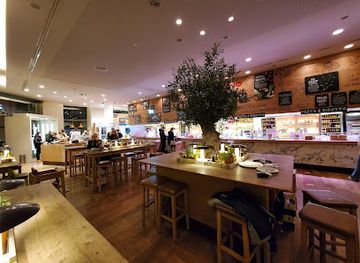
VAPIANO Wien Mariahilferstraße
Experience authentic Italian cuisine at VAPIANO Wien Mariahilferstraße – where fresh ingredients meet vibrant atmosphere in the heart of Vienna.
8 min walk · 0.7 km from neighbourhood centre
-
Restaurant
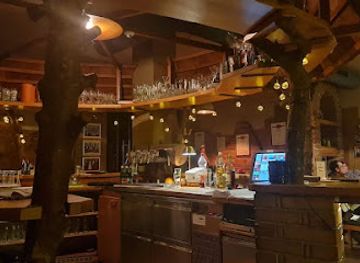
Bauernbräu
Discover authentic Austrian flavors at Bauernbräu in Vienna – where traditional cuisine meets warm hospitality.
14 min walk · 1.1 km from neighbourhood centre
-
Greek
Mythos Restaurant
Discover authentic Greek flavors at Mythos Restaurant in Vienna – where every meal is a celebration of Mediterranean culinary traditions.
7 min walk · 0.6 km from neighbourhood centre
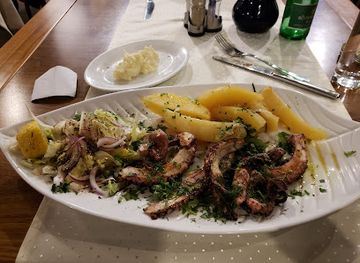
Best bars in Mariahilf
Mariahilf’s evening life is varied but more urban and mixed-use than club-focused. The streets around Gumpendorfer Straße and the southern side of Mariahilfer Straße contain bars, cafés that stay open into the evening and informal meeting places, while Naschmarkt’s restaurants create a steady after-dark atmosphere without turning the whole area into a nightlife strip. The district’s strongest cultural evenings often revolve around theatre, particularly at the Raimund Theater and Theater an der Wien, with nearby venues providing places to meet before or after a performance. Some smaller bars and music-oriented spaces operate on side streets, but opening arrangements and programmes change. Visitors should expect lively pockets alongside quiet residential blocks and should keep noise down when leaving late at night.
-
Bar
Freiraum
Discover Freiraum in Vienna: a lively bar and restaurant offering delicious brunch, pizza, and a vibrant atmosphere for tourists to enjoy.
8 min walk · 0.6 km from neighbourhood centre
-
Bar
Addicted to Rock
Experience the ultimate burger bliss at Addicted to Rock, Vienna's top bar and restaurant blending American and Austrian flavors.
12 min walk · 1.0 km from neighbourhood centre
-
Irish pub
Laurel Leaf Irish Pub Vienna
Discover the vibrant atmosphere and traditional Irish flavors at Laurel Leaf Irish Pub in Vienna, where locals and tourists come together.
8 min walk · 0.7 km from neighbourhood centre
-
Bar
CHEZ BERNARD Restaurant et Bar
Discover the perfect blend of culinary excellence and vibrant nightlife at CHEZ BERNARD in Vienna, where every meal is a celebration.
2 min walk · 0.2 km from neighbourhood centre
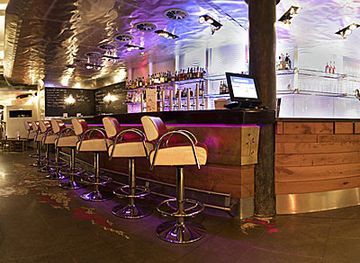
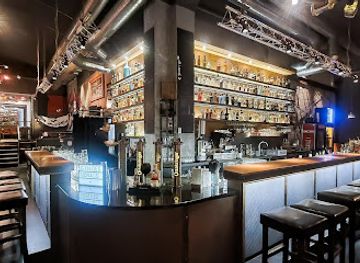
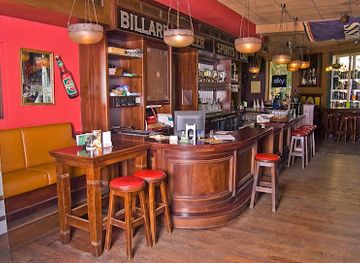
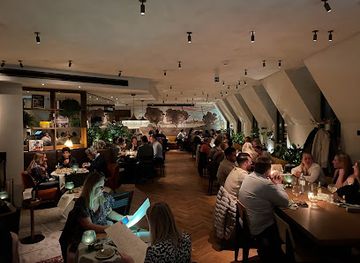
Best nightclubs in Mariahilf
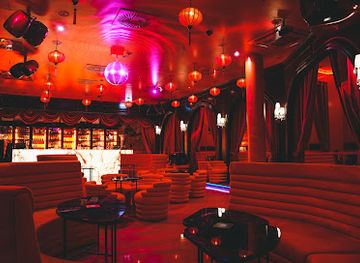
Mariahilf’s evening life is varied but more urban and mixed-use than club-focused. The streets around Gumpendorfer Straße and the southern side of Mariahilfer Straße contain bars, cafés that stay open into the evening and informal meeting places, while Naschmarkt’s restaurants create a steady after-dark atmosphere without turning the whole area into a nightlife strip. The district’s strongest cultural evenings often revolve around theatre, particularly at the Raimund Theater and Theater an der Wien, with nearby venues providing places to meet before or after a performance. Some smaller bars and music-oriented spaces operate on side streets, but opening arrangements and programmes change. Visitors should expect lively pockets alongside quiet residential blocks and should keep noise down when leaving late at night.
-
Night club
Camera Club
Discover the energetic ambiance and diverse music of Camera Club, Vienna's premier night club for an unforgettable nightlife experience.
3 min walk · 0.3 km from neighbourhood centre
-
Bar
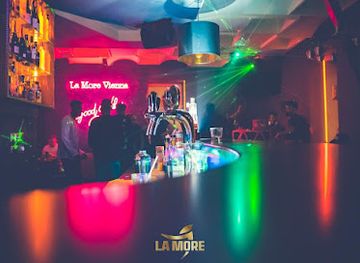
La More Vienna
Experience the vibrant nightlife at La More Vienna, where creative cocktails and a lively atmosphere await every visitor.
13 min walk · 1.0 km from neighbourhood centre
-
Night club
ra'mien Bar
Discover the electrifying nightlife of Vienna at ra'mien Bar, where vibrant cocktails and music create unforgettable experiences.
10 min walk · 0.8 km from neighbourhood centre
-
Night club
DOTS the Hidden Club
Discover the electrifying nightlife at DOTS the Hidden Club, where music, cocktails, and dance create an unforgettable experience in Vienna.
5 min walk · 0.4 km from neighbourhood centre

Best shops in Mariahilf
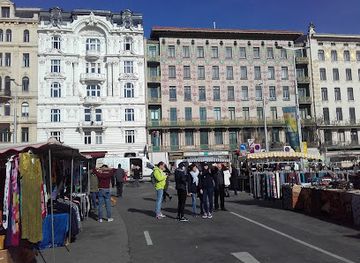
Shopping is one of Mariahilf’s defining activities, led by Mariahilfer Straße and its mixture of department stores, international chains, specialist retailers and cafés. The main avenue can feel highly commercial, but the side streets reveal a more independent retail culture, including design-led shops, fashion businesses, small lifestyle stores and local services. Gumpendorfer Straße has a less uniform, more neighbourhood-oriented selection, while the streets around Naschmarkt are useful for food shopping, spices, produce and ingredients influenced by Vienna’s international communities. The district is also associated with creative retail and small-scale design rather than only conventional high-street shopping. Because Mariahilfer Straße forms an important boundary area, some businesses or addresses marketed as part of the shopping zone technically lie in neighbouring Neubau; visitors can move between the areas easily, but the distinction matters geographically.
-
Shopping mall
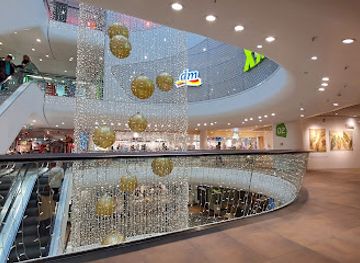
Kaufhaus Gerngross
Explore Kaufhaus Gerngross, a vibrant shopping mall in Vienna featuring over 100 stores, dining options, and a unique blend of historic and modern charm.
5 min walk · 0.4 km from neighbourhood centre
-
Gift shop
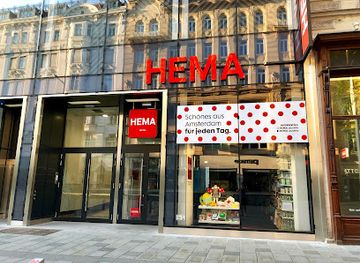
HEMA
Explore HEMA in Vienna for an eclectic mix of gifts, clothing, cosmetics, and more, all in a vibrant shopping atmosphere.
3 min walk · 0.2 km from neighbourhood centre
-
Store
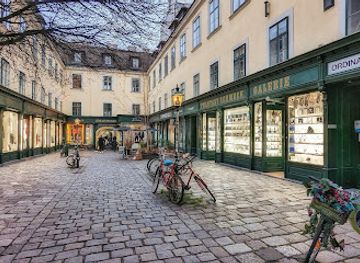
Raimundhof Wien
Discover Raimundhof Wien: A Cultural Haven of Art, Fashion, and Gastronomy in the Heart of Vienna.
6 min walk · 0.4 km from neighbourhood centre
-
Vintage clothing store
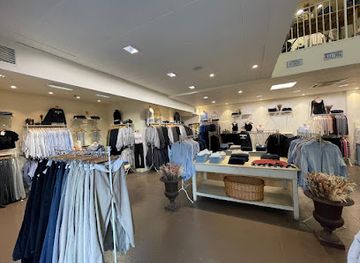
Vintage Fabrik
Discover hidden gems at Vintage Fabrik, Vienna’s premier vintage clothing store offering unique styles and sustainable fashion choices.
8 min walk · 0.7 km from neighbourhood centre
Mariahilf essentials
Getting There
Getting Around
Safety
Emergency Situations
Do's and Don'ts
Local Tips

From Eve
Local phrases worth knowing
You don't need to get them perfect. A few words go a long way, and locals appreciate the effort.
Basics
| English | Local | Say it |
|---|---|---|
| Hello | Servus | [Zer-voos] |
| Goodbye | Auf Wiedersehen | [Owf Vee-der-zay-en] |
| Yes | Ja | [Yah] |
| No | Nein | [Nine] |
| Please/You're welcome | Bitte | [Bit-teh] |
| Thank you | Danke | [Dank-eh] |
| Excuse me/Sorry | Entschuldigung | [Ent-shool-dee-goong] |
| How are you? | Wie geht es dir? | [Vee geht es deer] |
| Fine. And you? | Gut. Und dir? | [Goot. Oond deer] |
| Do you speak English? | Sprechen Sie Englisch? | [Shpre-khen Zee Eng-leesh] |
| I don't understand | Ich verstehe nicht | [Eekh fair-shta-eh neekt] |
Eating & Drinking
| English | Local | Say it |
|---|---|---|
| I'd like to see the menu, please | Ich möchte die Speisekarte sehen, bitte | [Eekh mer-khe de Spey-zuh-kar-teh zay-en, bit-teh] |
| I don't eat meat | Ich esse kein Fleisch | [Eekh ess-eh kine Fly-sh] |
| Cheers! | Prost! | [Prohst] |
| I would like to pay, please | Ich möchte bezahlen, bitte | [Eekh mer-khe beh-tsa-len, bit-teh] |
Emergencies
| English | Local | Say it |
|---|---|---|
| Help! | Hilfe! | [Hil-fuh] |
| Go away! | Geh weg! | [Geh vehg] |
| Call the Police! | Rufen Sie die Polizei! | [Roo-fen Zee dee Po-lee-tsay] |
| Call a doctor! | Rufen Sie einen Arzt! | [Roo-fen Zee i-nen Ahrts] |
| I'm lost | Ich bin verloren | [Eekh been fair-loh-ren] |
| I'm ill | Ich bin krank | [Eekh been krank] |
Shopping
| English | Local | Say it |
|---|---|---|
| I'd like to buy... | Ich möchte kaufen... | [Eekh mer-khe kou-fen] |
| I'm just looking | Ich schaue nur | [Eekh shou-eh noor] |
| How much is it? | Wie viel kostet es? | [Vee feel kohs-tet es] |
| That's too expensive | Das ist zu teuer | [Dahs ist tsoy toy-er] |
| Can you lower the price? | Können Sie den Preis senken? | [Kooh-nen Zee den Preis zen-ken] |
Time & Numbers
| English | Local | Say it |
|---|---|---|
| What time is it? | Wie spät ist es? | [Vee shpayt ist es] |
| It's one o'clock | Es ist ein Uhr | [Es ist iyn oor] |
| Half past (10) | Halb zehn | [Hahlp tsayn] |
| Morning | Morgen | [Mor-gen] |
| Afternoon | Nachmittag | [Nah-kh-mit-tahg] |
| Evening | Abend | [Ah-bent] |
| Yesterday | Gestern | [Ges-tern] |
| Today | Heute | [Hoy-teh] |
| Tomorrow | Morgen | [Mor-gen] |
| 1 | Eins | [Iyns] |
| 2 | Zwei | [Tzvey] |
| 3 | Drei | [Dry] |
| 4 | Vier | [Feer] |
| 5 | Fünf | [Foonf] |
| 6 | Sechs | [Zeks] |
| 7 | Sieben | [Zee-ben] |
| 8 | Acht | [Akht] |
| 9 | Neun | [Noy-n] |
| 10 | Zehn | [Tsayn] |
Transport & Directions
| English | Local | Say it |
|---|---|---|
| Where's a/the...? | Wo ist ein/der...? | [Vo ist iyn/dehr] |
| What's the address? | Wie ist die Adresse? | [Vee ist dee Ah-dreh-suh] |
| Can you show me (on the map)? | Können Sie mir zeigen (auf der Karte)? | [Kooh-nen Zee meer tsay-gen (ouf dehr Kar-teh)] |
| When's the next (bus)? | Wann kommt der nächste (Bus)? | [Vahn kommt dehr nekhs-teh (Boos)] |
| A ticket (to ....) | Eine Fahrkarte (nach ....) | [Iyn-eh Fahr-kar-teh (nakh)] |
History of Mariahilf
Villages Before Vienna’s Expansion
Mariahilf developed from several settlements outside Vienna’s historic walls, notably Gumpendorf, Laimgrube, Windmühle and Magdalenengrund. Their names survive in streets and local place names, while the irregular pattern of some lanes recalls a period when the area was made up of villages, gardens, small workshops and country houses rather than continuous city blocks. Gumpendorf in particular grew along the Wien River and the route now associated with Gumpendorfer Straße. The district’s later identity was therefore assembled from several local communities rather than created as a single planned quarter.
The Mariahilf Pilgrimage Centre
The neighbourhood took its name from the Mariahilfer Kirche, whose devotional image of Maria Hilf helped establish the area as a pilgrimage destination. The church became a powerful local landmark as settlement expanded along the road leading west from Vienna. Its presence influenced the name of both the district and the major thoroughfare, Mariahilfer Straße. Although the surrounding area later became densely urban and commercial, the church still provides a visible link with the district’s earlier religious identity and with the routes that connected Vienna to its western suburbs.
Incorporation and Urban Growth
In 1850 Vienna incorporated numerous surrounding suburban communities, bringing the settlements that formed Mariahilf into the expanding capital. Industrialisation, population growth and improved roads encouraged continuous building during the nineteenth century, replacing many gardens and detached properties with apartment houses, shops and workshops. Mariahilfer Straße became an important commercial route, while the Wien River corridor supported movement and small-scale industry. The district’s dense Gründerzeit streetscape, with multi-storey blocks, courtyards and ground-floor businesses, largely reflects this period of rapid urban development.
A District Reorganised
Mariahilf’s boundaries and administrative identity changed as Vienna reorganised its growing inner suburbs. In 1861 the former sixth district was divided, and the newly formed Neubau took a substantial northern portion, leaving Mariahilf as the smaller district recognised today. Further changes to Vienna’s administrative structure later placed adjoining areas in separate districts, reinforcing the importance of boundary awareness around Mariahilfer Straße, the Naschmarkt and the Gürtel. This history explains why the modern district is compact yet contains several distinct localities, each with its own older name and character.
The Modern Cultural Quarter
During the twentieth century Mariahilf remained a mixed residential, commercial and cultural district rather than becoming a single-purpose business area. The Raimund Theater and Theater an der Wien helped maintain its theatrical associations, while the former anti-aircraft tower in Esterházypark became a conspicuous reminder of the Second World War. In recent decades, the retail prominence of Mariahilfer Straße has been complemented by independent design businesses, cafés, restaurants and creative venues on surrounding streets. The district’s contemporary identity rests on this overlap between established urban infrastructure, historic buildings and changing small-scale commerce.
Mariahilf in Photos
Browse through our photo collection highlighting the charm and character of the destination.
Neighbourhoods near Mariahilf
The closest neighbourhoods to Mariahilf, if you have time for more than one stop.
-

-
-

-

-


Swipe for more neighbourhoods
Explore more

Explore more of Vienna
Vienna blends imperial palaces, classical music, grand coffeehouses and contemporary culture in Austria’s elegant capital, rich in history, art and architecture.
Explore Vienna