
Background

Shah Abbas Mosque: A Jewel of Ganja

Explore the historical Shah Abbas Mosque in Ganja, a stunning example of Islamic architecture and a symbol of Azerbaijan's cultural heritage.

4.6

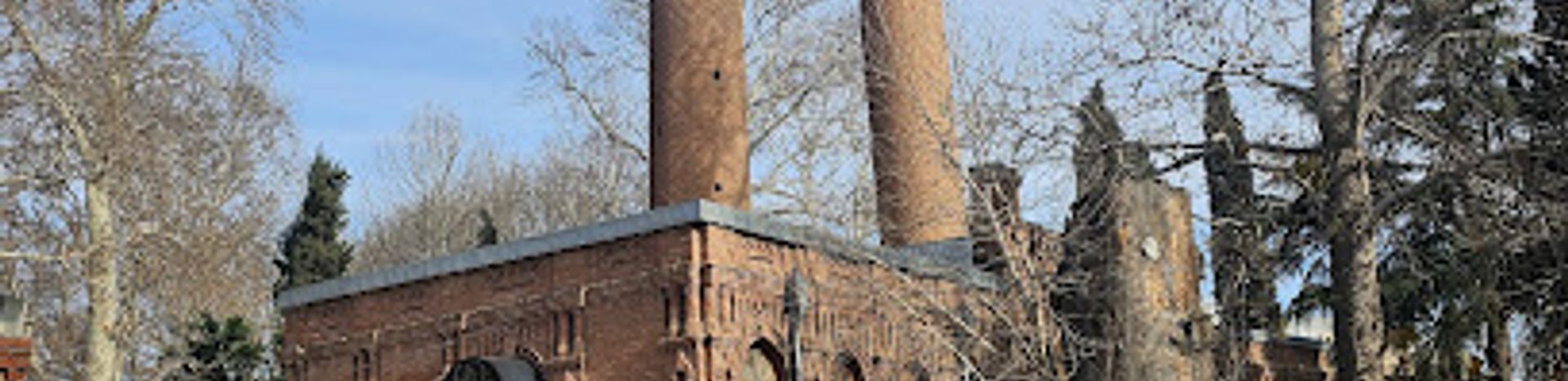
The Shah Abbas Mosque, also known as the Juma Mosque, is a historical and spiritual landmark in Ganja, Azerbaijan. Built in the early 17th century during the Safavid dynasty, the mosque showcases traditional Islamic architecture and Ganja's rich cultural heritage.

A brief summary to Shah Abbas Mosque

  • M9H5+2G9, Shah Ismayil Khetayi Ave, Ganja, AZ

Local tips

  • Dress modestly and respectfully when visiting the mosque. Women are advised to cover their heads.
  • Maintain a quiet and respectful demeanor, especially during prayer times.
  • Visit early in the morning or late afternoon to avoid crowds and the midday heat.
  • Take your time to admire the intricate designs, beautiful brickwork, and Islamic calligraphy that adorn the mosque.
widget icon

Getting There

  • Walking

    The Shah Abbas Mosque is located in the city center, near the Ganja Executive Power's building and the central H.Aliyev square. From most central locations, it's easily accessible by foot, typically within a 5-10 minute walk.

  • Public Transport

    Ganja has an extensive public transportation system of buses and minibuses. Look for buses displaying signs for 'Merkez' (center) or ask the driver if they pass near the Heydar Aliyev Avenue. A single bus fare costs approximately 0.35 AZN.

  • Taxi

    Taxis are readily available in Ganja. You can hail one on the street or use a ride-hailing app. A short taxi ride from anywhere in the city center to the mosque should cost around 2-3 AZN. It's advisable to negotiate the fare beforehand, as many taxis do not use meters.

Unlock the Best of Shah Abbas Mosque

Buy tickets

    No tickets available

Book tours with entry

    No tours available

Book tours without entry

    No tours available

Discover more about Shah Abbas Mosque

The Shah Abbas Mosque, a prominent landmark in Ganja, Azerbaijan, stands as a testament to the city's rich history and Islamic heritage. Constructed in 1606 during the reign of Shah Abbas I of the Safavid dynasty, the mosque is also known as the Juma Mosque, reflecting its importance as a central place of worship. The mosque embodies the Arran architectural style, characterized by its red brick construction, graceful domes, and minarets. The mosque's exterior is particularly striking, featuring intricate brickwork and Islamic calligraphy. The windows are adorned with 'shabaka,' a stained glass art form where pieces of colored glass are held together by a wooden lattice without glue or nails. Two stone inscriptions, one in Arabic and the other in Persian, are preserved above the entrance arch. The interior boasts a spacious prayer hall divided into sections for men and women, and a stalactite mihrab on the south wall serves as the aesthetic focal point. A unique wooden mimbar (pulpit), crafted from various types of wood without using any nails, is decorated with picturesque miniatures. Over the centuries, the Shah Abbas Mosque has undergone several renovations to preserve its grandeur. In 2008, a major restoration project was initiated to address damages and reinforce its structure. The mosque is not only a place of worship but also a cultural and historical monument, attracting tourists and pilgrims alike. The mosque is open daily from 9:00 AM to 6:00 PM, and admission is free.

Popular Experiences near Shah Abbas Mosque

Popular Hotels near Shah Abbas Mosque

Select Currency