

Free Ganja-Gazakh Region Travel Guide & Mobile App
Explore Ganja-Gazakh Region with free travel guides. Discover regional history, expert tips, proposed trips, and audio guides on web or mobile app.


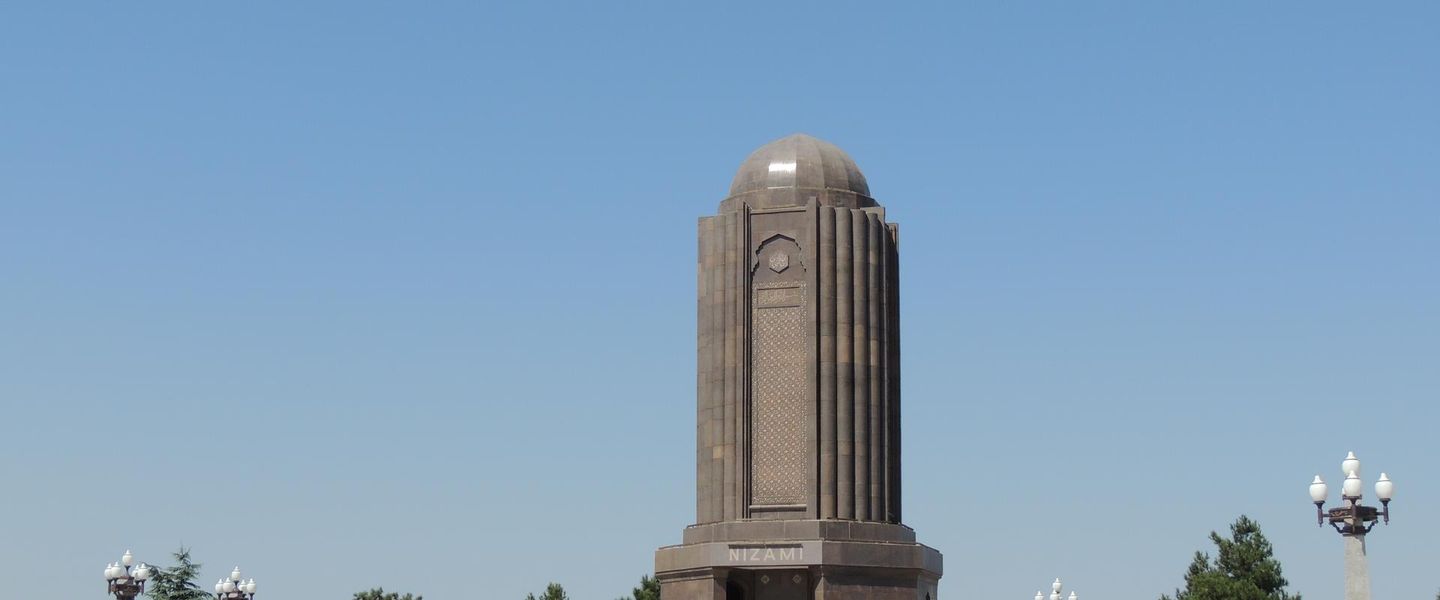


Explore Ganja-Gazakh in western Azerbaijan for historic Ganja, mountain lakes, vineyards, mineral spas and Lesser Caucasus landscapes.
Read more about Ganja-Gazakh Region
When is the best time to visit Ganja-Gazakh Region?
Best: May–June, September · 24–29°C| Month | High (°C) | Rainfall (mm) |
|---|---|---|
| January | 6 | 18 |
| February | 8 | 21 |
| March | 13 | 25 |
| April | 20 | 32 |
| May (best) | 24 | 35 |
| June (best) | 29 | 25 |
| July | 32 | 17 |
| August | 31 | 14 |
| September (best) | 27 | 16 |
| October | 18 | 25 |
| November | 11 | 29 |
| December | 7 | 21 |
Getting to and around Ganja-Gazakh Region
How to get there
Transportation
Top city travel guides in Ganja-Gazakh Region
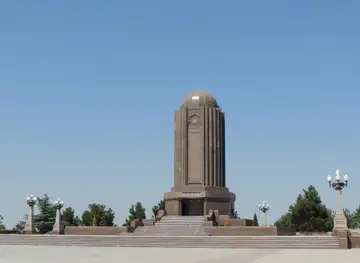
The cities of Ganja-Gazakh Region, and the easiest places to base yourself.
-
-


Swipe for more cities
Destinations in Ganja-Gazakh Region
Resorts, valleys and scenic spots worth a trip of their own.
-

-


Swipe for more destinations
Best attractions in Ganja-Gazakh Region
Ganja provides the region’s strongest concentration of cultural attractions, including the Nizami Ganjavi Mausoleum, the Imamzadeh complex, historic religious architecture, museums and public spaces associated with the city’s literary heritage. The surrounding districts broaden the experience considerably. Göygöl National Park offers forested slopes, mountain scenery and access to the celebrated Göygöl and Maralgol lake landscapes, subject to local access conditions and protected-area rules. The town of Göygöl adds architectural interest through its German-settlement history, while Naftalan focuses on specialised spa and health tourism built around local petroleum traditions. Tovuz and Shamkir are associated with vineyards, agriculture and rural food production, and Gazakh and the western districts contain archaeological and cultural sites linked to the long history of the South Caucasus frontier. Higher areas around Dashkasan and Gadabay appeal to visitors interested in hiking, mountain scenery and cooler summer conditions. Attractions are widely dispersed, so the region is better explored through several bases or well-planned day excursions than through a single urban itinerary.
-
Tourist attraction
Nizami Ganjavi Mausoleum
Explore the Nizami Ganjavi Mausoleum in Ganja, Azerbaijan, a tribute to the legendary poet and a symbol of Azerbaijani culture and history.
-
Orthodox church
Alexander Nevsky Church, Ganja
Explore the Alexander Nevsky Church in Ganja, a historic landmark showcasing Byzantine architecture and interfaith heritage.
-
History museum
Ganja State History and Ethnography Museum
Explore Azerbaijan's second-largest city through captivating artifacts & exhibits at the Ganja State History and Ethnography Museum. A journey through time awaits!
-
 Hiking area
Gülüstan Parkı
Escape to nature in Ganja's Gülüstan Parkı, a green oasis with hiking, scenic views, and tranquility for all ages, perfect for families and outdoor enthusiasts.


Best landmarks in Ganja-Gazakh Region
The Nizami Ganjavi Mausoleum outside Ganja is one of the region’s most recognisable cultural landmarks, commemorating the celebrated twelfth-century poet whose work remains central to Azerbaijani literary identity. The Imamzadeh complex, with its blue-tiled religious architecture and long pilgrimage tradition, is an important spiritual and visual feature of the Ganja area. In the city centre, the Bottle House is a distinctive modern-era curiosity built with glass bottles and has become an emblem of local urban character. Göygöl’s historic streets and surviving German-influenced buildings recall the nineteenth-century settlement of Helenendorf, while the mountain lakes of Göygöl National Park form the region’s best-known natural landmarks. The broad agricultural and vineyard landscapes around Shamkir and Tovuz provide a contrasting rural identity, and the upland terrain of Dashkasan and Gadabay marks the transition from the Kura lowlands to the Lesser Caucasus. Together these places express the region’s mixture of literary memory, religious heritage, migration history and mountain geography.
-
Historical place
Nizami Ganjavi Mausoleum
A majestic monument in Ganja, Azerbaijan, honoring the legacy of the great 12th-century Persian poet, Nizami Ganjavi. A cultural and literary landmark.
-
Airport
Ganja International Airport
Discover Ganja: Your journey begins at Ganja International Airport, connecting you to Azerbaijan's cultural heartland and beyond.
-
Museum
Ganja Castle Doors - Museum of Archaeology and Ethnography
Discover the echoes of empires at Ganja Castle Doors, a gateway to Azerbaijan's rich past and Silk Road history within the Museum of Archaeology.
-
Concert hall
Ganja State Philharmonic Hall
Experience world-class musical performances in a stunning architectural setting at Ganja's cultural heart.


Explore Ganja-Gazakh Region on the map
Plan your trip on one map. See where the top cities, national parks and sights are, and book hotels and experiences in a few clicks.
Best hotels in Ganja-Gazakh Region
Best restaurants in Ganja-Gazakh Region
Dining in Ganja-Gazakh reflects western Azerbaijan’s agricultural setting and the wider culinary traditions of the country. Ganja restaurants commonly serve plov, kebabs, soups, stuffed vegetables, breads, seasonal salads and dairy-based dishes, while cafés and tea houses provide a relaxed setting for conversation and sweets. Rural areas around Shamkir, Tovuz, Samukh and Goranboy are known for orchards, vegetables, grapes and other farm products, although availability follows the seasons. Naftalan’s hotels and treatment resorts usually offer organised dining for guests, while roadside restaurants and village establishments specialise in grilled meats, flatbreads and simple regional meals. Local fruit, preserves and honey make practical food gifts, and vineyard districts may offer wines alongside small tastings of regional produce. Menus can be less extensive outside Ganja, so visitors travelling through the mountains should carry water and plan meals around the principal settlements.
-
Restaurant
PREMIUM HOTEL GANJA
Discover luxury and fine dining at Premium Hotel Ganja – your perfect getaway in Azerbaijan's historic city.
-
Restaurant
Furor Restaurant and Pub
Experience the rich flavors of Azerbaijan at Furor Restaurant and Pub in Ganja—where tradition meets taste.
-
Family-friendly
Aşxana Muzey Restoran
Discover authentic Azerbaijani flavors at Aşxana Muzey Restoran in Ganja - a family-friendly haven for food lovers.
-
Restaurant
Yaşıl göl Restoranı
Experience authentic Azerbaijani cuisine in a serene setting at Yaşıl göl Restoranı, where every meal is a celebration of local flavors.


Best bars in Ganja-Gazakh Region
Nightlife in Ganja-Gazakh is modest and town-centred rather than built around a large club circuit. Ganja has the broadest choice of cafés, tea houses, hotel lounges, restaurants and a limited selection of bars where evenings are generally social and unhurried. Naftalan’s resort hotels provide dining rooms, lounges and occasional evening entertainment for guests, but the town is oriented towards treatment stays rather than late-night nightlife. In Tovuz and Shamkir, wine-related hospitality, restaurants and cafés offer a more relevant evening experience than nightclubs, while smaller towns and mountain districts tend to close early. Live music, family gatherings and tea culture are more characteristic of local evenings than all-night venues. Travellers should confirm current arrangements locally, particularly outside Ganja, and should use reputable taxis when returning to accommodation after dark.
-
Bar
PREMIUM HOTEL GANJA
Discover unparalleled luxury and hospitality at PREMIUM HOTEL GANJA, a perfect blend of comfort and tradition in the heart of Ganja, Azerbaijan.
-
Cafe
London CoffeeShop
Discover the charm of London CoffeeShop in Ganja, where exceptional coffee meets a cozy atmosphere for the perfect café experience.
-
Restaurant
Milli Süfrə
Discover the flavors of Azerbaijan at Milli Süfrə, a culinary gem in Ganja offering authentic dishes in a welcoming atmosphere.
-
Pub
Furor Restaurant and Pub
Experience the vibrant atmosphere and exquisite flavors of Furor Restaurant and Pub, Ganja's must-visit dining destination for steak lovers.


Best nightclubs in Ganja-Gazakh Region
Nightlife in Ganja-Gazakh is modest and town-centred rather than built around a large club circuit. Ganja has the broadest choice of cafés, tea houses, hotel lounges, restaurants and a limited selection of bars where evenings are generally social and unhurried. Naftalan’s resort hotels provide dining rooms, lounges and occasional evening entertainment for guests, but the town is oriented towards treatment stays rather than late-night nightlife. In Tovuz and Shamkir, wine-related hospitality, restaurants and cafés offer a more relevant evening experience than nightclubs, while smaller towns and mountain districts tend to close early. Live music, family gatherings and tea culture are more characteristic of local evenings than all-night venues. Travellers should confirm current arrangements locally, particularly outside Ganja, and should use reputable taxis when returning to accommodation after dark.
-
Pub
Furor Restaurant and Pub
Discover the flavors of Ganja at Furor Restaurant and Pub, where traditional meets contemporary in a vibrant dining experience.
-
Recreation center
Park Karaoke
Experience the joy of singing at Park Karaoke in Ganja, Azerbaijan, where every night is a celebration of music and fun.
-
Bar
Ganja
Experience the vibrant culture of Ganja at the Book Cafe, where delicious drinks and a cozy atmosphere await every traveler.
-
Night club
Aroma Tea Club
Experience the lively atmosphere and delightful beverages at Aroma Tea Club, Ganja's go-to destination for nightlife and socializing.


Best shops in Ganja-Gazakh Region
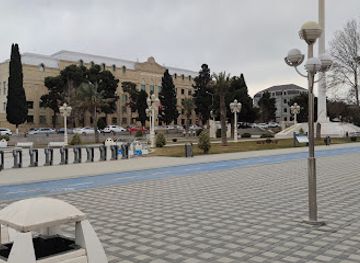
Ganja is the region’s main shopping centre, with everyday high-street retail, food shops, cafés, craft sellers and markets offering a more local atmosphere than Azerbaijan’s large metropolitan malls. Visitors can look for regional sweets, dried fruit, preserves, honey, tea, spices and seasonal produce, while traditional textiles and carpets may be found through specialist sellers rather than ordinary supermarkets. Göygöl and the surrounding districts are suitable places to enquire about locally produced wine and agricultural goods, although cellar sales and tastings may require advance contact. Tovuz and Shamkir offer rural produce and wine-country connections, while Naftalan has shops aimed at spa visitors and locally themed gifts. Handmade items, ceramics and small decorative pieces can make useful souvenirs, but buyers should ask about provenance and obtain proper documentation for valuable carpets or antiques. Markets are generally strongest in the larger towns, and rural shops may accept cash in Azerbaijani manats rather than cards.
-
Shopping mall
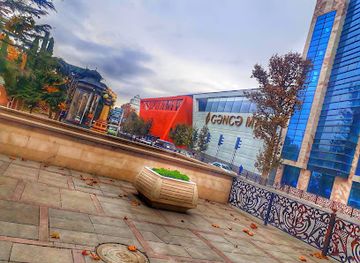
Gəncə Mall
Experience the vibrant shopping culture at Gəncə Mall, where modern retail meets local charm in the heart of Ganja, Azerbaijan.
-
Historical place
Nizami Ganjavi Mausoleum
Discover the Nizami Ganjavi Mausoleum, a breathtaking tribute to the Persian poet in Ganja, Azerbaijan, rich in history and stunning architecture.
-
Shopping mall
Ganja Shopping Mall
Discover the vibrant Ganja Shopping Mall, where shopping, dining, and entertainment come together in a unique Azerbaijani experience.
-
Supermarket
Bazarstore
Discover the best of Azerbaijani flavors at Bazarstore, Ganja's premier supermarket offering a diverse selection of local and international products.


Get your free copy of our complete guide to Ganja-Gazakh Region, delivered straight to you.
Everything on this page, from attractions and restaurants to essentials and local phrases, in one PDF you can read offline, print or share.
Already have an account? Sign in
Your Ganja-Gazakh Region guide is ready.
We'll send it to · Not you? Sign out

Getting your guide ready…
We are putting together a fresh copy of the Ganja-Gazakh Region guide. This can take up to a minute.
This can take a few moments. If your browser asks, choose Allow so the download can start. You'll find the guide in your Downloads folder.
Nothing happened? Download it again
Sorry, the guide is taking longer than usual. Please try again in a minute, or get it by email instead.
Ganja-Gazakh Region essentials
Currency and Payment
Safety
Emergency Situations
Do's and Don'ts
Local Tips
From Eve
Local phrases worth knowing
You don't need to get them perfect. A few words go a long way, and locals appreciate the effort.
Basics
| English | Local | Say it |
|---|---|---|
| Hello | Salam | [sah-lahm] |
| Goodbye | Sağ olun | [sah-ooloon] |
| Yes | Bəli | [beh-lee] |
| No | Xeyr | [khayr] |
| Please/You're welcome | Zəhmət olmasa | [zeh-met ol-mah-sah] |
| Thank you | Təşəkkür edirəm | [teh-shehk-oor eh-dee-rem] |
| Excuse me/Sorry | Bağışlayın | [bah-ghish-lah-yin] |
| How are you? | Necəsiniz? | [neh-jeh-sin-iz] |
| Fine. And you? | Yaxşı. Siz? | [yahk-shee. seez?] |
| Do you speak English? | İngiliscə danışırsınız? | [een-gee-lee-jah dah-nah-sheer-sin-iz] |
| I don't understand | Anlamıram | [ahn-lah-muh-ram] |
Eating & Drinking
| English | Local | Say it |
|---|---|---|
| I'd like to see the menu, please | Menyuya baxmaq istəyirəm, zəhmət olmasa | [men-yoo-yah bakh-maq ees-teh-ee-rem, zeh-met ol-mah-sah] |
| I don't eat meat | Mən ət yemirəm | [men aht ye-mee-rem] |
| Cheers! | Şərəf! | [sheh-rehf] |
| I would like to pay, please | Ödənişi vermək istəyirəm, zəhmət olmasa | [uh-deh-nee-shee vehr-mek ees-teh-ee-rem, zeh-met ol-mah-sah] |
Emergencies
| English | Local | Say it |
|---|---|---|
| Help! | Kömək edin! | [keh-mehk eh-deen] |
| Go away! | Get! | [geht] |
| Call the Police! | Polisi çağırın! | [poh-lee-see chah-gee-rin] |
| Call a doctor! | Həkimi çağırın! | [heh-kee-mee chah-gee-rin] |
| I'm lost | İtmişəm | [it-mee-shem] |
| I'm ill | Mən xəstəyəm | [men khes-teh-yem] |
Shopping
| English | Local | Say it |
|---|---|---|
| I'd like to buy... | Almaq istəyirəm... | [ahl-maq ees-teh-ee-rem] |
| I'm just looking | Sadəcə baxıram | [sah-deh-jah bah-khuh-ram] |
| How much is it? | Bu nə qədərdir? | [boo neh geh-dehr-dir] |
| That's too expensive | Bu çox bahadır | [boo chohk bah-hah-dir] |
| Can you lower the price? | Qiyməti endirə bilərsiniz? | [kee-mah-tee en-dee-reh bi-lah-sin-iz] |
Time & Numbers
| English | Local | Say it |
|---|---|---|
| What time is it? | Saat neçədədir? | [sah-aht neh-cheh-dah-dir] |
| It's one o'clock | Saat birdir | [sah-aht beer-dir] |
| Half past (10) | Onun yarısıdır | [oh-noon yah-ree-suh-dir] |
| Morning | Səhər | [seh-hair] |
| Afternoon | Gündüz | [goon-dooz] |
| Evening | Axşam | [ahkh-shahm] |
| Yesterday | Dünən | [doo-nen] |
| Today | Bu gün | [boo goon] |
| Tomorrow | Sabah | [sah-bah] |
| 1 | Bir | [beer] |
| 2 | İki | [ee-kee] |
| 3 | Üç | [ooch] |
| 4 | Dörd | [dohrd] |
| 5 | Beş | [besh] |
| 6 | Altı | [ahl-tuh] |
| 7 | Yeddi | [yehd-dee] |
| 8 | Səkkiz | [seh-keeze] |
| 9 | Doqquz | [dohk-gooz] |
| 10 | On | [ohn] |
Transport & Directions
| English | Local | Say it |
|---|---|---|
| Where's a/the...? | Nerədədir...? | [neh-reh-dah-dir] |
| What's the address? | Ünvan nədir? | [oon-vahn neh-dir] |
| Can you show me (on the map)? | Məni göstərə bilərsiniz (xəritədə)? | [meh-nee goh-steh-reh bi-lah-sin-iz (khay-ree-ted-eh)?] |
| When's the next (bus)? | Növbəti (avtobus) nə vaxtdır? | [noh-v-beh-tee (av-toh-boos) neh vahk-t-dir] |
| A ticket (to ....) | Bir bilet (....) | [beer bee-let (....)] |
History of Ganja-Gazakh Region
Ancient settlements of western Azerbaijan
The Ganja-Gazakh area has long been a corridor between the South Caucasus, Anatolia and the Caspian basin. Archaeological evidence from the wider region records prehistoric settlement, early farming communities and later societies that used the Kura and other river valleys for cultivation and movement. Sites around Gazakh and the western districts have contributed to knowledge of Bronze Age and Iron Age life in Azerbaijan, when fortified settlements, metalworking and long-distance exchange became increasingly important. Much of this legacy survives through archaeological research rather than monumental ruins visible on an ordinary town walk.
Ganja and the medieval Silk Roads
Ganja became a major political and commercial centre during the medieval period, benefiting from its position on routes linking the Caucasus with Iran and the eastern lands. The city experienced periods of prosperity under regional dynasties and was also exposed to warfare, earthquakes and shifting political control. Its name is closely associated with the twelfth-century poet Nizami Ganjavi, whose literary influence extends throughout Persian-language culture. Religious buildings, urban traditions and the continuing prominence of Nizami’s legacy help explain Ganja’s importance within Azerbaijan’s cultural history.
Imperial frontiers and the Treaty of Turkmenchay
The nineteenth century reshaped western Azerbaijan as the Russian Empire expanded into the South Caucasus following its wars with Qajar Iran. The Treaty of Turkmenchay in 1828 confirmed major territorial changes and placed the area within the Russian imperial sphere. Ganja, renamed Elisavetpol during part of the imperial period, became an administrative and commercial centre. New systems of taxation, administration, transport and education connected the region more closely with the Russian imperial economy while also intensifying the strategic importance of its frontier districts.
German settlements and agricultural development
Beginning in the early nineteenth century, German settlers established communities in parts of the South Caucasus, including Helenendorf, now Göygöl, and Annenfeld, associated with the present-day Shamkir area. These settlements became known for viticulture, agriculture, architecture and organised village planning. Their history forms one strand of the region’s multi-community past, alongside Azerbaijani, Armenian, Georgian, Russian and other cultural presences. The German communities were later disrupted and largely removed during the Soviet period, but elements of their built and agricultural heritage remain visible, especially around Göygöl.
The oil, railway and Soviet transformation
During the late imperial and Soviet periods, the region’s economy developed through railway connections, agriculture, food processing, mining and industry. Rail helped connect Ganja and the western districts with Baku and the wider South Caucasus, while mining expanded in upland areas such as Dashkasan. Soviet planning also changed urban form, established collective and state farms, and promoted new industrial institutions. Naftalan’s distinctive petroleum-based treatment tradition was formalised during the Soviet era, giving the town a specialised role in the country’s health-tourism sector.
Ganja in the early twentieth century
Ganja played an important part in the political upheavals that accompanied the collapse of the Russian Empire and the creation of the Azerbaijan Democratic Republic in 1918. The city served as a temporary centre of government during the republic’s early months before the administration moved to Baku. Subsequent Soviet rule brought major political and economic change, while the city retained its role as a cultural and educational centre. The twentieth century also left a visible architectural mixture of imperial, Soviet and post-independence development.
Independent Azerbaijan and regional renewal
Since Azerbaijan restored independence in 1991, western cities and districts have undergone substantial redevelopment, with investment in roads, public spaces, tourism facilities and heritage presentation. Ganja has strengthened its role as a regional cultural centre, while Naftalan has expanded its spa infrastructure and Göygöl has become increasingly associated with nature and German-settlement heritage. The region remains close to areas affected by the Armenian-Azerbaijani conflict, so visitors should follow current official guidance and respect restrictions around border and formerly contested areas.
Ganja-Gazakh Region in Photos
Browse through our photo collection highlighting the charm and character of the destination.
Neighbouring regions of Ganja-Gazakh Region
The closest regions to Ganja-Gazakh Region, if you have time for more than one.
-

-
-

-

-


Swipe for more regions
Explore more
Explore more of Azerbaijan
Discover Azerbaijan: A captivating blend of ancient heritage, stunning natural landscapes, and vibrant modernity at the crossroads of Europe and Asia.
Explore Azerbaijan