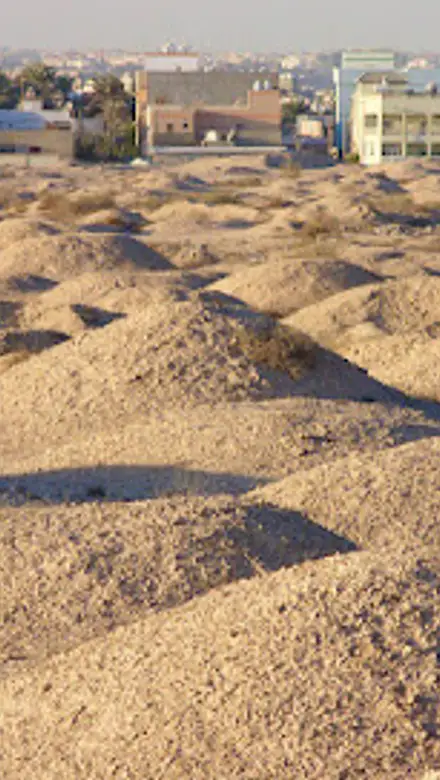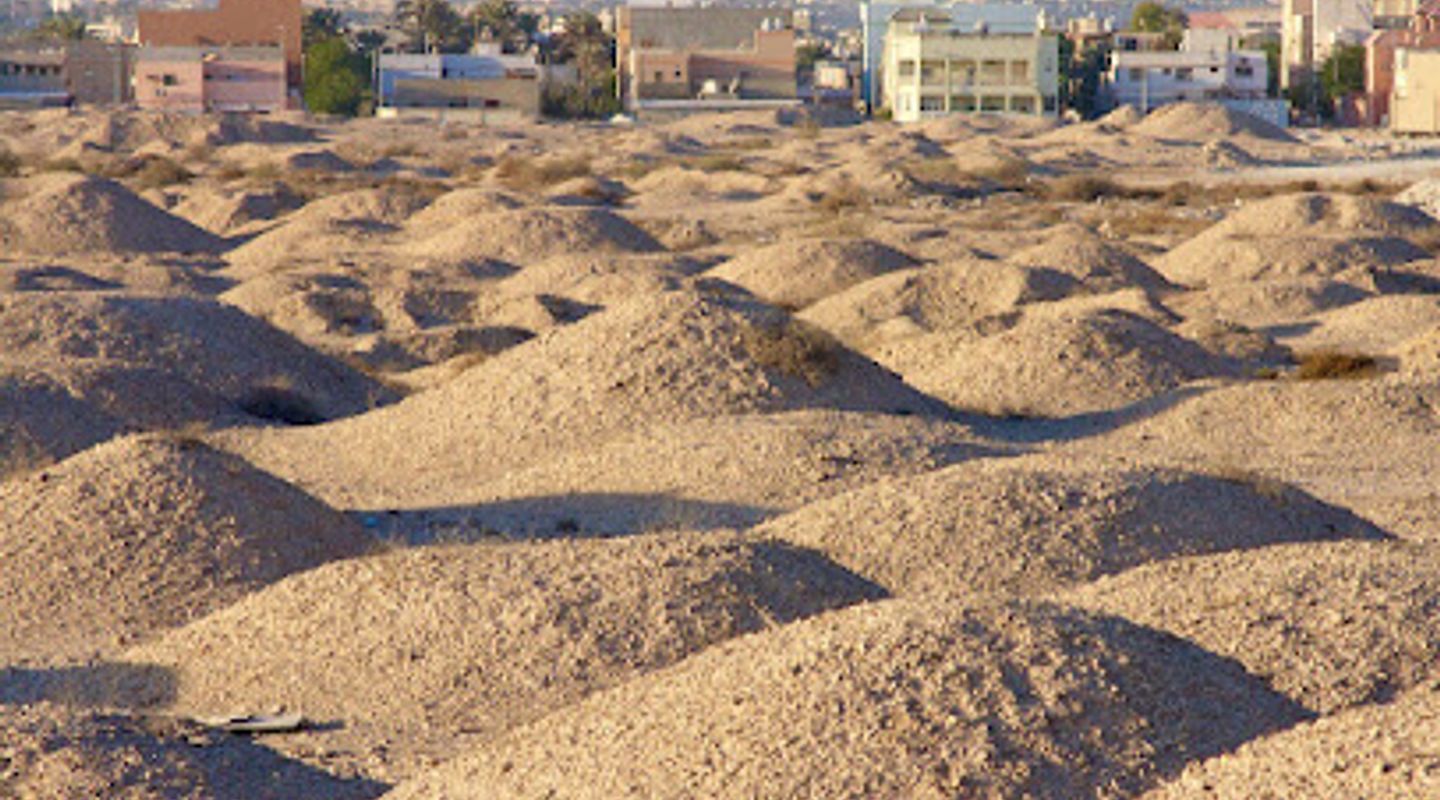
Aali and sar Burial Mounds, Hamad Town Travel Guide
Explore ancient history at the A'ali Burial Mounds, a UNESCO World Heritage Site showcasing Bahrain's Dilmun and Tylos civilizations.
The A'ali Burial Mounds, a UNESCO World Heritage Site, represent one of the largest prehistoric cemeteries in the world. These mounds provide insights into the ancient Dilmun and Tylos civilizations that thrived in Bahrain from the 3rd millennium BCE to the 3rd century CE.
A brief summary to Aali and sar Burial Mounds
- 5G28+5G2, Sh Khalifa Bin Salman Highway, A'ali, Jary Al Shaikh, BH

Know before you go
Hi, I'm Eve. Here are a few practical things to know before exploring Aali and sar Burial Mounds.
- Visit during the cooler months (November to March) for a more comfortable experience.
- Wear comfortable shoes suitable for walking on uneven terrain.
- Arrive early to explore the burial mounds before peak visiting hours.
Do you manage this location?
Take control to get all the benefits, like improved information, better appearance, and stronger visibility across AI-powered discovery. Learn more about listing your business on Evendo
Activate your presenceOther nearby places you may find interesting
The closest places of the same kind, if this one is not quite what you had in mind.



Explore Aali and sar Burial Mounds on the Map
A handpicked selection of must-see spots near Aali and sar Burial Mounds, mapped for you.
Unlock the Best of Aali and sar Burial Mounds
Buy tickets
-
No tickets available
Book tours with entry
-
No tours available
Book tours without entry

Getting There
-
Taxi/Ride-Share
From central A'ali or nearby areas like Riffa, a taxi or ride-share is a convenient option. The ride is short, typically 5-10 minutes depending on traffic. Expect to pay around 1-2 BHD for the trip.
-
Driving
If driving from A'ali or a neighboring town, take Sh Khalifa Bin Salman Highway. The mounds are located directly off the highway and are easily visible. Limited free parking is available near the entrance to the site.
Discover more about Aali and sar Burial Mounds
More to explore near Aali and sar Burial Mounds













Your all‑in‑one travel companion app
Explore expert travel guides, compare and book tours, experiences, hotels, and more—all from the palm of your hand. Download now for seamless trip planning wherever your wanderlust takes you.


Explore More of Hamad Town
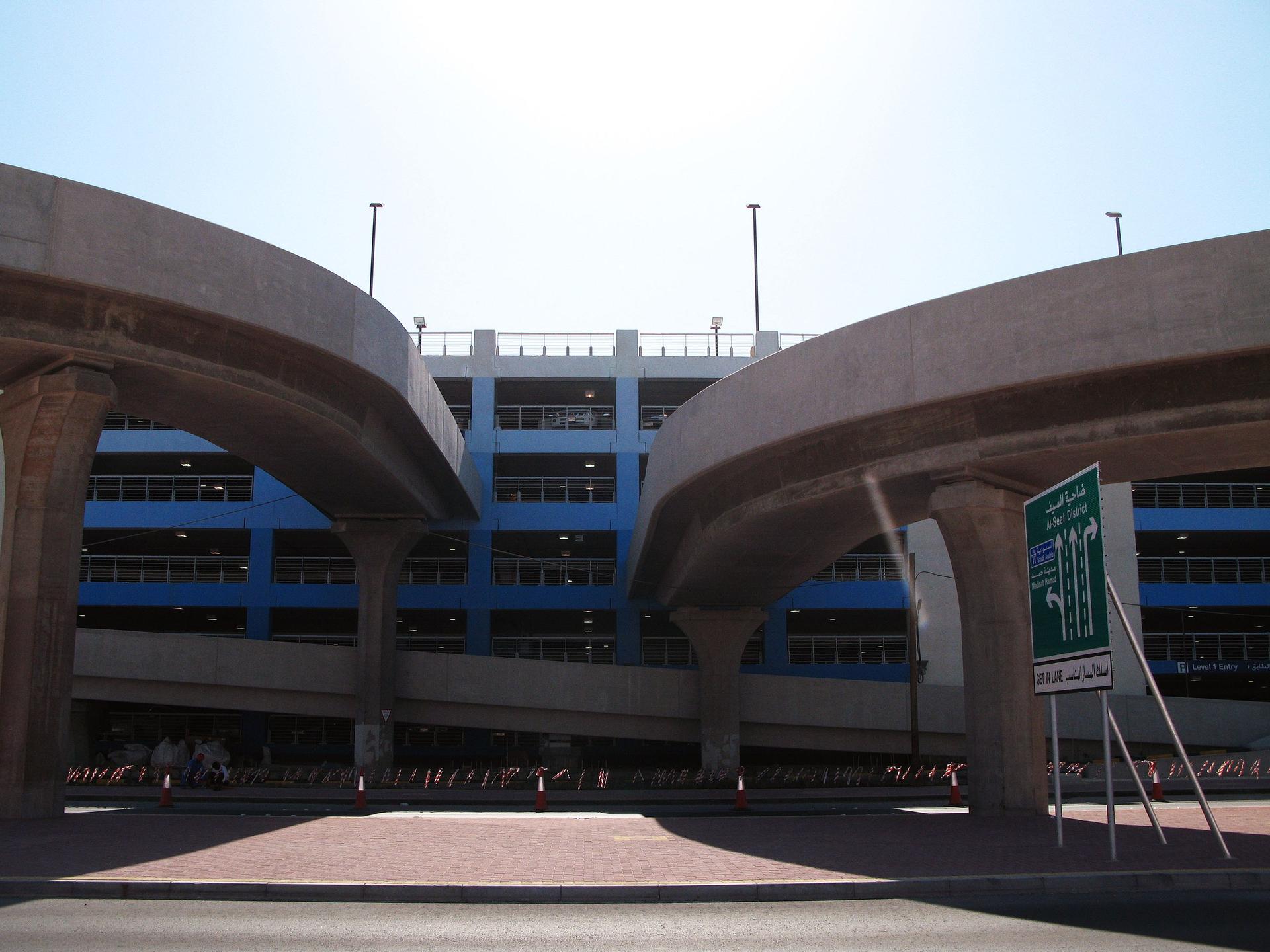
Looking beyond Aali and sar Burial Mounds? Discover Hamad Town for broader travel guides, local hot-spots, and regional highlights.
Explore Hamad Town
Discover Bahrain's vibrant art scene at Tubli's Art Building, a cultural gem showcasing local talent and heritage through diverse exhibitions and community events.
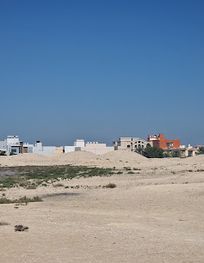
Explore Bahrain's ancient Dilmun civilization at the UNESCO-listed Burial Mounds, a window into a rich Bronze Age culture and its unique burial traditions.