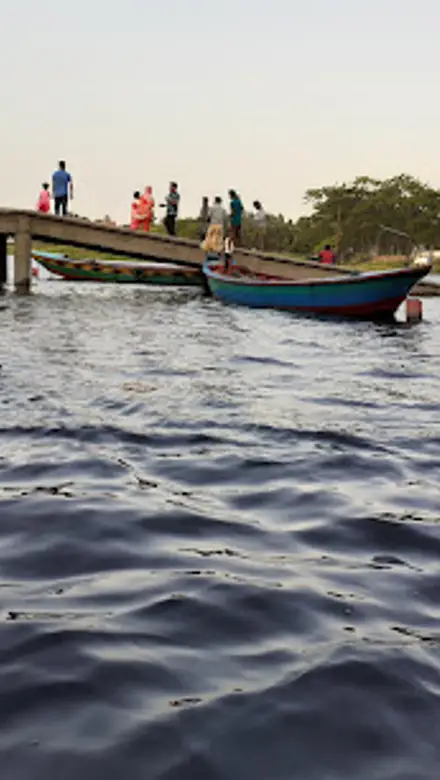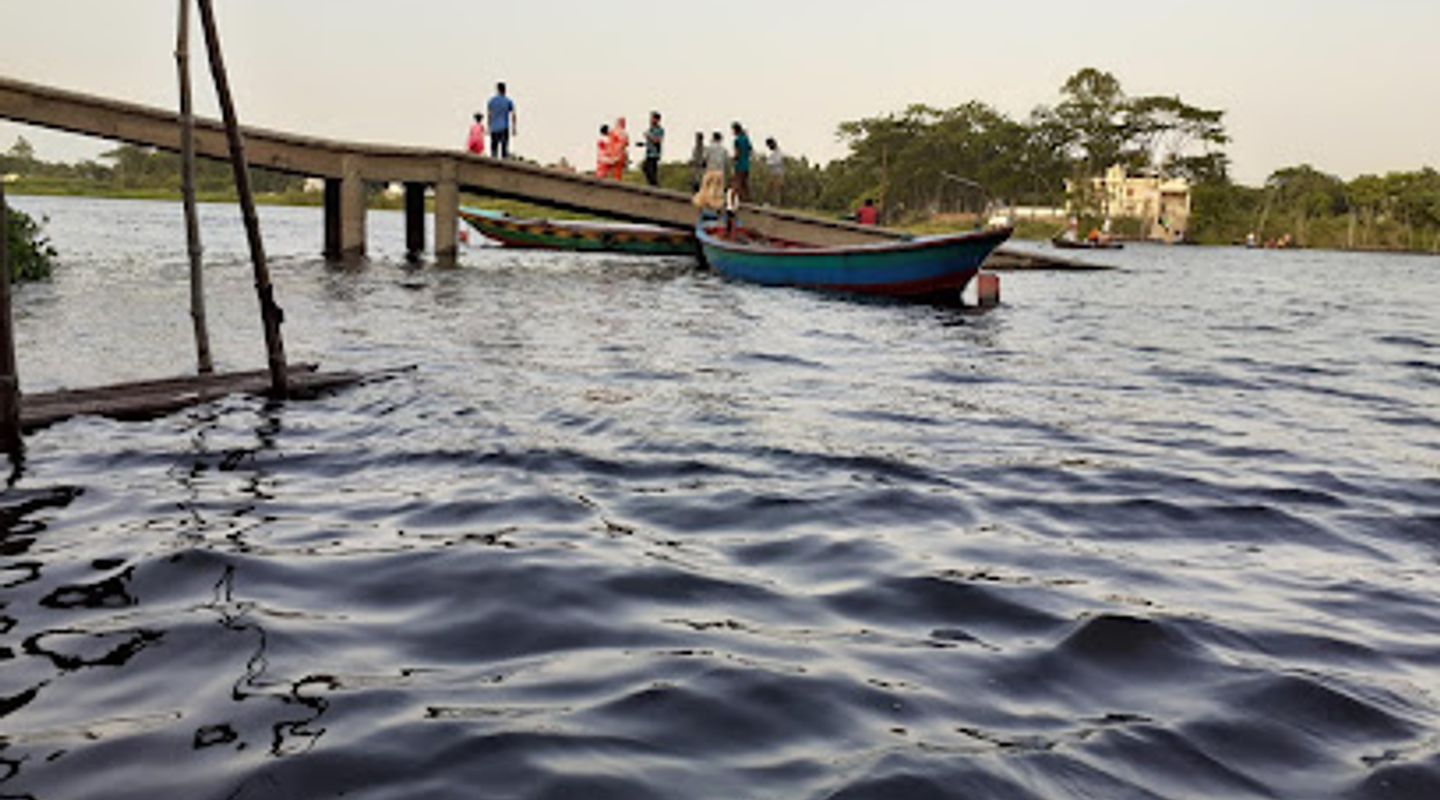
Brahmaputra River, Brahmaputra Jamuna Floodplain Travel Guide
Explore the Brahmaputra River: A majestic waterway shaping the culture, economy, and landscapes of South Asia.
The Brahmaputra River, one of Asia's largest, traverses Tibet, India, and Bangladesh, playing a vital role in the region's agriculture, transportation, and culture. Known as the 'son of Brahma,' it holds deep cultural and spiritual significance, supporting millions of livelihoods and diverse ecosystems.
A brief summary to Brahmaputra River
- BD

Know before you go
Hi, I'm Eve. Here are a few practical things to know before exploring Brahmaputra River.
- The best time to visit the Brahmaputra River is from October to April for comfortable weather and clear skies.
- Consider a river cruise to experience the beauty and culture of the region, with options ranging from budget-friendly to luxury.
- Respect local customs and traditions, especially when visiting villages and religious sites.
- Pack a mix of lightweight and warm clothing to be prepared for varying temperatures.
Do you manage this location?
Take control to get all the benefits, like improved information, better appearance, and stronger visibility across AI-powered discovery. Learn more about listing your business on Evendo
Activate your presenceOther nearby places you may find interesting
The closest places of the same kind, if this one is not quite what you had in mind.
Explore Brahmaputra River on the Map
A handpicked selection of must-see spots near Brahmaputra River, mapped for you.
Getting There
-
Public Transport
From Dhaka, access to the Brahmaputra River (specifically the Jamuna River) is available via public transportation. Buses are a common and affordable option. Government-run buses (BRTC) have fares starting as low as BDT 10, while private buses range from BDT 12 to BDT 50 or more for longer distances or air-conditioned services. Be prepared for heavy traffic.
-
Ride-Sharing
Ride-sharing services like Uber and Pathao are available in Dhaka and offer a more comfortable but potentially more expensive way to reach the river. A ride-sharing trip might cost between BDT 150-200 for a 10 km journey. Prices vary depending on distance and demand.
-
Taxi
Taxis are also an option for reaching the Brahmaputra River from Dhaka. However, like ride-sharing services, they can be more expensive than public buses. It's best to negotiate the fare beforehand or ask a local for the correct price to avoid overpaying.
Discover more about Brahmaputra River













Your all‑in‑one travel companion app
Explore expert travel guides, compare and book tours, experiences, hotels, and more—all from the palm of your hand. Download now for seamless trip planning wherever your wanderlust takes you.


Explore More of Brahmaputra Jamuna Floodplain
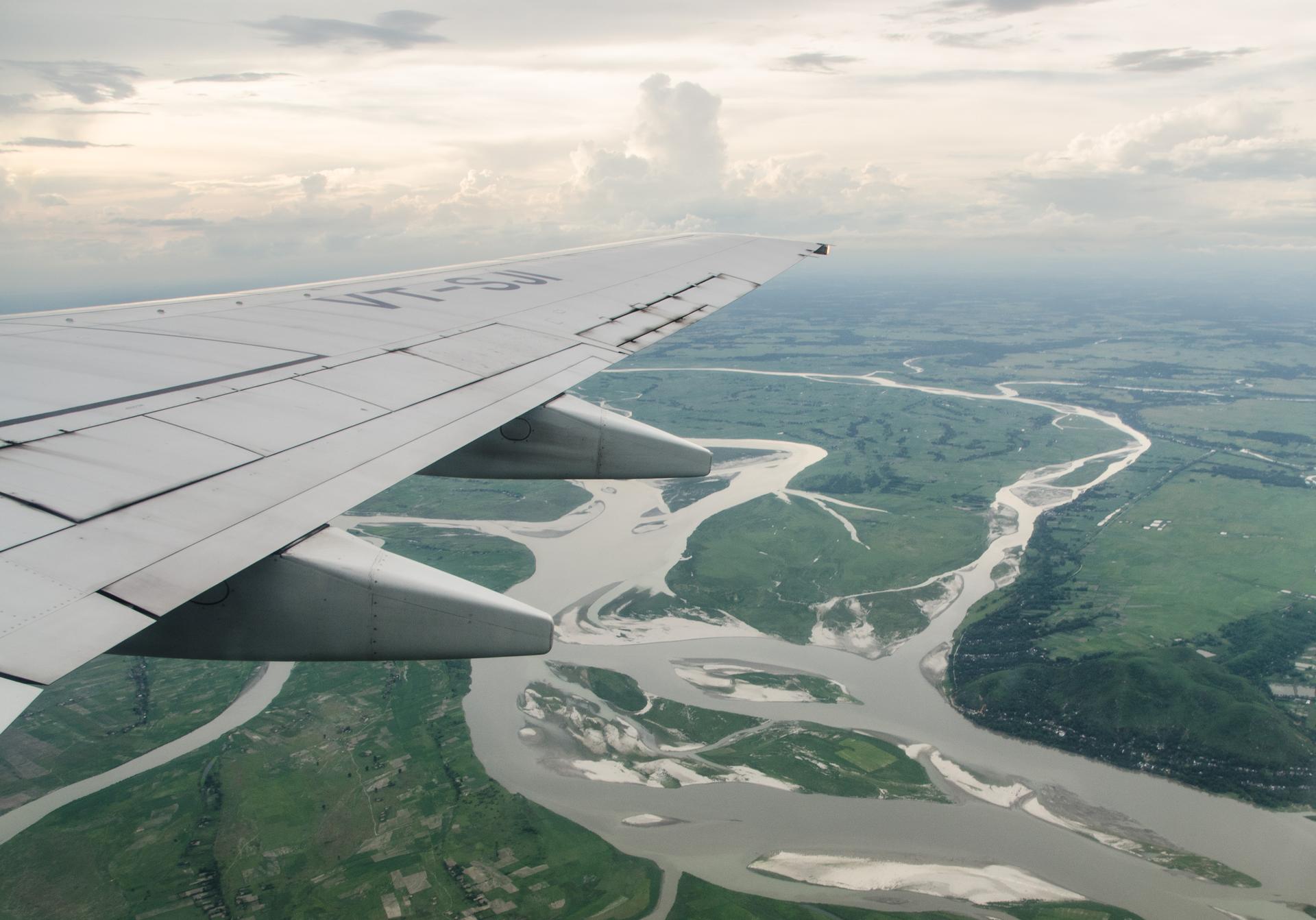
Looking beyond Brahmaputra River? Discover Brahmaputra Jamuna Floodplain for broader travel guides, local hot-spots, and regional highlights.
Explore Brahmaputra Jamuna Floodplain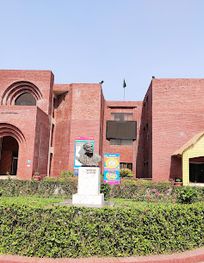
A modest yet significant landmark in Sonargaon, honoring the legacy of Shilpacharya Zainul Abedin and Bengali art, conveniently located near other historical sites.
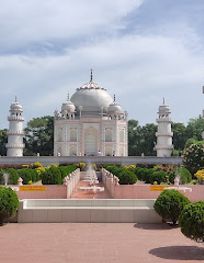
Discover the breathtaking beauty and cultural significance of Banglar Taj Mahal, a stunning monument that enhances Bangladesh's rich heritage.