

Free Brahmaputra-Jamuna Floodplain Travel Guide & Mobile App
Explore Brahmaputra-Jamuna Floodplain with free travel guides. Discover regional history, expert tips, proposed trips, and audio guides on web or mobile app.


Explore Bangladesh’s Brahmaputra-Jamuna Floodplain for river journeys, changing chars, fertile farmland and the living culture of northern Bengal.
When is the best time to visit Brahmaputra-Jamuna Floodplain?
Best: December–February · 23–26°C| Month | High (°C) | Rainfall (mm) |
|---|---|---|
| January (best) | 23 | 10 |
| February (best) | 26 | 15 |
| March | 31 | 30 |
| April | 34 | 40 |
| May | 35 | 70 |
| June | 33 | 150 |
| July | 31 | 200 |
| August | 31 | 200 |
| September | 31 | 150 |
| October | 31 | 70 |
| November | 28 | 30 |
| December (best) | 24 | 15 |
Getting to and around Brahmaputra-Jamuna Floodplain
How to get there
Transportation
Top city travel guides in Brahmaputra-Jamuna Floodplain
The cities of Brahmaputra-Jamuna Floodplain, and the easiest places to base yourself.
-

-


Swipe for more cities
Best attractions in Brahmaputra-Jamuna Floodplain
The Brahmaputra-Jamuna Floodplain is less a collection of conventional ticketed attractions than an expansive landscape to be experienced through movement, observation and local contact. Riverbanks, ferry ghats, embankments and seasonal chars reveal the scale of the Jamuna and the practical ingenuity of communities living with erosion and inundation. Boat journeys, when locally arranged and weather permitting, offer a close view of braided channels, fishing activity, grazing land and temporary settlements. Mymensingh provides urban cultural institutions and the Old Brahmaputra waterfront, while Jamalpur and Sirajganj are useful bases for exploring agricultural districts and river markets. The Bangabandhu Bridge is the region’s most prominent infrastructure attraction, linking transport, engineering and national development. Visitors interested in rural life can explore market towns, crop-growing areas and riverside settlements with a responsible guide. The cooler dry season is generally better for outdoor excursions; monsoon travel can be rewarding for understanding the flood cycle but requires considerable flexibility.
-
Bridge
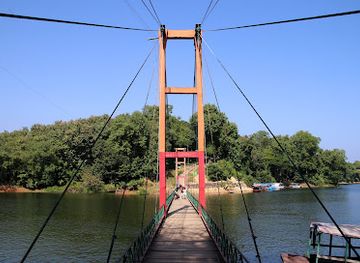
Rangamati Hanging Bridge
Experience the iconic Rangamati Hanging Bridge: A symbol of natural beauty, cultural heritage, and engineering prowess over the stunning Kaptai Lake.
-
Bridge
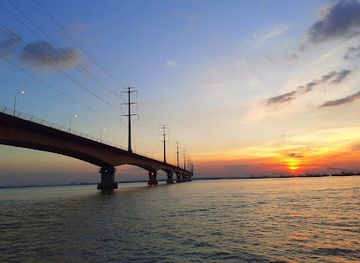
Bangabandhu Jamuna Bridge
Experience the grandeur of the Bangabandhu Jamuna Bridge, a symbol of Bangladesh's progress connecting the nation's east and west.
-
Tourist attraction
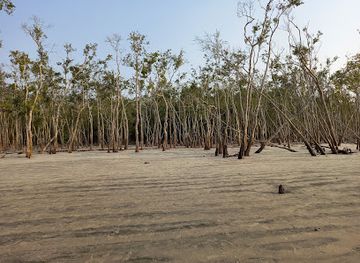
Jamtola Beach
Discover the untouched beauty of Jamtola Beach in Sundarbans: a serene escape where the mangrove forest meets the Bay of Bengal.
Best landmarks in Brahmaputra-Jamuna Floodplain
The Jamuna Multi-Purpose Bridge, commonly known as the Bangabandhu Bridge, is the floodplain’s most recognisable modern landmark. Spanning the Jamuna between Tangail and Sirajganj, it carries road and rail traffic and represents a major national effort to connect Bangladesh across one of its most formidable rivers; the bridge itself is not a pedestrian attraction, so viewing should be done from appropriate public areas. The Jamuna’s shifting channels and exposed chars are natural landmarks rather than fixed monuments, with their outlines changing through erosion and deposition. Mymensingh’s Old Brahmaputra riverfront provides a contrasting landmark landscape, shaped by an earlier course of the great river and the city’s long urban development. Embankments, ferry ghats, market-side landing places and broad river horizons also form part of the region’s visual identity, though they remain active infrastructure and working spaces. Their significance lies in showing how settlement, transport and agriculture are organised around water.
-
River
Jamuna River
Explore the Jamuna River: A dynamic waterway shaping Bangladesh's landscape, economy, and culture. Witness its beauty and importance.
-
River
Brahmaputra River
Explore the Brahmaputra River: A majestic waterway shaping the culture, economy, and landscapes of South Asia.
-
River
Punarbhaba
Discover the serene beauty and cultural heritage of the Punarbhaba River, a tranquil escape offering picturesque landscapes and glimpses into local life.
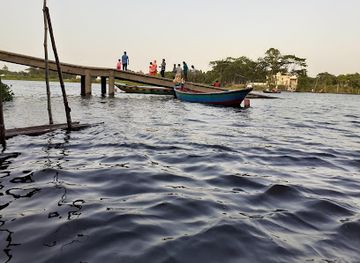
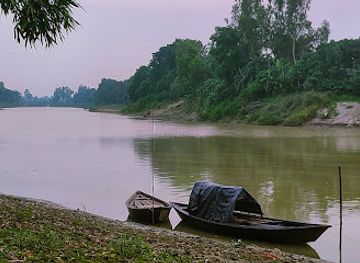
Explore Brahmaputra-Jamuna Floodplain on the map
Plan your trip on one map. See where the top cities, national parks and sights are, and book hotels and experiences in a few clicks.
Best hotels in Brahmaputra-Jamuna Floodplain
Best restaurants in Brahmaputra-Jamuna Floodplain
Food in the floodplain reflects Bangladesh’s wider rice-and-fish culture while drawing strongly on its alluvial agriculture and river communities. Fresh river fish, seasonal vegetables, lentils, rice dishes and mustard-based preparations are common in everyday cooking, with variations from one household and market to another. In Mymensingh, Jamalpur and Sirajganj, visitors will find Bengali restaurants, modest eateries, tea stalls and family-run establishments serving fish curries, bhorta, khichuri and fried snacks. Rural markets may offer pitha, the rice-based cakes associated with cooler-season cooking, as well as fruit, greens and other produce from nearby fields. Jute is economically important but is not a food; regional culinary identity is better understood through rice cultivation, freshwater fish, mustard oil and seasonal crops. Bottled or properly treated water is advisable, particularly when eating away from established urban restaurants.
-
Restaurant
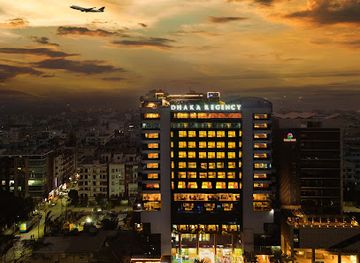
Dhaka Regency Hotel & Resort
Experience unmatched luxury at Dhaka Regency Hotel & Resort with world-class amenities in the heart of Bangladesh's vibrant capital.
-
Chinese
Xindian Restaurant
Experience the best of Chinese and Thai cuisine at Xindian Restaurant in Dhaka—where every meal is a flavorful journey.
-
Barbecue
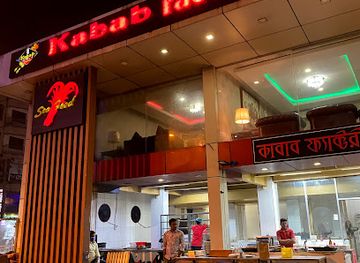
Kabab Factory
Discover the essence of Bangladeshi barbecue at Kabab Factory - where every bite tells a story.
-
Restaurant
The Dining Lounge Khilgaon
Explore global flavors at The Dining Lounge Khilgaon in Dhaka - A culinary hotspot serving American, Chinese, Italian & more.
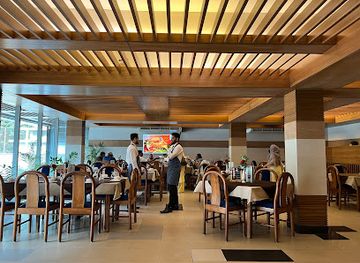
Best bars in Brahmaputra-Jamuna Floodplain
Evening life in the Brahmaputra-Jamuna Floodplain is generally centred on tea stalls, family restaurants, roadside eateries, markets and conversation rather than a large nightclub scene. Mymensingh has the broadest choice of cafés, restaurants and cultural activity, while Jamalpur and Sirajganj offer more modest urban evenings shaped by food, tea and local social life. In rural areas, settlements become quiet after dark and accommodation may be basic, with limited public transport and little formal nightlife. Alcohol is not central to local evening culture, and Bangladesh’s licensing and social norms make dedicated bars uncommon outside selected urban hotels and restaurants. Visitors should return from riverbanks and chars before nightfall, use arranged transport in unfamiliar areas and treat tea houses and food stalls as working community spaces rather than entertainment venues.
-
Chinese
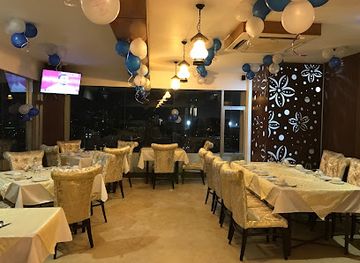
Sky View Lounge ~ Shantinagar
Discover the flavors of authentic Chinese cuisine with stunning views at Sky View Lounge, Shantinagar.
-
Bar
Bluemoon Recreation Club
Bluemoon Recreation Club: A dynamic venue in Dhaka for dining, socializing, and fitness, perfect for tourists seeking vibrant local culture.
-
Bar
Canton Chinese Restaurant & Bar
Savor authentic Chinese flavors in Dhaka's vibrant Canton Chinese Restaurant & Bar, where culinary tradition meets a lively atmosphere.
-
Lounge
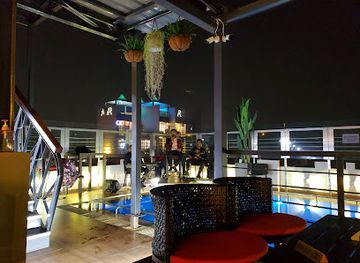
TRIBE Rooftop Lounge
Experience Dhaka's vibrant nightlife at TRIBE Rooftop Lounge, where stunning city views meet exquisite dining and mixology.

Best nightclubs in Brahmaputra-Jamuna Floodplain
Evening life in the Brahmaputra-Jamuna Floodplain is generally centred on tea stalls, family restaurants, roadside eateries, markets and conversation rather than a large nightclub scene. Mymensingh has the broadest choice of cafés, restaurants and cultural activity, while Jamalpur and Sirajganj offer more modest urban evenings shaped by food, tea and local social life. In rural areas, settlements become quiet after dark and accommodation may be basic, with limited public transport and little formal nightlife. Alcohol is not central to local evening culture, and Bangladesh’s licensing and social norms make dedicated bars uncommon outside selected urban hotels and restaurants. Visitors should return from riverbanks and chars before nightfall, use arranged transport in unfamiliar areas and treat tea houses and food stalls as working community spaces rather than entertainment venues.
-
Bar
Bluemoon Recreation Club
Experience the perfect blend of dining, fitness, and nightlife at Bluemoon Recreation Club in Dhaka, where every visit is a memorable one.
-
Comedy club
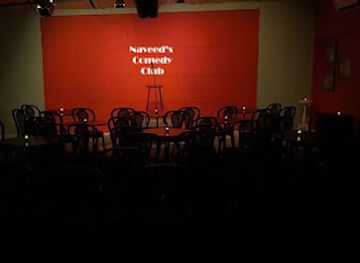
Naveed's Comedy Club
Discover the vibrant laughter scene at Naveed's Comedy Club in Dhaka, where talented comedians create unforgettable nights of fun and entertainment.
-
Lounge
FBS Boys Common Room and Ice Cream Parlour
Discover a cozy retreat at FBS Boys Common Room and Ice Cream Parlour, where delightful flavors meet a warm atmosphere in the heart of Dhaka.
-
Lounge
রূপসী বাংলা নির্বাহী লাউঞ্জ
Discover unparalleled comfort and relaxation at রূপসী বাংলা নির্বাহী লাউঞ্জ, a luxurious retreat in the heart of Dhaka.

Best shops in Brahmaputra-Jamuna Floodplain
Shopping in the floodplain is concentrated in market towns, municipal high streets, bazaars and weekly rural markets rather than large destination shopping centres. Sirajganj and Jamalpur are associated with trading networks serving agricultural communities, while Mymensingh offers the widest selection of clothing, household goods, books, sweets and everyday retail. Visitors can look for locally produced rice, mustard oil, seasonal fruit, vegetables, dried foods and traditional sweets, although packaged goods are easier to carry and verify than unlabelled food from informal stalls. Handloom textiles and practical woven goods may be available in town markets, but quality and provenance vary, so purchases should be made from reputable sellers. Markets are primarily places for local commerce; bargain politely, carry cash in small denominations and ask before photographing traders or their goods. The most meaningful souvenirs are often durable food products or textiles bought through established shops rather than objects taken from river or wetland environments.
-
Shopping mall
Bashundhara City Shopping Complex
Explore Bashundhara City Shopping Complex, the ultimate destination for shopping, dining, and entertainment in Dhaka, Bangladesh.
-
Shopping mall
Jamuna Future Park
Explore Dhaka's largest shopping mall, Jamuna Future Park, offering a unique blend of shopping, dining, and entertainment for every traveler.
-
Clothing store
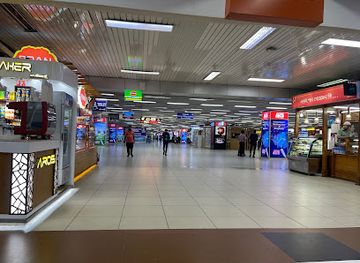
Aarong Jamuna Future Park
Discover exquisite Bangladeshi fashion at Aarong Jamuna Future Park, where tradition meets contemporary style in Dhaka.
-
Clothing store
OXYGEN
Explore OXYGEN in Dhaka for trendy clothing and unique fashion finds in a vibrant shopping atmosphere.


Get your free copy of our complete guide to Brahmaputra-Jamuna Floodplain, delivered straight to you.
Everything on this page, from attractions and restaurants to essentials and local phrases, in one PDF you can read offline, print or share.
Already have an account? Sign in
Your Brahmaputra-Jamuna Floodplain guide is ready.
We'll send it to · Not you? Sign out

Getting your guide ready…
We are putting together a fresh copy of the Brahmaputra-Jamuna Floodplain guide. This can take up to a minute.
This can take a few moments. If your browser asks, choose Allow so the download can start. You'll find the guide in your Downloads folder.
Nothing happened? Download it again
Sorry, the guide is taking longer than usual. Please try again in a minute, or get it by email instead.
Brahmaputra-Jamuna Floodplain essentials
Currency and Payment
Safety
Emergency Situations
Do's and Don'ts
Local Tips
From Eve
Local phrases worth knowing
You don't need to get them perfect. A few words go a long way, and locals appreciate the effort.
Basics
| English | Local | Say it |
|---|---|---|
| Hello | হ্যালো | [Hælo] |
| Goodbye | বিদায় | [Bidāẏ] |
| Yes | হ্যাঁ | [Hyā̃] |
| No | না | [Nā] |
| Please/You're welcome | দয়া করে / স্বাগতম | [Doyā kore / Swāgatam] |
| Thank you | ধন্যবাদ | [Dhon'yobād] |
| Excuse me/Sorry | মাফ করবেন / দুঃখিত | [Māf korben / Duḥkhito] |
| How are you? | আপনি কেমন আছেন? | [Āpni kemon āchhen?] |
| Fine. And you? | ভালো। আর আপনি? | [Bhālō. Ār āpni?] |
| Do you speak English? | আপনি কি ইংরেজি বলবেন? | [Āpni ki iṅrēji balben?] |
| I don't understand | আমি বুঝতে পারছি না | [Āmi bujhte pārchhi nā] |
Eating & Drinking
| English | Local | Say it |
|---|---|---|
| I'd like to see the menu, please | দয়া করে মেনু দেখাবেন | [Doyā kore menu dekhāben] |
| I don't eat meat | আমি মাংস খাই না | [Āmi māṅs khāi nā] |
| Cheers! | চিয়ার্স! | [Chiyārs!] |
| I would like to pay, please | দয়া করে আমি পেমেন্ট করতে চাই | [Doyā kore āmi pēmenṭ karte chāi] |
Emergencies
| English | Local | Say it |
|---|---|---|
| Help! | সাহায্য করুন! | [Sāhāyya korun!] |
| Go away! | দূরে যান! | [Dūre jān!] |
| Call the Police! | পুলিশ ডাকুন! | [Pulish ḍākun!] |
| Call a doctor! | ডাক্তার ডাকুন! | [Ḍāktār ḍākun!] |
| I'm lost | আমি হারিয়ে গেছি | [Āmi hāriẏē gēchi] |
| I'm ill | আমি অসুস্থ | [Āmi osusṭha] |
Shopping
| English | Local | Say it |
|---|---|---|
| I'd like to buy... | আমি কিনতে চাই... | [Āmi kinte chāi...] |
| I'm just looking | আমি শুধু দেখছি | [Āmi sudhu dekhchhi] |
| How much is it? | এটার দাম কত? | [Ēṭār dām koto?] |
| That's too expensive | এটা খুব দামী | [Ēṭā khub dāmī] |
| Can you lower the price? | আপনি কি দাম কম করতে পারেন? | [Āpni ki dām kam karte pārēn?] |
Time & Numbers
| English | Local | Say it |
|---|---|---|
| What time is it? | এটা কতটা সময়? | [Ēṭā kôtāṭā samay?] |
| It's one o'clock | এটা একটা বাজে | [Ēṭā ēkṭā bāje] |
| Half past (10) | দশটার অর্ধেক | [Dôśṭār ardhèk] |
| Morning | সকাল | [Sakal] |
| Afternoon | দুপুর | [Dupur] |
| Evening | সন্ধ্যা | [Sandhyā] |
| Yesterday | গতকাল | [Gôtakal] |
| Today | আজ | [Āj] |
| Tomorrow | কাল | [Kāl] |
| 1 | ১ | [1] |
| 2 | ২ | [2] |
| 3 | ৩ | [3] |
| 4 | ৪ | [4] |
| 5 | ৫ | [5] |
| 6 | ৬ | [6] |
| 7 | ৭ | [7] |
| 8 | ৮ | [8] |
| 9 | ৯ | [9] |
| 10 | ১০ | [10] |
Transport & Directions
| English | Local | Say it |
|---|---|---|
| Where's a/the...? | একটি/এখানে কোথায়? | [Ēkṭi/Ēkhānē kōthāẏ?] |
| What's the address? | ঠিকানা কী? | [Thikānā kī?] |
| Can you show me (on the map)? | আপনি কি (মানচিত্রে) আমাকে দেখাতে পারেন? | [Āpni ki (mānchitrē) āmākē dekhātē pārēn?] |
| When's the next (bus)? | পরবর্তী (বাস) কখন? | [Parabartī (bās) kôkhôn?] |
| A ticket (to ....) | একটি টিকিট (....) | [Ēkṭi ṭikiṭ (....)] |
History of Brahmaputra-Jamuna Floodplain
The Ancient Brahmaputra and Alluvial Settlement
The floodplain’s history begins with the changing courses of the Brahmaputra and its tributaries. Over centuries, erosion and deposition created fertile tracts that supported rice cultivation, fishing and river-based settlement, while also repeatedly destroying and remaking villages. The Old Brahmaputra’s course through Mymensingh records an earlier alignment of the river, whereas the modern Jamuna channel became the principal western route of the Brahmaputra after major changes in the eighteenth century. This shifting geography explains why settlement patterns, land rights and transport routes in the region have always been closely tied to water.
Early Bengal Kingdoms and River Networks
The floodplain formed part of the wider historical landscapes of northern and central Bengal, where political authority depended on agricultural production and access to waterways. Rivers connected market settlements, religious centres and administrative territories more effectively than many overland routes. Although channels moved and place names changed, the alluvial corridor helped link the Brahmaputra basin with the Ganges delta and the wider economy of Bengal. Archaeological remains elsewhere in northern Bangladesh provide context for these early societies, but the floodplain itself is best understood as a living landscape in which occupation was repeatedly adjusted to changing watercourses.
Mughal Administration and River Trade
Under Mughal rule, the fertile plains of Bengal became increasingly important for revenue collection, cultivation and commercial movement. The Brahmaputra and its connected waterways carried grain, fibres, timber and other goods, while local markets served villages spread along banks and embankments. Mughal administrative influence was strongest where waterways and productive farmland could be brought into regular taxation, though seasonal flooding always limited direct control. The river system also linked the region to Dhaka and other centres farther south, strengthening the importance of boat transport in everyday commerce.
Colonial Agriculture and the Jute Economy
During British rule, the commercial cultivation and processing of jute transformed parts of the Brahmaputra-Jamuna corridor. Jute thrived in the alluvial soils and was transported by boat and rail towards major markets and export points. Sirajganj developed particular importance as a trading centre connected to the jute economy, while towns across the floodplain became linked to colonial revenue, transport and commercial networks. The expansion brought new opportunities but also tied cultivators to volatile global prices and exposed rural communities to the inequalities of colonial landholding and trade.
Railways, Roads and the Reorganisation of the Floodplain
The nineteenth and twentieth centuries brought roads, railways, embankments and ferries that gradually altered the relationship between the floodplain and the rest of Bengal. These projects improved access to markets and administration but could also redirect water, intensify erosion in particular locations or leave isolated chars beyond reliable transport. After the partition of British India in 1947, the area became part of East Pakistan, and later Bangladesh. The region’s agricultural output and strategic river crossings continued to make it important to national transport and food systems.
The Liberation War of 1971
The floodplain was part of the wider theatre of the 1971 Bangladesh Liberation War. Rivers, ferries, embankments and dispersed settlements shaped movement for civilians, resistance groups and Pakistani forces, while communities experienced displacement, violence and disruption. The difficulties of controlling a landscape divided by broad waterways also influenced military logistics. Independence brought the region into a new national framework, but the war’s human consequences remain part of family and community memory throughout northern and central Bangladesh.
The Jamuna Multi-Purpose Bridge and Modern Connectivity
Opened in 1998, the Jamuna Multi-Purpose Bridge, commonly called the Bangabandhu Bridge, created a major fixed connection between eastern and western Bangladesh. Its road, rail, electricity and gas links reduced dependence on the ferry system at one of the country’s most important crossings and strengthened national trade. The bridge did not eliminate the floodplain’s mobility: erosion, seasonal inundation and changing channels still affect nearby communities. It did, however, mark a major shift in how the Jamuna corridor connects agricultural districts, cities and national markets.
Brahmaputra-Jamuna Floodplain in Photos
Browse through our photo collection highlighting the charm and character of the destination.
Neighbouring regions of Brahmaputra-Jamuna Floodplain
The closest regions to Brahmaputra-Jamuna Floodplain, if you have time for more than one.
-

-

-

-
-


Swipe for more regions
Explore more

Explore more of Bangladesh
Discover Bangladesh: A land of rivers, rich culture, and breathtaking landscapes. Explore ancient sites, vibrant cities, and the unique flavors of this South Asian gem.
Explore Bangladesh