NHA Complex Shahid Minar, Central Bengal Travel Guide
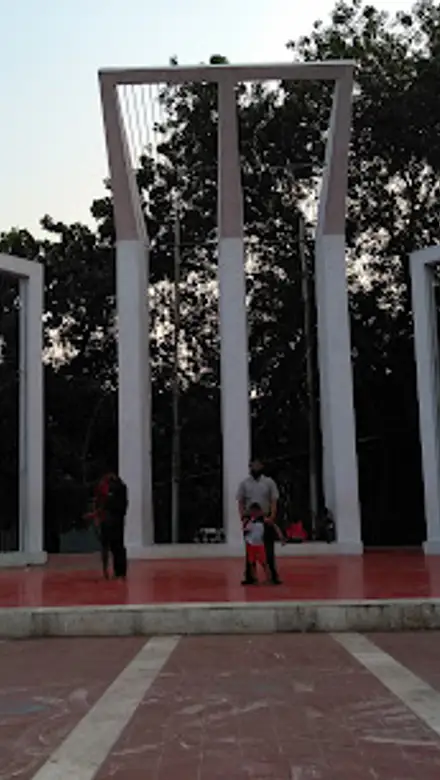
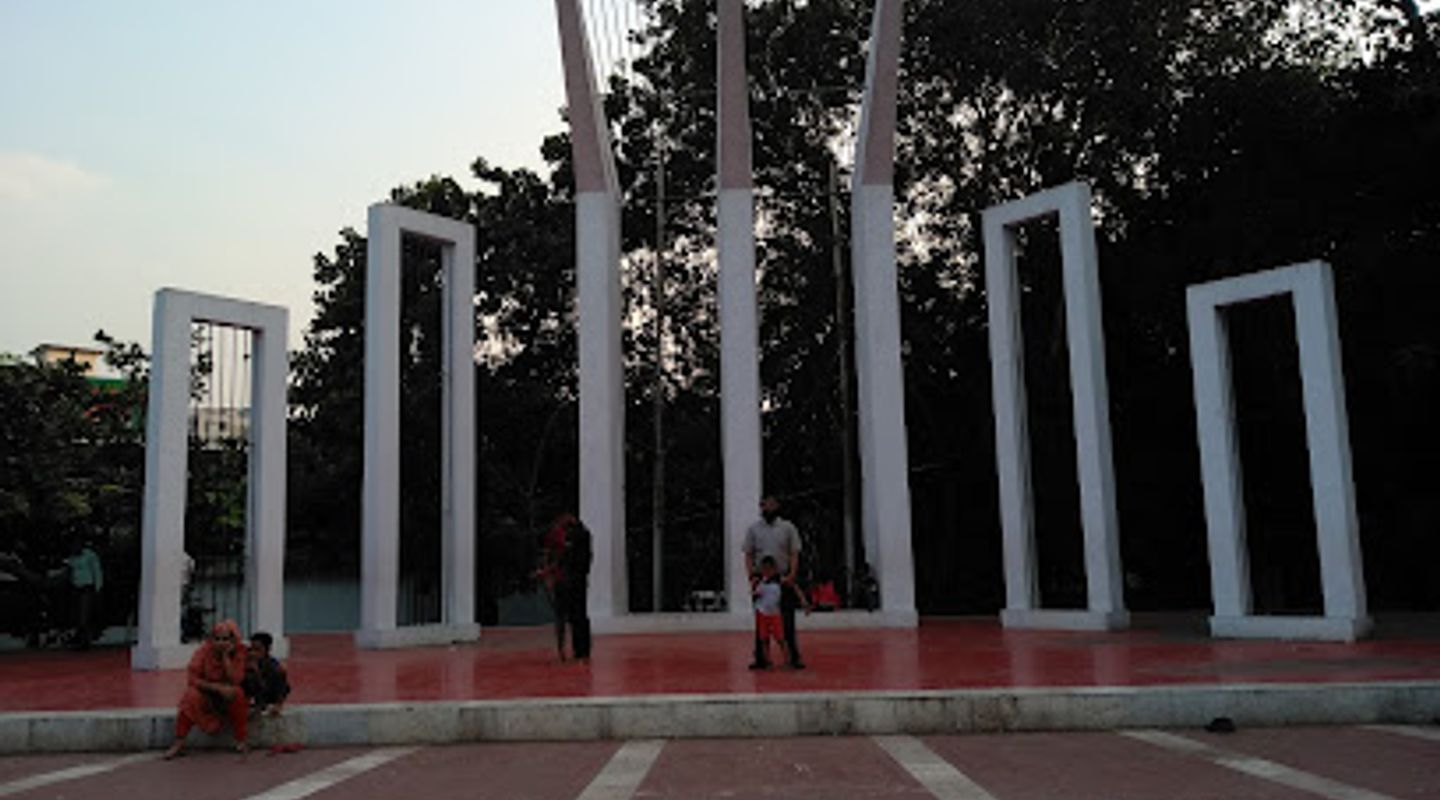
A national monument in Dhaka commemorating the martyrs of the Bengali Language Movement, symbolizing Bengali nationalism and cultural identity.
The Central Shahid Minar in Dhaka stands as a poignant reminder of the sacrifices made during the 1952 Bengali Language Movement. This national monument commemorates the students and activists who lost their lives fighting for the recognition of Bangla as an official language. More than just a monument, it embodies Bengali nationalism, cultural identity, and the enduring spirit of the Bengali people. The site serves as a focal point for remembrance, cultural expression, and national pride, especially during Language Movement Day (Ekushey February) and International Mother Language Day. Its simple yet profound design, with towering columns, evokes a sense of solemnity and pride, making it a must-visit for anyone seeking to understand Bangladesh's history and culture.
A brief summary to NHA Complex Shahid Minar
- Q95F+F4V, Lalmatia A block , Dhaka, Dhaka, Lalmatia, 1205, BD
- Monday 12 am-11:59 pm
- Tuesday 12 am-11:59 pm
- Wednesday 12 am-11:59 pm
- Thursday 12 am-11:59 pm
- Friday 12 am-11:59 pm
- Saturday 12 am-11:59 pm
- Sunday 12 am-11:59 pm

Know before you go
Hi, I'm Eve. Here are a few practical things to know before exploring NHA Complex Shahid Minar.
- Visit early in the morning on February 21st (Ekushey February) to witness the solemn processions and floral tributes, but be prepared for large crowds.
- Dress respectfully when visiting the monument, as it is a place of remembrance and national significance.
- Take time to read the inscriptions and learn about the history of the Language Movement to fully appreciate the monument's significance.
- Photography is allowed, but be mindful of the solemn atmosphere and avoid disruptive behavior.
- Combine your visit with a trip to nearby Dhaka University and the Curzon Hall, historical landmarks that played a role in the Language Movement.
Do you manage this location?
Take control to get all the benefits, like improved information, better appearance, and stronger visibility across AI-powered discovery. Learn more about listing your business on Evendo
Activate your presenceOther nearby places you may find interesting
The closest places of the same kind, if this one is not quite what you had in mind.
Explore NHA Complex Shahid Minar on the Map
A handpicked selection of must-see spots near NHA Complex Shahid Minar, mapped for you.
Getting There
-
Rickshaw
From areas within Lalmatia or nearby Mohammadpur, a rickshaw is a convenient option for the final approach. Negotiate the fare beforehand, typically around 20-40 BDT for a short ride within the area. Be aware of traffic conditions, especially during peak hours.
-
Taxi/Ride-Share
Ride-sharing services like Uber or local taxis are readily available in Dhaka. From locations within a few kilometers, expect to pay around 100-200 BDT for a ride to the Shahid Minar. Specify 'NHA Complex Shahid Minar, Lalmatia' as your destination. Traffic can significantly impact travel time and cost.
-
Public Transport
Local buses are an affordable option, but can be crowded and unreliable. Look for buses heading towards Dhaka Medical College or Shahbag. From a nearby bus stop, the fare will be approximately 10-20 BDT. Be prepared for a short walk from the bus stop to the monument. Dhaka also has a metro rail system, but it may not directly serve Lalmatia. Check the route and connections for the nearest station.
-
Walking
If you are already in Lalmatia or a very close neighborhood, walking is a viable option. Use a map app for guidance and be mindful of traffic. The walk should be free, but be aware of uneven sidewalks and potential obstacles.
Discover more about NHA Complex Shahid Minar
More to explore near NHA Complex Shahid Minar













Your all‑in‑one travel companion app
Explore expert travel guides, compare and book tours, experiences, hotels, and more—all from the palm of your hand. Download now for seamless trip planning wherever your wanderlust takes you.


Explore More of Central Bengal
Looking beyond NHA Complex Shahid Minar? Discover Central Bengal for broader travel guides, local hot-spots, and regional highlights.
Explore Central Bengal
Dhaka's first children's amusement park, undergoing modernization to blend nostalgic charm with new attractions for affordable family fun.

Explore contemporary Bangladeshi art and photography at Drik Gallery, a hub for visual storytelling and social dialogue in the heart of Dhaka.