

Free Central Bengal Travel Guide & Mobile App
Explore Central Bengal with free travel guides. Discover regional history, expert tips, proposed trips, and audio guides on web or mobile app.


Explore Central Bengal through Dhaka's historic quarters, river ports, Mughal monuments, craft villages, palace estates and green delta landscapes.
Read more about Central Bengal
When is the best time to visit Central Bengal?
Best: January–March · 22–32°C| Month | High (°C) | Rainfall (mm) |
|---|---|---|
| January (best) | 22 | 8 |
| February (best) | 25 | 12 |
| March (best) | 32 | 20 |
| April | 35 | 28 |
| May | 36 | 36 |
| June | 34 | 44 |
| July | 33 | 52 |
| August | 33 | 60 |
| September | 33 | 68 |
| October | 32 | 76 |
| November | 28 | 84 |
| December | 23 | 92 |
Getting to and around Central Bengal
How to get there
Transportation
Top city travel guides in Central Bengal
The cities of Central Bengal, and the easiest places to base yourself.
-

-

-

-

-


Swipe for more cities
Destinations in Central Bengal
Resorts, valleys and scenic spots worth a trip of their own.
-

-

-


Swipe for more destinations
Best attractions in Central Bengal
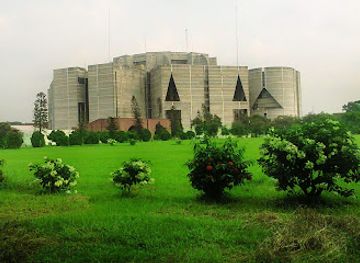
Central Bengal's attractions range from dense historic quarters to river landscapes and accessible countryside. In Dhaka, visitors can explore Lalbagh Fort, Ahsan Manzil, the National Museum, the National Parliament complex and the layered religious architecture of Old Dhaka, where Mughal, colonial and later Bengali influences stand close together. Sadarghat offers insight into the continuing importance of inland navigation, although it is a working port rather than a conventional leisure attraction. South-east of the capital, Sonargaon brings together the Bangladesh Folk Art and Crafts Foundation, the old merchant street of Panam City and the Goaldi Mosque. Savar combines the National Martyrs' Memorial with open landscapes beyond the metropolitan core. Gazipur provides woodland, wetlands and outdoor recreation at Bhawal National Park, while Manikganj is known for the palace architecture of Baliati. Short river journeys, village walks and seasonal wetlands add environmental variety, but conditions and access can change considerably between the dry and monsoon seasons.
-
Tourist attraction
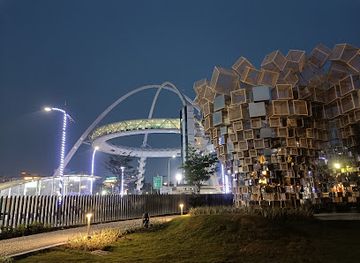
Biswa Bangla Gate
Experience Kolkata from new heights at the Biswa Bangla Gate, an architectural marvel with a hanging restaurant and panoramic views.
-
Tourist attraction
Chandrima Udyan
A serene escape in the heart of Dhaka, Chandrima Udyan offers lush greenery, historical significance, and recreational activities for all to enjoy.
-
Aquarium
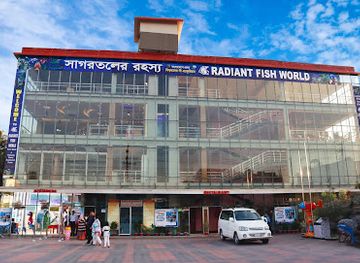
Radiant Fish World
Discover a vibrant underwater world at Radiant Fish World, Cox's Bazar – Bangladesh's first international-standard sea aquarium, a must-see for all ages.
-
Tourist attraction
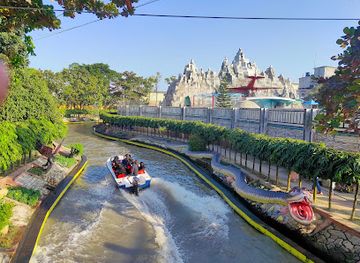
Dream Holiday Park
Experience thrilling rides and refreshing water attractions at Dream Holiday Park, a perfect family getaway near Dhaka on the Dhaka-Sylhet Highway.
Best landmarks in Central Bengal
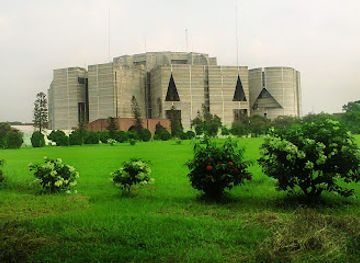
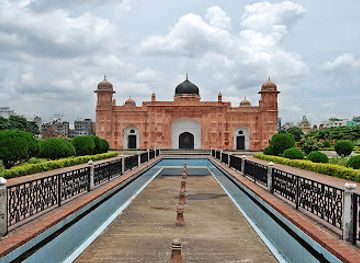
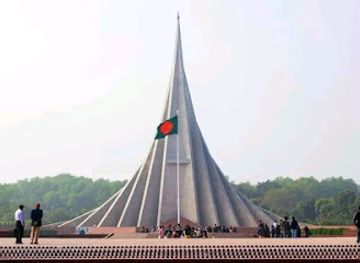
Dhaka's most recognisable landmarks include the unfinished Lalbagh Fort, whose gateways, walls and tomb complex represent Mughal ambition in the former provincial capital, and Ahsan Manzil, the pink palace overlooking the Buriganga that recalls the city's nineteenth-century elite and mercantile development. The National Parliament complex at Sher-e-Bangla Nagar is a major work of twentieth-century architecture, designed by Louis Kahn and set apart by its monumental geometry and water features. In Old Dhaka, the Star Mosque, Armenian Church and Dhakeshwari Temple reflect the religious and commercial diversity of the historic city, while Sadarghat remains a powerful working landmark of river transport. Beyond the capital, the preserved merchant buildings of Panam City and the Goaldi Mosque mark Sonargaon's medieval and early modern importance. Baliati Palace in Manikganj provides a substantial architectural expression of nineteenth-century landed wealth, and the National Martyrs' Memorial at Savar is the region's most important modern commemorative monument, formed by sharply angled concrete structures rising from landscaped grounds.
-
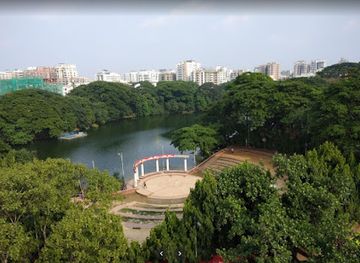
Amphitheater
Rabindra Sarobar
Discover Dhaka's serene escape: Rabindra Sarobar, a lush park with lakeside paths and cultural events in the city's heart.
-
Historical landmark
Lalbagh Fort
Explore the unfinished Mughal masterpiece of Lalbagh Fort in Old Dhaka, a testament to history, architecture, and unfulfilled dreams from the 17th century.
-
Historical landmark
National Martyrs' Monument
A powerful symbol of Bangladesh's independence struggle, honoring the martyrs of the 1971 Liberation War in a serene setting.
-
Park
Chandrima Udyan
Escape to Chandrima Udyan in Dhaka: A serene park with lush greenery, historical significance, and recreational activities for all ages.
Explore Central Bengal on the map
Plan your trip on one map. See where the top cities, national parks and sights are, and book hotels and experiences in a few clicks.
Best hotels in Central Bengal
Best restaurants in Central Bengal
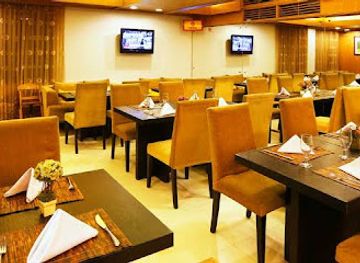
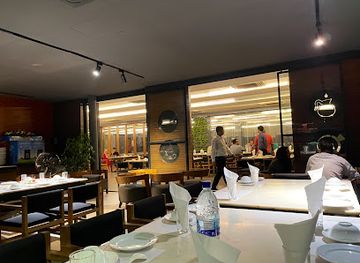
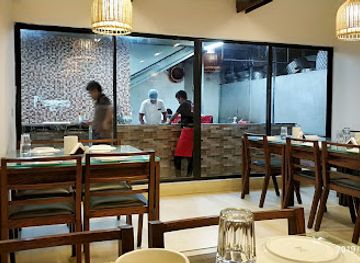
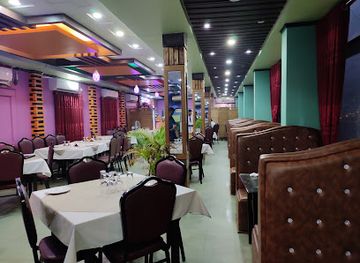
Central Bengal's food culture is anchored by Dhaka's intense urban dining scene and the produce of the surrounding delta. Old Dhaka is particularly associated with richly spiced kacchi biryani, kebabs, haleem and dense sweets, while neighbourhood restaurants and market stalls offer rice, fish, lentils, bhorta, vegetable dishes and paratha. Across the wider region, freshwater fish and seasonal vegetables are central to everyday cooking, and rural households and small eateries may serve pitha, jaggery-based sweets and preparations linked to the agricultural calendar. Sonargaon, Narayanganj and the districts around Dhaka have busy local markets where snacks and sweets provide a more immediate taste of daily life than formal dining rooms. Hotels and contemporary restaurants in Dhaka offer Bengali, South Asian and international menus, while tea stalls, bakeries and roadside cafés remain useful for informal meals. Hygiene standards vary, so choose busy establishments with good food turnover and drink treated or sealed water.
-
Biryani
Kolkata Kacchi Ghor
Experience authentic Bangladeshi cuisine at Kolkata Kacchi Ghor - home of exquisite biryani in the heart of Dhaka.
-
Restaurant
Thai Chi Restaurant & Cafe
Experience the vibrant flavors of Thailand, China, and India at Dhaka's premier Asian fusion restaurant.
-
Bangladeshi
Chittagong Bull
Experience authentic Bangladeshi flavors at Chittagong Bull in Dhaka – where every meal tells a story.
-
Restaurant
The One Restaurant
Discover the culinary delight of Bengali and Chinese cuisine at The One Restaurant in Matuail New Town - a must-visit dining experience in Dhaka.
Best bars in Central Bengal
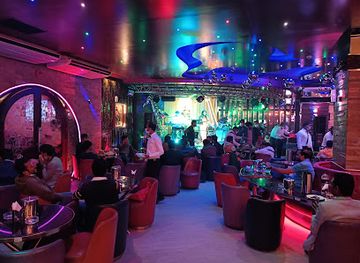
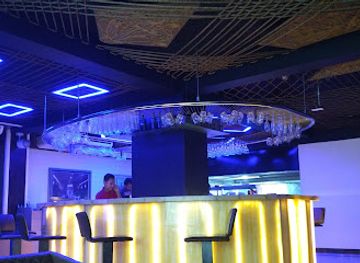
Central Bengal's evening life is concentrated in Dhaka, where established restaurants, hotel lounges, cafés, cultural venues and a limited number of nightlife establishments provide the broadest choice. Alcohol is regulated and less prominent than in many international capitals; licensed hotel bars and selected venues are the most straightforward options for visitors seeking it. Old Dhaka is better known after dark for food, tea and streetside activity than for clubs, while neighbourhoods such as Gulshan, Banani and Dhanmondi have more contemporary restaurants, cafés and live cultural programming. Outside Dhaka, nightlife is generally low-key and centres on family restaurants, tea stalls, hotel dining and occasional live music rather than a large club scene. In rural and historic areas, plan to finish excursions before late evening, as transport options thin out and many attractions are not intended for night visits.
-
Bar
Chalet Restaurant & Bar
Discover the vibrant atmosphere and diverse culinary offerings at Chalet Restaurant & Bar, Dhaka's premier dining and nightlife destination.
-
Bar
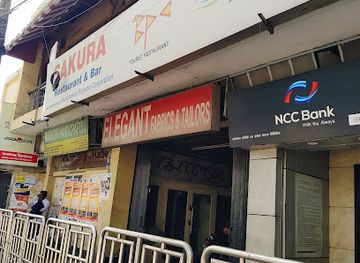
Sakura Restaurant & Bar
Experience the vibrant culinary scene of Dhaka at Sakura Restaurant & Bar, where tradition meets modern dining.
-
Bar
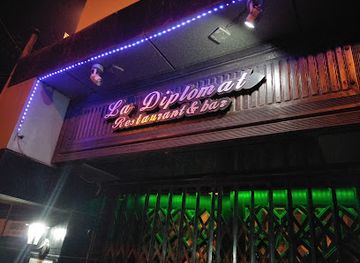
La Diplomat Restaurant & Bar
Discover the vibrant flavors and lively atmosphere at La Diplomat Restaurant & Bar in Dhaka, perfect for tourists seeking a unique dining experience.
-
Bar
DPL Restaurant & Bar
Experience the culinary delights of DPL Restaurant & Bar in Dhaka, where great food and vibrant atmosphere meet.
Best nightclubs in Central Bengal
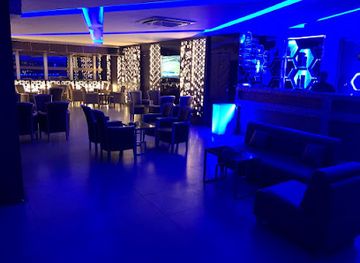
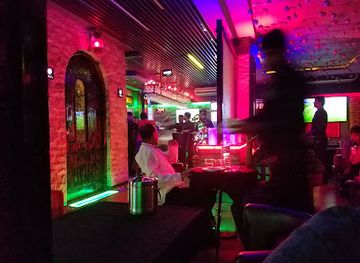
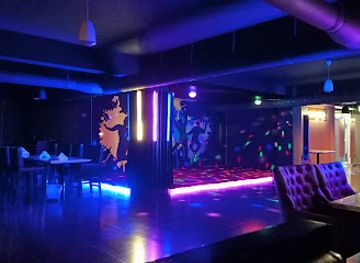
Central Bengal's evening life is concentrated in Dhaka, where established restaurants, hotel lounges, cafés, cultural venues and a limited number of nightlife establishments provide the broadest choice. Alcohol is regulated and less prominent than in many international capitals; licensed hotel bars and selected venues are the most straightforward options for visitors seeking it. Old Dhaka is better known after dark for food, tea and streetside activity than for clubs, while neighbourhoods such as Gulshan, Banani and Dhanmondi have more contemporary restaurants, cafés and live cultural programming. Outside Dhaka, nightlife is generally low-key and centres on family restaurants, tea stalls, hotel dining and occasional live music rather than a large club scene. In rural and historic areas, plan to finish excursions before late evening, as transport options thin out and many attractions are not intended for night visits.
-
Bar
Bluemoon Recreation Club
Discover Dhaka's Bluemoon Recreation Club, where relaxation meets entertainment in a vibrant social setting.
-
Bar
SKYe Lounge Bar
Discover the vibrant nightlife at SKYe Lounge Bar in Dhaka, where exceptional drinks and a lively atmosphere await every visitor.
-
Bar
City Orchard Recreation Club
Experience the vibrant nightlife at City Orchard Recreation Club in Dhaka, where great drinks, lively music, and a friendly atmosphere await you.
-
Bar
Korean Bangladesh Club restaurant L.T.D
Discover the vibrant fusion of Korean and Bangladeshi flavors at the Korean Bangladesh Club Restaurant in Dhaka, a unique culinary experience.

Best shops in Central Bengal
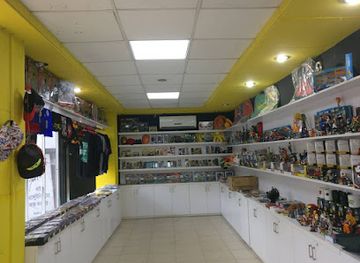
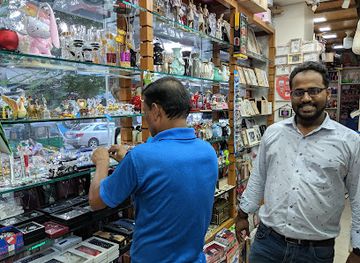
Shopping in Central Bengal ranges from crowded traditional markets to modern malls and specialist craft outlets. Dhaka's older quarters are useful for fabrics, clothing, spices, metalware, books, religious items and everyday goods, while established areas of the capital offer contemporary fashion, handicrafts and international brands. New Market remains a familiar destination for clothing, accessories and student-oriented shopping, although conditions are busy and bargaining is common. Sonargaon is particularly relevant for Bengali craft traditions through the Bangladesh Folk Art and Crafts Foundation and its associated cultural setting; availability of individual products can vary. Markets across Narayanganj, Gazipur, Manikganj and Munshiganj are better for observing local commerce and buying sweets, seasonal produce, textiles and practical goods than for luxury retail. Good regional purchases include jamdani and other Bengali textiles when provenance is clear, handcrafts, books, pottery and packaged sweets. Bargain politely, inspect quality and remember that rural markets may have limited packaging or card facilities.
-
Clothing store
Le Reve Basabo
Discover the vibrant fashion scene of Dhaka at Le Reve Basabo, where style meets quality in an unforgettable shopping experience.
-
Gift shop
Knock
Explore Knock, a unique gift shop in Dhaka offering exquisite collectibles and souvenirs that embody Bangladeshi culture and craftsmanship.
-
Gift shop
Archies Gallery
Discover unique gifts and local artistry at Archies Gallery, a delightful gift shop in the heart of Dhaka, perfect for every occasion.
-
Gift shop
Send Gifts to Bangladesh BDGift.com
Explore BDGift.com in Dhaka for unique gifts and flowers that capture the essence of Bangladeshi culture, perfect for every occasion.

Get your free copy of our complete guide to Central Bengal, delivered straight to you.
Everything on this page, from attractions and restaurants to essentials and local phrases, in one PDF you can read offline, print or share.
Already have an account? Sign in
Your Central Bengal guide is ready.
We'll send it to · Not you? Sign out

Getting your guide ready…
We are putting together a fresh copy of the Central Bengal guide. This can take up to a minute.
This can take a few moments. If your browser asks, choose Allow so the download can start. You'll find the guide in your Downloads folder.
Nothing happened? Download it again
Sorry, the guide is taking longer than usual. Please try again in a minute, or get it by email instead.
Central Bengal essentials
Currency and Payment
Safety
Emergency Situations
Do's and Don'ts
Local Tips
From Eve
Local phrases worth knowing
You don't need to get them perfect. A few words go a long way, and locals appreciate the effort.
Basics
| English | Local | Say it |
|---|---|---|
| Hello | হ্যালো | [Halo] |
| Goodbye | বিদায় | [Bidāẏ] |
| Yes | হ্যাঁ | [Hyā̃] |
| No | না | [Nā] |
| Please/You're welcome | দয়া করে/স্বাগতম | [Daya kare/Swāgatam] |
| Thank you | ধন্যবাদ | [Dhan'yabād] |
| Excuse me/Sorry | মাফ করবেন/দুঃখিত | [Māph karben/Dukhito] |
| How are you? | আপনি কেমন আছেন? | [Āpni kemon āchhen?] |
| Fine. And you? | ভাল। আপনি? | [Bhāl. Āpni?] |
| Do you speak English? | আপনি কি ইংরেজি বলেন? | [Āpni ki iṅrēji balen?] |
| I don't understand | আমি বুঝি না | [Āmi bujhi nā] |
Eating & Drinking
| English | Local | Say it |
|---|---|---|
| I'd like to see the menu, please | দয়া করে মেনুটি দেখাবেন | [Daya kare menuiṭi dekhāben] |
| I don't eat meat | আমি মাংস খাই না | [Āmi māṅs khāi nā] |
| Cheers! | চিয়ার্স! | [Chiyārs!] |
| I would like to pay, please | দয়া করে আমি বিল দিতে চাই | [Daya kare āmi bil dite chāi] |
Emergencies
| English | Local | Say it |
|---|---|---|
| Help! | সাহায্য করুন! | [Sāhāyya karun!] |
| Go away! | দূরে যান! | [Dūrē yān!] |
| Call the Police! | পুলিশ ডাকুন! | [Puliś ḍākun!] |
| Call a doctor! | ডাক্তার ডাকুন! | [Ḍāktār ḍākun!] |
| I'm lost | আমি হারিয়ে গেছি | [Āmi hāriẏē gēchi] |
| I'm ill | আমি অসুস্থ | [Āmi asuṣṭha] |
Shopping
| English | Local | Say it |
|---|---|---|
| I'd like to buy... | আমি কিনতে চাই... | [Āmi kinte chāi...] |
| I'm just looking | আমি শুধু দেখছি | [Āmi sudhu dekhchhi] |
| How much is it? | এটার দাম কত? | [Ēṭār dām kota?] |
| That's too expensive | এটা খুব দামি | [Ēṭā khub dāmi] |
| Can you lower the price? | আপনি কি দাম কমাতে পারেন? | [Āpni ki dām komāte pāren?] |
Time & Numbers
| English | Local | Say it |
|---|---|---|
| What time is it? | এখন কত বাজে? | [Ēkhana kota bājē?] |
| It's one o'clock | এখন একটা বাজে | [Ēkhana ēkaṭā bājē] |
| Half past (10) | সাড়ে (১০) | [Sāṛē (10)] |
| Morning | সকাল | [Sakal] |
| Afternoon | বিকেল | [Bikēl] |
| Evening | সন্ধ্যা | [Sandhyā] |
| Yesterday | গতকাল | [Gatakāl] |
| Today | আজ | [Āj] |
| Tomorrow | কাল | [Kāl] |
| 1 | ১ | [1] |
| 2 | ২ | [2] |
| 3 | ৩ | [3] |
| 4 | ৪ | [4] |
| 5 | ৫ | [5] |
| 6 | ৬ | [6] |
| 7 | ৭ | [7] |
| 8 | ৮ | [8] |
| 9 | ৯ | [9] |
| 10 | ১০ | [10] |
Transport & Directions
| English | Local | Say it |
|---|---|---|
| Where's a/the...? | একটা/এর কোথায়? | [Ēkaṭā/Ēr kōthāẏ?] |
| What's the address? | ঠিকানা কী? | [Thikānā kī?] |
| Can you show me (on the map)? | আপনি কি আমাকে দেখাবেন (মানচিত্রে)? | [Āpni ki āmākē dekhāben (mānchitrē)?] |
| When's the next (bus)? | পরবর্তী (বাস) কখন? | [Parabartī (bās) kakhana?] |
| A ticket (to ....) | একটি টিকেট (যাতে ....) | [Ēkaṭi ṭikēṭ (yātē ....)] |
History of Central Bengal
Early Delta Settlements and Buddhist-Brahmanical Bengal
The central Bengal delta has been occupied and cultivated for centuries, although shifting rivers and alluvial deposits have repeatedly altered settlements and routes. The wider Dhaka, Bikrampur and Savar areas were linked to early regional polities and long-distance trade, while Buddhist and Brahmanical institutions shaped education, religious life and landholding. Much early material evidence is fragmentary because rivers have moved and later development has covered older sites. The historical importance of places such as Bikrampur lies not only in surviving monuments but also in their position within a much larger network of delta settlements.
Sonargaon and the Medieval River Trade
Sonargaon developed as an important political and commercial centre in medieval Bengal, benefiting from its position among waterways linking the eastern delta with the wider region. It was associated with the independent sultanate of Bengal before Mughal consolidation, and its commercial influence continued after political power shifted elsewhere. The surviving Goaldi Mosque and the historic remains of Panam City provide visible reminders of successive phases of settlement. Sonargaon's history is inseparable from river transport, textile production and the movement of merchants, officials and artisans through the delta.
Dhaka as a Mughal Provincial Capital
Dhaka became a major Mughal centre in the early seventeenth century, when it was known as Jahangirnagar. Its location beside important rivers made it valuable for administration, military operations and trade, particularly in the prosperous textile-producing east of Bengal. Mughal monuments in and around Old Dhaka, including Lalbagh Fort and several historic mosques, reflect the city's growth during this period. The fort was never completed in the form originally intended, but its surviving structures reveal the ambitions of the provincial capital and the political importance of the region.
Colonial Commerce, Jute and Urban Expansion
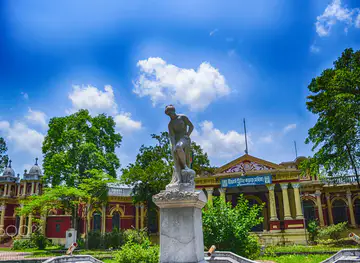
Under British rule, Dhaka and the river ports of central Bengal became increasingly connected to colonial markets and transport systems. Narayanganj grew as a significant trading centre, particularly through the jute economy, while river steamers, railways and later roads changed the relationship between towns and villages. European, Armenian and South Asian commercial communities left traces in Dhaka's architecture and institutions. The period also saw the expansion of landed estates, many of which commissioned elaborate residences such as Baliati Palace in Manikganj, blending local building traditions with colonial-era forms.
Partition and the Rise of East Pakistan
The 1947 partition of British India made Dhaka the capital of East Bengal, later East Pakistan, and brought substantial demographic, administrative and economic change. The city expanded beyond its old quarters, while political grievances over language, representation and economic inequality grew. The Bengali Language Movement of 1952, centred on the demand for recognition of Bangla, became a defining moment in the political history of the region and the country. Dhaka's educational institutions, public spaces and print culture played a major role in mobilising opposition to centralised rule from West Pakistan.
The Liberation War and National Memory
The conflict that led to Bangladesh's independence in 1971 profoundly affected Central Bengal. Dhaka was the political focus of the movement and the site of major events, while communities across surrounding districts experienced military operations, displacement and resistance. The National Martyrs' Memorial at Savar was established as a principal national memorial to those who died. Museums, monuments, public ceremonies and commemorative spaces across Dhaka continue to connect the region's contemporary landscape with the struggle for independence and the formation of Bangladesh.
Modern Megacity and Riverine Transformation
Since independence, Dhaka has expanded rapidly as Bangladesh's administrative, educational, cultural and economic centre. Industrial growth in surrounding districts, including garments, textiles and manufacturing, has drawn people from across the country and transformed former rural areas. Roads, bridges and new housing have altered travel patterns, while the Buriganga and other rivers remain essential to trade and daily movement despite pollution and environmental pressure. Central Bengal today is therefore a region of sharp contrasts: historic neighbourhoods, dense urban development, productive farmland, wetlands and busy waterways exist within a single interconnected landscape.
Central Bengal in Photos
Browse through our photo collection highlighting the charm and character of the destination.
Neighbouring regions of Central Bengal
The closest regions to Central Bengal, if you have time for more than one.
-

-

-

-
-


Swipe for more regions
Explore more

Explore more of Bangladesh
Discover Bangladesh: A land of rivers, rich culture, and breathtaking landscapes. Explore ancient sites, vibrant cities, and the unique flavors of this South Asian gem.
Explore Bangladesh