Itakhola Mura, Comilla Travel Guide
Free Guide: Explore the ancient Buddhist ruins of Itakhola Mura in Comilla, a window into Bengal's rich historical and cultural tapestry.


A brief summary of Itakhola Mura
Explore the ancient Buddhist ruins of Itakhola Mura in Comilla, a window into Bengal's rich historical and cultural tapestry.
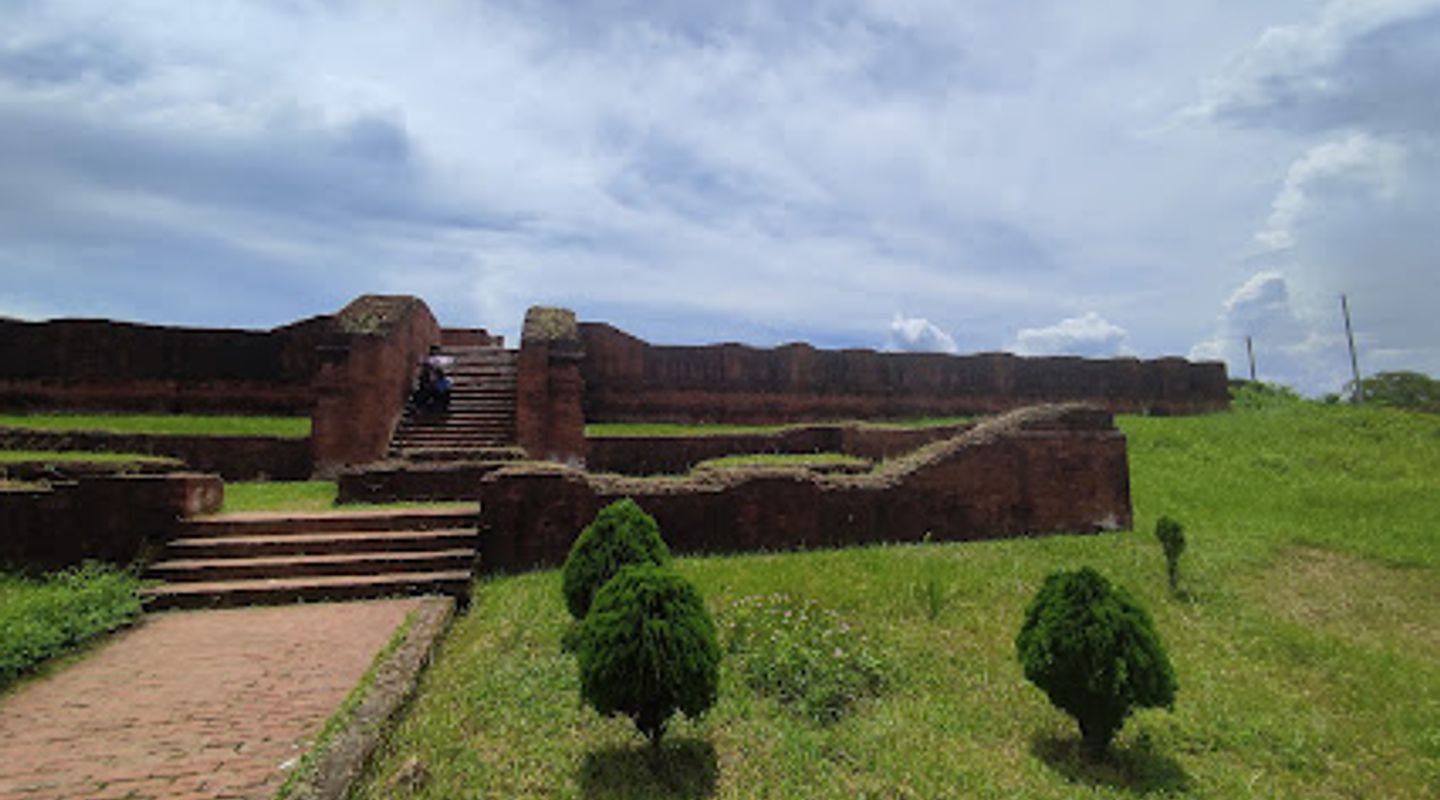
Itakhola Mura, an ancient Buddhist monastery dating back to the 7th-8th centuries, is located in Kotbari, Comilla. This archaeological site features a grand stupa complex and offers insights into the region's rich cultural past.
Opening hours
- Every day5 am–6 pm
Opening hours as listed on the venue’s Google Business Profile. Hours can change for services and special events, so check with the venue before you go.
- Address
- C4QH+GPH, Kotbari
Getting there
Public Transport
Taxi/Ride-Share
Walking
Discover more about Itakhola Mura
Overview
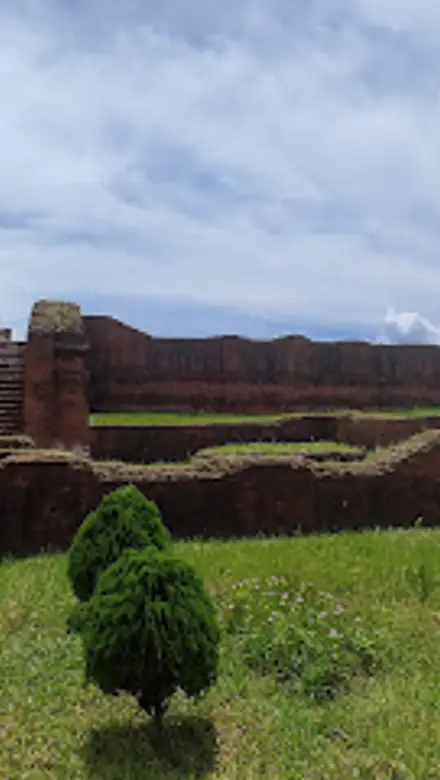
Itakhola Mura, situated in Kotbari, Comilla, stands as a significant testament to the region's rich Buddhist heritage. Believed to have been constructed during the 7th to 8th centuries during the Deva dynasty, this archaeological site features the ruins of a Buddhist monastery and stupa. The name 'Itakhola Mura' translates to 'Brickyard Mound,' likely derived from the site's use as a brick quarry in ancient times.Excavations have revealed a grand stupa complex built on a 13.1-meter square platform. A unique feature is the small sanctum (2.4m x 2.1m) on its eastern side, where a damaged life-size stucco image of Akshobhya, a Dhyani Buddha, was discovered. The monastery complex includes a central hall and 19 cells, reflecting a sophisticated understanding of spatial organization. The architecture shows the mature and developed forms of Buddhist temples and viharas.Over the centuries, Itakhola Mura underwent multiple phases of construction, with each phase adding new layers to its architectural and cultural significance. Artifacts recovered from the site include gold, silver coins, copper plates, clay plaques, and various Buddhist statues, providing valuable insights into the religious and artistic practices of the time. Exploring Itakhola Mura offers a captivating journey through time, allowing visitors to connect with the echoes of ancient Bengal.
Evendo Review Centre
 Google
Guest reviews
Explore Itakhola Mura on the map
A handpicked selection of must-see spots near Itakhola Mura, mapped for you.
Get your free copy of our complete guide to Itakhola Mura, delivered straight to you.
Everything on this page, from opening hours and how to get there to Eve’s tips and the best time to go, in one PDF you can read offline, print or share.
Already have an account? Sign in
Your Itakhola Mura guide is ready.
We'll send it to · Not you? Sign out

Getting your guide ready…
We are putting together a fresh copy of the Itakhola Mura guide. This can take up to a minute.
This can take a few moments. If your browser asks, choose Allow so the download can start. You'll find the guide in your Downloads folder.
Nothing happened? Download it again
Sorry, the guide is taking longer than usual. Please try again in a minute, or get it by email instead.
Unlock the best of Itakhola Mura
Skip-the-line tickets, guided tours with entry, and walking tours of the area, booked in a few clicks.

Other nearby places you may find interesting
The closest places of the same kind, if this one is not quite what you had in mind.
-
-
-
-
-


Swipe for more places
More to explore near Itakhola Mura

 Best experiences near Itakhola Mura
 Best hotels near Itakhola Mura
 Best landmarks near Itakhola Mura
 Best attractions near Itakhola Mura
 Best shops near Itakhola Mura
 Best restaurants near Itakhola Mura
 Best bars near Itakhola Mura
Do you manage this location?
Take control to get all the benefits, like improved information, better appearance, and stronger visibility across AI-powered discovery.
Explore more

Explore more of Comilla
Explore Comilla, Bangladesh: A city rich in history, culture, and natural beauty, offering ancient ruins, serene lakes, and delicious local cuisine.
Explore Comilla
Explore more of Bangladesh
Discover Bangladesh: A land of rivers, rich culture, and breathtaking landscapes. Explore ancient sites, vibrant cities, and the unique flavors of this South Asian gem.
Explore Bangladesh