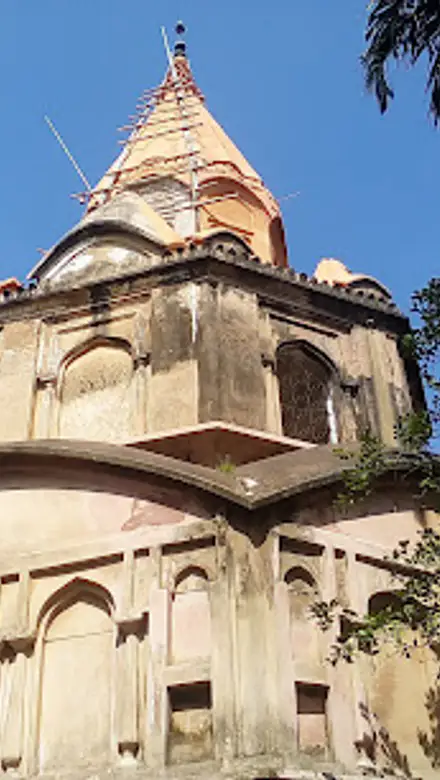
Jagannath Temple, Comilla Travel Guide
Free Guide: Explore the historic Jagannath Temple in Cumilla, a unique octagonal architectural marvel and a center of Hindu devotion since the 16th century.


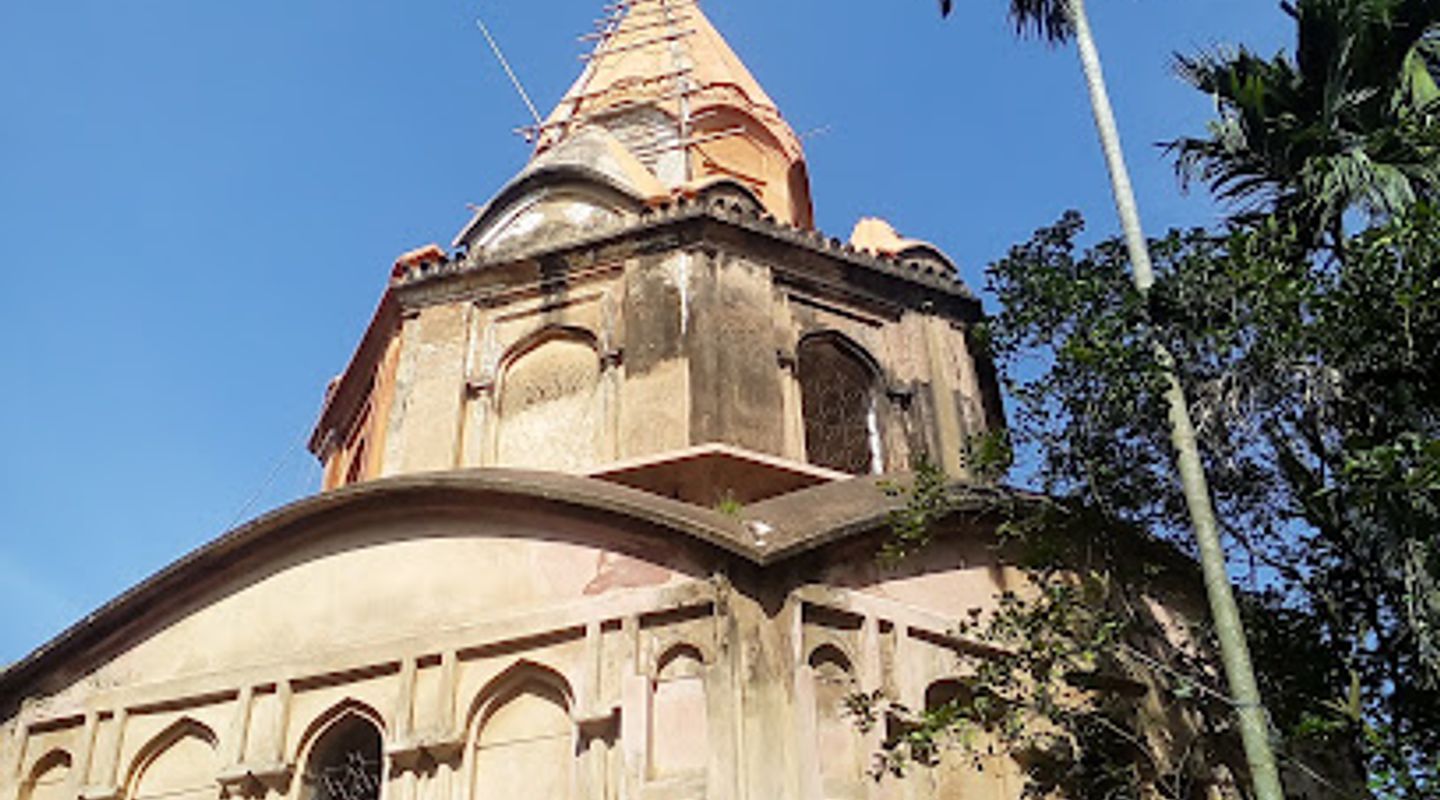
A brief summary of Jagannath Temple
Explore the historic Jagannath Temple in Cumilla, a unique octagonal architectural marvel and a center of Hindu devotion since the 16th century.
The Jagannath Temple in Cumilla, Bangladesh, is a revered Hindu temple dedicated to Lord Jagannath, Balabhadra, and Subhadra. With origins tracing back to the 16th century, its unique octagonal base and terracotta architecture make it a significant cultural and historical landmark.
Opening hours
- Every day4 am–8 pm
Opening hours as listed on the venue’s Google Business Profile. Hours can change for services and special events, so check with the venue before you go.
- Address
- F666+W85, Cumilla 3500
- Phone
Getting there
Walking
Public Transport
Discover more about Jagannath Temple
Overview
The Jagannath Temple, located in Cumilla, stands as a beacon of Hindu faith and architectural ingenuity. Dedicated to Lord Jagannath, Balabhadra, and Subhadra, the temple has been a center of devotion for centuries. Its history stretches back to the 16th century, during the reign of the Tripura kings, adding to its historical significance.Originally, the deities were housed in a temple in Tripura before being moved to their current location in Cumilla. The temple's establishment is credited to Sree Sreejoktou Moharaja Rada Kishor Manikuo Bahadur. While the exact construction timeline remains debated, the temple's architecture points to a period influenced by the terracotta style prevalent at the time.The temple's most distinctive feature is its octagonal base and shape, a design rarely seen in Bangladesh. Rising approximately 60 feet, the four-storied structure is built of brick and ascends in an inverted cone shape. This unique design sets it apart from other temples in the region, making it an architectural marvel.Historically, the temple was known as the 'Saptaratna Mandir' or 'Sotero Rotno Mandir,' names that refer to the number of 'ratnas' or jewels/pinnacles the temple once had. It is believed that the temple originally had seventeen peaks, most of which were destroyed in the earthquake of 1878. Today, the temple has 13 ratnas. Adjacent to the temple is a tank, believed to be as old as the temple itself, adding to the serene atmosphere of the complex.Visiting the Jagannath Temple offers a unique opportunity to experience the spiritual and cultural heritage of Cumilla. The temple is open to all, and visitors are welcome to participate in prayers and learn about the history and significance of the site.
Evendo Review Centre
 Google
Guest reviews
Explore Jagannath Temple on the map
A handpicked selection of must-see spots near Jagannath Temple, mapped for you.
Get your free copy of our complete guide to Jagannath Temple, delivered straight to you.
Everything on this page, from opening hours and how to get there to Eve’s tips and the best time to go, in one PDF you can read offline, print or share.
Already have an account? Sign in
Your Jagannath Temple guide is ready.
We'll send it to · Not you? Sign out

Getting your guide ready…
We are putting together a fresh copy of the Jagannath Temple guide. This can take up to a minute.
This can take a few moments. If your browser asks, choose Allow so the download can start. You'll find the guide in your Downloads folder.
Nothing happened? Download it again
Sorry, the guide is taking longer than usual. Please try again in a minute, or get it by email instead.
Other nearby places you may find interesting
The closest places of the same kind, if this one is not quite what you had in mind.
-
-
-
-
-


Swipe for more places
More to explore near Jagannath Temple

 Best experiences near Jagannath Temple
 Best hotels near Jagannath Temple
 Best landmarks near Jagannath Temple
 Best attractions near Jagannath Temple
 Best shops near Jagannath Temple
 Best restaurants near Jagannath Temple
 Best bars near Jagannath Temple
Do you manage this location?
Take control to get all the benefits, like improved information, better appearance, and stronger visibility across AI-powered discovery.
Explore more

Explore more of Comilla
Explore Comilla, Bangladesh: A city rich in history, culture, and natural beauty, offering ancient ruins, serene lakes, and delicious local cuisine.
Explore Comilla
Explore more of Bangladesh
Discover Bangladesh: A land of rivers, rich culture, and breathtaking landscapes. Explore ancient sites, vibrant cities, and the unique flavors of this South Asian gem.
Explore Bangladesh