Rupban Mura, Comilla Travel Guide
Explore Rupban Mura in Comilla, an ancient Buddhist site with unique architecture and rich history dating back to the 7th-12th centuries.
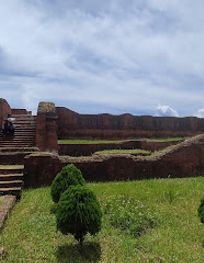
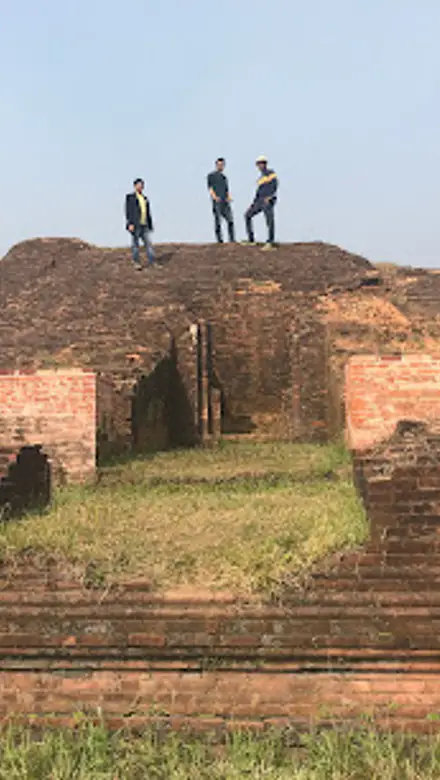
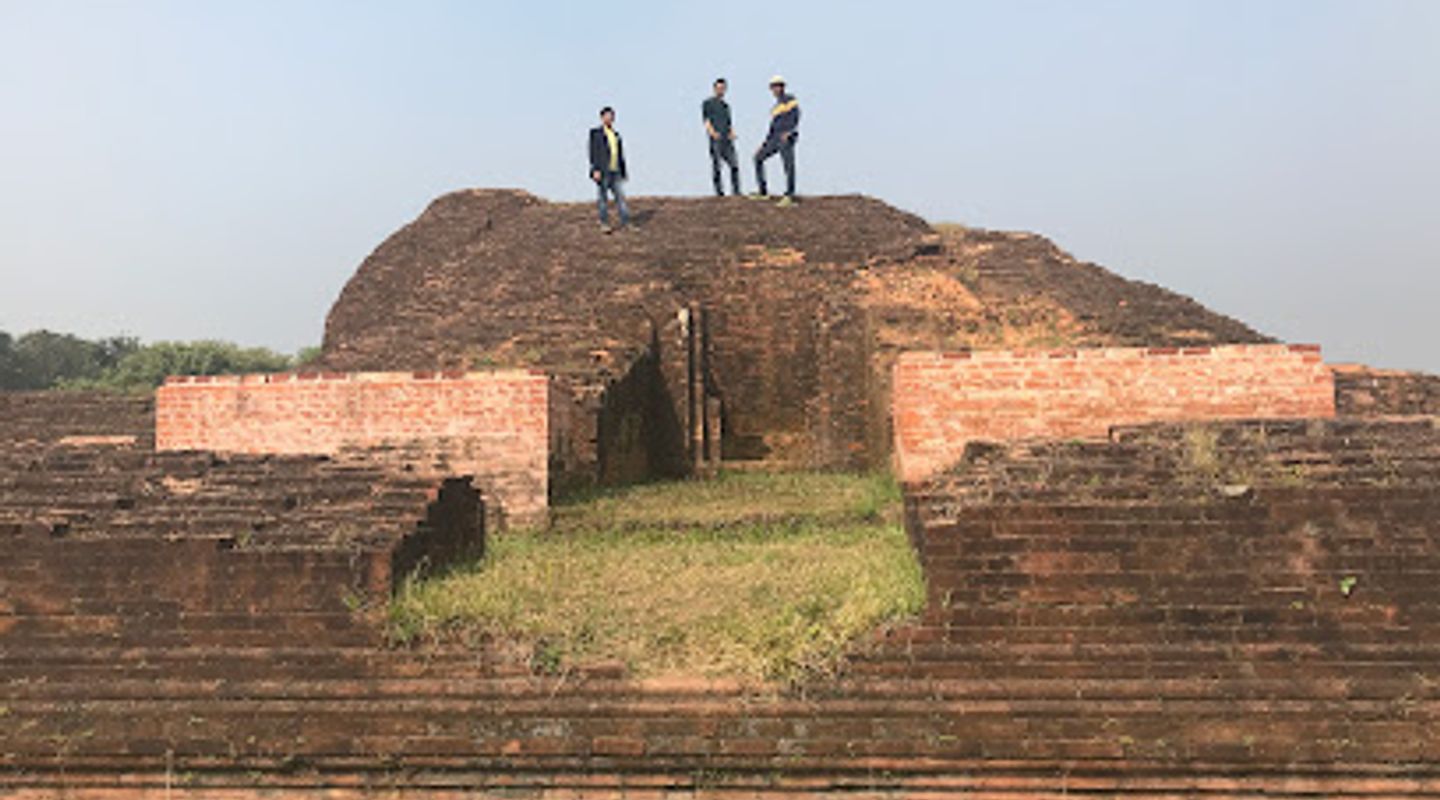
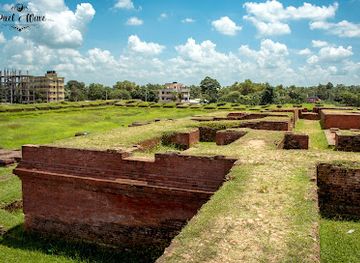
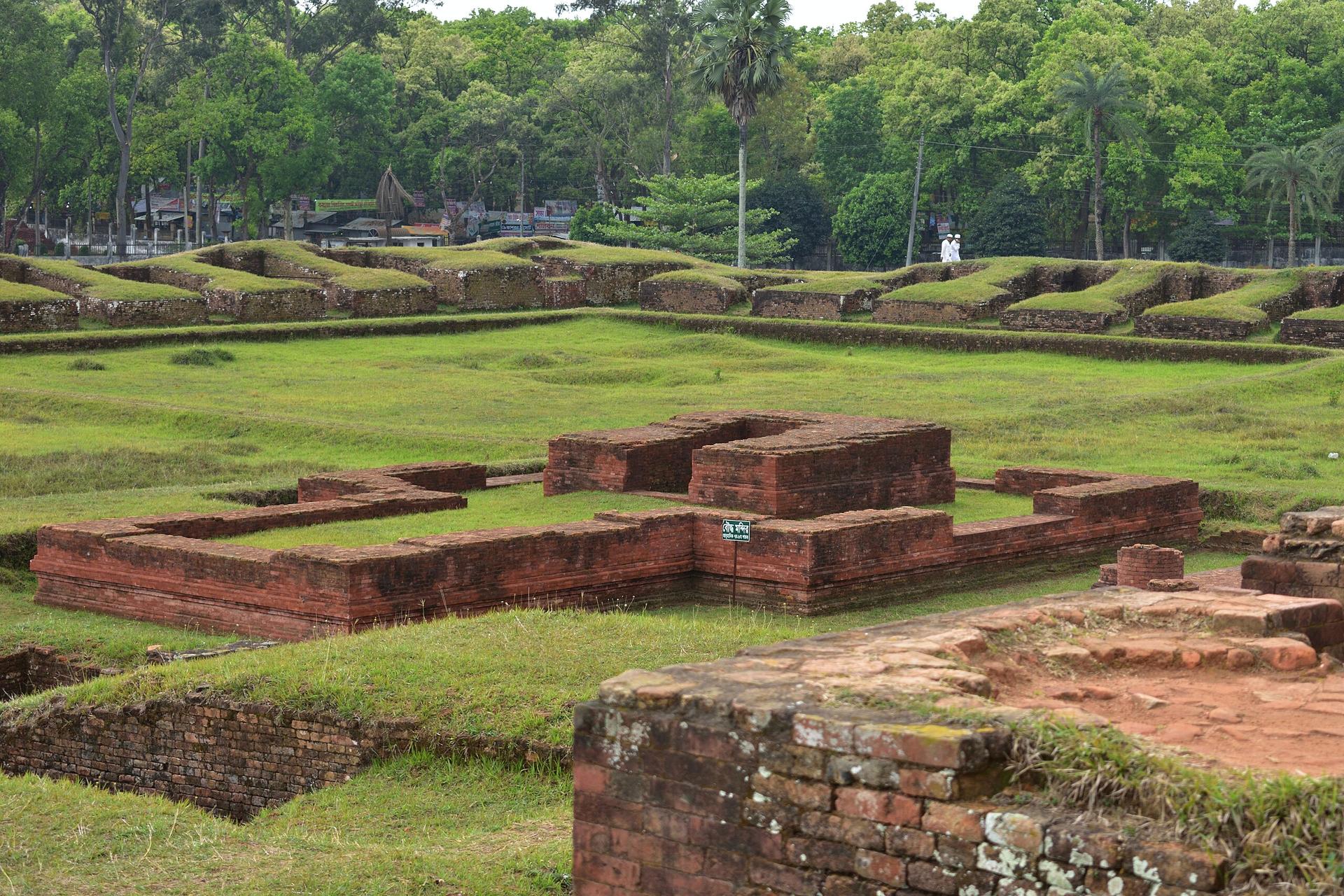
Rupban Mura, located near Kotbari, Comilla, is an intriguing archaeological site with ancient ruins dating back to the 7th to 12th centuries AD. This Buddhist settlement features a cruciform shrine, monastery, and octagonal stupa, offering a glimpse into the region's rich historical and cultural heritage.
A brief summary to Rupban Mura
- C4PH+GQG, Kotbari, BD
- Monday 8 am-6 pm
- Tuesday 8 am-6 pm
- Wednesday 8 am-6 pm
- Thursday 8 am-6 pm
- Friday 8 am-6 pm
- Saturday 8 am-6 pm
- Sunday 8 am-6 pm

Know before you go
Hi, I'm Eve. Here are a few practical things to know before exploring Rupban Mura.
- Visit during the cooler months (November to February) for a more comfortable experience exploring the outdoor site.
- Combine your visit with a trip to the Mainamati Museum to see artifacts discovered at Rupban Mura and other nearby sites.
- Hire a local guide to gain deeper insights into the history and significance of the site.
Do you manage this location?
Take control to get all the benefits, like improved information, better appearance, and stronger visibility across AI-powered discovery. Learn more about listing your business on Evendo
Activate your presenceOther nearby places you may find interesting
The closest places of the same kind, if this one is not quite what you had in mind.
Explore Rupban Mura on the Map
A handpicked selection of must-see spots near Rupban Mura, mapped for you.
Unlock the Best of Rupban Mura
Buy tickets
-
No tickets available
Book tours with entry


Book tours without entry
-
No tours available
Getting There
-
Walking
If you are already in the Kotbari area, Rupban Mura is easily accessible by foot. From the Kotbari bus stand or BARD (Bangladesh Academy for Rural Development), it's a short walk south towards Kali Bazar market. The site is located on a hillock just south of the Comilla-Kalirbazar road. There are no entrance fees.
-
Public Transport
From Comilla city, take a local bus or CNG (auto-rickshaw) towards Kotbari. Ask the driver to drop you off near BARD (Bangladesh Academy for Rural Development) in Kotbari. From BARD, Rupban Mura is approximately a 10-15 minute walk. CNG fare from Comilla to Kotbari typically costs between 80-120 BDT.
Discover more about Rupban Mura













Your all‑in‑one travel companion app
Explore expert travel guides, compare and book tours, experiences, hotels, and more—all from the palm of your hand. Download now for seamless trip planning wherever your wanderlust takes you.


Explore More of Comilla
Looking beyond Rupban Mura? Discover Comilla for broader travel guides, local hot-spots, and regional highlights.
Explore Comilla